

Unraveling the Ownership: Who Owns Kérastase?
Ever wondered about the fancy hair products from Kérastase and who's really behind them? It's easy to get lost in all the different brands out there, especially in the beauty world. We're going to break down who owns Kérastase, and it turns out, it's part of a much bigger picture. Let's get into it.
Key Takeaways
- Kérastase is owned by the L'Oréal Group, a massive global beauty company.
- L'Oréal has a huge portfolio of brands, and Kérastase fits into their professional products division.
- The L'Oréal Group itself is a publicly traded company with significant shares held by the Bettencourt family and institutional investors.
- Kérastase was created by L'Oréal in 1964, so it has always been part of the L'Oréal family.
- Understanding who owns a brand like Kérastase helps explain its reach and how it operates within the wider beauty market.
Understanding Kérastase Ownership
The L'Oréal Group's Dominance
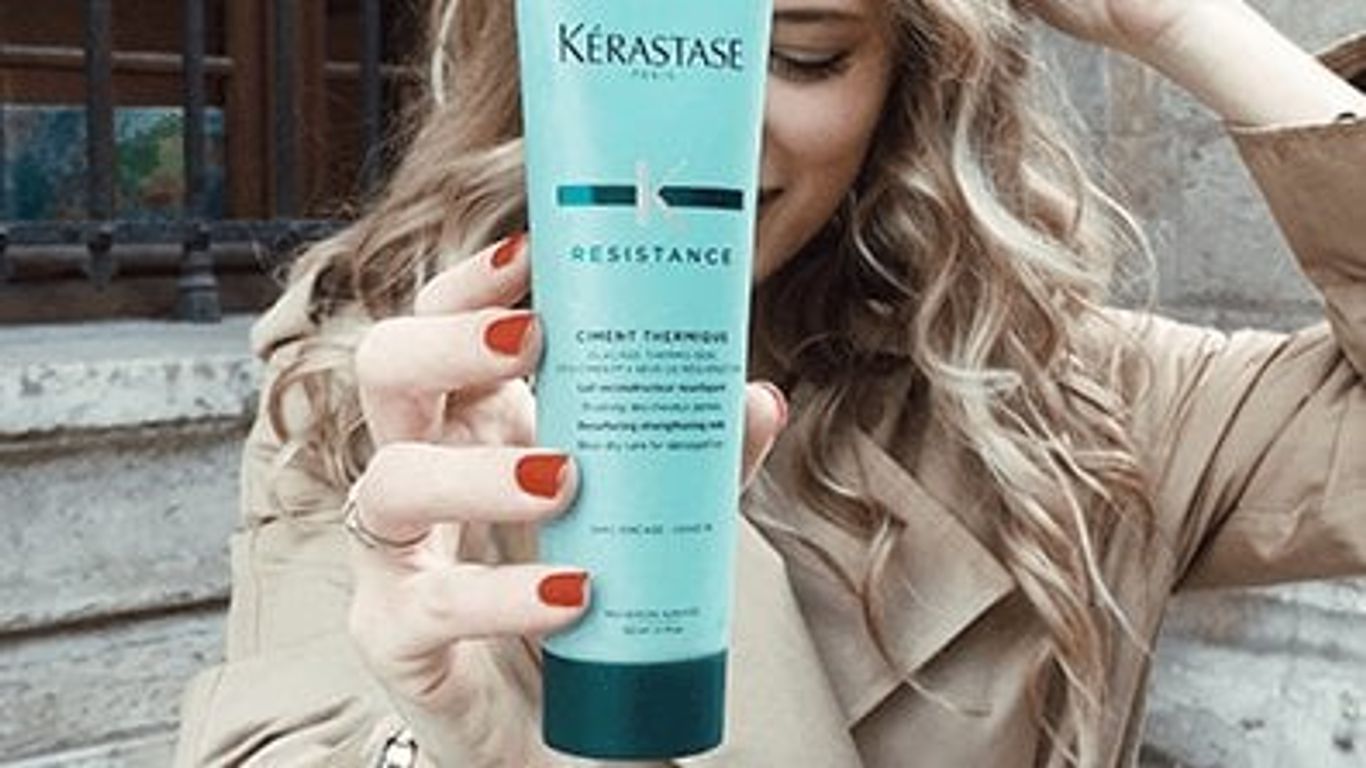
When you're talking about Kérastase, you're really talking about the L'Oréal Group. It's pretty much the parent company, and has been since Kérastase was created. L'Oréal is this massive beauty conglomerate that owns a ton of brands, from drugstore staples to high-end luxury items. They've been around for ages, building up their empire through smart acquisitions and developing their own brands. Kérastase fits right into their professional products division, which is all about salon-quality hair care. It's not like Kérastase is some independent entity that just happens to be sold by L'Oréal; it's a core part of their business.
Kérastase's Place Within L'Oréal's Portfolio
L'Oréal organizes its brands into different categories, and Kérastase sits pretty comfortably in the 'Professional Products' section. This division is specifically for hair care products sold in salons and by hair professionals. Think of it as the premium tier for hair. Other brands you might know in this same division include Redken and Shu Uemura Art of Hair. This placement shows that L'Oréal sees Kérastase as a high-performance, salon-focused brand, distinct from their mass-market or luxury cosmetic lines. It’s a strategic move to keep different market segments clear and targeted.
Who Owns Kérastase: A Direct Answer
So, to cut to the chase: The L'Oréal Group owns Kérastase. There's no complicated web of subsidiaries or external investors holding significant stakes in Kérastase itself. It's a brand that was developed and is wholly owned by L'Oréal. This means all the decisions, from product development to marketing, ultimately fall under the L'Oréal umbrella. It's a straightforward ownership structure, which is pretty common for major brands within large corporations like L'Oréal. They manage it as one of their many valuable assets in the beauty industry.
Owning a brand like Kérastase means L'Oréal has direct control over its quality, innovation, and market presence. This integration allows for a consistent brand experience across the globe, from the salon chair to the consumer's home.
Here's a quick look at how L'Oréal's brand portfolio is structured:
- Consumer Products Division: Brands found in most drugstores and supermarkets (e.g., Garnier, Maybelline).
- L'Oréal Luxe Division: High-end and designer brands (e.g., Lancôme, Yves Saint Laurent Beauté).
- Professional Products Division: Salon-exclusive brands (e.g., Kérastase, Redken).
- L’Oréal Dermatological Beauty: Skincare and active cosmetics (e.g., La Roche-Posay, CeraVe).
The L'Oréal Conglomerate: A Global Beauty Leader
When we talk about Kérastase, we're really talking about a brand that's part of something much, much bigger. That something is the L'Oréal Group, and honestly, it's hard to overstate just how massive this company is in the beauty world. Think of it as the ultimate beauty conglomerate, a French multinational that has been around for ages, quietly building an empire of brands that touch pretty much every corner of the beauty market. They're not just a player; they're the player, consistently ranking as the largest cosmetics company globally. It’s kind of wild to think about, right? One company basically owns a huge chunk of what we use to look and feel good.
L'Oréal's Extensive Brand Acquisitions
L'Oréal didn't get to be this big by accident. A huge part of their strategy has always been buying up other companies and brands. It’s like collecting rare items, but instead of stamps, it’s makeup, skincare, and haircare lines. Over the decades, they’ve made a ton of acquisitions, each one adding a new piece to their already enormous puzzle. This approach has allowed them to cover all sorts of market segments, from drugstore staples to high-end luxury items, and everything in between. They’ve got a brand for almost every need and every budget.
- Maybelline: A classic American makeup brand that L'Oréal picked up, making it a global powerhouse.
- Lancôme: A luxury powerhouse known for its high-end perfumes and skincare.
- Garnier: A widely accessible brand focusing on hair color and skincare.
- Kiehl's: Known for its apothecary-style skincare products.
- Redken: A professional haircare brand that complements Kérastase.
- NYX Cosmetics: A more recent acquisition that brought a strong presence in the professional makeup artist community.
Key Acquisitions Shaping L'Oréal's Reach
Some of these acquisitions were more like game-changers. Buying up brands that already had a strong following or a unique niche allowed L'Oréal to quickly expand its influence. Think about brands that are household names – chances are, L'Oréal has a hand in them. This smart buying strategy means they can cater to different tastes and needs without having to build every single brand from scratch. It’s a really effective way to dominate the market.
L'Oréal's growth story is a masterclass in strategic expansion. By carefully selecting and integrating brands, they've built a portfolio that offers a complete spectrum of beauty products, from everyday essentials to exclusive luxury items. This multi-brand approach is key to their enduring success and global dominance.
The Structure of L'Oréal's Divisions
To manage all these brands, L'Oréal has organized itself into different divisions. It’s not just one big happy family; they’ve got specific teams and structures for different types of products and markets. This helps them focus on what each brand needs to succeed. For instance, they have a division specifically for professional haircare products, which is exactly where Kérastase fits in. Then there are divisions for luxury brands, consumer products, and even dermatological beauty. It’s a pretty complex setup, but it clearly works for them.
Here’s a simplified look at how they categorize things:
- Consumer Products Division: This is for brands you'd find in most drugstores and supermarkets, like Garnier and Maybelline.
- Luxury Products Division: Think high-end department store brands such as Lancôme and Yves Saint Laurent Beauté.
- Professional Products Division: This is where salon-exclusive brands like Kérastase, Redken, and Shu Uemura Art of Hair live.
- L’Oréal Dermatological Beauty: This division focuses on skincare recommended by doctors, including brands like La Roche-Posay and CeraVe.
Historical Context of L'Oréal's Growth
Early Foundations and Expansion
It all started back in 1909 with a French chemist named Eugène Schueller. Back then, hair dyes were pretty harsh and women were a bit wary of using them. Schueller saw this as a chance to create something better. He tinkered away in a small Paris lab, developing his own hair dye formula. He called his first creation 'Auréale,' and it was a hit with local hairdressers. This little venture, initially named the 'Safe Hair Dye Company of France,' eventually grew into the beauty behemoth we know today as L'Oréal. The company officially adopted the L'Oréal name in 1939, the same year they set up shop at 14 Rue Royale in Paris. From those early days, L'Oréal has always been focused on beauty, pouring resources into research and making sure their products were top-notch.
Strategic Mergers and Acquisitions Over Decades
L'Oréal didn't just grow by making its own products; it also grew by buying other companies. This has been a big part of their strategy for a long time. For instance, they bought Synthélabo, a pharmaceutical company, way back in 1973. Later on, in 1984, they picked up parts of Helena Rubinstein Incorporated, specifically the Japanese and Latin American operations. They kept acquiring brands throughout the years, like The Body Shop in 2006 and YSL Beauté in 2008. More recently, they've bought up companies like Magic Holdings in China and IT Cosmetics. It’s a constant process of adding to their collection of beauty brands.
Nestlé's Stake and Shareholder Dynamics
Something interesting about L'Oréal's ownership is the role Nestlé has played. Nestlé, the big food company, first bought into L'Oréal back in 1974. This happened at the request of Liliane Bettencourt, whose father founded L'Oréal. Nestlé has held a significant stake in the company ever since. In fact, as recently as 2014, L'Oréal bought back a chunk of its shares from Nestlé. This kind of relationship between major corporations can influence how a company operates and grows over time. It shows how complex ownership can get, even for a company that seems straightforward on the surface.
The journey of L'Oréal from a single hair dye formula to a global beauty empire is a testament to consistent innovation and strategic expansion. Their growth wasn't accidental; it was built on a foundation of scientific research, smart business decisions, and a keen eye for acquiring brands that fit their vision.
Kérastase's Origins and Integration
The Creation of Kérastase
Kérastase wasn't just some random brand that popped up overnight. It actually started back in 1964, and the whole idea came from François Dalle, who was the CEO of L'Oréal at the time. He wanted to create a line of luxury haircare products that were really focused on scientific innovation and performance. Think of it as L'Oréal's answer to giving salon professionals something truly special to work with, something that could offer a more personalized and high-end experience for their clients. The goal was to push the boundaries of what was possible in hair treatment and styling, using advanced research to create formulas that delivered visible results. This focus on science and luxury from the very beginning set Kérastase apart.
L'Oréal's Professional Products Division
So, where does Kérastase fit into the bigger L'Oréal picture? Well, it's a key player in what L'Oréal calls its 'Professional Products Division'. This division is all about serving hair salons and stylists. It's where brands like Redken and Shu Uemura Art of Hair also live. These brands are designed specifically for professional use, meaning they're sold primarily through salons and are used by hairdressers to treat and style hair. Kérastase, with its premium positioning, is a flagship brand within this division, representing the high-end segment of L'Oréal's professional offerings. It's a strategic part of L'Oréal's business, aiming to capture the professional haircare market with specialized, high-performance products.
Kérastase's Role in Professional Haircare
Kérastase really carved out its niche by focusing on what they call 'haute coiffure' for hair. They aimed to bring the kind of meticulous care and advanced formulas you'd find in high-end skincare to the world of hair. This meant developing products that addressed specific hair concerns, from damage and thinning to scalp issues, all with a luxurious feel and scent.
Here's a bit about how they approach it:
- Personalized Diagnosis: Stylists are trained to diagnose a client's specific hair and scalp needs before recommending products.
- Advanced Formulas: They invest heavily in research and development to create innovative ingredients and technologies.
- Salon Exclusivity: Keeping the brand primarily in salons helps maintain its professional image and ensures clients get expert advice.
The brand's commitment to professional stylists means that Kérastase products are often introduced and recommended within the salon environment, where trained experts can guide consumers on the best usage and routines for their individual hair types and concerns. This approach helps build trust and ensures the products are used effectively to achieve the desired results.
Navigating the Beauty Market Landscape
L'Oréal's Competitive Brand Strategy
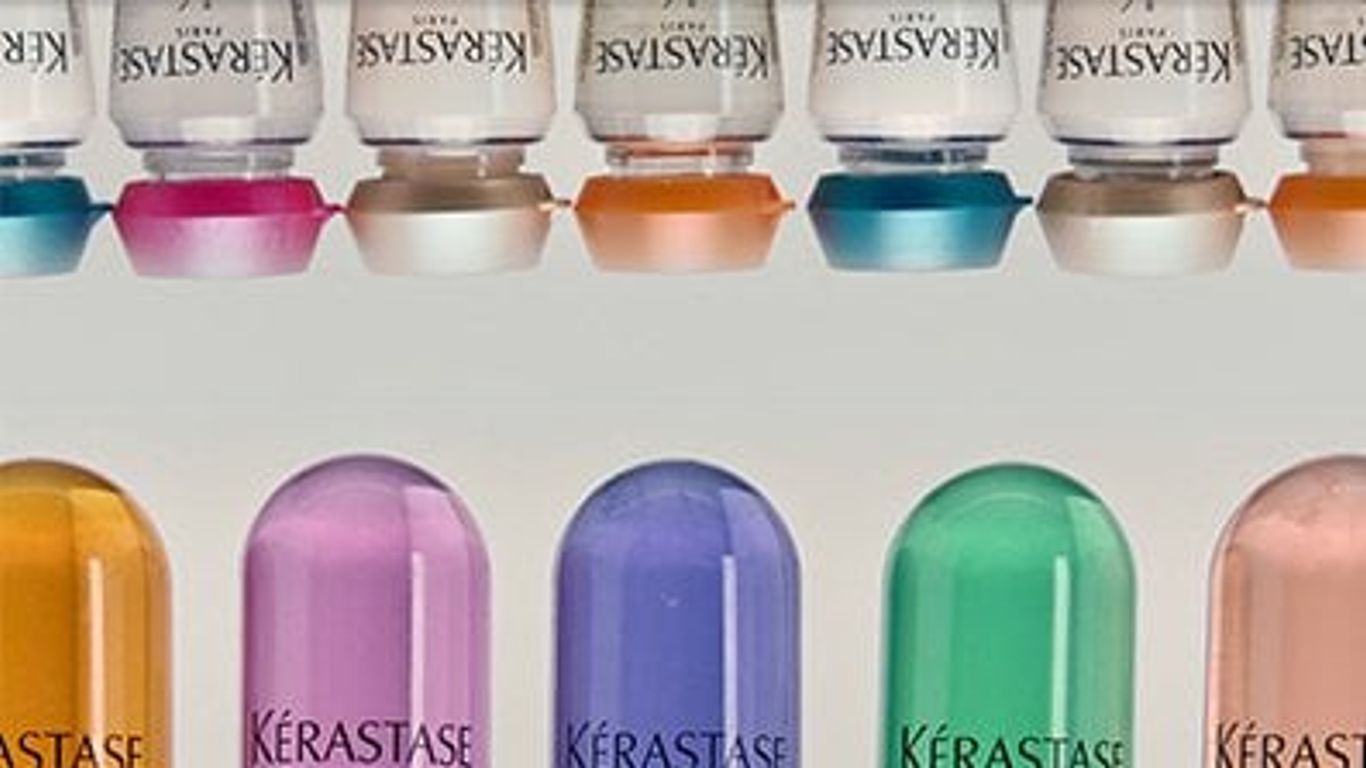
So, how does a brand like Kérastase fit into the massive picture that is L'Oréal? It's all about strategy, really. L'Oréal doesn't just slap brands together; they have these different divisions, kind of like departments in a big company, each with its own focus. Kérastase lives in the 'Professional Products Division.' This means it's aimed at salons and hair professionals first, before it hits the wider consumer market. It's a smart way to build credibility and ensure that people who really know hair are using and recommending the products. Think of it like a chef using high-quality ingredients in their restaurant before those ingredients become available at your local grocery store.
Authorized Retailers and Product Authenticity
This is a big one, especially with luxury brands like Kérastase. You see, not just anyone can sell Kérastase. L'Oréal is pretty strict about who gets to carry their products. They work with authorized salons and a select few online retailers. Why does this matter to you? Well, it's all about making sure you're getting the real deal. Counterfeit products are a serious problem in the beauty world, and buying from an unauthorized seller could mean you end up with something that's not only ineffective but potentially harmful. It’s like buying a designer handbag from a street vendor – it might look similar, but it’s not the genuine article and won't have the same quality or durability.
When you're looking for Kérastase, always check that you're buying from a place that's officially approved by L'Oréal. This usually means a high-end salon or a well-known beauty retailer that clearly states they are an authorized seller. It’s the best way to guarantee you’re getting the quality and results Kérastase is known for.
Understanding Brand Portfolios
L'Oréal's portfolio is huge, covering pretty much every corner of the beauty market. They have brands for everyday use, like Garnier and Maybelline, then luxury brands like Lancôme and Kiehl's, and then the professional lines like Kérastase and Redken. Each brand is positioned differently to appeal to specific customers and needs. Kérastase, for example, is all about high-performance, salon-quality hair care. It’s positioned at the top end of the professional market, focusing on advanced formulas and luxurious experiences. This careful segmentation allows L'Oréal to capture a wide range of consumers without their brands directly competing against each other in the same space. It’s a bit like a car manufacturer offering everything from an economy car to a luxury sedan and a sports car – different vehicles for different drivers and purposes, all under one big company umbrella.
Corporate Governance and Shareholder Structure
When we talk about who really pulls the strings at a big company like L'Oréal, it all comes down to who owns the shares and how the company is run. It’s not just about the brands you see on the shelves, but the people and entities behind them.
Key Leadership at L'Oréal
Right now, the top jobs at L'Oréal are held by Jean-Paul Agon, who is the chairman, and Nicolas Hieronimus, serving as the chief executive officer. They're the ones guiding the company's overall direction. Then you have Jean Victor Meyers and Paul Bulcke, who are vice chairmen on the board of directors, playing important roles in overseeing the company's decisions. These individuals are responsible for the day-to-day operations and strategic planning that keeps L'Oréal moving forward.
Major Shareholder Breakdown
Looking at who owns L'Oréal is pretty interesting. As of the end of 2023, the ownership was spread out like this:
- Bettencourt Family: They hold a significant chunk, about 34.73%.
- International Institutional Investors: These are big investment firms from around the world, owning 30.7%.
- Nestlé: The food giant has a stake of 20.13%.
- French Institutional Investors: Investment firms based in France own 6.63%.
- Individual Shareholders: These are regular folks who own shares, making up 5.92%.
- Employees: L'Oréal employees also have a stake, owning 1.89%.
This mix shows a company that's publicly traded but also has a strong founding family influence and significant backing from major corporations and investment groups.
The Bettencourt Family's Influence
The Bettencourt family's connection to L'Oréal goes way back to the very beginning. Liliane Bettencourt, the daughter of the founder, played a key role in the company's history, even influencing Nestlé's decision to take a stake back in 1974. Their substantial shareholding means they have a considerable say in the company's long-term strategy and direction. While L'Oréal operates with a modern corporate structure, the historical ties and continued ownership by the Bettencourt family are a defining characteristic of the company's governance. It's a blend of family legacy and global corporate management that shapes how L'Oréal, and by extension brands like Kérastase, are steered.
Understanding how a company is run and who owns it is super important. It's like knowing the rules of a game and who the players are. This helps everyone trust the company more. Want to learn more about how companies work and who holds the shares? Visit our website for easy-to-understand guides!
So, Who's Really Behind Kérastase?
Alright, so we've looked into it, and it's pretty clear. Kérastase isn't some independent, small-batch operation. Nope, it's a big player, owned by the even bigger L'Oréal Group. This means Kérastase gets to tap into all sorts of resources and research that a smaller company just wouldn't have. It's kind of like how a star athlete has a whole team supporting them. So, when you're picking up that fancy Kérastase shampoo, remember it's part of a massive global beauty empire. It's interesting to know the story behind the brands we use every day, right?
Frequently Asked Questions
So, who is the big boss behind Kérastase?
Kérastase is owned by a huge company called L'Oréal. Think of L'Oréal as the parent company that owns many different beauty brands, and Kérastase is one of its popular children, especially known for fancy hair care.
Is Kérastase the only brand L'Oréal owns?
Oh no, L'Oréal owns a whole bunch of brands! They have everything from makeup like Maybelline and NYX to skincare and other hair care brands like Redken. Kérastase is part of their 'Professional Products' group, which means it's often sold in salons and used by hair experts.
When did L'Oréal start owning Kérastase?
Kérastase was actually created by L'Oréal back in 1964. So, it's been part of the L'Oréal family for a very long time, right from the beginning of the brand's story.
Does L'Oréal buy other companies often?
Yes, L'Oréal is known for buying other beauty companies to grow its collection. They've bought many brands over the years, like The Body Shop (which they later sold), Urban Decay, and even skincare brands. This helps them offer a wide variety of products to people all over the world.
Is the Bettencourt family involved with Kérastase?
The Bettencourt family has a very significant role in L'Oréal. They are the largest shareholders, meaning they own a big chunk of the company. So, while they don't directly manage Kérastase day-to-day, their ownership in L'Oréal means they have a major say in the company that owns Kérastase.
Where can I buy real Kérastase products?
To make sure you're getting the real deal and not fake stuff, it's best to buy Kérastase from authorized sellers. This usually means fancy hair salons that are official partners, or sometimes well-known beauty stores or websites that are approved by L'Oréal to sell their brands.






Leave a comment