

The Ultimate Guide to "Soins Capillaires": Achieving Healthy Hair
Taking care of your hair, or 'soins capillaires' as they say, might seem complicated. But honestly, it doesn't have to be. Think of it like tending a garden; you need to know what your plants need to grow strong and look good. This guide is here to help you figure out exactly that for your hair, from figuring out what type of hair you have to picking the right stuff to use and even how to style it without wrecking it. We'll cover all the basics and a few extra tips to get your hair looking its best. Let's get started on making your hair healthy and happy.
Key Takeaways
- Figure out your hair type and what your scalp needs. This is the first step to good 'soins capillaires'.
- Use gentle cleansers and nourishing conditioners. Avoid products that strip your hair of its natural oils.
- Pick products that are the real deal. Buying fake or old products won't help your hair.
- Try simple tricks like scalp massages and protecting your hair from heat. Salon visits can also help.
- What you eat, how you manage stress, and how you treat your hair daily all matter a lot for healthy 'soins capillaires'.
Understanding Your Soins Capillaires Needs
Before you even think about buying fancy products or trying new styles, you've got to get a handle on what your hair and scalp are actually asking for. It sounds simple, but honestly, most people skip this part and end up wasting money on stuff that just doesn't work for them. Knowing your hair's unique situation is the first, and maybe most important, step to healthier hair.
Assessing Hair Type And Concerns
Your hair isn't just one thing. It's got texture, thickness, and a whole personality. Is it fine and easily weighed down, or is it thick and prone to frizz? Does it get oily fast, or is it dry and feels like straw? You might also be dealing with damage from heat styling, color treatments, or just the general wear and tear of life. Figuring this out helps you pick the right tools for the job.
Here are some common hair types and concerns to consider:
- Fine Hair: Often lacks volume, can get oily quickly, and may be prone to breakage.
- Thick Hair: Can be prone to dryness and frizz, might take longer to dry, and can sometimes feel heavy.
- Wavy Hair: Can range from loose waves to tighter S-shapes, often needs moisture to prevent frizz, and can lose its pattern if not cared for properly.
- Curly Hair: Requires significant hydration, can be prone to dryness and breakage, and needs specific techniques to maintain curl definition.
- Coily Hair: Very prone to dryness, needs rich moisture and gentle handling to prevent damage and maintain curl pattern.
- Color-Treated Hair: Needs extra moisture and protection to maintain color vibrancy and prevent damage.
- Damaged Hair: May appear dry, brittle, split, or have a rough texture due to heat, chemical treatments, or mechanical stress.
Identifying Scalp Health Indicators
Your scalp is the foundation for healthy hair growth. If your scalp isn't happy, your hair probably won't be either. Pay attention to what's happening up there. Is it itchy? Flaky? Red? Does it feel tight and dry, or is it constantly greasy?
- Normal Scalp: Feels comfortable, not too oily or too dry, with no visible irritation.
- Dry Scalp: Might feel tight, itchy, and could have small, dry flakes. This often happens in dry weather or with harsh shampoos.
- Oily Scalp: Hair can look greasy soon after washing, and the scalp might feel slick. This is due to overactive sebaceous glands.
- Sensitive Scalp: Can become red, irritated, or itchy easily, especially after using certain products or exposure to environmental factors.
- Flaky Scalp: Can be caused by dryness, dandruff (a fungal issue), or product buildup. It's important to distinguish between dry flakes and oily flakes.
A healthy scalp usually has a slightly acidic pH, around 4.5 to 5.5. This balance helps keep the skin barrier strong and protects against microbes. When this pH is thrown off, it can lead to all sorts of problems, from dryness and irritation to increased susceptibility to infections and poor hair growth.
The Role Of Environmental Factors
What's going on outside your head really affects what's happening on it. Think about the air quality where you live – is it super dry and cold, or humid and polluted? The sun can also be harsh, drying out your hair and scalp. Even the water you use can make a difference; hard water, for example, can leave mineral buildup on your hair, making it feel dull and heavy.
- Humidity: High humidity can make hair frizzy, while low humidity can lead to dryness and static.
- Pollution: Airborne particles can cling to hair, making it look dull and potentially irritating the scalp.
- Sun Exposure: UV rays can damage hair cuticles, leading to dryness, color fading, and brittleness.
- Water Quality: Hard water contains minerals that can build up on hair, while soft water might not rinse shampoo as effectively, potentially leaving residue.
Essential Components Of Effective Soins Capillaires
Cleansing Without Stripping
Okay, so washing your hair. It sounds simple, right? But there's a fine line between getting your hair clean and totally wrecking it. Most shampoos out there are designed to lather up a storm, which feels good, but that lather often comes from sulfates. Sulfates are like tiny little magnets that grab onto dirt and oil, but they don't know when to stop. They can strip away your hair's natural oils, leaving it dry, brittle, and prone to breakage. Think of it like washing your face with dish soap – not exactly ideal.
So, what's the alternative? Look for shampoos labeled 'sulfate-free'. These use gentler cleansing agents that still get the job done without going overboard. Your hair will feel cleaner, but also softer and more hydrated. It's a game-changer, especially if you have color-treated hair or hair that's naturally on the drier side. You might need to adjust how often you wash, as your scalp might not get as oily as quickly without the harsh stripping.
Nourishing With Conditioners And Masks
After you've cleansed, it's time to give your hair some love back. This is where conditioners and hair masks come in. Conditioners are your everyday heroes. They smooth down the hair cuticle, which is like the outer layer of your hair strand. When the cuticle is smooth, your hair looks shinier and is easier to comb through. They also add moisture back in, making your hair feel soft and manageable.
Hair masks, on the other hand, are like a deep conditioning treatment. You use them less often, maybe once a week or every couple of weeks, but they pack a bigger punch. They're loaded with richer ingredients like oils, butters, and proteins that really penetrate the hair shaft to repair damage and boost hydration. If your hair feels rough, looks dull, or is breaking easily, a good mask can make a noticeable difference.
Here’s a quick rundown on when to use what:
- Daily/After Every Wash: Use a conditioner. It's your go-to for keeping things smooth and hydrated.
- Weekly/Bi-Weekly: Reach for a hair mask. This is for when your hair needs a serious boost of repair and moisture.
- Before Styling: Some leave-in conditioners can offer protection and detangling.
Targeted Treatments For Specific Issues
Sometimes, your hair has issues that a regular shampoo and conditioner just can't fix. That's where targeted treatments come in. Think of them as specialized care for specific problems.
- For Dryness and Damage: Look for treatments with ingredients like hyaluronic acid, ceramides, or argan oil. These help to replenish moisture and repair the hair structure.
- For Scalp Issues: If you have dandruff, an itchy scalp, or excess oil, you'll want treatments designed for the scalp. Ingredients like salicylic acid or tea tree oil can help balance things out.
- For Thinning Hair: There are serums and treatments that aim to stimulate the scalp and strengthen hair follicles. These often contain ingredients like biotin or minoxidil (though minoxidil is a medication, so check with a doctor).
Using these treatments consistently, as directed, is key. They aren't usually a one-time fix, but over time, they can really help get your hair back on track. It's about addressing the root cause of the problem, not just the symptoms.
It's really about finding what works for your hair's unique needs. Don't be afraid to experiment a little, but always pay attention to how your hair responds. What works wonders for one person might not be the best for another, and that's totally okay.
Choosing The Right Soins Capillaires Products
Okay, so you've figured out what your hair actually needs. That's a big step! Now comes the fun part, or maybe the slightly overwhelming part: picking out the actual products. It's not just about grabbing whatever smells nice off the shelf, you know? There's a whole world of haircare out there, and knowing where to start can feel like a puzzle.
Exploring Premium Haircare Brands
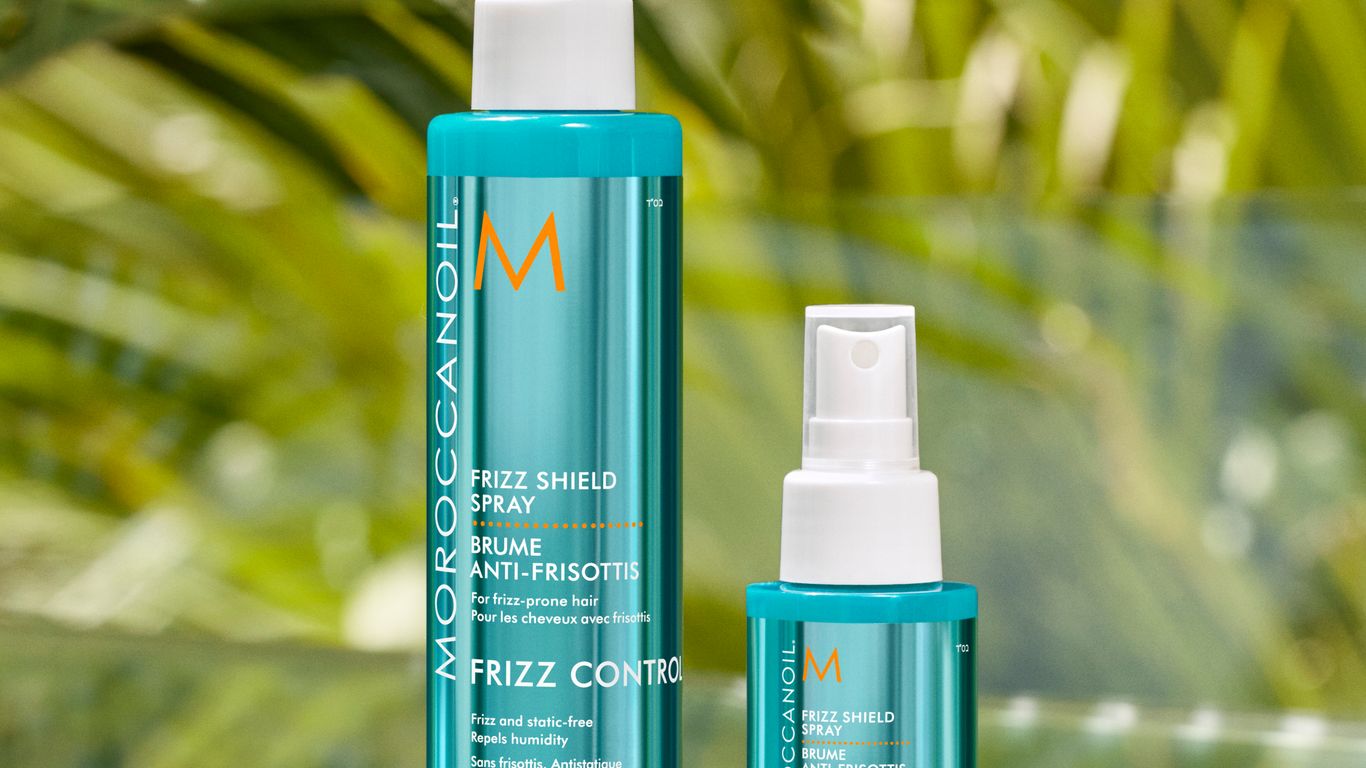
When you start looking at higher-end haircare, you'll see a lot of names pop up. Brands like Kérastase, Olaplex, and Moroccanoil are often mentioned. They usually focus on specific ingredients or technologies to tackle particular hair problems. For instance, Olaplex is known for its bond-building system, great if your hair is damaged from coloring or heat. Kérastase often has lines for different concerns, like dryness or thinning. Moroccanoil, as the name suggests, heavily features argan oil for moisture and shine. It's worth looking into what each brand's specialty is before you buy.
The Importance Of Authentic Products
This is super important, and honestly, a bit of a minefield online. You can find amazing deals, but sometimes those deals come with a catch. We're talking about products that might be old, watered down, or even fake. It's a real risk. Buying from authorized retailers, whether it's a salon or a reputable online store that sources directly from the brand, means you're getting the real deal. This guarantees the product has been stored correctly and hasn't been tampered with. It might cost a little more upfront, but you're actually getting what you pay for, and it's safer for your hair.
Counterfeit and expired beauty products are a genuine problem. Shopping with sellers who aren't authorized means you might end up with something that doesn't work, or worse, could actually harm your hair and scalp. Always check if a seller is an official stockist for the brands they carry.
Understanding Ingredient Labels
Reading ingredient lists can feel like learning a new language, right? But it's actually pretty helpful. You don't need to be a chemist, but knowing a few key things can make a difference. Look for ingredients that address your specific needs. For dry hair, things like shea butter, various oils (coconut, argan, jojoba), and glycerin are good. If you have an oily scalp, you might want to look for ingredients like tea tree oil or salicylic acid, but use them carefully. For color-treated hair, sulfate-free shampoos are usually recommended because sulfates can strip color.
Here's a quick rundown of common ingredients and what they do:
- Moisturizers: Glycerin, Hyaluronic Acid, Shea Butter, Argan Oil, Coconut Oil
- Strengtheners: Keratin, Proteins (like wheat or soy protein), Biotin
- Clarifiers/Exfoliants: Salicylic Acid, Tea Tree Oil (use sparingly)
- Soothing Agents: Aloe Vera, Chamomile
It's also good to know what to potentially avoid. For many people, harsh sulfates (like Sodium Lauryl Sulfate or SLS) can be too drying. Silicones can build up on the hair over time, making it feel heavy, though some people like them for shine. It really comes down to your hair's reaction.
Advanced Soins Capillaires Techniques
Scalp Massage For Stimulation
Think of your scalp like the soil for your hair plants. Giving it a good massage isn't just relaxing; it can actually help wake up those hair follicles. When you gently work your fingertips in circles over your scalp, you're boosting blood flow. More blood means more nutrients and oxygen getting to where your hair grows. It’s a simple thing to add to your routine, maybe while you’re shampooing or just before bed. You don't need fancy tools, just your own hands. Regular scalp massages can contribute to stronger, healthier hair growth over time.
Heat Styling Protection
We all love a good blowout or a sleek, straightened look, but heat tools can be rough on hair. Before you even think about picking up a curling iron or straightener, you absolutely need a heat protectant spray. These sprays create a barrier between your hair and the hot plates, stopping moisture from escaping and preventing damage. It’s like putting on sunscreen for your hair. Look for ones with ingredients like silicones or plant-based oils that can handle the heat.
Here’s a quick rundown on how to use them:
- Apply to damp hair before blow-drying.
- Spray evenly on dry hair before using flat irons or curling wands.
- Don't overdo it; a light mist is usually enough.
Professional Salon Treatments
Sometimes, your hair just needs a little extra help that you can’t get at home. Salon treatments are designed to give your hair a serious boost. Think deep conditioning treatments, protein masks, or glossing services. These treatments use concentrated formulas and often professional techniques to fix damage, add shine, and improve the overall health of your hair. They can be a bit pricier, but for a special occasion or when your hair is really struggling, they can make a big difference. It’s worth talking to your stylist about what might work best for your hair's current condition.
Lifestyle Habits For Optimal Soins Capillaires
Diet and Hydration's Impact
What you put into your body really does show up on your head. Think of your hair follicles like tiny construction sites; they need the right materials to build strong, healthy strands. A diet that's short on protein, vitamins, and minerals is like trying to build a house with flimsy wood. You need a good mix of lean proteins, healthy fats, fruits, and veggies. And don't forget water! Dehydration can make your hair dry and brittle, so keeping up with your water intake is super important. It's not just about drinking a glass here and there; aim for consistent hydration throughout the day.
Stress Management For Hair Health
Stress is a sneaky one. When you're feeling overwhelmed, your body can go into 'survival mode,' and hair growth can take a backseat. It's like your body is saying, 'Okay, we've got bigger problems right now, hair can wait.' Finding ways to chill out, whether it's through exercise, meditation, hobbies, or just taking some quiet time, can make a real difference. Even small, regular breaks can help.
Proper Hair Drying and Brushing
How you handle your hair after washing matters a lot. Roughly towel-drying can cause breakage and frizz. Instead, gently squeeze out excess water with a soft towel or a microfiber cloth. When it comes to brushing, start from the ends and work your way up to the roots. This helps to detangle knots without putting too much stress on the hair shaft. Using a wide-tooth comb on wet hair is often a good idea, especially if your hair is prone to tangles. For drying, try to air dry when possible, or use a heat protectant spray if you must use a blow dryer, and always use a lower heat setting.
Taking care of your hair isn't just about the products you use; it's about how you live your life. Small changes in your daily routine can have a big impact on how your hair looks and feels. It's a holistic approach, really.
Troubleshooting Common Soins Capillaires Challenges
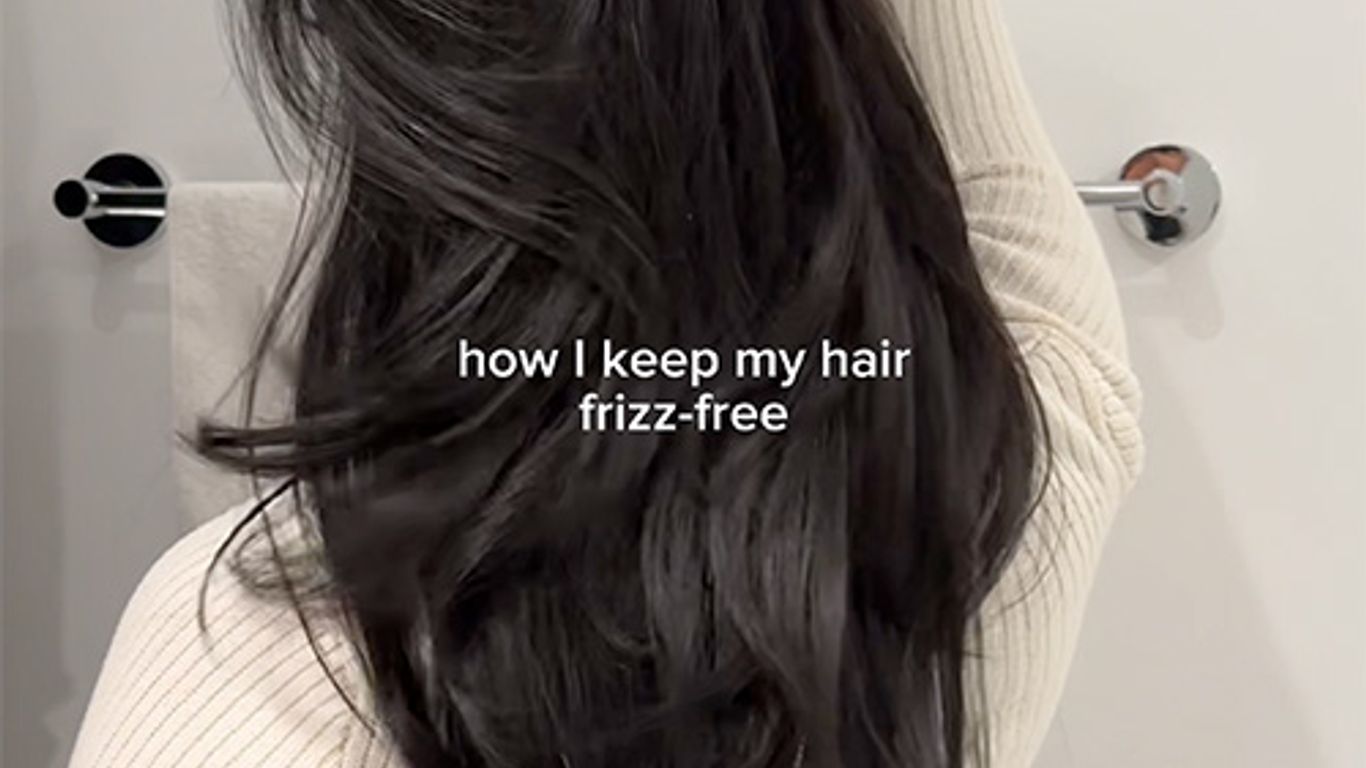
Sometimes, no matter how good your intentions are, your hair just doesn't cooperate. It happens to everyone. Let's talk about some common hair problems and how to tackle them.
Addressing Dryness and Brittleness
Dry, brittle hair feels rough and can break easily. It often lacks shine and can be a real pain to manage. This usually happens when your hair isn't getting enough moisture or natural oils. Things like harsh weather, too much heat styling, or even certain shampoos can strip your hair of its natural goodness.
Here are a few things you can try:
- Switch to a moisturizing shampoo and conditioner. Look for products with ingredients like shea butter, argan oil, or glycerin. Avoid sulfates, as they can be really drying.
- Incorporate a deep conditioning treatment or hair mask once a week. Leave it on for at least 15-20 minutes (or longer if the product allows) to let the nutrients really sink in.
- Reduce heat styling. If you must use heat, always apply a heat protectant spray first. Try air-drying your hair more often.
- Consider a leave-in conditioner. This adds an extra layer of moisture throughout the day.
The key is to replenish lost moisture and protect your hair from further damage. Be patient; it takes time for hair to recover.
Managing Oily Scalps
An oily scalp can make your hair look flat and greasy, even right after washing. This happens when your sebaceous glands produce too much oil. It can be caused by genetics, hormones, or even using the wrong hair products.
- Wash your hair regularly, but don't overdo it. Washing too often can actually make your scalp produce more oil to compensate. Find a balance that works for you.
- Use a clarifying shampoo once in a while (maybe once every week or two) to remove product buildup and excess oil. Just be sure to follow up with a good conditioner on your ends.
- Avoid heavy conditioners and styling products near your roots. Focus them on the mid-lengths and ends of your hair.
- Try a scalp scrub occasionally to exfoliate and remove buildup.
Combatting Hair Loss Concerns
Seeing more hair in your brush or shower drain can be worrying. Hair loss can stem from many things, including stress, diet, medical conditions, or even just genetics. It's always a good idea to chat with a doctor if you're concerned about significant hair loss.
- Gentle handling is a must. Avoid tight hairstyles that pull on your hair, and be careful when brushing, especially when your hair is wet.
- Focus on scalp health. A healthy scalp is the foundation for healthy hair growth. Gentle scalp massages can help improve circulation.
- Review your diet. Make sure you're getting enough protein, vitamins (like biotin and vitamin D), and minerals (like iron and zinc).
- Consider specialized hair growth treatments. There are many products on the market, from serums to supplements, that aim to support hair growth. Do your research and pick something that suits your needs.
Having trouble with your hair? Don't let common hair care issues get you down. From dryness to frizz, we've got solutions. Visit our website to discover how to fix your hair problems and get the healthy, beautiful hair you deserve.
Wrapping Up Your Hair Care Journey
So, that's pretty much it for getting your hair looking and feeling its best. We've gone over a lot, from picking the right stuff to actually using it. Remember, it's not about finding some magic product that fixes everything overnight. It's more about being consistent and paying attention to what your hair actually needs. Think of it like taking care of a plant – you wouldn't just water it once and expect it to thrive, right? Same idea here. Keep up with the good habits, don't be afraid to try new things if something isn't working, and most importantly, enjoy the process of seeing your hair get healthier. You've got this!
Frequently Asked Questions
What is the best way to figure out what my hair actually needs?
Think about your hair like a plant! Does it feel dry and break easily, or is it oily and flat? Looking at your hair and scalp helps a lot. Is your scalp itchy or flaky? Does your hair get messy from the wind or sun? Knowing these things helps you pick the right stuff to make your hair happy and healthy.
What are the most important things to do for my hair?
The main things are to wash it gently so you don't dry it out, use conditioners or masks to give it food, and use special treatments if you have problems like frizz or damage. It's like giving your hair a good meal and a spa day!
How do I know if the hair products I'm buying are real and good?
It's super important to buy from places that are allowed to sell the brands. This way, you know you're getting the real deal and not something fake or old that won't work. Always check if the seller is official.
Are there any special ways to take care of my hair beyond washing and conditioning?
Yes! Gently massaging your scalp can help it grow better. If you use heat tools like blow dryers or straighteners, always use a spray to protect your hair from getting burned. Sometimes, going to a salon for a special treatment can give your hair a big boost.
Does what I eat and how I live affect my hair?
Totally! Eating good food and drinking enough water is like giving your hair fuel from the inside. If you're stressed out, it can make your hair unhappy. Also, being gentle when you dry and brush your hair makes a big difference.
What if my hair is really dry, or my scalp is always oily?
For dry hair, you need more moisture – think rich conditioners and masks. If your scalp is oily, you might need a shampoo that cleans well but isn't too harsh. If you're losing a lot of hair, it's best to talk to a doctor or a hair expert to find out why and what to do.





Leave a comment