

Moroccanoil hair oil treatment: how to choose, apply, and use it in your routine
Key Takeaways
A hair oil is easiest to use well when you choose a suitable formula and begin with a light hand. Keep your routine simple, then adjust based on how your hair looks and feels.
- Choose between the Original and Light formulas with your hair’s texture and color in mind.
- Start with a small amount, focusing on mid-lengths and ends.
- Apply to clean, towel-dried hair before blow-drying or air-drying.
- On dry hair, use a little to smooth flyaways or refresh the ends.
- Check the formula, size, retailer, and order terms before buying.
What Moroccanoil Treatment is designed to do
A hair oil can be a finishing step, a styling aid, or a leave-in treatment, depending on the product and how you use it. The Moroccanoil hair oil treatment is described as a multitasking oil to smooth frizz, detangle, condition, and boost shine. In a routine, it works best as a targeted layer rather than a substitute for cleansing or conditioning.
How an oil treatment can add shine and smoothness
Oil treatments are often used to make hair look smoother and more polished. The Moroccanoil Treatment is described as helping smooth frizz and boost shine, with detangling and conditioning also among its stated uses. If shine is the main reason you’re reaching for an oil, apply a small amount and see how your hair responds before adding more.
What to expect from the formula and finish
An oil treatment leaves a different finish from a rinse-out conditioner: it stays in the hair, so the amount and placement matter. The Original formula is described for all hair types, while the Light formula is made with finer or light-colored hair in mind. For related ways to finish dry ends, compare those uses with a Mending Infusion or the Shine & Seal Duo, which pairs the treatment with a separate finisher.
How it fits alongside shampoo, conditioner, and styling products
Start with the basics: cleanse, condition, then decide whether your lengths need a leave-in finishing product. A suitable shampoo and conditioner can keep the rest of the routine straightforward; for example, Hydrating Shampoo and Hydrating Conditioner are described for normal-to-dry hair. If scalp comfort is part of your routine, a Scalp Balancing Shampoo is another option to consider. The oil goes on after washing, rather than taking the place of those steps.
How to choose between Treatment Original and Treatment Light
Both formulas are treatments used to smooth, condition, and add shine, but the Light version is specifically formulated for fine or light-colored hair. Your choice can start with how easily your hair feels coated or weighed down by leave-in products. The label and product directions are worth checking before you order, especially if you are choosing between two sizes or formulas.
.jpg)
Differences in feel and finish
The most useful distinction is the hair type each formula is intended for: the Light formula is positioned for fine or light-colored hair, while the Original is described for all hair types. Rather than assuming that one will always feel a certain way, treat your first use as a test and adjust the amount. This quick comparison can help narrow the choice:
| Formula | Stated fit | A sensible starting point |
|---|---|---|
| Treatment Original | All hair types | Try a small amount on the lengths |
| Treatment Light | Fine or light-colored hair | Begin with a small amount and assess the finish |
| Either formula | Use depends on your hair and preference | Follow the package directions |
That distinction is a starting point, not a rule that overrides your own results. If a product leaves your hair looking or feeling too coated, use less next time or keep it farther from the roots.
When finer or lighter-colored hair may benefit from the Light formula
The Light formula is specifically formulated for fine and light-colored hair, including platinum and white hair, according to the product description. If that sounds like your hair, it may be the more relevant option to explore; the Light Treatment product page also describes it as intended for finer hair. A Purple Oil Treatment is a separate option described for neutralizing brassy and orange tones, so don’t confuse that color-focused purpose with choosing between Original and Light.
How to decide if the Original formula suits your hair
The Original is described for all hair types and can be used as a conditioning, styling, and finishing tool. If your hair is medium or thick, or you simply prefer to start with the formula intended for all hair types, the Original Treatment is a natural one to compare. If you are unsure, try a small amount first rather than judging by the bottle or formula name alone.
How to match the treatment to your hair type and concerns
Hair thickness, texture, length, and dryness all affect how much leave-in product feels comfortable. A small amount can be enough for shorter or finer hair, while longer or drier lengths may need more, added gradually. Think of the first application as a calibration: check the result, then make a modest adjustment the next time.
Consider your hair’s thickness and texture
Fine hair can show excess product quickly, so spreading a small amount over the ends is a practical starting point. Thicker or coarser hair may tolerate a little more, but it still helps to build up gradually instead of applying a full pump by habit. If you are also choosing a wash routine, Extra Volume Shampoo is described for fine, limp hair, while Smoothing Conditioner is described for smoothing unruly hair.
Choose an amount based on dryness and length
Hair length and dryness offer a useful guide, but there is no single amount that suits everyone. Start with less than you think you need, distribute it evenly, and add a little only if the ends still feel rough or look unsettled. For color-treated hair that needs a wash-day option, Moisture Repair Shampoo is described as a color-safe cleanser for dry strands; it is a separate step from a leave-in oil.
Adjust your choice for color-treated or easily weighed-down hair
Color-treated hair can still need a light touch with leave-in products, particularly if the lengths are fine. Match the formula to your hair’s texture first, then keep the application on the lengths and ends. Other color-related products serve different purposes: Color Continue Shampoo is described for supporting color retention, and Color Depositing Masks are described for refreshing existing shades. Neither changes the basic approach of applying an oil sparingly.
How to apply Moroccanoil Treatment to damp hair
For damp-hair application, begin after washing and gently towel-drying. The product directions for both the Original and Light versions call for applying one to two pumps to clean, towel-dried hair, from mid-lengths to ends, then blow-drying or letting hair dry naturally. If you know your hair is easily weighed down, start with less and add only if needed.
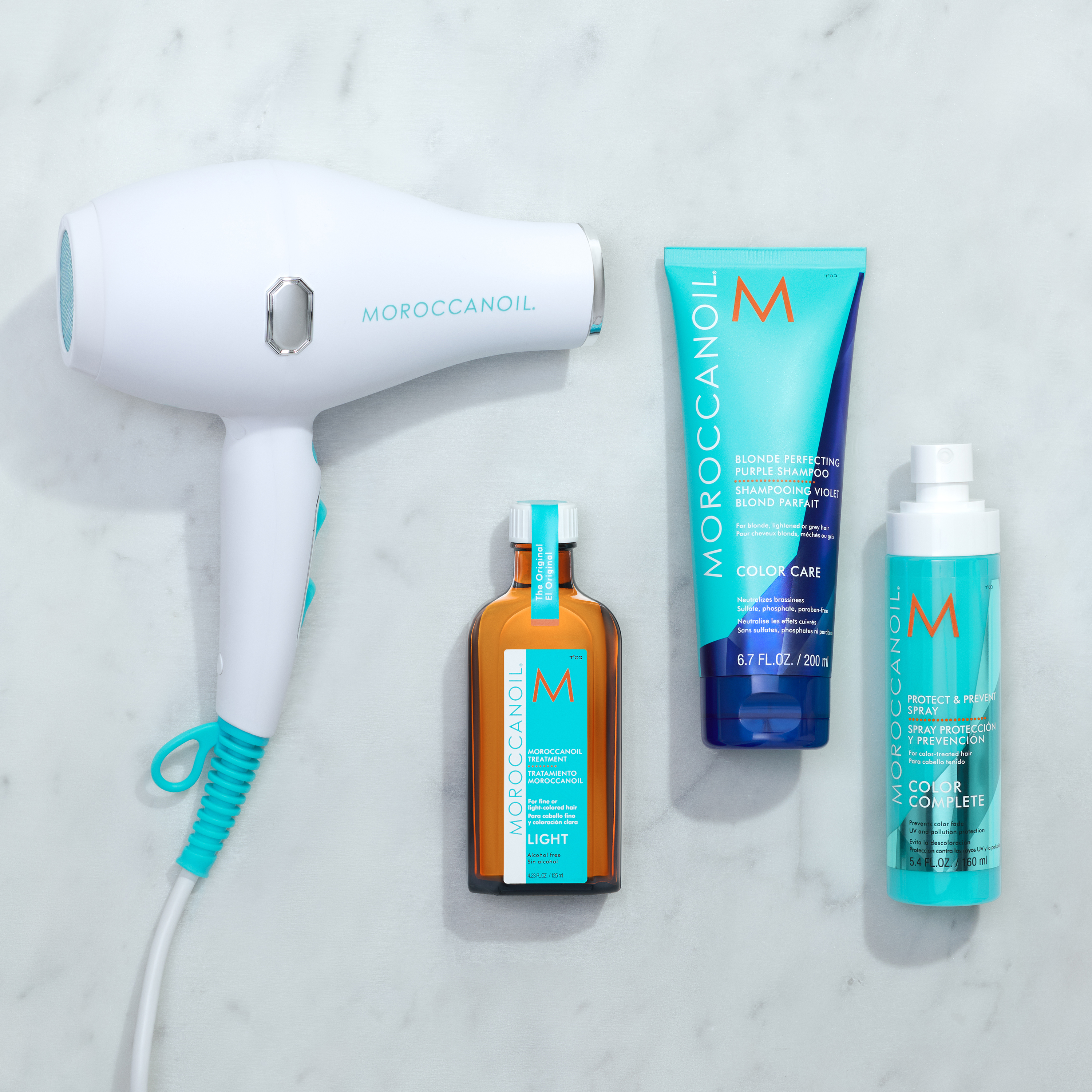
Start with towel-dried hair and a small amount
Remove excess water with a towel so your hair is damp rather than dripping. Put a small amount in your palm, warm it between your hands, and begin with the ends; the directions specify one to two pumps, but you can start below that if you are cautious about buildup. Once it is spread through the hair, either blow-dry or let your hair dry naturally.
Distribute the product through mid-lengths and ends
Work the product through the lengths with your fingers, giving the ends attention without coating the roots. A steady, even application is easier to judge than a concentrated dab in one spot. If you are preparing for a blow-dry, a Smoothing Lotion is described as a blow-dry lotion, while All In One Leave-in is described as a leave-in conditioner for pre-styling or refreshing second-day hair; choose layers thoughtfully rather than piling on several products automatically.
Layer it with other products without overloading your hair
If you use other leave-in or styling products, keep the order simple and change one thing at a time. A short routine makes it easier to tell which product is contributing to a heavy or smooth finish:
- Apply the oil treatment to clean, towel-dried lengths.
- Add another leave-in only if your hair needs that product’s separate purpose.
- Use styling products in the amount their package directions recommend.
- Check the finish once the hair is dry before adding anything else.
That measured approach is especially helpful when you are testing a new combination. The goal is not to layer every product at once, but to find the smallest routine that gives your hair the finish you want.
How to use the treatment on dry hair and during styling
A leave-in oil can also be used after hair has dried, when a few ends or flyaways need attention. The product directions describe dry-hair use for taming flyaways, conditioning split ends, and smoothing hair. Keep the application selective: dry hair can show excess product more quickly than damp hair does.
Smooth a small amount over dry ends for a polished finish
Rub a very small amount between your palms, then lightly smooth it over the ends or areas that look flyaway. Avoid pressing the whole amount into one section; a thin, even touch is easier to control. If your concern is specifically the appearance of split ends, Mending Infusion is described as a dry-hair finisher for that concern, so it may be worth comparing the product purpose before choosing.
Use it to refresh hair between washes
A little product can help tidy the lengths between wash days, but it is not a replacement for cleansing. If you are choosing a refresh product, note that dry shampoo has a different job: Dark Tones Dry Shampoo is described as removing buildup and odor, and Light Tones Dry Shampoo is described for light-toned hair. Use the oil only where you want a smoother finish, and keep dry shampoo for refreshing the roots as directed.
Avoid applying too much near the roots
The roots are usually the easiest place to overapply a leave-in oil, especially when you want to preserve volume. Focus the product on the mid-lengths and ends and use any residue on your hands lightly, rather than adding another full portion. For styling with more texture, Dry Texture Spray is described as a finishing or prep spray; it serves a different purpose from an oil treatment.
What to check when buying Moroccanoil Treatment
Before buying, check that the product name and formula match what you intended to choose. Sizes and availability may vary, and a listing should make it clear whether you are looking at Original or Light. Buying from a retailer that states how it sources products, then reading its current order terms, can make the final choice more straightforward.
Confirm the formula and size before ordering
Compare the label, formula name, and bottle size on the product page with what you meant to purchase. A travel size can be useful for trying a product, while a larger bottle may make sense if you already know it suits your routine. Check the product details each time rather than assuming that two similarly named listings refer to the same formula.
Look for an authorized retailer and genuine product details
A retailer’s sourcing and authenticity information can help you make an informed purchase. Boutique Deauville states that it is an authorized retailer for the brands it carries and sources products directly from brands. The wider range also includes options such as Dry Scalp Treatment, Body Dry Oil, and Shampoo and Conditioner; check each listing’s product details to confirm you have the right item.
Review shipping, samples, and free-gift terms before checkout
Order terms are worth a quick look before you pay, since shipping thresholds, delivery estimates, and promotions can change. The retailer states that orders include free samples and that customers can choose a free gift in the cart when an order is over $75. Its shipping information also lists free-shipping thresholds that differ between Canada and the U.S.; check the current checkout details for your location. To browse the wider range, explore the haircare collection.
Conclusion
Choosing a hair oil is mostly about matching the formula to your hair and using only as much as you need. Start on clean, towel-dried lengths, try a small amount on dry ends when useful, and let the finish guide your next application.
Frequently Asked Questions
Should hair oil go on wet or dry hair?
It can be used on clean, towel-dried hair or sparingly on dry lengths, depending on the product directions and the finish you want.
Where should hair oil be applied?
Mid-lengths and ends are practical places to start, especially if you want to avoid a heavy-looking root area.
How much hair oil should I use?
Begin with a small amount and add more only if needed. Hair length, thickness, and dryness can all affect the amount that feels right.
Can fine hair use a hair oil?
Yes, but a light hand is helpful. Apply a small amount to the ends first and see how the hair looks once it is dry.
Can hair oil be used on color-treated hair?
It may fit into a color-treated hair routine, but choose the formula with your texture in mind and follow its product directions.
Should hair oil replace conditioner?
No. A leave-in oil and a rinse-out conditioner have different roles, so use each according to its directions and your routine.
Can I use hair oil between wash days?
A small amount on dry ends may help smooth the appearance of flyaways. Use a separate cleansing or refresh product when the roots need attention.






Laissez un commentaire