

Moroccanoil Curl Defining Cream: How to use it for soft, defined curls
Key Takeaways
Soft, defined curls usually come from matching the product amount and drying method to your hair, rather than using more of everything.
- Apply the cream to towel-dried, damp hair so it can spread evenly.
- Start with a small amount and add more only where curls need it.
- Rake, scrunch, and shape instead of roughing up the curl pattern.
- Use diffusing for more bounce and air-drying for a more relaxed result.
- Clarify occasionally if your hair begins to feel coated or heavy.
What Moroccanoil Curl Defining Cream does
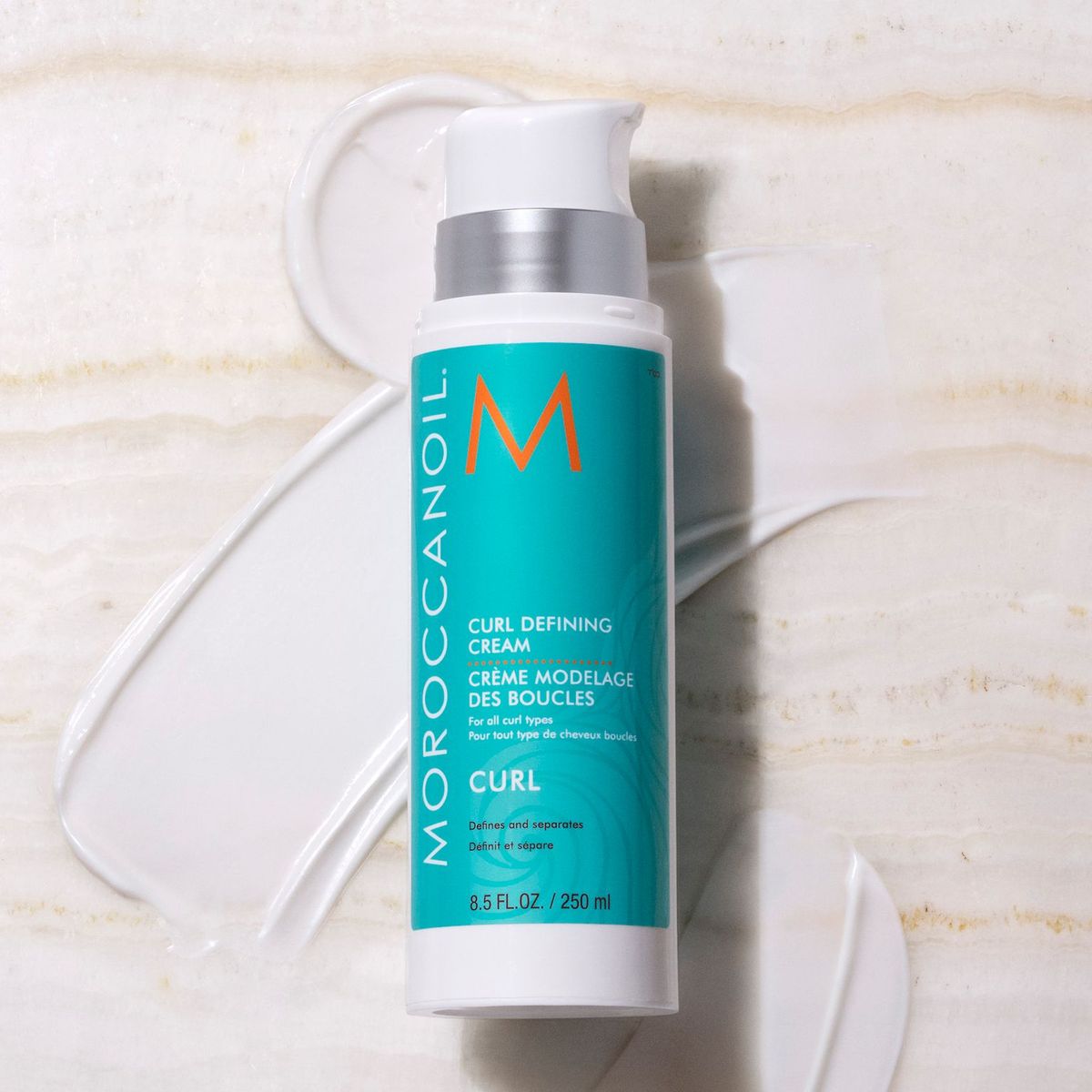
Moroccanoil Curl Defining Cream is designed for wavy to curly hair and is used to enhance natural texture. The formula conditions while helping separate and define curls, combat frizz, and leave hair with a soft hold. It is best understood as a styling cream that works with the curl pattern, not as a product that creates a new pattern. The phrase soft definition matters here: the finished look should still move and feel touchable.
How the cream supports curl definition
Applied to damp hair, the cream helps strands group together as they dry. The brand describes it as an argan oil-infused curl definer with heat-activated technology, and its directions recommend diffusing to activate and define curls. That makes technique part of the result. Even distribution matters more than coating every strand heavily, especially when the goal is natural-looking bounce.
The role of argan oil and conditioning ingredients
Argan oil and conditioning ingredients help the hair feel smoother and more manageable while the styling components support separation and soft hold. The listed formula includes argan kernel oil, hydrolyzed vegetable protein, and conditioning agents. These ingredients do not remove the need to understand your own hair’s moisture needs, though. Hair that is already very soft or easily weighed down may need less cream and a lighter wash-day foundation.
How it differs from gels, mousses, and leave-in conditioners
A cream generally gives a softer, more conditioned finish than a firm-hold styler, while a leave-in conditioner is primarily intended to moisturize, detangle, or refresh. A mousse can feel lighter and may provide more lift, whereas a cream is useful when definition and softness need to happen together. For comparison, Moroccanoil Curl Control Mousse is described as a lightweight option for curly, coily, and tightly spiraled hair, while Moroccanoil Intense Curl Cream is described as a leave-in conditioner for moisturizing and defining curls and waves. Choose by the result you want, not simply by the word “curl” on the label.
Who should use Moroccanoil Curl Defining Cream
This cream is aimed at wavy to curly hair, so it makes the most sense when your hair already bends, waves, or curls naturally. The best amount depends on porosity, density, strand thickness, and how much hold you like. Two people with the same curl pattern may need very different routines. A small trial section is often more useful than guessing from someone else’s styling video.
Matching the formula to wavy, curly, and coily hair
Wavy and curly textures are the clearest match for this formula according to the product description. Looser waves may need a very small amount to avoid flattening, while fuller curls can often tolerate more careful distribution. Tightly coiled hair may call for a routine built around richer conditioning or a product specifically described for tightly spiraled curls, rather than assuming every curl cream will behave the same way.
Choosing it for fine, medium, or thick hair
Fine hair usually benefits from applying the cream below the roots and beginning with less than you think you need. Medium hair often gives you more flexibility, while thick or dense hair may need the product divided across several sections for even coverage. If you also want lift, Moroccanoil Volumizing Mousse is described as a weightless option for medium to fine hair, so it may be considered when body is a priority.
When to avoid adding too much moisture or weight
Use caution when hair looks limp, takes a long time to dry, or feels coated after styling. Too much cream can make waves lose their shape even when the product itself is suitable. A lighter conditioner, less cream, or more thorough rinsing may solve the issue. If dryness is the main concern, Moroccanoil Hydrating Styling Cream is described as a leave-in formula that conditions, smooths flyaways, and refreshes styles with a soft feel; it should be treated as an additional option, not automatically layered with this cream.
How to apply Moroccanoil Curl Defining Cream
Begin with clean, conditioned hair and treat the application as a shaping step. The product directions call for one to two pumps on towel-dried hair, followed by distribution through the hair and diffusing; natural drying gives a more relaxed curl. Your own density may require adjustment, but adding product gradually is safer than trying to correct an overloaded head of hair. Work calmly, because repeated brushing or touching can disturb the pattern.
Preparing freshly washed hair
After shampooing and conditioning, gently squeeze out excess water with a towel or soft cotton shirt. Hair should be damp rather than dripping, since too much water can dilute the product and too little can make it difficult to distribute. Detangle while the conditioner is still present or immediately afterward, using a method that does not pull the curl pattern apart. For a curl-focused wash, Moroccanoil Curl Enhancing Shampoo and Moroccanoil Curl Enhancing Conditioner are described as products that cleanse, nourish, detangle, and support soft, bouncy curls.
Determining the right amount for your hair type
Start with one pump, emulsify it between your palms, and apply it to the lower lengths and ends. Add a little more only if sections still feel dry or fail to clump. This guide is a useful starting point rather than a rule:
| Hair situation | Starting approach | What to watch for |
|---|---|---|
| Fine or loose waves | A small amount on the ends | Loss of lift or stretched waves |
| Medium-density curls | One pump, divided by sections | Uneven clumps or dry patches |
| Thick or dense curls | Several small applications | Coated roots or slow drying |
After the first pass, pause and look at the hair before adding more. The cream should help the curls gather without leaving a heavy film or making the roots look oily.
Raking, scrunching, and shaping the curls
Use your fingers to rake the cream through the lengths, then scrunch upward toward the scalp. Raking encourages separation and even coverage; scrunching encourages the natural bend to return. You can shape a few uneven sections with your fingers, but avoid continually handling the hair as it dries. This is also a good moment to watch a curl styling demonstration if you prefer seeing the hand movements before trying them.
Air-drying versus diffusing for different results
Air-drying generally creates a softer, more relaxed finish with less active manipulation. Diffusing can encourage more bounce and is the method named in the product directions for activating and defining curls. Use low or moderate airflow, keep the diffuser moving, and stop touching the hair once the shape is set. A video can make the difference between hovering the diffuser and pressing it into sections easier to understand.
How to build a curl routine around the cream
The cream works best as one step in a routine rather than as a substitute for every hair need. Start with cleansing and conditioning that leave the hair comfortable, then decide whether you need extra moisture, more hold, or neither. Product order matters, but restraint matters just as much. A routine that leaves curls clean and flexible is easier to adjust than one built from several heavy layers.
Selecting a shampoo and conditioner
Choose cleansing and conditioning based on how your hair feels between wash days. Dry or damaged strands may appreciate a more nourishing base, while fine hair may need a lighter approach. Moroccanoil Hydrating Shampoo is described as a sulfate-free, paraben-free cleanser for all hair types, and Moroccanoil Hydrating Conditioner is described as a daily conditioner for normal to dry hair. If repair is the concern, Moroccanoil Moisture Repair Shampoo is described as a color-safe, hydrating cleanser for dry strands.
A simple wash-day sequence is usually enough:
- Cleanse the scalp and rinse thoroughly.
- Condition the lengths and detangle gently.
- Rinse according to how much moisture your hair needs.
- Apply the curl cream to damp hair in sections.
This sequence keeps the styling cream focused on definition instead of asking it to compensate for a poorly rinsed or overly dry wash.
Layering the cream with a leave-in or styling gel
Layer only when the first product does not provide the finish you want. A small amount of leave-in can help if the hair needs extra slip, while a compatible gel can add hold when curls fall apart quickly. Apply the lightest product first, give it a moment to spread, and then use the cream or hold product sparingly. If the hair starts to feel sticky, stop layering and test the products separately on another wash day.
Refreshing curls between wash days
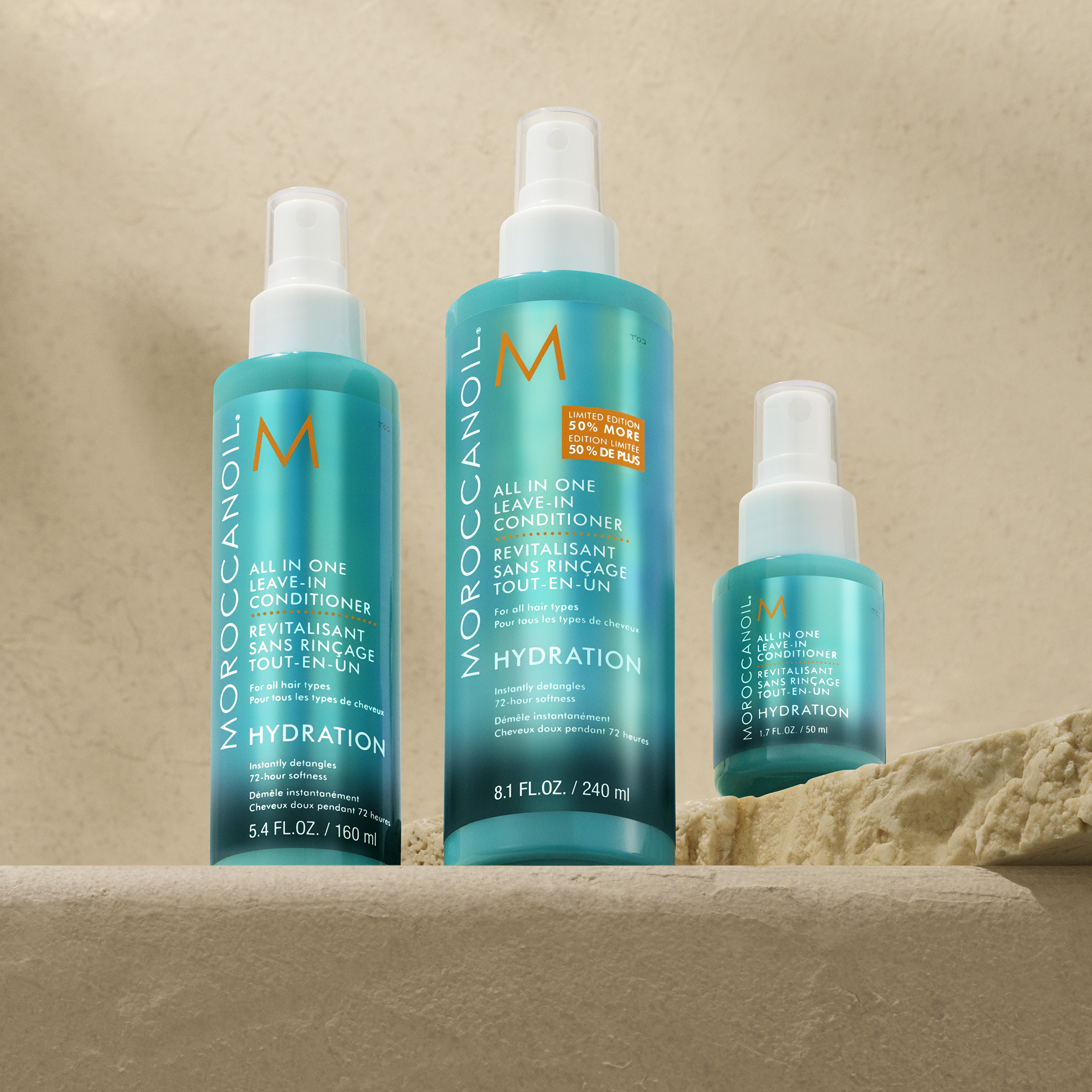
On a refresh day, dampen the areas that have lost shape rather than soaking the whole head. Smooth a tiny amount of cream over frizzy or flattened sections, then scrunch and allow them to dry. Moroccanoil All In One Leave-in Conditioner is described as suitable for refreshing second-day hair, so it may be useful when moisture and softness are needed without repeating the full wash routine. Keep the amount especially modest near the roots.
Preventing buildup with occasional clarifying
Buildup can show up as dullness, reduced movement, or hair that feels coated even after washing. Occasional clarifying can reset the routine, but it should not become so frequent that the hair feels stripped. Moroccanoil Clarifying Shampoo is described as removing mineral, product, and environmental buildup while restoring a weightless finish. After clarifying, return to a comfortable conditioner and use less styling product until you understand how your hair responds.
How to troubleshoot common styling results
Most styling problems are caused by an imbalance between water, product, drying, and hold. Frizz may come from disturbed curls or insufficient moisture, while limpness often points to too much product or a heavy base. Change one variable at a time so you can tell what helped. Keep notes for a few wash days if your hair’s response is inconsistent.
Fixing frizz, crunchiness, or undefined curls
For frizz, try applying the cream to wetter hair and disturbing it less while it dries. Crunchiness usually means the routine contains a product with more hold than you prefer, or that too much product has dried on the surface. Undefined curls may need more careful sectioning, stronger scrunching, or a better rinse. Smooth a small amount over the finished hair only after it is fully dry, rather than repeatedly adding wet product during the drying stage.
Adjusting the amount for limp or weighed-down hair
Reduce the amount first, then reconsider the conditioner and any leave-in layers. Keep the cream away from the roots and use it mainly where the hair bends or feels dry. Fine hair can also benefit from a lighter cleansing routine; Moroccanoil Extra Volume Shampoo is described as a sulfate-free cleanser intended to provide lift and movement without weighing hair down. The goal is not maximum product coverage but enough support for the pattern to stay visible.
Improving hold and longevity throughout the day
If curls look good in the morning but loosen quickly, let them dry completely before separating or arranging them. Diffusing may provide more bounce, and a compatible styling gel can offer additional hold when needed. Humidity, friction from clothing, and frequent touching can all shorten the life of a style. For a different finishing approach, Moroccanoil Dry Texture Spray is described as providing hold and textured volume, though it should be introduced carefully because texture products can change the feel of soft curls.
Managing product compatibility and pilling
Pilling often happens when layers do not combine well or when too much of each product is applied. Test a small amount of the products together in your palm before applying them to your whole head. If they form little balls or feel gummy, simplify the routine and wait until one layer has spread before adding another. A cream used on its own is often the clearest way to establish a baseline.
How to shop for and store the product
Shopping carefully is part of getting a predictable styling result. Check the product name, size, packaging, and ingredient information rather than relying only on a marketplace photograph. Formulas and packaging can change, and a product that has been stored poorly may not feel as expected. Buying through an authorized source also reduces the risk of counterfeit or expired cosmetics.
Checking the size, packaging, and ingredient information
Look for the available size that fits your routine and travel needs, then read the ingredient list if you have known sensitivities. The product page lists full and travel sizes, and the formula includes argan kernel oil alongside conditioning and styling ingredients. If you have concerns about fragrance or a particular ingredient, compare the current package information before purchasing rather than relying on an old review.
Buying authentic Moroccanoil products from an authorized retailer
An authorized retailer is a sensible choice when authenticity and freshness matter. Boutique Deauville states that it sources directly from brands, carries genuine products, and receives regular shipments for fresh inventory. You can find Moroccanoil Curl Defining Cream there and check the current availability and size options before ordering. The product page is also the best place to confirm shipping and retailer details at the time of purchase.
Storing the cream to preserve its texture and performance
Keep the container closed between uses and store it in a cool, dry place away from direct sunlight and excess heat. Avoid leaving it beside a steamy shower or in a hot car, where temperature changes can affect texture. Use clean, dry hands or the pump as intended, and wipe away residue around the opening. If the smell, color, or consistency changes noticeably, stop using it and check the package guidance.
Comparing value based on usage and hair length
Price alone does not show how economical a curl cream will be. A short-haired or fine-haired customer may use very little per wash, while dense or long hair may require several small applications. Compare the number of pumps you typically use, how often you style, and whether the product replaces another step. Travel size can be a practical way to test compatibility before committing to a larger container.
Conclusion
Moroccanoil Curl Defining Cream is easiest to use successfully when you begin with damp, conditioned hair, apply a measured amount, shape the curls gently, and choose air-drying or diffusing according to the finish you want. Keep the rest of the routine simple while you learn what your hair needs, then shop from an authorized retailer when you are ready to make the product part of your wash-day rhythm.
Frequently Asked Questions
Should curl cream be applied to wet or damp hair?
Damp, towel-dried hair is usually the most practical starting point because it gives the product enough moisture to spread while avoiding excessive dilution. Very dry or porous hair may prefer slightly wetter application.
How much curl cream should you use?
Start with a small amount, distribute it through the lengths, and add more only to sections that need it. Fine or loose hair generally needs less, while dense hair may need several small applications.
Can curl cream make hair greasy or flat?
It can if too much is used, especially near the roots or over a heavy conditioner. Keep the product on the lengths and reduce the amount if the hair loses volume or takes unusually long to dry.
Is curl cream enough for strong hold?
Some curl creams provide soft hold rather than firm, long-lasting control. If your curls lose shape quickly, a compatible hold product may be needed, applied sparingly after the cream.
Should you scrunch after applying curl cream?
Yes, scrunching can encourage the natural curl pattern to regroup after the product has been raked through. Use gentle upward movements and avoid excessive handling while the hair dries.
Is air-drying or diffusing better for curls?
Neither is universally better. Air-drying can give a more relaxed result, while diffusing can encourage bounce and speed drying when used with moderate airflow.
How often should curly hair be clarified?
Clarify when the hair feels coated, dull, or less responsive to styling rather than following a rigid schedule. Follow with conditioning, and reduce product layers if buildup returns quickly.






Laissez un commentaire