

Kerastase review: Is Kérastase hair care worth the price?
Key Takeaways
A premium hair-care routine is most useful when it addresses a clear concern, fits your texture, and works with your habits. A product’s price alone can’t tell you whether it will be a good match.
- Start with the hair or scalp concern you want to address.
- Choose individual products by their stated purpose, not by a range name alone.
- Check directions and ingredients before adding a product to your routine.
- Compare cost per use and consider starting with one targeted item.
- Buy from an authorized retailer when authenticity and freshness matter to you.
What to know about Kérastase
A useful Kérastase review should distinguish between a brand’s broad image and what a specific product says it is designed to do. The available product descriptions cover concerns ranging from dryness and breakage to scalp discomfort and frizz. That makes it possible to shop by need, but it does not mean every item will suit every head of hair. Start with the label, then weigh its claims against your own routine and budget.
The brand’s salon-focused approach
Salon language can suggest a more tailored way to think about hair care: identify what is bothering you, then choose a product for that concern. In practice, a polished routine need not be complicated or built from a full matching set. A single treatment may be a more sensible first test than replacing everything at once. Read each product description as a guide to its stated use, not as a promise of a particular result for everyone.
How its product ranges are organized
Range names can help narrow a crowded shelf, but the product’s own description is the more useful guide when choosing an item. For example, the Chronologiste Ultimate Luxury Care set is described as including a purifying shampoo, renewing hair masque, and leave-in serum, with a focus on cleansing, nourishing, and revitalizing the scalp and hair. That is a specific product description, not evidence that every product in a named range does the same things. Look at the individual format and purpose before deciding whether a range is relevant to you.
What sets its formulas apart
The product information provided emphasizes different formats and uses, from rinse-off masks to leave-in treatments and scalp ampoules. That variety gives shoppers options for building around a particular step in a routine, rather than treating shampoo as the only point of entry. Still, ingredients and directions vary by item, so broad impressions about a brand cannot substitute for checking the product you plan to use. Specific product directions matter more than assumptions based on packaging or range names.
What to keep in mind when evaluating brand claims
Words such as “repair,” “strengthen,” and “revitalize” describe intended benefits, not a guarantee that every person will see the same change. Hair condition, styling habits, and how much product you use can all shape your experience. It helps to note what you want to change before trying something new, then assess whether the product’s stated purpose matches that goal. A careful comparison is more useful than expecting any one item to solve several unrelated concerns.
How Kérastase products perform
Performance depends on the job a product is meant to do and how it fits into your routine. The product descriptions provide useful distinctions among cleansing, conditioning, strengthening, and styling support, but they do not establish one universal result for all hair. Consider the format, directions, and your own needs together. The examples below illustrate how to read those descriptions without treating them as guarantees.
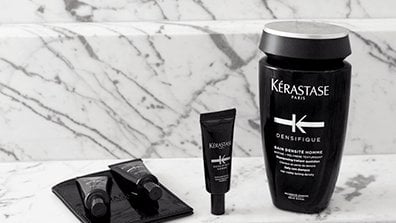
Cleansing and scalp-care results
A shampoo and a scalp treatment are not interchangeable: one is part of cleansing, while another may be intended for a more specific scalp concern. Cure Apaisante Intense is described as a four-week ampoule treatment that helps calm itchiness, irritation, and sensitivity while supporting the scalp’s natural defenses. Initialiste Scalp & Hair Serum is described as a lightweight leave-in treatment that purifies and balances the scalp, soothes irritation, and supports healthy hair growth. For a different concern, Cure Antipelliculaire is described as a four-week anti-dandruff treatment that helps reduce flakes, itching, and irritation. These distinct descriptions are a reminder to identify the concern first, rather than treating every scalp product as a general cleanser.
Moisture and softness from conditioning products
Conditioners, masks, and leave-in products offer different ways to add a treatment step, and the right format depends partly on how much time you want to spend. The Nutri-Supplement Split-Ends Serum is described as a leave-in treatment for dry hair that helps seal and hydrate dry ends and reinforce hair. For curls, Huile Sublime Repair is described as a multipurpose oil for curly and coily hair that nourishes and strengthens strands, reduces frizz and breakage, and enhances curl definition, softness, and shine. Masque Curl Idéal is described as a hydrating mask for curly and wavy hair, while Maskératine Hair Mask is described for thick, unruly hair prone to frizz. Check the directions and intended hair type; a richer format may not feel the same on every texture.
Strengthening and repair for damaged hair
When hair feels fragile or has been over-processed, it can be useful to compare treatment formats rather than layering several products that make similar claims. Sérum Thérapiste is described as a leave-in serum that helps strengthen fragile strands, smooth lengths and ends, and provide heat protection. Masque Thérapiste is described as a restorative mask that helps reduce breakage and split ends while smoothing and softening hair and restoring shine. Soin Premium Therapiste is described as helping restore resilience, smooth split ends, boost shine, and protect hair from further damage. For an overnight option, Serum Cicanuit is described as nourishing and strengthening damaged, weakened, or brittle hair while helping restore shine and reduce breakage. Each has a different format and use, so the directions can help you avoid adding overlapping steps without a clear reason.
Smoothing, shine, and frizz control
Styling support is another consideration, especially if heat tools are part of your routine. Thermique Régénérant is described as a heat-protectant treatment to apply to towel-dried hair before styling, intended to help shield hair from styling heat and leave it soft, smooth, and shiny. Kératine Thermique Heat Protector is described as a leave-in treatment for all hair types that helps smooth and soften hair and prevent breakage and split ends. If you are comparing items, look at when each is applied and what it is meant to protect or improve; a heat-protectant step should fit the way you style rather than simply add another product to the shelf.
A short video can offer another way to think through product formats and routine choices, though it should not replace checking an item’s own directions.
Which Kérastase range suits your hair
The range names in this review provide starting points for common concerns, while individual product descriptions help clarify what a particular item is intended to do. A match is not automatic: hair texture, styling frequency, and scalp needs all affect what feels comfortable in a routine. Treat the categories below as prompts for narrowing your search, not as a diagnosis or a promise of results. If two concerns overlap, prioritize the one you most want to address first.
Nutritive for dry hair
Dryness can show up as rough-feeling lengths or ends that need a little more attention, but not every person with dry hair needs a full routine of treatments. The range name offers a starting point for exploring products framed around dryness. For a specific leave-in option, the Nutri-Supplement Split-Ends Serum is described as helping seal and hydrate dry ends. Its stated use is narrower than an all-over routine, which may be appealing if your main concern is concentrated at the tips.
Résistance for weakened or damaged hair
If hair feels weakened or has been over-processed, look at the product format and its stated role before choosing a matching set. The range name may help you find products presented for that concern, but the descriptions of individual items are more precise. A mask, serum, and rinse-off conditioner involve different steps, and their directions will affect how easily each fits your routine. Start with one product that addresses your main concern and see how it works for you before adding more.
Genesis for hair prone to breakage
Breakage can be affected by handling, styling, and the condition of the hair, so a range label alone cannot explain its cause. If that is your concern, check for a product description that directly addresses breakage and read its directions carefully. Use a gentle approach with detangling and styling as well; changing several habits at once can make it hard to tell what is helping. A focused routine is usually easier to evaluate than a stack of new products.
Discipline for frizz and unruly texture
For frizz or hair that feels difficult to manage, consider what happens during your usual styling routine. A product that is meant to smooth or hydrate may fit differently depending on texture and how you wear your hair. The names of ranges can help you browse, but they do not tell you how a specific formula will feel on your strands. Check whether the product’s stated use and application timing make sense for your day-to-day routine.
Other ranges for color-treated or scalp concerns
A concern such as scalp discomfort or dandruff calls for a different kind of product description than one focused on lengths. Bain Nutri Fortifiant Shampoo is described as a fortifying shampoo for fragile, weakened hair that helps reduce breakage and hydrate hair. Fondant Renforcateur is described as a strengthening conditioner for weak, damaged hair prone to breakage and split ends. Bain Hydra Fortifiant Shampoo is described as a gentle cleanser for weakened, brittle hair that helps reduce breakage and split ends while restoring softness and shine. These descriptions illustrate why the item’s stated purpose matters more than choosing by range name alone.
Who may benefit most from Kérastase
Kérastase may be worth exploring if you have a clear concern and want to compare products that describe a specific purpose. That does not mean the brand or any one item is the right choice for every routine. Hair texture, preferred styling habits, and willingness to add steps all matter. The most practical question is whether a product solves a problem you actually notice often enough to justify the cost and effort.

People with specific hair-care concerns
A focused concern can make shopping more straightforward, since it gives you something concrete to compare against product descriptions. Someone looking for a shampoo for fine, flat hair might consider Bain Volumifique Shampoo, which is described as gently cleansing without weighing hair down and adding body, lift, and fullness. Someone focused on breakage could look at Serum Extentioniste, described as a strengthening leave-in serum that helps reduce breakage and support healthy-looking hair growth. Those are different needs, and the product descriptions make the distinction clearer than a general promise of “better hair.”
Different hair textures and routines
A routine should fit the way you wash and style your hair, not just the concern you hope to address. Bain Extentioniste Shampoo is described as a daily fortifying shampoo that gently cleanses and helps strengthen damaged lengths, seal split ends, and reduce breakage. For someone who prefers a daily wash, that format may be easier to consider than a treatment used at another interval. Product descriptions also specify when an item is suitable across textures, so check those details rather than assuming that a format works the same way for everyone.
When a targeted product may be enough
A single product can be a reasonable starting point if one concern stands out and the rest of your routine is already working. Choose an item whose stated use matches that concern, follow the directions, and give yourself time to assess whether it earns a regular place in your routine. Adding several products at once can make it harder to identify which one you like or whether any change came from the new routine. A small, deliberate trial is easier to evaluate.
When another brand or routine may be a better fit
A product may not be a good fit if its texture, directions, or cost do not work for your habits, even when its purpose sounds relevant. Some people prefer a simpler routine, while others need to avoid particular ingredients or fragrances. If the product’s label does not address your main concern, it may be worth reconsidering rather than hoping it will cover a neighboring issue. The best routine is one you can use consistently and comfortably.
Price, value, and shopping considerations
Premium pricing makes it worth thinking about more than the bottle price. Consider how often you will use the product, how much you need per use, and whether it replaces or adds to an existing step. Kérastase product sizes and formats vary, so compare the specific items you are considering rather than assuming all products offer equal value. Shop with the directions and your likely routine in mind.
How to assess cost per use
Cost per use is a practical way to compare products that differ in size or price. Before buying, estimate how often you will apply the product and how long a container might last; the exact answer will depend on your hair and how much you use. A short checklist helps keep the calculation grounded:
- Note the product’s size and price.
- Estimate how many uses you expect from it.
- Consider whether it replaces a product you already buy.
- Include any extra steps it would add to your routine.
These are estimates, not a promise of how long a bottle will last. If you are unsure, beginning with a single product can be a more measured way to decide whether the cost makes sense for you.
Choosing between salon sizes and standard sizes
A larger bottle may be worthwhile if you already know you use that product regularly, but a bigger size is not automatically the better buy. A standard size can make more sense when you are trying a new texture or testing whether a product fits your routine. Compare the price per amount alongside how often you expect to use it, and consider whether you will finish it while it still suits your needs. The most economical option is the one you can use comfortably, not simply the largest one.
Checking ingredients and directions before buying
Read the ingredient list and directions before checkout, especially if your scalp is sensitive or you have known ingredient preferences. Directions can tell you whether a product is rinsed out, left in, or applied before styling, which can affect how it fits into your routine. A description of intended benefits is useful, but it cannot tell you exactly how your hair will respond. If you have a specific concern about ingredients, consult a qualified professional rather than relying on a broad product claim.
Why authorized retailers matter for authenticity and freshness
The retailer information provided says that authorized sellers source products directly from brands and receive regular shipments, and warns that counterfeit or expired cosmetics may be a risk with unauthorized sellers. That makes retailer status a reasonable thing to check when buying online. Kérastase products are available through the authorized retailer described in the shopping information, which states that its stock is sourced directly from brands. Confirm the seller and its policies before placing an order, particularly if the listing or price seems unusual.
Pros and cons of Kérastase
There is no single answer to whether a premium routine is worthwhile: the value depends on product fit, frequency of use, and what you expect it to do. The range-based approach can help organize choices around particular concerns, while the variety of formats lets shoppers consider different steps. At the same time, a detailed selection can feel like too much if you would rather keep your routine simple. Weigh the stated purpose of each item against its price and your own habits.
Potential benefits of a range-based routine
A concern-based structure can make it easier to start a search, particularly when you already know whether your priority is dryness, breakage, frizz, or a scalp issue. It also helps you compare different formats for similar needs. You do not have to purchase a complete range to make use of that structure; one item may be enough to test a particular step. The benefit is organization, not a guarantee that matching products will produce a particular result.
The appeal of salon-quality formulas
Some shoppers value a polished product experience and the ability to choose from shampoos, masks, serums, and other treatments. But terms such as “salon-quality” are not a substitute for checking what a formula is intended to do or how it should be used. Choose based on the product description, directions, and the way it fits your routine. What matters most is whether you find the product comfortable and useful over time.
Possible drawbacks, including price and product fit
The price may be hard to justify if a product addresses a minor concern or adds a step you will rarely use. A formula can also feel too rich, too light, or simply inconvenient, even if its stated purpose sounds right. Buying several items before testing any of them raises the cost and makes it harder to identify what works for you. A thoughtful starting point is often a better bet than an ambitious overhaul.
How to decide whether it is worth trying
Think about the concern you want to address, the product’s stated use, and the likely cost per use. Then ask whether the directions fit your routine and whether you would keep using the product if the improvement were modest rather than dramatic. A targeted purchase is most defensible when it solves a problem you notice regularly and fits your budget. If those conditions are not met, waiting or keeping your current routine may be the better choice.
Conclusion
Kérastase can be worth considering when a specific product’s stated purpose matches a concern you want to address and its price fits your routine, but no range name can guarantee the right fit. Compare directions and formats, start with a focused choice, and judge value by how well the product works for your own habits.
Explore the collection
If you have a specific product in mind, browse the collection and compare its description, size, and directions before choosing.
Frequently Asked Questions
How can I tell whether a hair product suits my needs?
Start with the concern you want to address, then check that the product description and directions match it. Consider your texture and routine as well.
Should I change my whole routine at once?
Usually, trying one product at a time makes it easier to notice whether you like its feel and whether it fits your habits. Changing everything together can make the results harder to assess.
How do I compare the value of different sizes?
Compare price per amount, but also consider how often you will use the product and whether you are confident you will finish it. A larger size is not always the more practical choice.
What should I check before using a new hair product?
Read the ingredients and directions, paying attention to whether the product is rinsed out, left in, or used before styling. Follow the label and consider any personal sensitivities.
Is a leave-in treatment the same as a hair mask?
No. They are different formats, and their directions and place in a routine can differ. Check the product label to see how and when to apply each one.
Can one product address more than one hair concern?
Some product descriptions list multiple intended benefits, but that does not guarantee one item will address every concern for every person. Prioritize your main need and evaluate the product on that basis.
Why does my hair respond differently from someone else’s?
Hair texture, condition, styling habits, and product use can all vary. Another person’s experience can be interesting, but your own response is the best guide to whether a product belongs in your routine.







Laissez un commentaire