

Moroccanoil heat protectant: How to choose and use the right formula for healthy styling
Key Takeaways
Healthy heat styling starts with choosing a formula that suits your hair and using it consistently, rather than relying on a generous final spritz.
- Match the product texture to your hair’s thickness and styling needs.
- Apply protection evenly, with special attention to the mid-lengths and ends.
- Use the lowest effective temperature and avoid repeated passes.
- Combine heat protection with conditioning and repair care.
- Buy fresh, authentic products from an authorized retailer.
Understanding how Moroccanoil heat protectant works
Heat protectant is one part of a careful styling routine. It helps reduce the stress created by blow-dryers, flat irons, and curling tools, but it cannot make unlimited heat harmless. The best results come from pairing an appropriate formula with sensible temperatures, controlled technique, and regular conditioning.
What heat styling can do to hair
Repeated exposure to high heat can leave hair feeling rough, dry, brittle, or less flexible. Water inside the strand turns to steam as hair heats, while the cuticle can become more raised and uneven. Over time, that combination may contribute to frizz, split ends, faded color, and breakage, especially when hair is already porous or chemically treated.
The risk is not determined by temperature alone. Dampness, long contact with a hot surface, several passes over one section, and pulling too firmly can all add stress. Hair that looks shiny after styling may still need gentler handling underneath.
How heat protectants help reduce damage
A heat protectant typically creates a more even coating over the hair, helping reduce direct contact between the fiber and a hot tool. Some formulas also contain conditioning or film-forming ingredients that improve slip, so the tool can move through the hair with less tugging. That does not remove the need for careful technique, but it can make the process more controlled.
For example, Perfect Defense is described as a weightless, dry aerosol spray that protects against heat styling up to 450°F/230°C, works on damp or dry hair, and is intended for all hair types and hot tools. Those are useful product-label details to compare when choosing a moroccanoil heat protectant, rather than assuming every spray offers the same scope.
The role of moisture, oils, and conditioning ingredients
Moisture helps hair feel more supple and easier to detangle, while oils and conditioning agents can improve softness, shine, and manageability. In the Perfect Defense formula, the available product information identifies argan oil and panthenol among the ingredients, with argan oil described as hydrating and nurturing and panthenol as a form of vitamin B5 that hydrates and imparts a glossy finish.
These benefits are most noticeable when the product is distributed evenly and used in the right amount. A protective product should support the hair’s feel and movement, not leave a heavy layer that makes the finished style limp.
What heat protectant can and cannot prevent
Heat protectant can help reduce the damaging effects associated with hot styling when used as directed. It cannot repair existing split ends, reverse severe breakage, or compensate for a tool that is too hot. Nor does it replace drying the hair appropriately before using a flat iron or curling iron.
A practical rule is to treat protection as a risk-reduction step. If the hair begins to feel unusually rough, snaps during brushing, or develops persistent split ends, reduce heat exposure and consider professional advice.
Choosing the right Moroccanoil heat protectant
The right choice depends on how you style, how much hair you have, and what finish you want. A fine-haired person may need a light mist, while dense or coarse hair may welcome a more conditioning preparation product. Read the directions closely, since application instructions and heat claims belong to individual formulas.
Comparing sprays, creams, and primers
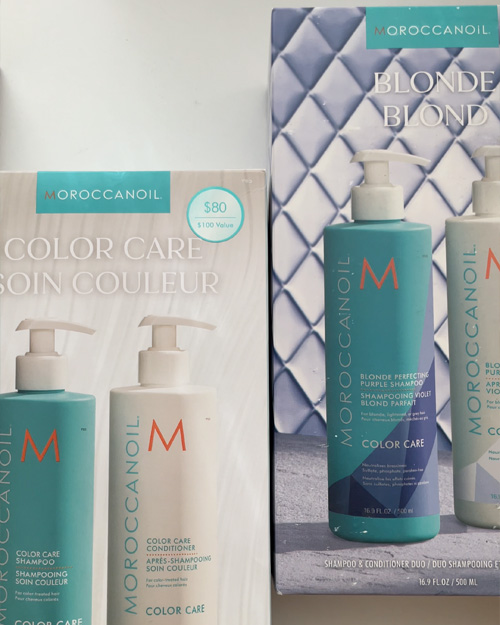
Sprays are convenient for broad, even coverage and can be especially useful before blow-drying or for a quick dry-hair refresh. Creams and lotions usually provide more slip and control, which can help with detangling or smoothing. A primer may be useful when you want to organize the hair before adding a finishing product.
The distinction is not simply cosmetic. Consider whether your main need is coverage, moisture, frizz control, hold, or easier sectioning. A product such as Smoothing Lotion is described as a lightweight, all-in-one blow-dry lotion with medium hold and definition, while Hydrating Styling Cream is described as a leave-in formula that conditions, tames flyaways, adds shine, and offers soft hold.
Selecting a formula for fine, thick, or coarse hair
Fine hair can become flat when several rich products overlap, so start with a light application and keep heavier textures away from the roots. Thick hair often benefits from dividing the head into sections so the protectant reaches the interior layers. Coarse or very dry hair may feel better with a conditioning formula, provided the finish remains clean rather than oily.
Use the first styling session as a test. If the hair loses volume, reduce the amount; if the tool catches or the ends still feel parched, improve distribution before simply adding more product.
Finding the right option for straight, wavy, and curly textures
Straight hair often shows unevenness quickly, so a smooth, light coating can help with glide and polish. Wavy hair may need enough moisture to prevent puffiness without flattening its natural pattern. Curly, coily, and tightly spiraled hair generally benefits from careful sectioning and a routine that protects moisture as well as shape.
For curl-focused styling, Curl Control Mousse is described as a lightweight mousse that provides long-lasting hold, seals in moisture, and helps prevent frizz without a crunchy or sticky residue. It is a styling aid, so it should be considered alongside—not automatically substituted for—a dedicated heat protectant.
Considering colour-treated, dry, or damaged hair
Color-treated hair usually needs gentle cleansing and conditioning, while dry or damaged hair benefits from reducing both heat intensity and styling frequency. A color-safe cleansing routine can support the condition of the strands between styling sessions. Moisture Repair Shampoo is described as color-safe and deeply hydrating, with argan oil, keratin, and vitamins to help repair breakage, restore elasticity, and reduce frizz.
For blonde or gray hair prone to brassiness, Purple Oil Treatment is described as a lightweight, alcohol-free treatment that neutralizes brassy and orange tones while moisturizing, strengthening, and enhancing shine. Use such products for their stated purpose, and keep the heat routine itself conservative.
How to apply Moroccanoil heat protectant correctly
Application technique matters almost as much as the formula. The goal is a thin, consistent layer over the areas that will meet heat, without saturating one section and missing another. Start with clean hands, workable sections, and enough time to let damp hair dry before using a direct-heat tool.
When to apply it to damp or dry hair
Some heat protectants are made for both damp and dry hair, but the method can differ. Perfect Defense directions call for misting generously and evenly from six inches away onto damp hair, combing through, and then blow-drying; the same product information also describes use on dry hair for second-day touch-ups. Always follow the label of the specific formula in your hands.
On damp hair, apply before other styling products when the directions recommend that order. On dry hair, use a light, even refresh and allow any moisture from the spray to settle before placing a hot tool on the section.
How much product to use for different hair lengths
Short hair generally needs less product because there is less surface area, while long, thick hair needs more coverage rather than one concentrated dose. Begin conservatively, then add a little to any dry-feeling or missed section. The hair should feel lightly conditioned, not wet with product.
A useful starting approach is to work in small sections and assess the strand as you go. This avoids the common cycle of applying too much at the beginning and then trying to compensate with extra heat to remove the heaviness.
Distributing the product evenly from roots to ends
Mist or smooth the product through sections, concentrating on the mid-lengths and ends where dryness and repeated tool contact are often most noticeable. Use a comb or brush to spread the formula, then check the underside of each section before moving on. Keep root application restrained unless the product directions specifically call for it.
Even distribution also improves the final appearance. When each section has a similar amount of product, the style is less likely to look patchy, sticky, or unexpectedly flat.
Avoiding common application mistakes
Several small habits can undermine an otherwise good routine: spraying too close, applying so much that the hair stays damp, skipping the back layers, or using a flat iron before the protectant has dried. Another mistake is assuming one application covers every later round of heat. Touch-ups may require renewed protection, especially when the hair has been brushed or restyled.
Keep aerosol products away from flames, sparks, and excessive heat, and follow the container’s safety directions. A careful application is safer and usually produces a lighter, more natural finish.
Using heat protectant with styling tools
Different tools create different kinds of exposure. A blow-dryer moves hot air around the hair, while a flat iron or curling iron presses a very hot surface directly against it. Preparation, section size, tool temperature, and the number of passes should all change according to the tool and the hair’s condition.
Preparing hair before blow-drying
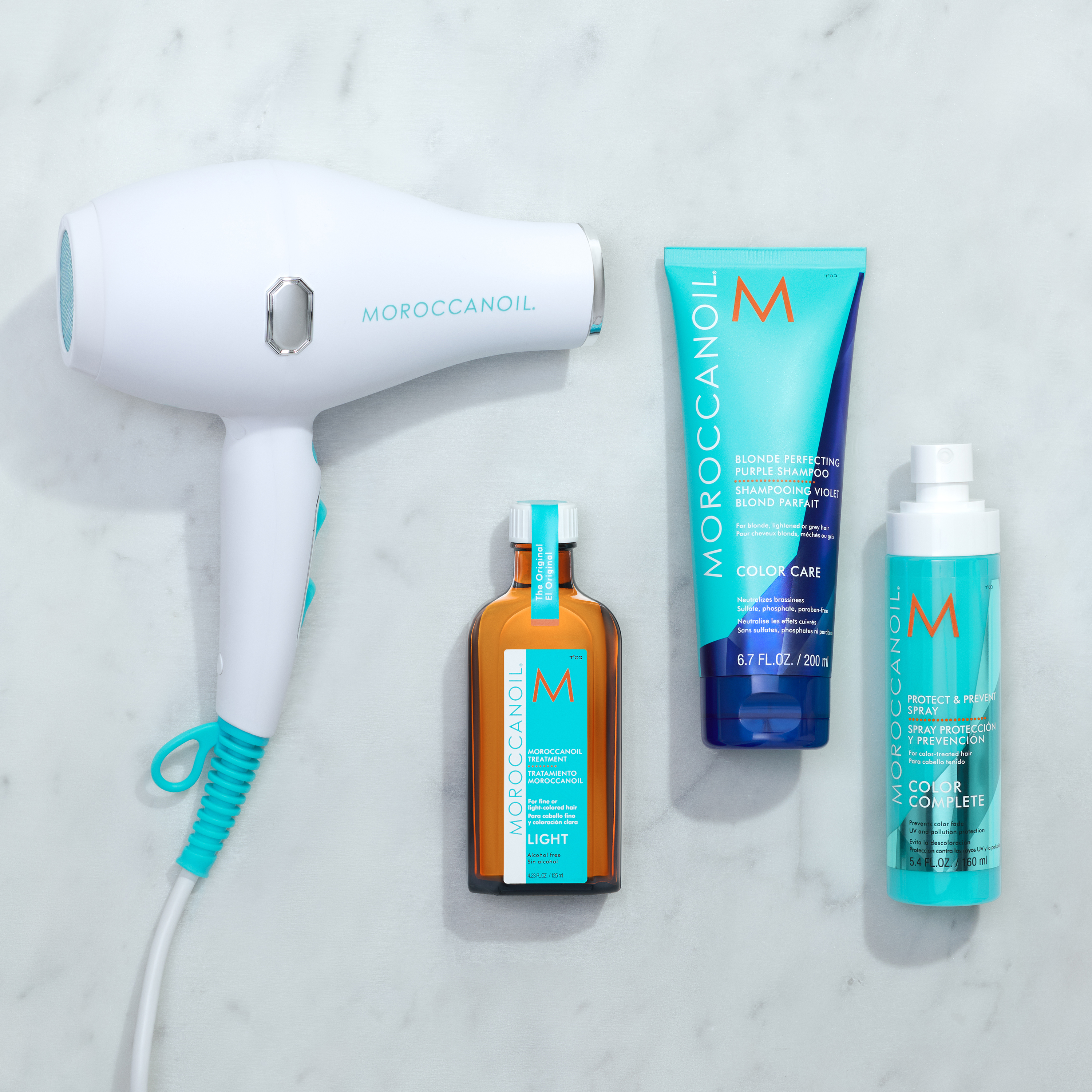
Begin by gently removing excess water with a towel rather than roughing up the cuticle. Detangle from the ends upward, apply the chosen protectant, and divide dense hair into manageable sections. Keep the dryer moving and direct the airflow along the hair rather than holding it in one spot.
A paddle brush can make sectioning and tension more consistent. The Ceramic Paddle Brush is described as having ceramic and ionic properties for even heat distribution, along with an ergonomic design and sectioning tip.
Protecting hair before flat ironing or curling
Hair should be fully dry before a flat iron or curling iron is used unless the tool is specifically designed for damp hair. Apply protection evenly, allow the hair to dry, and then work with small sections. One steady pass is preferable to repeatedly clamping the same strand.
For a curl, guide the tool through the section at a controlled pace instead of holding it in place for a long time. Let the curl cool before brushing it out; this can help preserve shape without adding more heat.
Adjusting tool temperatures for different hair types
Use the lowest setting that gives the result you want. Fine, fragile, lightened, or already damaged hair generally calls for more restraint, while dense hair may require a little more heat—but not automatically the highest setting. A protectant’s stated heat limit is not a target temperature for every styling session.
The following quick guide can help frame the decision, though the hair’s current condition should always take priority:
| Hair situation | Sensible starting approach | Technique reminder |
|---|---|---|
| Fine or fragile | Low temperature | Use small sections and minimal passes |
| Normal, healthy hair | Moderate temperature | Keep the tool moving steadily |
| Thick or coarse | Moderate, adjusted gradually | Divide hair thoroughly before styling |
| Dry, lightened, or damaged | Lowest effective temperature | Prioritize conditioning and air-drying |
After styling, judge the hair by how it feels over the next day or two, not only by its immediate shine. If it becomes brittle or unusually dry, lower the heat and shorten the routine.
Reapplying protection during touch-ups
Dry-hair touch-ups should be light and deliberate. Brush out tangles first, apply a small amount of a suitable dry-hair protectant if the label permits it, and wait until the hair is dry before using the tool. Do not repeatedly layer several incompatible products simply because the style has lost shape.
For humid conditions, Frizz Shield Spray is described as a weightless, heat-activated mist that repels humidity and helps defend against frizz, static, and flyaways. Its stated role is humidity protection, so treat it as a complementary styling product rather than assuming it replaces all heat protection.
Building a safer heat-styling routine
Healthy styling is less about finding a single perfect product and more about reducing unnecessary exposure. Give hair occasional breaks, keep the routine simple, and use conditioning care between hot-tool sessions. Small changes become noticeable when they are repeated consistently.
How often to use hot tools
Try to reserve high-heat styling for occasions when you genuinely want the finish. On other days, consider air-drying partway or fully, refreshing the existing shape, or choosing a style that needs less manipulation. The ideal frequency depends on texture, porosity, chemical processing, and the condition of the ends.
If every session includes several tools and repeated touch-ups, reducing the number of steps may protect the hair more effectively than adding another finishing product.
Combining heat protectant with other Moroccanoil products
Layer products by purpose and keep the total amount modest. A cleanser and conditioner support the baseline condition of the hair; a leave-in can add moisture and manageability; a heat protectant prepares the hair for hot tools; and a finisher addresses the appearance of the completed style.
For example, All In One Leave-in Conditioner is described as a lightweight, hydrating and protective formula that combats thermal damage and can be used for pre-styling or refreshing second-day hair. Smoothing Conditioner is described as a mild conditioner using argan oil and AminoRenew technology to restore amino acids and strengthen keratin while smoothing unruly hair.
Adding conditioning and repair treatments
A weekly or occasional treatment can help hair feel more flexible between styling days, particularly when the ends are dry. Choose one repair or moisture step at a time so you can tell what the hair actually needs. Regular trims may also be useful when split ends continue to travel upward.
For targeted end care, Repair Mending Infusion is described as a styling product that seals split ends, reduces dryness, fights frizz, and helps prevent breakage. The listed directions call for a small amount on dry hair, focused on the ends. A Shine & Seal Duo combines the Moroccanoil Treatment with Mending Infusion and is described as supporting shine, frizz control, and the appearance of split ends.
Recognizing signs of heat damage
Watch for ends that split quickly, strands that snap during detangling, a straw-like texture, or curls and waves that no longer spring back as they once did. Increased frizz can also signal that the cuticle is becoming rough, although frizz alone does not prove heat damage.
When these signs appear, pause high-heat styling where possible. Use gentler detangling, reduce product and tool buildup, and focus on conditioning while the hair grows out and damaged sections are trimmed.
Getting better results from Moroccanoil heat protectant
A good finish should feel touchable as well as look polished. Product choice, sectioning, and the order of application all affect whether the result is smooth or weighed down. It also helps to separate a product’s documented role from the broader goal you have for your hair.
Improving smoothness, shine, and frizz control
Use tension that is firm but not painful, direct airflow down the strand, and finish each section before moving to the next. A small amount of a compatible finisher can add polish after the hair has cooled. For humidity-prone days, Smoothing Lotion offers a documented combination of blow-dry preparation, frizz taming, humidity resistance, medium hold, and definition.
The key is restraint: smoothness comes from consistency in preparation and technique, not from coating the hair with several shine products.
Avoiding weighed-down or greasy-looking hair
Apply less near the roots, distribute product with a comb, and wait before deciding you need more. If the hair looks oily after styling, the issue may be excess product, overlapping formulas, or application too close to the scalp. Fine hair often benefits from dividing the dose across sections rather than increasing the amount in one place.
A lightweight finish should still have movement. If the hair feels coated, simplify the next session and use a clarifying wash only when buildup is genuinely present.
Storing the product and checking its freshness
Keep products closed and stored according to their packaging directions. Aerosols need particular care: the available Perfect Defense information warns against sunlight, open flames, sparks, radiators, hot water, and storage above 50°C/122°F. Never puncture or incinerate an aerosol container.
Check the scent, texture, color, and performance from time to time. If any of these change noticeably, or if the packaging is damaged, stop using the product and consult the retailer or manufacturer rather than trying to revive it.
Buying authentic Moroccanoil products from an authorized retailer
Authenticity and freshness matter with cosmetics, particularly when you are relying on a product’s directions and formulation. Boutique Deauville states that it is an authorized retailer for the brands it carries, sources products directly from brands, and maintains fresh inventory through regular shipments.
You can also browse Moroccanoil products through the retailer’s collection. Buying through an authorized source helps reduce the risk of counterfeit or expired items and gives you a clearer path for questions about an order.
Conclusion
A well-chosen moroccanoil heat protectant can fit neatly into a healthier styling routine when it is applied evenly, paired with moderate temperatures, and supported by conditioning care. Focus on your hair’s current needs, use less product than you think at first, and give the strands time away from hot tools. When you are ready to refresh your routine, explore the retailer’s Moroccanoil collection for authentic, fresh haircare essentials.
Frequently Asked Questions
Is heat protectant necessary every time I use hot tools?
Using one whenever you apply direct heat is a sensible way to reduce avoidable stress, especially on dry, colored, fine, or damaged hair. Follow the directions for the formula you choose.
Can heat protectant prevent all heat damage?
No. It can help reduce the effects of heat styling, but it cannot make excessive temperature, prolonged contact, or repeated passes harmless.
Should heat protectant go on wet or dry hair?
That depends on the product. Some formulas are designed for damp or dry hair, while others are intended for one stage of styling, so check the label before applying.
Can I use heat protectant on curly hair?
Yes, provided the formula and application method suit the texture. Section the hair carefully, preserve moisture, and use the lowest effective temperature.
How much heat protectant should I use?
Use enough to coat the hair evenly without leaving it saturated or greasy. Length, density, porosity, and product format all affect the amount.
Should hair be completely dry before flat ironing?
In most cases, yes. Hair should be fully dry before using a flat iron or curling iron unless the tool is specifically made for damp hair.
How can I tell if my hair is getting heat damaged?
Persistent dryness, brittle ends, frequent snapping, increased roughness, and loss of natural curl or wave are possible warning signs. Reduce heat and improve conditioning if they appear.





Leave a comment