

Unlock Your Best Curls: A Guide to the Perfect Curling Cream
Getting your curls to look just right can be a bit of a puzzle, right? You try different things, and sometimes it works, sometimes... not so much. That's where curling cream comes in. It's not just another hair product; it's like a secret weapon for making your curls pop, keeping them soft, and stopping that annoying frizz. We're going to walk through what curling cream is, how to pick the best one for your hair, and some simple ways to use it so your curls look their best, day in and day out.
Key Takeaways
- Curling cream helps define and shape your natural curls, adding moisture and reducing frizz.
- The best curling cream for you depends on your hair type, like fine, thick, or color-treated.
- Look for ingredients that add moisture, provide hold, and protect your hair.
- Proper application, starting with damp hair and working the cream through evenly, is key.
- Curling cream can be used to refresh curls between washes and as part of your regular hair care.
Understanding Curling Cream
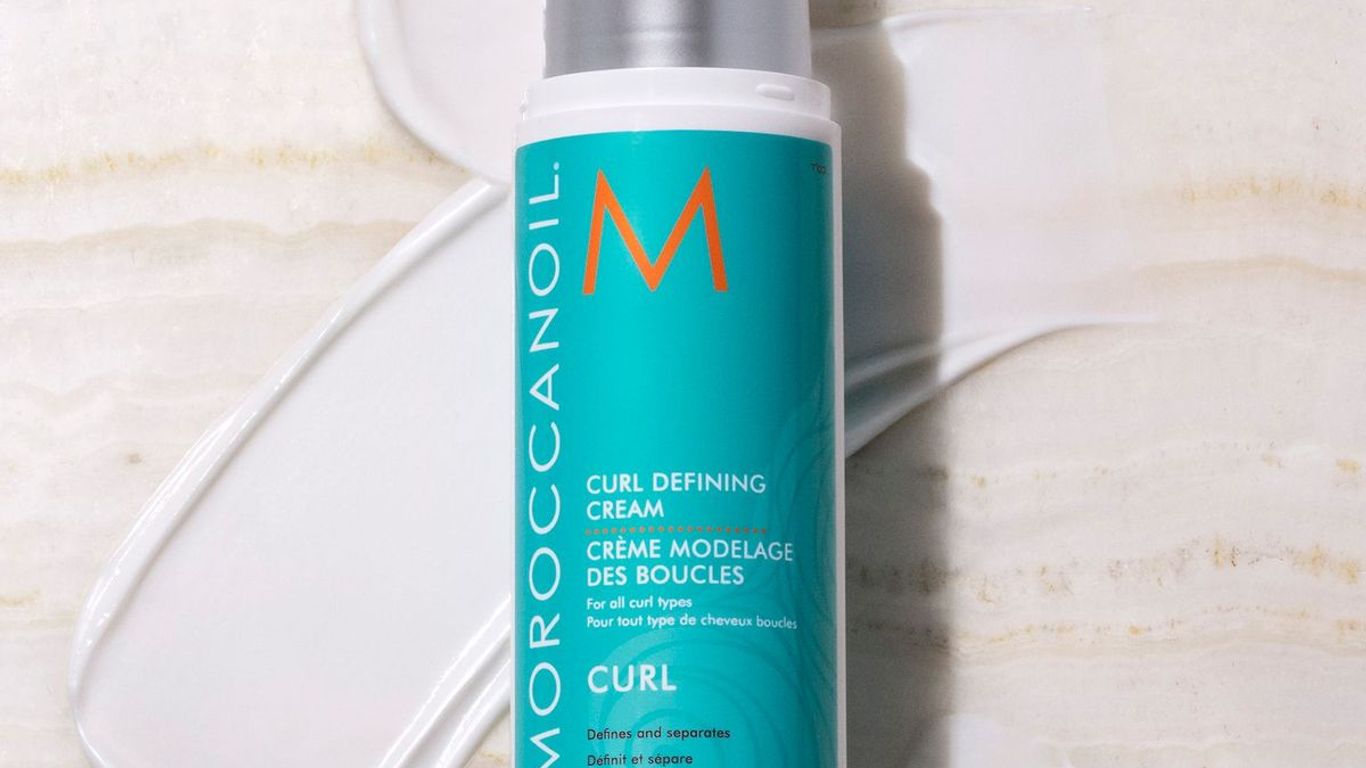
So, what exactly is this curling cream everyone's talking about? Think of it as a leave-in conditioner that also helps shape and define your curls. It's not quite a gel, and it's definitely not a mousse, but it sits somewhere in the middle, offering hydration and hold without that crunchy feeling.
What is Curling Cream?
Curling cream is a hair product designed specifically for curly hair types. Its main job is to moisturize your strands while helping to group your natural curl pattern together. This means less frizz and more defined, bouncy curls. Unlike heavier styling products, curling creams are usually lighter, making them a good choice for everyday use. They work by coating the hair shaft, smoothing the cuticle, and providing a gentle hold that allows your curls to form without feeling stiff.
Benefits of Using Curling Cream
Using curling cream can really change the game for your curls. Here are a few reasons why it's become a staple for so many:
- Frizz Control: This is a big one. Curling cream helps to smooth down the hair cuticle, which is the outer layer of your hair. When the cuticle is smooth, moisture stays in, and humidity stays out, leading to less frizz.
- Curl Definition: It helps your natural curl pattern clump together. Instead of individual strands looking a bit wild, they group up to form more defined ringlets or waves.
- Softness and Shine: Many curling creams are packed with moisturizing ingredients. This leaves your hair feeling soft to the touch and looking healthy and shiny, not dull or dry.
- Lightweight Hold: You get hold without that stiff, crunchy feeling you can get from gels or mousses. Your curls move naturally.
Curling cream is like a gentle hug for your curls. It provides just enough support to keep them looking good while keeping them soft and touchable. It’s all about working with your hair’s natural texture, not against it.
Choosing the Right Curling Cream for Your Hair Type
Not all curling creams are created equal, and what works for one person might not work for another. It really depends on your specific curl type and hair needs.
Here’s a quick guide:
- Fine Hair: Look for lightweight formulas. Heavy creams can weigh fine hair down, making curls fall flat. Ingredients like lighter oils or silicones can help without being too much.
- Medium to Thick Hair: You can often handle richer, more moisturizing creams. These will provide better hold and hydration for coarser textures.
- Dry or Damaged Curls: Seek out creams with intense moisturizing ingredients like shea butter, argan oil, or glycerin. These will help replenish lost moisture and improve hair health.
- Oily Scalp: If your scalp tends to get oily, try to apply the curling cream mainly from the mid-lengths to the ends of your hair, avoiding direct contact with the scalp.
It might take a little trial and error to find your perfect match, but once you do, it’s totally worth it.
Key Ingredients in Curling Cream
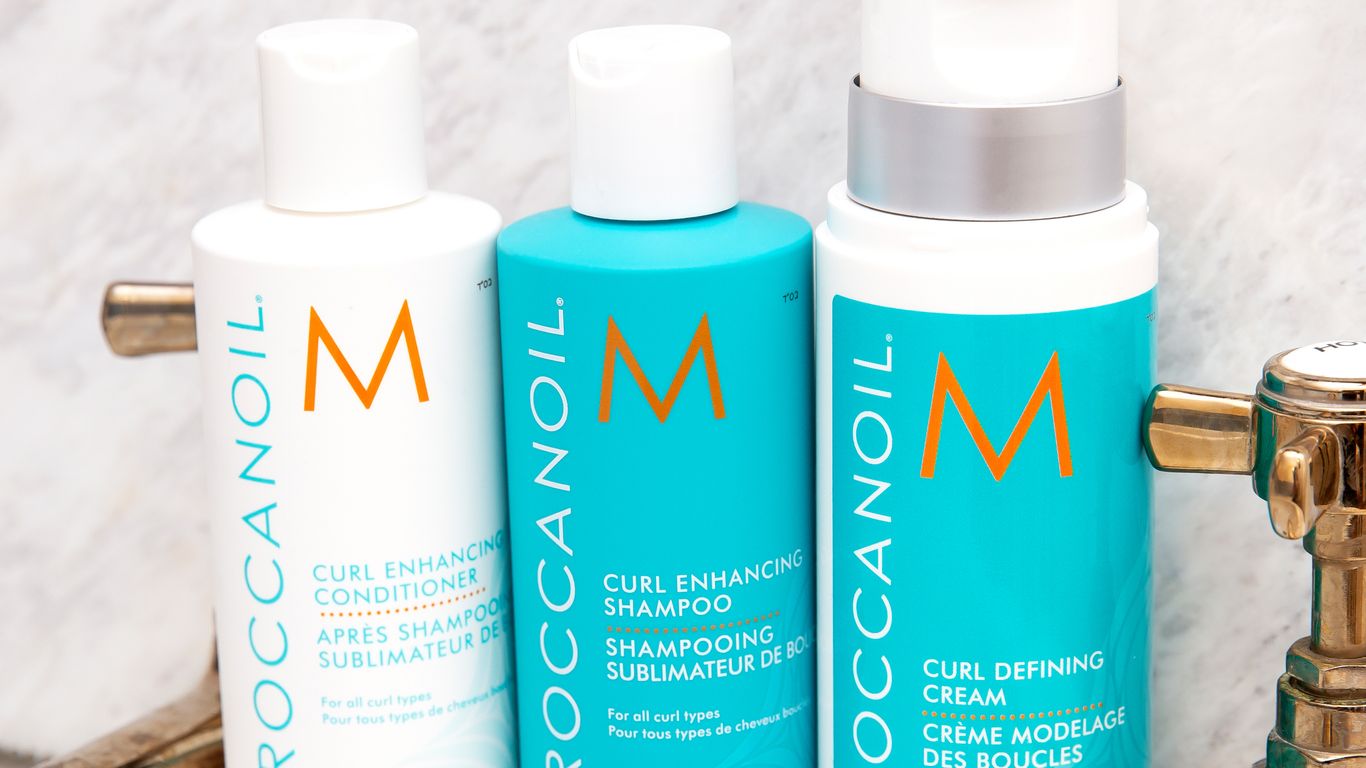
So, what's actually in that bottle of curling cream that makes it work its magic? It's not just one thing, but a mix of ingredients that work together. Think of it like a recipe for great curls.
Moisturizing Agents for Hydration
Dry hair is a curl's worst enemy. It leads to frizz and makes curls look sad. Curling creams usually have things in them to add moisture. This keeps your hair soft and helps curls form nicely. Some common ones you'll see are:
- Glycerin: This is a humectant, meaning it pulls moisture from the air into your hair. It's pretty standard in lots of hair products.
- Natural Oils: Think shea butter, coconut oil, argan oil, or jojoba oil. These are great for adding slip and making hair feel smoother. They also help seal in moisture.
- Aloe Vera: This plant extract is known for being soothing and hydrating. It can help calm down frizz and add a bit of shine.
Keeping your hair hydrated is the first step to happy, defined curls.
Styling Polymers for Hold
Moisture is great, but you also need your curls to stay put, right? That's where styling polymers come in. They're like the glue that holds your curl pattern together. They create a light film around each strand, giving your curls shape and preventing them from falling flat.
- PVP/VA Copolymer: This is a common one that provides flexible hold. It helps curls keep their shape without making them feel stiff or crunchy.
- Carbomer: Often used to thicken the cream, it can also contribute to hold and texture.
These ingredients help your styled curls last longer, even if it's humid out. They give your curls that definition you're looking for.
Protective Elements for Hair Health
Beyond just styling, good curling creams also have ingredients that protect your hair. This is important because styling can sometimes be tough on your strands. These ingredients help keep your hair healthy in the long run.
- UV Filters: Some creams have ingredients that protect your hair from sun damage. Just like your skin, your hair can get damaged by the sun's rays.
- Proteins (like Hydrolyzed Wheat Protein): These can help strengthen the hair shaft, making it less prone to breakage. They fill in gaps in the hair cuticle.
- Antioxidants (like Vitamin E): These help fight off damage from environmental factors.
Using a curling cream with protective elements is like giving your hair a little shield. It helps keep it looking good and feeling healthy, not just for today, but for the future too. It's a small step that can make a big difference over time, especially if you style your hair often.
So, when you're looking at the ingredient list, keep an eye out for these types of components. They're the ones doing the heavy lifting to give you those amazing curls.
Application Techniques for Perfect Curls
So, you've got your curling cream, but how do you actually use it to get those amazing curls you're dreaming of? It's not just about slathering it on; there's a bit of a method to the madness. Getting it right means your curls will look good and last longer, too.
Prep Your Hair for Curling Cream
Before you even think about touching that curling cream, your hair needs to be ready. This means starting with clean, conditioned hair. If you skip washing, you might end up with product buildup, and nobody wants that. After washing, gently towel-dry your hair. You don't want it dripping wet, but it should be damp – think of it like a sponge that's been squeezed out. This dampness helps the curling cream spread evenly and work its magic.
- Start with freshly washed and conditioned hair.
- Gently squeeze out excess water with a microfiber towel or an old t-shirt. Avoid rough rubbing, which can cause frizz.
- Detangle your hair carefully using a wide-tooth comb or your fingers, starting from the ends and working your way up.
How to Apply Curling Cream Effectively
Now for the main event. The amount of curling cream you use is super important. Too little, and your curls won't have enough definition. Too much, and your hair might feel heavy or greasy. It's a bit of trial and error to find what works for your hair's thickness and length. Start with a small amount, like a dime-sized dollop, and add more if needed. Distribute it evenly through your hair. You can do this by raking it through with your fingers or using a comb. Make sure you get it from root to tip, paying attention to areas that tend to get frizzy or lose their curl.
Applying curling cream to damp hair is key. If your hair is too wet, the product can get diluted, and if it's too dry, it won't distribute evenly, leading to patchy results and potential frizz. Aim for that perfect damp stage where your hair feels moist but not soaking.
Styling Tips to Enhance Your Curls
Once the cream is in, it's time to shape those curls. There are a few ways to encourage your hair to form nice, defined spirals. Scrunching is a popular method. You take sections of your hair and gently cup them in your hands, squeezing upwards towards your scalp. This motion helps to encourage the curl pattern. Another technique is the 'shingling' method, where you smooth the product down each curl strand by strand. This gives really defined, separated curls. You can also try twisting sections of hair to help set the curl shape as it dries. Whatever method you choose, be gentle. Rough handling can break up the curl clumps you're trying to create.
- Scrunching: Cup sections of hair and squeeze upwards towards the scalp to encourage curl formation.
- Shingling: Apply cream to small sections, smoothing it down each strand from root to tip for maximum definition.
- Twisting: For extra hold and definition, twist individual sections of hair before letting them dry.
Troubleshooting Common Curling Cream Issues
Dealing with Frizz and Flyaways
So, you've applied your curling cream, and instead of smooth, defined waves, you're seeing frizz and little bits of hair sticking out everywhere. It's a common problem, and usually, it comes down to a few things. First off, how much product are you using? Too little, and your hair won't get enough moisture or hold. Too much, and it can weigh your hair down, leading to that frizzy look as it dries. Also, think about how you're applying it. Raking it through with dry hands can disrupt the curl pattern before it even has a chance to form. Try to distribute the cream evenly by gently raking it through wet or damp hair, or even better, use praying hands or scrunching motions.
Here are a few things to try:
- Check your application technique: Make sure you're applying the cream to very wet hair. This helps the product emulsify and coat each strand properly.
- Use less product: If you're noticing frizz, try cutting back on the amount of curling cream you use. A little often goes a long way.
- Consider your hair's porosity: Low porosity hair can get weighed down easily, so lighter formulas or less product might be needed. High porosity hair drinks up moisture, so you might need a bit more.
- Gentle drying: Avoid rough towel drying. Use a microfiber towel or an old t-shirt to gently scrunch out excess water.
Avoiding Greasy or Heavy Curls
Nobody wants curls that feel like they're coated in oil or just look… heavy. This usually happens when the curling cream is too rich for your hair type, or you've simply used too much. Fine hair is especially prone to this. If your hair feels limp and looks shiny in an oily way after using curling cream, it's a sign you need to adjust your approach.
Here’s what to do:
- Start with a small amount: Seriously, begin with a pea-sized amount and add more only if needed. You can always add, but it's hard to take away.
- Focus on the ends: If your hair is finer or gets greasy easily, try applying the cream mainly to the mid-lengths and ends of your hair, avoiding the roots.
- Choose a lighter formula: Look for curling creams specifically designed for fine or thin hair. These often have lighter consistencies and less oil.
- Apply to damp, not soaking wet hair: While applying to very wet hair helps with definition, applying to damp hair can sometimes help control the amount of product absorbed, preventing that heavy feeling.
Sometimes, the issue isn't just the product itself, but how it interacts with your water. Hard water can leave mineral buildup, making your hair feel heavy and dull, even with the right amount of product. Consider a clarifying shampoo once in a while if you suspect this might be the case.
Enhancing Curl Definition and Longevity
Getting those beautiful, bouncy curls to last and stay defined can be a challenge. If your curls fall flat or lose their shape quickly after styling, it’s time to tweak your routine. It often comes down to the product's hold, how you encourage the curl pattern, and how you protect it as it dries.
Here are some tips to get better definition and make your curls last:
- Scrunch, scrunch, scrunch: After applying the cream, gently scrunch your hair upwards towards your scalp. This helps to encourage the curl formation.
- Consider a gel or mousse: For extra hold, you can layer a light gel or mousse over your curling cream. Apply the cream first, then scrunch in your styler.
- Don't touch while drying: This is a big one! Resist the urge to touch or play with your curls while they are air-drying or diffusing. Touching them too early can break up the curl pattern and lead to frizz.
- Diffusing technique: If you use a diffuser, use a low heat and low speed setting. Hover the diffuser around your hair or gently cup sections of curls and hold them in place as they dry.
- Pineapple your hair at night: Tying your hair up loosely on top of your head before bed can help preserve your curls overnight.
Exploring Top Curling Cream Brands
Professional Salon Brands
When you're looking for top-notch curling creams, the professional salon brands often come to mind first. These are the products you'll find in high-end salons, and they're usually formulated with advanced ingredients to give you that salon-quality finish at home. Think brands like Kérastase, Oribe, and Redken. They tend to focus on performance, often packing in proteins and conditioning agents that really help define curls and fight frizz. They can be a bit pricier, sure, but many people find the results are worth the investment. It's like getting a professional treatment every time you style your hair.
Natural and Organic Formulations
If you're more into natural ingredients, there's a whole world of curling creams out there that fit the bill. These brands often skip the synthetic stuff and lean on plant-based oils, butters, and extracts. Brands like DevaCurl (though they have had some controversies, they are still a big name in the curly hair space) and SheaMoisture are popular choices. They aim to nourish your hair with things like shea butter, coconut oil, and aloe vera. These creams are great for adding moisture and softness without weighing your hair down. They're a good option if you have sensitive skin or just prefer a cleaner ingredient list. You might find they offer a lighter hold compared to some salon brands, but the conditioning benefits are usually fantastic.
Budget-Friendly Curling Cream Options
Don't think you need to break the bank to get great curls! There are plenty of drugstore brands that offer really effective curling creams. Brands like Cantu, Not Your Mother's, and Garnier Fructis have options that work surprisingly well. These are often formulated to be moisturizing and provide decent curl definition. They're perfect for trying out different formulas or if you're on a tight budget. You can often find these on sale, making them even more accessible. It's all about finding that sweet spot between price and performance for your specific hair needs.
Finding the right curling cream often involves a bit of trial and error. What works wonders for one person's curls might not be the best fit for another's. Pay attention to the ingredients and how your hair reacts. Sometimes, a cream that's great for definition might be a bit heavy, or one that's super moisturizing might not offer enough hold. It's a balancing act, and your hair will tell you what it likes best.
Here's a quick look at what some brands focus on:
- Salon Brands: Often focus on advanced formulas, strong hold, and frizz control.
- Natural Brands: Prioritize plant-based ingredients, moisture, and gentle conditioning.
- Budget Brands: Aim for accessible, effective formulas that provide good definition and moisture.
Maintaining Your Curls with Curling Cream
Refresh Your Curls Between Washes
So, you've got great curls thanks to your curling cream, but what happens on day two, or even day three? You don't want to wash your hair every single day, right? That's where refreshing comes in. Think of it as a little pick-me-up for your curls. You can use a spray bottle filled with water, maybe with a tiny bit of conditioner mixed in, to lightly dampen your hair. Then, take a small amount of your curling cream – seriously, just a little bit – and work it through the sections that need it. Scrunch your hair upwards to help reform those curl patterns. It's amazing how a little bit of moisture and product can bring your curls back to life without a full wash.
Protecting Curls Overnight
Sleeping can be rough on curls. They can get flattened, frizzy, or just lose their shape. To keep them looking good, try a few things. A satin or silk pillowcase is a good start because it causes less friction than cotton. You can also try the 'pineapple' method – gently gathering your hair on top of your head with a loose scrunchie. This keeps your curls from being squashed. Some people also like to loosely wrap their hair in a satin scarf. The goal is to minimize friction and pressure.
The Role of Curling Cream in Your Hair Routine
Curling cream isn't just a one-time styling product; it's part of a bigger picture for healthy, defined curls. It works best when your hair is clean and conditioned. After washing and conditioning, you'll apply the curling cream to wet hair, distributing it evenly. Then you'll style as usual, whether that's air-drying or diffusing. But its job doesn't stop there. The ingredients in the cream continue to work, providing moisture and helping to keep frizz at bay throughout the day. Using it consistently as part of your wash-and-go routine really makes a difference in the overall health and appearance of your curls.
Here's a quick look at how curling cream fits in:
- Wash Day: Cleanse and condition your hair. Apply curling cream to wet hair, focusing on mid-lengths to ends.
- Styling: Style your hair as usual (air dry, diffuse, etc.) to encourage curl formation.
- Between Washes: Refresh damp curls with a small amount of cream and water.
- Overnight: Protect your styled curls with a satin pillowcase or scarf, or by pineappling.
Keeping your curls looking their best between washes is all about gentle handling and targeted hydration. Don't be afraid to experiment with small amounts of product and water to see what works for your specific curl pattern.
Keeping your curls looking their best is easier than you think! Curling cream is a fantastic way to define your waves and keep them from getting frizzy. It helps your curls hold their shape and adds a nice shine. Want to learn more about how to use it and find the perfect one for you? Visit our website for all the tips and tricks!
Keep Those Curls Looking Great
So, that's the lowdown on finding the right curling cream for your hair. It might take a little trial and error, but once you find that perfect product, your curls will thank you. Remember to check the ingredients and think about what your hair really needs. Happy curling, and enjoy those amazing, defined locks!
Frequently Asked Questions
What exactly is curling cream and how does it help my hair?
Curling cream is like a special lotion for your hair that helps make your curls look awesome. It helps define your curls, making them less frizzy and more bouncy. Think of it as a helper that makes your natural waves or curls look their best without making them stiff.
Can anyone use curling cream, or is it just for certain hair types?
Pretty much anyone with curly or wavy hair can use curling cream! Whether your curls are loose and wavy or tight and coily, there's likely a curling cream out there for you. Some are made for finer hair, while others are better for thicker, coarser hair, so it's good to pick one that matches your hair's needs.
What are the most important things to look for in a curling cream?
You'll want to check the ingredients! Look for things that add moisture, like shea butter or certain oils, to keep your hair soft. Also, ingredients that help your curls hold their shape without feeling crunchy are great. Some creams also have stuff that protects your hair from heat or damage, which is a nice bonus.
How should I put curling cream in my hair so it works best?
Start with damp, not soaking wet, hair. Rub a small amount of cream between your hands and then smooth it through your hair, from the middle to the ends. You can scrunch your hair upwards to encourage curl formation. It's usually best to let your hair air dry or use a diffuser on a low heat setting.
My curls sometimes get frizzy even with curling cream. What can I do?
Frizz happens! Make sure you're not using too much product, as that can weigh your hair down. Applying it to properly damp hair and avoiding touching your hair too much while it dries can help. Sometimes, a little hair oil or a stronger hold gel on top can seal the deal.
How often should I use curling cream?
You can use curling cream every time you wash your hair and style it. If your curls need a little boost on days you don't wash, you can dampen your hands slightly and gently scrunch some cream into your hair to refresh them. It's all about finding what works best for your hair's routine.






Laissez un commentaire