

Moroccanoil oily scalp treatment: How to use it and what to expect
Key Takeaways
A pre-shampoo scalp treatment is one part of a routine, not a substitute for a shampoo or professional advice. Use the label directions and let your scalp’s response guide what you do next.
- The treatment is intended for oily, imbalanced scalps.
- It is applied before shampooing and rinsed out.
- Follow the product directions for amount and leave-on time.
- Keep conditioner and styling products from collecting at the roots.
- Stop using a product if it causes irritation, and seek medical advice for persistent symptoms.
What Moroccanoil Oily Scalp Treatment is
A scalp treatment is designed to address a concern at the scalp, while shampoo and conditioner remain part of the cleansing and conditioning routine. The phrase moroccanoil oily scalp treatment refers to a pre-shampoo product intended for oily, imbalanced scalps. Its directions describe a brief application before washing, rather than a leave-in step. The label is the best place to confirm the current instructions and ingredient details.
The product’s purpose and intended scalp type
The product is described as a pre-shampoo treatment to help purify and rebalance oily scalps. Its formula includes a biotin peptide complex, which is described as helping promote scalp stimulation. That intended use makes it a possible option for someone whose roots feel oily or weighed down, rather than a general treatment for every scalp concern. The product page is available as Oily Scalp Treatment.
How it differs from a dry scalp treatment
Oiliness and dryness can call for different approaches, so the name and intended scalp type matter. The oily-scalp formula is positioned to help manage oil, sweat, and buildup; the dry-scalp treatment is described for dry, flaky, or itchy scalps and includes salicylic acid and argan oil. If flaking or itch is the main concern, browsing dry scalp treatments may help you compare the intended uses. Avoid assuming that a product for one concern will address the other.
What to check on the product label
Before using any scalp product, read its directions, ingredient list, and cautions rather than relying on a routine you saw elsewhere. The label helps clarify whether the product is rinsed out, how much to use, and how long to leave it on. If you are browsing unrelated products at the same time, the store also lists Ambiance de Plage, Dahlia Rouge Body Lotion, Ambiance de Plage Body Lotion, and Ambiance de Plage Shower Gel; those names alone do not tell you whether a product suits your scalp.
How the treatment may help manage an oily scalp
Oiliness can be frustrating because roots may look or feel greasy before the rest of the hair needs washing. A targeted product may fit into a cleansing routine when the scalp itself is the focus, but it should not be treated as a medical solution or a promise of lasting oil control. The useful question is whether it supports a comfortable, manageable routine for your scalp. Keep expectations modest and observe what changes over time.
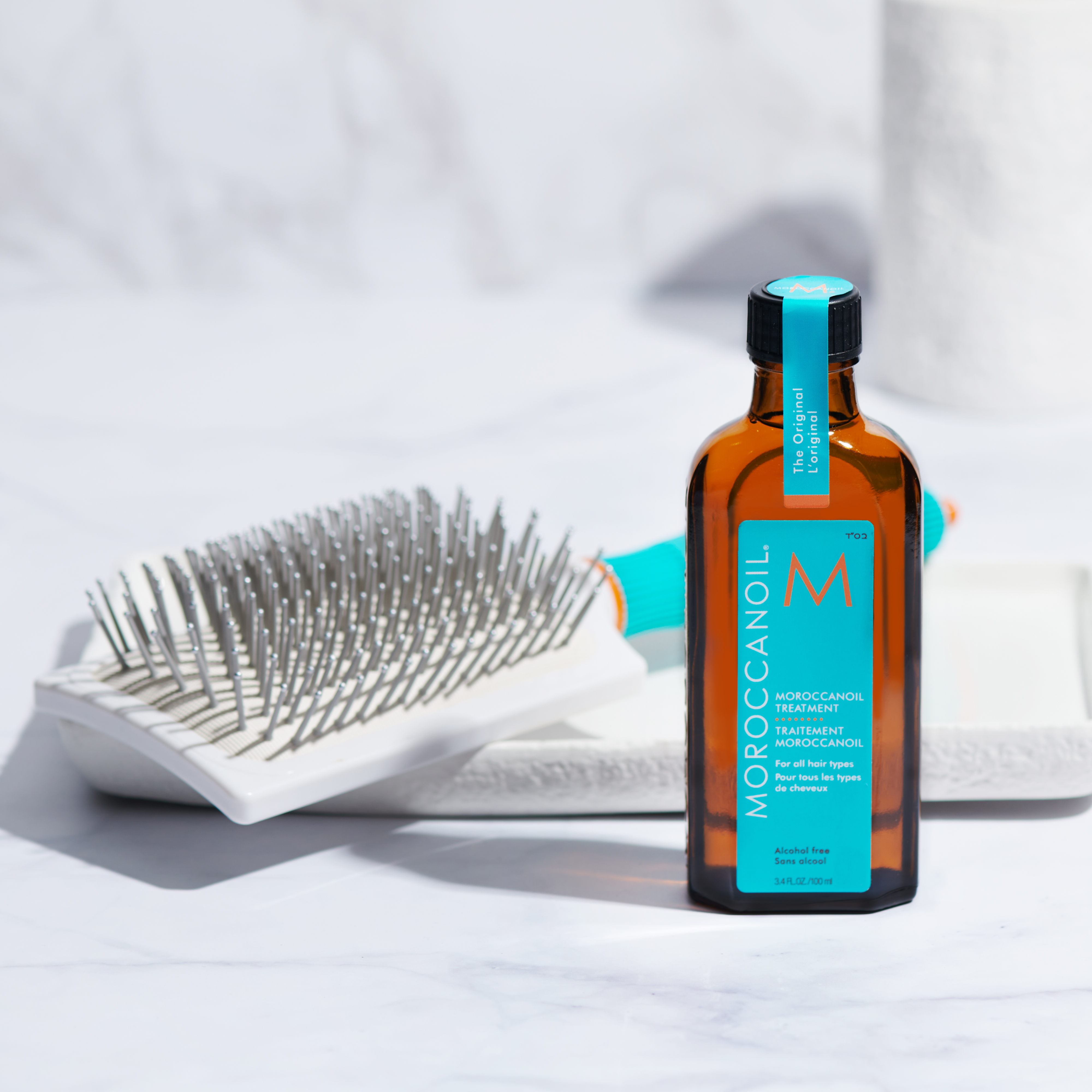
The role of targeted scalp care
Scalp care gives attention to the skin beneath the hair, where oil, sweat, and product residue can collect. The treatment is described as helping purify and rebalance an oily scalp, and its directions place it before cleansing. Used as directed, it can be one step in a routine rather than a replacement for regular washing. A simple record of how your scalp feels can help you decide whether the step is worthwhile.
What it can and cannot do for excess oil
The product description says it helps control scalp oils, sweat, and buildup. That wording describes the product’s intended role; it does not guarantee that every person will see the same change or need to wash less often. Oil production itself can continue, and a treatment cannot diagnose why the scalp feels oily. For other shopping needs, separate listings include Moroccanoil Hand Cream and a Body Discovery Set, but neither is a scalp-care step based on its name.
Factors that can affect scalp oiliness
Oiliness can feel different from one day to another, so note the conditions around it rather than judging a treatment by one wash. A brief check-in can make the pattern easier to see:
- Notice how soon roots begin to feel oily after washing.
- Consider whether sweat, hats, or exercise affect how the scalp feels.
- Track whether styling products are being applied close to the roots.
- Pay attention to scalp comfort as well as visible oiliness.
These observations do not identify a medical cause, but they can help you adjust routine habits thoughtfully. If there is persistent discomfort or a sudden change, seek a clinician’s advice instead of adding more products.
How to use Moroccanoil Oily Scalp Treatment
Use the treatment as a pre-shampoo step, and follow the package directions rather than improvising with a larger amount or longer application. The listed method is straightforward: apply it to parted sections, massage gently, wait briefly, then rinse and wash. Because products and packaging can change, check the instructions on the bottle you have. If you are also comparing products such as the Volume Discovery Set, keep each item’s own directions separate.
Preparing your hair and scalp
Begin by shaking the bottle well, as directed, and make several parts through the hair so the scalp is accessible. Work calmly across the areas you want to treat instead of pouring product over the hair lengths. This makes it easier to distribute the specified drops along the scalp. Keep the application gentle, especially if your scalp is already sensitive.
Applying the treatment according to its directions
The label directions specify the amount and timing, so use them as the reference point for each application. The steps are gathered here to make the sequence easy to follow:
| Step | Direction |
|---|---|
| Prepare | Shake well and part hair into sections. |
| Apply | Use 3–6 drops in each section. |
| Massage | Massage gently into the scalp. |
| Wait and rinse | Leave on for 5–10 minutes, comb through, and rinse. |
| Finish | Wash and condition the hair. |
This is a pre-cleansing step, not a leave-in treatment. If the packaging on your product differs, follow that label rather than treating this table as a substitute for it.
Adjusting frequency based on your scalp’s response
The directions provide an application method, but the information here does not establish a universal schedule. Start by following the product label, then pay attention to comfort and how your scalp feels between washes. More frequent use is not automatically better, particularly if you notice dryness or irritation. For other haircare browsing, listings include the Shine Seal Duo, but keep its separate directions distinct from scalp treatment instructions.
How to fit it into your hair-care routine
A pre-shampoo treatment works best as a clearly defined step: apply it, rinse it out, then cleanse and condition as directed. The rest of the routine can stay simple while you assess the effect. Focus on where products go and how your roots feel, rather than adding several new steps at once. This also makes it easier to identify what may be contributing to residue or discomfort.
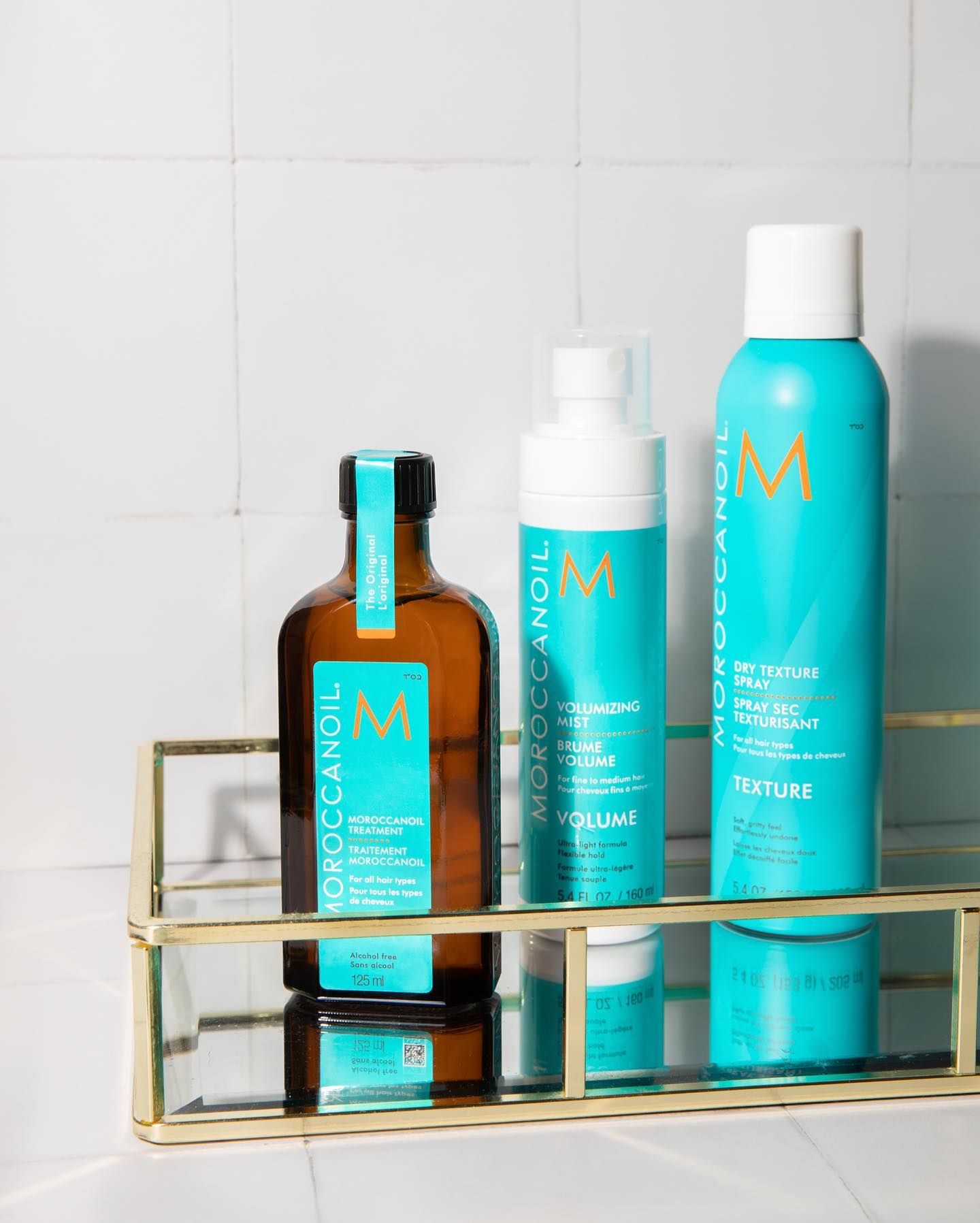
Choosing a shampoo for oily roots
Choose a shampoo based on how your scalp and hair respond to cleansing, and follow its own instructions. The treatment directions specifically say to wash and condition after rinsing it out; they do not require a particular shampoo type. Product listings such as Moisture Repair Shampoo and Hydrating Shampoo are examples of separate shampoo pages, not evidence that a particular formula is the right match for oily roots. If you are unsure what works for you, make one routine change at a time.
Balancing scalp care with conditioner and styling products
Apply conditioner where your hair needs it, and be mindful of how close styling products sit to the scalp. Heavy or layered product use can make roots feel coated, though individual hair and styling habits vary. A routine may include tools or styling products, but these do not change the treatment’s pre-shampoo directions; the catalog also lists a 4-in-1 Blow Dryer Brush, Smoothing Lotion, Intense Curl Cream, Curl Control Mousse, Volumizing Mist, and Volume Thickening Lotion. Choose and apply any styling item according to its own label and your hair’s needs.
Avoiding product buildup between treatments
Buildup is easier to manage when you know what you are applying and where. Avoid layering multiple scalp products simply because roots feel oily, and rinse cleansing products thoroughly. The wider catalog includes Original Hair Treatment and beauty and haircare products; those listings cover different shopping choices and should not be treated as directions for this scalp product. If a residue persists despite your usual washing routine, consider whether styling habits or product placement may be part of the picture.
Who may want to consider this treatment
The treatment is presented for an oily, imbalanced scalp, so a person considering it should start with that intended use. The best match depends on the concern, not just on the feeling that hair needs a refresh. A targeted product may be a reasonable routine experiment for some people, but it will not suit every scalp. Persistent or uncomfortable symptoms deserve more than trial-and-error product changes.
Signs it may suit your scalp-care needs
If your main concern is oily roots or a scalp that feels weighed down by oil and residue, the product’s stated purpose may be relevant. Its directions also make clear that it is used before shampooing, which may fit someone who is comfortable adding a short wash-day step. Keep the decision practical: consider whether the concern is oiliness rather than dryness, persistent itch, or another issue. A product name is a starting point, not a diagnosis.
When another scalp product may be a better fit
If dryness, flaking, or itch is the primary concern, a product intended for that concern may be more appropriate than one aimed at oily scalps. Scalp symptoms can overlap, though, and the right choice is not always obvious from appearance alone. Avoid combining several treatments before you know how your skin responds. When symptoms are ongoing or the scalp is sore, medical advice is more useful than trying additional products.
When to seek advice from a dermatologist
Consider consulting a dermatologist if irritation, persistent flaking, unusual discomfort, or a sudden change in scalp condition continues. A professional can help assess symptoms and advise whether a product or a different approach is suitable. Do not use a cosmetic treatment to delay care for a problem that is worsening. If you have a known sensitivity, review the ingredient list and ask a clinician when needed.
What to expect after using the treatment
Experiences can differ, so assess the product by how your own scalp feels and how the routine works in practice. The product is described as helping purify and rebalance oily scalps, but that is not a guarantee of a specific result for every user. Give attention to comfort as well as appearance, and avoid judging it from a single moment. Clear observations are more useful than expecting an identical outcome to someone else’s.
How to assess your scalp’s response
After rinsing and washing, notice whether your scalp feels comfortable and whether your roots feel clean without feeling irritated. Over several washes, you can compare how quickly oiliness returns and whether your hair feels weighed down. Keep other routine changes stable if you want a clearer sense of what may be influencing the result. If you want to shop the treatment, check the current label and product details before use.
Why results and experiences can vary
Scalp and hair routines differ, and the amount of oil or residue people notice can vary with their habits and environment. How the treatment is applied, what else is used, and individual sensitivity may also shape the experience. For that reason, product claims should not be read as a promised outcome. A realistic aim is to find a routine that feels comfortable and manageable for you.
When to stop use if irritation occurs
Stop using the treatment if it causes irritation or discomfort, and rinse the scalp if product remains on it. Avoid applying more in an attempt to push through a reaction. If irritation persists, worsens, or concerns you, consult a dermatologist or other healthcare professional. Take the ingredient list with you if you seek advice.
Conclusion
A pre-shampoo scalp treatment can be a practical addition when oiliness is the main concern, provided you follow the directions and pay attention to your scalp’s response. Keep the rest of your routine balanced, and seek professional advice for ongoing symptoms; if the product seems relevant, review its current details before deciding whether to try it.
Frequently Asked Questions
Should a scalp treatment be used before or after shampoo?
A pre-shampoo treatment is applied before washing and rinsed out according to its directions. Other scalp products may have different instructions, so check the label.
How can I tell whether my scalp is oily or dry?
Oily roots may feel greasy or weighed down, while dryness may involve tightness or flaking. Symptoms can overlap, so persistent concerns are best discussed with a healthcare professional.
Can I use a scalp treatment every wash day?
Follow the product’s stated frequency rather than assuming it is suitable for every wash. Adjust only with the label and your scalp’s comfort in mind.
Should I apply scalp treatment to wet or dry hair?
Use the application method stated on the product label. If the instructions do not clarify, check with the manufacturer or a qualified professional.
Can conditioner make roots feel oily?
Conditioner applied close to the scalp may contribute to a coated feeling for some people. Consider placement and rinse thoroughly, while accounting for your own hair’s needs.
What should I do if a scalp product irritates my skin?
Stop using it and rinse away any remaining product. If the irritation does not settle or becomes worse, seek advice from a dermatologist or healthcare professional.
When should I ask a dermatologist about scalp symptoms?
Seek professional advice for persistent or worsening irritation, flaking, discomfort, or a sudden change in your scalp. A dermatologist can help assess the cause and suggest appropriate care.







Laissez un commentaire