

The ultimate guide to better soins cheveux: A professional approach to hair health
Key Takeaways
Understanding your hair is the primary step toward achieving professional-quality results at home. Follow these foundational habits to maintain your mane's health throughout the seasons.
- Identify your hair porosity to select the most compatible moisturizing products.
- Establish a cleansing schedule that matches your scalp's natural oil production levels.
- Incorporate professional treatments to repair damage and restore structural integrity.
- Use heat protectants consistently to shield strands from high-temperature styling tools.
- Prioritize authentic products from authorized retailers to ensure safety and performance.
Identifying your unique hair type
Determining your specific hair requirements begins with a close look at your individual anatomy. Many people misidentify their needs simply because they have not observed how their hair responds to everyday conditions, leading to the use of ineffective products.
Analyzing your hair texture and porosity
Hair texture generally refers to the thickness of individual strands, while porosity measures your hair's ability to absorb and retain moisture. You can test your porosity levels at home by dropping a clean strand into a glass of water; high porosity hair sinks rapidly, while low porosity hair tends to float on the surface.
Evaluating your scalp condition and oil production
Your scalp functions much like the skin on your face, requiring a balanced approach to cleansing and sebum management. A dry scalp may benefit from moisturizing oils, whereas an oily scalp demands consistent exfoliation to prevent clogged follicles. Establishing a balanced foundation is the secret to thriving hair growth and shine.
Factoring in history of chemical or heat damage
Color treatments, bleaching, and excessive heat usage alter the cuticle structure over time, making hair more susceptible to breakage. Recognizing your current level of damage helps you select strengthening formulas that restore health rather than just masking visible issues.
Essential steps in a professional cleansing routine
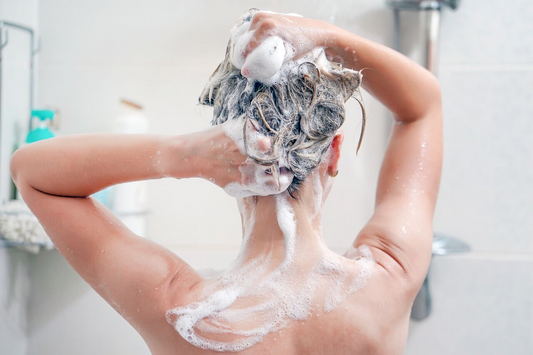
An effective cleansing regimen is about more than just removing dirt; it is the first opportunity to treat your scalp and address specific concerns. Over-cleansing can strip essential oils, while under-cleansing may lead to dullness and buildup.
Choosing the right shampoo for specific hair concerns
Selecting a shampoo tailored to your specific needs, such as color protection or volume enhancement, makes a significant difference in how your hair behaves after drying. For those seeking targeted results, browse our haircare selection to find formulas that address unique hair concerns with precision.
Techniques for effective scalp stimulation during washing
Massage your scalp gently with your fingertips in circular motions to boost blood circulation and ensure even product distribution. This simple habit prepares the skin for better absorption of conditioning agents applied later, turning a routine chore into a self-care focus.
Determining the optimal washing frequency for your hair health
Every scalp is unique, with some requiring daily washing and others thriving with less frequent cleanings. Listen to how your hair feels a day after washing—if it feels weighed down or sticky, you may need a gentle clarifying shampoo that respects the natural integrity of your scalp.
The importance of deep conditioning and hydration
Deep hydration acts as the restorative bridge between cleansing your hair and preparing it for final styling. Without consistent moisture, strands lose their elasticity and become prone to environmental decay.
Understanding the differences between rinse-out, leave-in, and masks
Each conditioning format serves a distinct purpose, ranging from quick daily maintenance to deep structural repair. Choosing the correct tool for your current hair state ensures optimal health and manageability without overloading the ends.
| Treatment Type | Primary Function | Best Usage |
|---|---|---|
| Rinse-out Conditioner | Detangling | After every shampoo |
| Leave-in Treatment | Moisture Retention | On damp hair |
| Intensive Hair Mask | Structural Repair | Weekly application |
Incorporating these treatments correctly creates a protective layer around each shaft, helping to lock in hydration and smoothness long after you leave the shower.
Proper application techniques for mid-lengths and ends
Apply your deep treatments focusing exclusively on the mid-lengths and ends, where hair is naturally older and drier. Avoid putting thick masks directly on the roots to maintain natural volume and prevent the hair from appearing greasy or flat.
Avoiding product buildup through thorough rinsing habits
Thorough rinsing is frequently overlooked, yet it is essential for preventing the accumulation of residue that causes dullness over time. Ensure the water runs clear before exiting the shower, as any residual film can attract dust and grime throughout the day.
Protecting hair from environmental and heat stress
.jpg)
Maintaining the structural integrity of your hair requires constant vigilance against external factors like sun exposure, pollution, and the high temperatures associated with hot tools. Investing in high-quality styling products provides a vital barrier that prevents these stressors from breaking down the protein bonds in your hair.
Benefits of professional-grade heat protectant sprays
Heat protectants work by creating a thermal shield on the hair's surface, minimizing the direct impact of high temperatures from straighteners or curling irons. Consistent use of these products keeps your strands smooth and helps you maintain your hair's overall quality.
Minimizing damage from UV exposure and pollution
Ultraviolet radiation from the sun can break down permanent color and degrade hair proteins, while urban pollution creates particles that settle into cuticles. Covering your hair during peak sun hours or using specialized leave-in care helps neutralize these environmental threats effectively.
Best practices for mechanical styling and gentle brushing
Mechanical damage often stems from aggressive handling during detangling or styling. Adopt these gentle habits to preserve your hair:
- Start detangling from the very ends and slowly work your way up toward the roots.
- Select brushes with smooth, rounded tips to prevent tearing or scratching the scalp.
- Use a wide-tooth comb for wet hair to minimize excessive stress on fragile strands.
By refining how you handle your hair during the styling process, you dramatically reduce the chances of snapping or fraying, even on long hair.
Incorporating professional-grade products into your regimen
The quality of the items you choose to apply to your hair dictates the long-term success of your journey toward better health. Low-quality fillers can build up over time, eventually leading to damage that is harder to repair.
Why shopping with authorized retailers guarantees quality
When you buy from legitimate sources, you receive products that are kept in climate-controlled environments and are genuine formulas. Authorized retailers like Boutique Deauville represent the safest approach for your beauty routine, as they source directly from the manufacturers to bypass the risks of counterfeit cosmetics.
Targeted solutions for color-treated and processed hair
Color-treated and chemically processed hair requires a delicate balance of moisture and protein to prevent fading and brittleness. Using products designed specifically for your color type, or utilizing the power of Olaplex, helps manage chemical bonds so you can maintain your vibrant shade for much longer.
Building a modular routine with premium, authentic brands
Building a modular routine allows you to swap in specific treatments as your hair needs shift between seasons or after salon visits. By choosing reliable brands like Kérastase, you ensure each component of your regimen performs precisely as intended, providing a scalable and effective approach to daily care.
Troubleshooting common hair concerns
Even with a perfect regimen, hair can occasionally misbehave due to humidity, hormones, or lifestyle changes. Understanding how to pivot your routine to solve these temporary issues keeps your hair looking its best.
Managing persistent frizz and unruly flyaways
Frizz is often a sign of dry hair reaching out for moisture in the air. Use smoothing oils or specialized creams to seal the cuticle and keep your hair tammed, even in challenging weather conditions.
Methods for restoring body and volume to fine hair
Fine hair requires a lightweight touch to avoid being weighed down by heavy silicones. Apply texturizers to the roots of damp hair before blow-drying to create lift and lasting structure that holds its shape throughout the day.
Repairing and strengthening brittle hair after chemical services
Brittle hair needs intensive support to regain its flexibility after chemical processing. Focus on protein-based reconstruction treatments that replenish missing components, allowing your strands to withstand daily styling without snapping.
Conclusion
Achieving the vibrant, healthy hair you desire is a deliberate process built on consistent care, the right professional products, and a deep understanding of your own hair's unique requirements. By following these evidence-based practices and prioritizing high-quality tools, you can ensure your hair remains conditioned, protected, and resilient through every change in season.
Frequently Asked Questions
How often should I really wash my hair?
Determining the right frequency depends entirely on your scalp type and daily activity levels rather than a set rule for everyone. If your scalp is oily, you may need a more frequent cadence, whereas dry or curly hair often performs better with fewer washes to preserve natural oils.
Why does my hair feel dry even after conditioning?
This usually occurs when your hair has high porosity, allowing moisture to escape as quickly as it is absorbed. Using a leave-in moisturizer followed by a sealing oil can create a more durable barrier around your strands.
Can heat styling ever be safe?
Heat styling becomes much safer when you use professional-grade thermal protectants and keep your device temperature set to the minimum level necessary for your style. Always wait until your hair is nearly dry before using hot tools to prevent unnecessary moisture evaporation.
When should I use a hair mask?
Incorporate a deep-conditioning mask into your routine once every two weeks or whenever your hair feels unusually dry. These intensive products provide concentrated nutrients that go beyond the capabilities of a standard daily conditioner.
Why do my ends split so easily?
Split ends are typically the result of mechanical wear or dryness that has worked its way down the hair shaft over time. Trimming your hair every few months prevents these small splits from traveling higher up and causing significant breakage.
What causes hair to frizz in humidity?
When hair is damaged or dry, the protective cuticle layer remains slightly open, allowing water molecules from the air to penetrate. This moisture causes the hair shaft to swell and lose its smooth shape, resulting in visible frizz.
Should I switch my products if my hair changes?
It is completely normal for your hair to shift based on season, health, or styling habits, and your product choices should evolve accordingly. If you notice your usual shampoo stops yielding good results, this is a clear signal that your hair's current needs have shifted and it is time to reassess your routine.






Laissez un commentaire