

Redken vs. Kerastase: A Deep Dive into Which Haircare Brand Reigns Supreme
So, you're trying to figure out which hair care brand is actually worth your money, Redken or Kerastase? It's a common question, and honestly, both are big names in the salon world. They both promise amazing results, but they come at different price points and have slightly different vibes. Let's break down what makes each one tick, so you can decide which one is the right fit for your hair goals without just guessing.
Key Takeaways
- Redken focuses on professional performance with targeted solutions for specific hair issues, often using advanced bonding technologies.
- Kerastase is positioned as a luxury brand, offering high-end, pampering experiences with scientifically advanced formulas for ultimate hair health.
- When comparing Redken vs Kerastase, consider your hair's primary needs – Redken might be better for repair and strength, while Kerastase excels in overall luxury and intensive treatment.
- Both brands have specific lines for common concerns like dryness, damage, and color-treated hair, but their approaches and ingredient philosophies differ.
- While Kerastase is generally more expensive, understanding their core benefits can help you choose between Redken and Kerastase or even find more affordable alternatives that offer similar results.
Understanding Redken vs Kerastase: A Brand Overview

Redken: Professional Performance and Targeted Solutions
Redken has built a solid reputation in the professional hair care world by focusing on performance and creating products that really fix specific hair problems. Think of them as the problem-solvers for your hair. They're known for their salon-quality formulas that aim to give you noticeable results, especially when dealing with things like damage from coloring or heat styling. Their approach is very science-backed, with a big emphasis on ingredients that can actually repair and strengthen hair from the inside out. It’s less about just making hair look good and more about making it healthier.
Kerastase: The Pinnacle of Luxury Hair Care
Kerastase, on the other hand, is all about that luxury experience. Since the 1960s, they've positioned themselves as a high-end brand that combines scientific innovation with a pampering feel. When you use Kerastase, it's not just about the results, though they are usually pretty impressive; it's also about the ritual. The textures, the scents, the packaging – it all adds up to a spa-like treatment at home. They focus on both scalp health and hair vitality, using advanced ingredients to create formulas that feel indulgent and perform exceptionally well, catering to a wide range of hair types and concerns.
Brand Heritage and Innovation
Both Redken and Kerastase have a long history, but they've taken slightly different paths. Redken started with a focus on stylists and salon professionals, developing products that could address common client issues effectively. Their innovation often comes in the form of targeted treatments, like their famous bonding complexes designed to repair compromised hair. Kerastase, while also rooted in professional expertise, has always leaned into a more aspirational, luxury market. Their heritage is built on creating sophisticated formulas that feel exclusive and deliver a premium hair care experience. They consistently invest in research to bring cutting-edge ingredients and technologies to their lines, aiming to set trends in high-performance hair care.
Key Product Lines and Their Benefits
Alright, let's get down to the nitty-gritty of what Redken and Kerastase actually offer. Both brands have these big lines of products, and they're usually aimed at fixing specific hair problems. It's not just about shampoo and conditioner; they have treatments, masks, and styling stuff too.
Redken's Acidic Bonding Concentrate for Damaged Hair
So, Redken has this line called Acidic Bonding Concentrate, and it's pretty much their go-to for hair that's seen better days. Think chemically treated hair, heat-damaged hair, you name it. The main idea here is to strengthen the hair from the inside out. They use something called a
Performance and Results: What Users Say
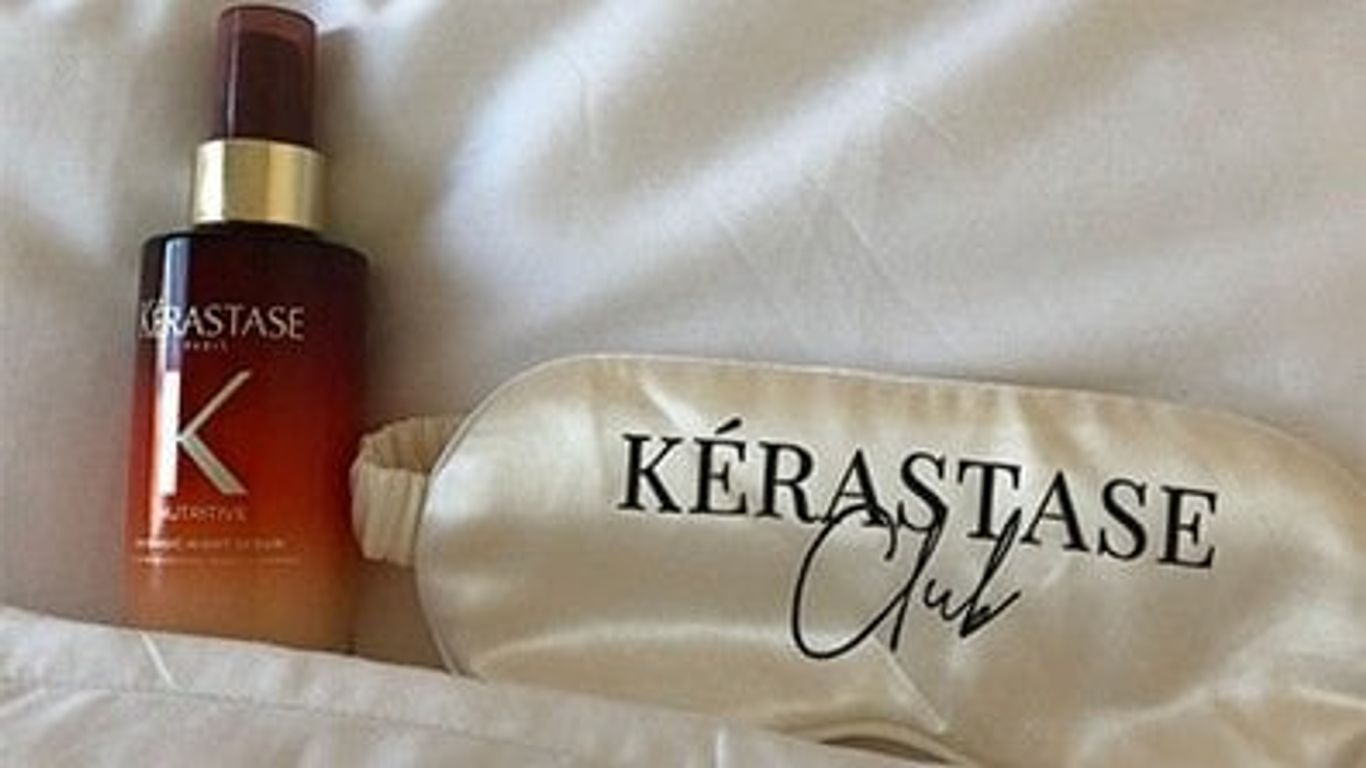
So, how do Redken and Kerastase actually stack up when people use them day-to-day? It's one thing for a brand to talk a big game, but it's another when you see what regular folks are saying after they've washed and styled their hair.
Real-World Efficacy: Addressing Common Hair Concerns
People are looking for solutions, plain and simple. Whether it's hair that feels like straw, frizz that just won't quit, or color that fades too fast, we want products that actually do something. Redken often gets points for its targeted lines, like the Acidic Bonding Concentrate, which many users report makes a noticeable difference in the strength and feel of damaged hair. On the flip side, Kerastase is frequently praised for its luxurious feel and immediate smoothing effects, especially for those battling frizz or seeking that high-shine finish.
Customer Ratings and Social Proof
When you're scrolling online, what do you look at? Probably the star ratings and how many people have reviewed it, right? It's a pretty good indicator of what's working. Both brands generally score well, but it's worth digging into why. High ratings for Redken might point to specific product lines solving a particular problem effectively, while Kerastase might get top marks for overall hair health and a premium experience. It's like checking reviews before buying anything online – you want to see that lots of people had a good experience.
The Value Proposition: Price vs. Performance
Let's be real, price is a factor for most of us. You want to know if you're getting your money's worth. Redken often sits in a slightly more accessible professional range, making it a go-to for many who want salon-quality without the absolute top-tier price tag. Kerastase, however, is positioned as a luxury item. People who splurge on Kerastase often feel the results justify the higher cost, citing the superior texture, scent, and long-term hair improvements. It really comes down to what you prioritize – is it a noticeable, immediate fix, or a more indulgent, long-term investment in your hair's health and appearance?
The most popular hair products, regardless of brand, tend to be the ones that clearly solve a common hair problem. Think about it: if your hair is super dry, you're going to look for something that promises moisture. If it's frizzy, you want frizz control. Brands that nail this, and can prove it with good reviews, are the ones that fly off the shelves. It’s less about fancy marketing and more about what actually works in your shower.
Ingredient Deep Dive: What's Inside?
Okay, so we've talked about what these brands do, but what about what's actually in the bottles? It's easy to get lost in all the fancy marketing terms, but understanding the key ingredients can really help you figure out which product is right for your hair. Let's break it down.
Bonding Technologies and Strengthening Agents
This is a big one, especially for hair that's seen better days – think heat styling, coloring, or just general wear and tear. Brands are really pushing "bond-building" or "repair" technologies. Essentially, these ingredients work to mend the broken bonds within the hair's structure. Redken's Acidic Bonding Concentrate line, for example, heavily features citric acid and their "Concentrated Complex." Citric acid is an alpha hydroxy acid (AHA) that helps to strengthen weakened hair bonds from the inside out. It's like giving your hair a little internal scaffolding.
Kerastase also has its own approach to strengthening. While they might not always use the exact same buzzwords, their formulas often include ingredients like amino acids and proteins (like keratin) that are the building blocks of hair. These help to fill in gaps and smooth the hair cuticle, making it feel stronger and look shinier.
Here's a quick look at some common strengthening players:
- Citric Acid: Found in Redken's ABC line, helps reinforce internal hair bonds.
- Proteins (Keratin, Wheat Protein, Soy Protein): These are like the bricks and mortar for your hair, filling in damage and adding strength.
- Amino Acids: Smaller components of proteins that help rebuild and repair.
- Biotin: Often included for its role in hair health, though its direct impact on repairing damage is debated.
Nourishing Oils and Hydrating Ingredients
This is where you find the ingredients that make hair feel soft, smooth, and moisturized. Both Redken and Kerastase use a variety of oils and humectants to tackle dryness and brittleness.
Redken's All Soft line is a prime example, often featuring ingredients like argan oil. Argan oil is packed with fatty acids and vitamin E, which are great for moisturizing and adding shine without making hair greasy. They also use things like hyaluronic acid, which is a humectant, meaning it draws moisture from the air into your hair.
Kerastase, being the luxury brand, often incorporates more exotic or high-end oils. Think ingredients like iris extract, ceramides, and various plant-based oils. Ceramides are lipids that are naturally found in hair and help to seal the cuticle and retain moisture. These ingredients aim to provide deep nourishment and a luxurious feel.
The goal with these ingredients is to replenish lost moisture and lipids, making hair feel supple and look healthy.
Sulfate-Free and Gentle Formulations
This is a trend that's really taken off, and for good reason. Sulfates, like Sodium Lauryl Sulfate (SLS) and Sodium Laureth Sulfate (SLES), are powerful cleansing agents. They create that rich lather we often associate with clean hair, but they can also strip away natural oils, leading to dryness, frizz, and color fade. Both Redken and Kerastase offer sulfate-free options, especially in their lines designed for color-treated or sensitive hair.
When you see "sulfate-free," it usually means the brand is using gentler cleansing agents, often derived from coconut or other plant sources. These still clean the hair effectively but are much kinder, helping to preserve moisture and color. It's a good idea to look for these if your hair is dry, color-treated, or easily irritated.
Choosing the right shampoo isn't just about picking a pretty bottle. It's about understanding what your hair needs and what ingredients can actually provide that. Paying attention to the ingredient list can save you a lot of guesswork and lead to much better hair days.
Choosing Between Redken and Kerastase
So, you've read all about Redken and Kerastase, and now you're probably wondering which one is the right fit for your hair. It's not always a straightforward decision, right? Both brands have their strengths, and what works wonders for one person might not be the best for another. Let's break it down.
Identifying Your Hair Needs
Before you even think about which bottle to grab, you really need to get honest about what your hair is going through. Is it dry and thirsty? Is it feeling weak and prone to snapping? Maybe frizz is your biggest enemy, or perhaps you're rocking some vibrant color that needs protecting. Knowing your hair's main concerns is the first step to picking the right products.
Here’s a quick rundown of common hair issues and what to look for:
- Dryness/Brittleness: You'll want ingredients that add moisture and flexibility. Think rich oils, humectants, and maybe some gentle proteins.
- Damage/Breakage: Look for formulas that help rebuild the hair structure. Ingredients like keratin, ceramides, and bonding agents are your friends here.
- Frizz: Smoothing agents and ingredients that help seal the hair cuticle are key. Argan oil and certain silicones can help tame flyaways.
- Color-Treated/Blonde: These hair types need protection from fading and brassiness. Look for color-safe formulas and, for blondes, purple or blue-toned products.
- Scalp Issues: If your scalp is the problem, focus on gentle cleansing and ingredients that soothe or balance. Charcoal or tea tree oil can be helpful for buildup.
Picking the right products isn't just about the brand name; it's about matching the ingredients and the intended benefits to what your hair actually needs. Sometimes, a product that sounds amazing on paper just won't click with your specific hair type.
When to Opt for Redken
Redken often feels like the reliable workhorse of professional haircare. They're known for creating targeted solutions that really get the job done, especially when it comes to repairing and strengthening. If your hair is feeling a bit rough around the edges, maybe from heat styling or chemical treatments, Redken's focus on bonding and repair, like with their Acidic Bonding Concentrate line, can be incredibly effective. They tend to offer a more straightforward, results-driven approach that many people appreciate. Plus, their price point is generally more accessible than Kerastase, making it a great choice if you want professional-level results without the luxury price tag.
When to Indulge in Kerastase
Kerastase is where you go when you want to treat yourself and your hair. It’s the luxury experience. Their products are often formulated with high-end ingredients and have a reputation for delivering a truly pampering feel, from the scent to the texture to the way your hair feels afterward. If you're looking for that salon-quality, spa-like treatment at home, or if you have specific, persistent concerns like extreme dryness or scalp issues that you want to address with premium formulas, Kerastase might be worth the splurge. It’s about the overall sensory experience and the promise of top-tier, often innovative, hair care.
Exploring Affordable Alternatives and Dupes
Now, let's talk about the elephant in the room: price. Both Redken and Kerastase can put a dent in your wallet. The good news is, you don't always need those high-end brands to get great results. Many drugstore brands have stepped up their game significantly. You can often find products with similar key ingredients or that target the same hair concerns for a fraction of the cost. For example, if you love the idea of Kerastase's nourishing oils but not the price, you might find that certain L'Oréal Elvive or Garnier Fructis lines offer a comparable feel and performance. It just takes a little research to find those hidden gems that work for your hair and your budget. Don't be afraid to experiment with more affordable options – you might be surprised at what you find!
Deciding between Redken and Kerastase can be tough since both are great hair brands. Redken often focuses on salon-quality products for everyday use, while Kerastase is known for its luxurious, high-performance treatments. Think about what your hair needs most – is it everyday care or a special boost? Explore our selection to find the perfect match for your hair goals.
So, Which One Wins?
Alright, we've gone through a lot, right? It's pretty clear that both Redken and Kerastase have their own strengths. Kerastase really shines when you're looking for that super luxurious, salon-quality feel and are willing to spend a bit more for it. Their formulas are top-notch for specific issues. Redken, on the other hand, offers that professional performance but often at a more accessible price point, making it a solid choice for everyday use and tackling common problems like damage and dryness. Honestly, the 'best' one really depends on what your hair needs and what your budget looks like. Maybe you even use a mix of both? It's all about finding what works for you and your hair.
Frequently Asked Questions
What's the main difference between Redken and Kerastase?
Think of Redken as the super-smart stylist who knows exactly how to fix your hair's problems with special treatments. Kerastase is more like the luxurious spa for your hair, offering a fancy, pampering experience that makes your hair feel amazing. Redken focuses on fixing issues, while Kerastase aims for ultimate luxury and transformation.
Which brand is better for damaged hair?
Both brands have great options for damaged hair! Redken's Acidic Bonding Concentrate line is specifically designed to repair and strengthen hair that's been over-processed or is very damaged. Kerastase also has lines like Resistance that focus on rebuilding hair strength. It really depends on how damaged your hair is and what kind of results you're looking for.
Are Kerastase products worth the high price?
Kerastase products use high-quality ingredients and advanced formulas, which is why they cost more. Many people find they are worth the splurge because the results are often very noticeable and luxurious. However, there are also great, more affordable alternatives that can give you similar benefits if you're on a budget.
Can I use Redken and Kerastase products together?
You can definitely mix and match products from both brands! For example, you might use a Redken shampoo to address a specific concern like damage, and then follow up with a Kerastase conditioner or mask for extra luxury and shine. Just make sure the products you choose work well together for your hair type.
What are some good alternatives if I can't afford Kerastase?
You're in luck! Many drugstore brands offer fantastic dupes for Kerastase. For example, L'Oréal Paris Elvive Extraordinary Oil products are often compared to Kerastase's hydrating lines. Tresemmé Pro Pure Damage Recovery is a good option for repairing strength. Look for ingredients like argan oil, keratin, and ceramides in more affordable brands.
How do I know which Redken or Kerastase product is right for me?
The best way is to figure out your main hair concern. Is it dryness, frizz, damage, or color fading? Redken often has very targeted solutions for specific problems. Kerastase offers a range from intensive repair to luxurious smoothing and volumizing. Reading product descriptions and reviews, or even asking a stylist, can help you choose the perfect fit for your hair's needs.







Laissez un commentaire