

Kérastase Shampoo for Dry Hair: How to Choose the Right Formula
Key Takeaways
A good shampoo choice starts with your scalp and hair’s actual needs, not just the word “dry” on the label. Use the formula and your results as guides, then adjust your routine as needed.
- Distinguish dryness from damage, frizz, or scalp discomfort.
- Match the cleanser’s richness to your hair’s texture and level of dryness.
- Read the ingredient list and consider sensitivities and color treatment.
- Focus shampoo on the scalp and condition the lengths separately.
- Reassess after several washes if your hair or scalp feels worse.
1. Understand what dry hair needs from a shampoo
Dry hair can feel rough or look dull, but those signs do not always point to the same cause. Shampoo is only one part of a routine, so start by noticing how your scalp feels as well as how your lengths behave. A useful choice should clean your scalp without leaving your hair feeling uncomfortably tight or rough. The aim is a comfortable wash, not a promise that one product will fix every concern.
How dryness differs from damage and frizz
Dryness describes a lack of comfortable softness or moisture, while damage refers to changes in the hair fiber that can follow heat, chemical processing, or wear. Frizz is a visible texture concern that can occur with dryness, but it is not proof of it. These issues can overlap, which is why the same rough-looking hair may benefit from a different routine depending on its history. Consider whether the texture changed gradually, after processing, or with a change in weather or washing habits.
Signs your hair needs more moisture
Hair that feels rough, looks dull, tangles easily, or seems less flexible may be asking for a gentler wash and more conditioning support. Pay attention to how it feels after rinsing and once it dries, rather than judging only by how it looks while wet. A tight, uncomfortable scalp is a separate clue worth noticing. Look at the pattern over time; a single wash or unusually dry day may not tell the whole story.
Why a gentle cleanse matters
A shampoo should remove everyday oil and residue, but an overly aggressive-feeling cleanse can leave dry lengths less comfortable. Try applying the lather mainly to the scalp and letting it rinse through the ends instead of scrubbing the full length. A few practical habits can make washing feel less harsh:
- Wet the hair thoroughly before adding shampoo.
- Use a modest amount and add water if it does not spread easily.
- Massage with fingertips rather than scratching with nails.
- Rinse well, then condition the lengths as needed.
If your ends still feel rough, consider whether they need more conditioning or less frequent washing, rather than automatically adding more shampoo.
When dry hair may also need scalp care
Dry lengths and a dry-feeling scalp can happen together, but they do not have to. If you have persistent itching, flaking, irritation, or discomfort, consider whether a scalp-specific concern may be involved instead of treating every symptom as ordinary hair dryness. A page for Kérastase Nutri-Supplement Scalp Serum describes a leave-on scalp serum for dry scalp, while Kérastase Spécifique Masque Réhydratant is described as a mask for dry, sensitive, or itchy scalps. If symptoms persist or worsen, seek advice from a qualified health professional.
2. Compare Kérastase shampoo options for dry hair
The phrase kerastase shampoo dry hair can cover a range of needs, from hair that is only a little parched to lengths that feel very dry. Start by checking the exact product name and the current directions, since product names and availability can change. Hair texture matters, too: a formula that feels comfortable on one person may feel heavy on another. The descriptions below are a starting point, not a substitute for checking the label.
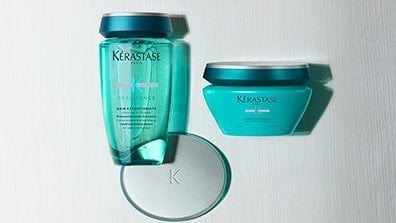
Nutritive Bain Satin for normal to slightly dry hair
The search result material identifies Bain Satin as an everyday option for normal to slightly dry hair. That makes it a reasonable starting point if your hair feels a little dry but does not need a particularly rich cleanse. Check the current label and product details before purchasing, and notice whether your scalp and lengths feel comfortable after washing. If your hair quickly feels coated or still seems dry, that is useful feedback to consider when adjusting your choice.
Nutritive Bain Satin Riche for very dry hair
The product information supplied for the three-step routine describes Bain Satin Riche as its cleanser for medium to thick, dry hair, alongside a mask and heat-protective care. This makes it a possible option to investigate when hair feels very dry and has a thicker texture. Read the current packaging for its intended use and directions before deciding. A richer product is not automatically the better choice for fine hair or a scalp that becomes oily quickly.
How to assess other Kérastase ranges for your hair concerns
When you look beyond the two options above, begin with the specific concern listed on the product page rather than assuming a range addresses every kind of dryness. The following comparison is a simple way to sort the questions you may want to answer before selecting a formula.
| What you notice | What to check | A useful next step |
|---|---|---|
| Dry lengths, little damage | Whether the product is described for dry hair | Compare the stated hair texture and level of dryness |
| Color-treated, dry strands | Whether the shampoo is intended for color-treated hair | Read its cleansing and color-care description |
| Brittle or over-processed hair | Whether damage or processing is specifically mentioned | Check whether the product is for damage rather than dryness alone |
| Itchy or flaky scalp | Whether the product addresses a scalp concern | Consider scalp-focused guidance if symptoms persist |
For example, Kérastase Chroma Absolu Bain Riche is described as a sulfate-free shampoo for color-treated hair, including dry, damaged, or sensitized strands. Meanwhile, Kérastase Bain Décalcifiant Réparateur is described for damaged or over-processed hair and hard-water calcium buildup. These are different concerns; compare the stated purpose rather than treating every dry-feeling strand as the same problem.
How to check current product names and availability
Product names, packaging, and stock can vary, so confirm the current listing before ordering. Look for the full name, size, directions, and intended hair type, then compare those details with the bottle you receive. If a product name on a listing differs from the name you have seen elsewhere, check the product description carefully instead of assuming the formulas are identical. That small pause can prevent a mismatch between the label and your needs.
3. Match the shampoo to your hair type and texture
Dryness is only one part of the choice; strand thickness, curl pattern, color treatment, and scalp oiliness can all affect how a cleanser feels. A formula that cleans comfortably may still leave fine hair weighed down or thick hair wanting more conditioning afterward. Use product descriptions as a first filter, then let your own wash experience guide the final decision. The linked product pages offer examples of how ranges may describe different hair types and concerns.
Choosing a formula for fine hair
Fine strands can feel coated more quickly, so consider whether the product is described as lightweight or intended for fine-to-medium hair. A conditioner designed for that texture may be more helpful than choosing an especially rich shampoo by default. For instance, Kérastase Nutritive Lait Vital is described as a lightweight detangling conditioner for dry, fine-to-medium hair. If fine hair still feels flat after washing, try using less conditioner near the roots before changing shampoo again.
Choosing a formula for thick or coarse hair
Thicker strands may feel more comfortable with a richer conditioning routine, but the scalp still needs a clean that suits its oil level. Check that the product description actually includes your texture and level of dryness, and avoid judging only by the word “nourishing.” The Kérastase Nutritive routine for medium to thick hair is described for very dry hair and includes a cleanser, mask, and heat-protective care. It can help you compare the kinds of steps a routine may include without assuming every step is necessary for you.
What to consider for curly or coily hair
Curly and coily hair can be dry along the lengths while the scalp has different needs, so distribute shampoo thoughtfully and condition the areas that need it. Consider how often you wash, how much product residue builds up, and whether tangling increases after cleansing. A suitable routine should make detangling manageable without leaving the scalp uncomfortable. If your texture or scalp needs are not clear from the product label, a stylist can help you think through the options.
Adjusting your choice for color-treated hair
Color-treated hair may need a shampoo that explicitly states it is intended for color-treated strands, especially if the hair also feels dry or sensitized. Check the product’s current description rather than relying on a broad assumption about all color-care formulas. Kérastase Chroma Absolu Bain Riche is described for color-treated hair and is said to cleanse while nourishing and hydrating. If color preservation is a priority, follow the package directions and consider how your hair feels after several washes.
4. Read the label and assess the formula
A product name can signal the intended concern, but the label is where you confirm the details. Read the directions, ingredients, warnings, and stated hair type before using a new shampoo. This is especially worthwhile if your scalp is sensitive or your hair has been chemically treated. A formula can support a routine, but it cannot identify the cause of every dry or uncomfortable feeling.

What moisturizing ingredients can tell you
Ingredients such as oils, conditioning agents, or humectants can help you understand the character of a formula, but no single ingredient guarantees a particular result. Consider the full ingredient list and the intended use described by the product maker. The Kérastase Nutritive routine for fine-to-medium dry hair, for example, is described as a lightweight hydrating routine that gently cleanses, nourishes, detangles, and helps protect against frizz and heat. That type of description can help you assess whether the listed routine matches your own priorities.
How to balance cleansing and conditioning
Shampoo cleanses; conditioner and masks can add a different kind of care to the lengths. If your hair feels dry after washing, think about whether the cleanser feels too strong, whether the conditioner is sufficient, or whether you are washing more often than you need to. Kérastase Masquintense is described as a lightweight conditioning mask for very dry, fine-to-medium hair, while Kérastase Masquintense Riche appears in a routine for medium-to-thick, very dry hair. Match the described texture and directions to your own hair rather than adding every step at once.
How fragrance and sensitivities may affect your choice
Fragrance and other ingredients can matter if you know your scalp reacts to certain products. Scan the full ingredient list and patch test according to the product directions when appropriate; stop using a product if it causes irritation. A shampoo that suits a friend may not suit a sensitive scalp, and a “dry hair” label does not guarantee that a formula will be comfortable for everyone. For ongoing or severe irritation, consider professional medical advice.
Why a shampoo alone may not address every cause of dryness
Dryness can be affected by heat styling, chemical services, weather, water, and how often hair is washed. Shampoo can be one part of a routine, but it may not address damage or scalp symptoms on its own. For example, Kérastase Bain Force Architecte is described as a shampoo for damaged, weakened hair, while Kérastase Bain Après-Soleil is described for hair exposed to sun, chlorine, or salt. Those specific descriptions point to different concerns, so consider what has changed in your hair before choosing a product.
5. Use Kérastase shampoo without stripping your hair
Even a suitable formula can feel wrong if it is used in a way that leaves the scalp either under-cleansed or uncomfortable. Use the product as directed, focus application where cleansing is needed, and judge the result over several washes. A little adjustment in technique can be more sensible than switching products immediately. Keep the lengths’ conditioning needs separate from the scalp’s cleansing needs.
How much shampoo to use and where to apply it
Start with a small amount on thoroughly wet hair, concentrating it on the scalp and roots. Add water and work the lather through with your fingertips; the rinse will carry cleanser along the lengths. If you have a lot of hair or product buildup, you may need to adjust the amount, but avoid piling on extra shampoo just because the foam seems light. Rinse thoroughly and condition the areas that need it.
When to shampoo once or lather twice
One wash may be enough when the scalp is not oily and there is little styling-product residue. A second lather can be useful when the first wash does not remove buildup, but it is not a rule for every wash day. If a second cleanse consistently leaves your hair feeling rough or your scalp tight, return to a single wash and reassess. The right approach is the one that leaves the scalp clean without making the lengths feel stripped.
How to adjust wash frequency to your scalp
Choose your schedule around how your scalp feels and how quickly it becomes oily, rather than following a fixed timetable. Sweat, styling products, and daily habits may change how often cleansing feels useful. If your scalp gets irritated or your lengths become rough, try adjusting frequency gradually and note what changes. A simple record of wash days and how your hair feels afterward can make the pattern easier to see.
Pairing shampoo with conditioner or a hair mask
Conditioner is usually applied to the lengths and ends, while a mask can provide a more intensive conditioning step when the label calls for it. Select products with descriptions that fit your texture and concerns; for example, Kérastase Nutritive Bain Satin is presented within a routine for fine-to-medium dry hair. A Kérastase Nutritive Super Serum Trio is described as a three-serum routine for dry hair from scalp to ends, while Kérastase Résistance Sérum Thérapiste is described for damaged, over-processed hair. These examples address different stated concerns, so avoid layering products without a clear reason.
A short demonstration can also make shampooing technique easier to picture, though your own product directions should remain the guide.
6. Shop carefully and evaluate your results
Before buying, check the seller, product name, size, and return or shipping details. A lower price may not tell you whether a listing is current or appropriate for your hair, so compare the full product information. Once you begin using a shampoo, give yourself enough washes to notice a pattern, unless irritation means you should stop sooner. Your scalp’s comfort and your hair’s feel matter more than a product’s promise on its own.
How to buy authentic Kérastase products
The supplied retailer information says it is an authorized retailer for the brands it carries and sources products directly from brands. When shopping online, check that the seller clearly identifies the product and provides usable customer-support information. Be cautious with listings that have incomplete descriptions, inconsistent product names, or unclear packaging details. If you have doubts, contact the seller before ordering.
What to check when comparing sizes and prices
Compare like with like: check the volume, full product name, and whether the listing is for a single product or part of a set. Also review shipping costs and any conditions that affect the final price. The retailer information states that orders are processed within one to two business days, with delivery times depending on location, so check current shipping details before completing a purchase. For a routine rather than a single bottle, Kérastase Nutritive routine for medium-to-thick dry hair is described as a three-step set; compare its listed contents with what you actually want to use.
How long to try a shampoo before reassessing
If the product feels comfortable, use it consistently for several washes and notice whether cleansing feels balanced and your hair remains manageable. There is no universal number of days that guarantees a result, and changes in weather or styling can affect your impression. Keep other routine changes minimal while you assess the shampoo, so it is easier to identify what is helping or bothering you. Stop sooner if you develop irritation or a concerning reaction.
Signs the formula may not suit your hair or scalp
Persistent tightness, increased irritation, a coated feeling, or hair that becomes harder to detangle may be reasons to reconsider the formula or technique. Dryness can also be related to damage: Kérastase Bain Force Architecte and Kérastase Soin Premium Therapiste are described for damaged or weakened hair, rather than as universal dryness solutions. If breakage is a concern, Kérastase Usure Strengthening Hair Conditioner, Kérastase Bain Extentioniste, and Kérastase Genesis Bain Hydra Fortifiant have descriptions focused on strengthening or protecting weakened hair. For a product intended for an oily scalp or roots, check the details of Kérastase Bain Elixir Ultime rather than assuming that a nourishing shampoo is right for every scalp. You can shop hair-care products after checking the product details and your needs.
Conclusion
Choosing a shampoo for dry hair is less about finding a single perfect bottle and more about matching the cleanser to your scalp, texture, and level of dryness. Read the label, use a gentle technique, and reassess how your hair feels over time; if a formula causes discomfort, stop and consider another approach.
Frequently Asked Questions
How can I tell if my hair is dry or damaged?
Dryness often feels like roughness or a lack of softness, while damage may involve brittleness, breakage, or changes after heat or chemical processing. The two can overlap, so consider your hair’s history as well as its current feel.
Should shampoo be applied to the ends?
Usually, apply shampoo mainly to the scalp and roots, then let the lather rinse through the lengths. Condition the ends separately if they need extra softness or detangling.
Is it better to wash dry hair less often?
Not necessarily. Choose a frequency that keeps your scalp comfortable and clean without leaving the lengths feeling rough. Adjust gradually and notice how your hair responds.
Should I shampoo twice every time I wash?
No. A second lather may help when there is noticeable residue, but one wash is often enough. If double cleansing leaves your scalp tight or lengths rough, try washing once.
Can fine hair use a rich shampoo?
It can, but richer formulas may feel heavy on some fine hair. Check the product’s stated hair type, start with a small amount, and see how your hair feels after rinsing and drying.
What should I do if my scalp itches after washing?
Stop using the product if it causes irritation and review its ingredients and directions. Persistent or severe itching, flaking, or discomfort may need advice from a qualified health professional.
How long should I wait before changing shampoos?
If the shampoo feels comfortable, assess it over several washes rather than judging from one use. Stop sooner if you experience irritation or a concerning reaction.







Laissez un commentaire