

Groovy Guide: Iconic 70s Hairstyles That Are Making a Comeback
Remember those cool hairstyles from the 70s? Well, they're back! Think big volume, lots of layers, and styles that really stood out. These iconic looks from the 1970s are popping up everywhere again, proving that some trends just never go out of style. If you're looking for a fresh look or just want to revisit some classic vibes, these 70s hairstyles are totally worth checking out.
Key Takeaways
- The shag, with its choppy layers, is a relaxed yet stylish choice making a big comeback.
- Feathered hair, known for its soft, swept-away layers, offers a touch of retro glamour.
- The Afro remains a powerful symbol of natural beauty and bold self-expression.
- Farrah Fawcett's signature feathered layers are still a sought-after look for volume and movement.
- The mullet, once controversial, is now a daring fashion statement seen on many.
1. The Shag
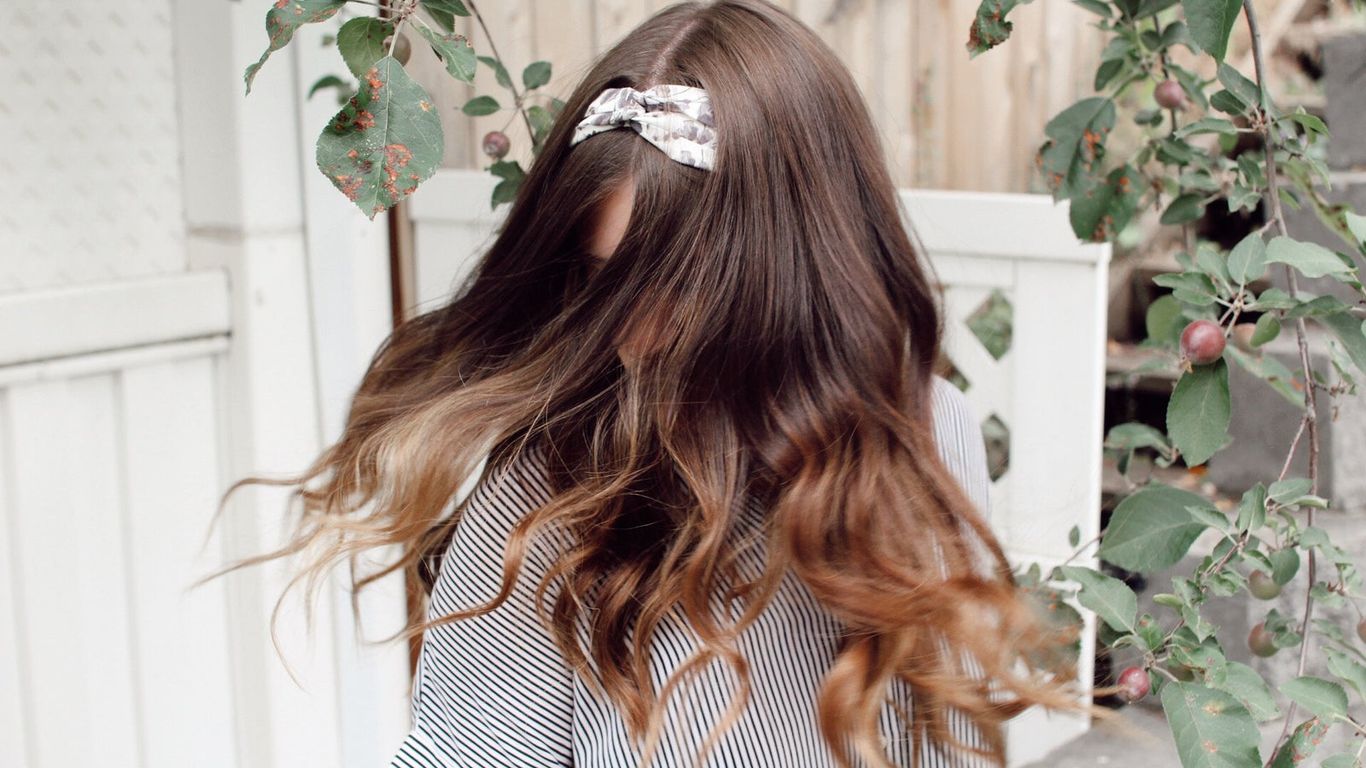
Oh, the shag. It’s one of those hairstyles that just screams the 70s, you know? Think Jane Fonda or Joan Jett – that effortlessly cool, slightly messy vibe. It’s basically a layered haircut that’s cut unevenly, giving it a really textured, almost choppy look. The layers are usually shorter around the crown and get longer towards the ends, which gives it that signature volume and movement. It’s not a super precise cut; the whole point is to look a bit undone, but in a good way.
What’s cool about the shag is how versatile it is. It works on pretty much all hair types and lengths, from short and sassy to long and flowing. You can really play with the layers to suit your face shape too. Want more volume? Add shorter layers up top. Want something a bit softer? Longer, blended layers might be the way to go.
The shag is all about embracing a bit of natural texture and movement. It’s the kind of haircut that looks good even when you just wake up, which is a major win in my book. It doesn't require a ton of styling, just a bit of product to define those layers and maybe a quick tousle with your fingers.
Here’s why it’s making a comeback:
- Effortless Cool: It has that laid-back, rock-and-roll feel that’s always in style.
- Low Maintenance: Seriously, you can wash it and go, or add a little texturizing spray and you’re set.
- Adaptable: Works with waves, curls, or straight hair, and can be customized for different face shapes.
- Volume Booster: Those choppy layers add a ton of body, especially to finer hair.
The shag haircut is a masterclass in controlled chaos. It’s designed to look like you just rolled out of bed after a night of dancing, but with a stylish edge. The key is in the strategic layering that creates movement and a lived-in feel, making it both rebellious and chic.
2. The Feathered Cut
Okay, so picture this: the 70s were all about movement and volume, and the Feathered Cut totally nailed that vibe. It’s like the hair had a life of its own, you know? Think layers, but not just any layers. These were strategically cut to flip outwards, giving this really soft, airy look. It was super popular for both guys and gals, and honestly, it’s got this cool, laid-back feel that’s easy to see why people are bringing it back.
The magic of the Feathered Cut is in how the layers are angled to sweep away from the face. It’s not a blunt cut at all; it’s all about blending and creating that signature outward flick. You’d often see it with a middle part, which just added to that effortless, breezy style. It worked on a lot of hair types, but it really shone on medium to long hair where there was enough length to really get that feathering effect.
Here’s what made it stand out:
- Layering: The key was the graduated layers, shorter at the top and getting longer towards the ends.
- The Flip: Hair was styled to curve outwards, away from the face, creating that feathered look.
- Versatility: It could be worn sleek and smooth or a bit more tousled and casual.
- Face Framing: The outward layers helped to soften facial features.
This style was a big deal because it moved away from the super-structured looks of the 60s. It felt more natural, more free-spirited, which really fit the mood of the 70s. It was a way to have a bit of drama without looking like you tried too hard.
Getting that perfect feathered look back then usually involved a good blow-dry with a round brush, really lifting the roots and directing the ends outwards. A bit of mousse or hairspray helped keep that shape without making it stiff. It’s a style that’s all about that subtle, graceful movement, and that’s probably why we’re seeing it pop up again. It’s just got that timeless appeal.
3. The Afro
The Afro is more than just a hairstyle; it's a powerful statement of identity and pride. During the 70s, it became a symbol of Black culture and empowerment, celebrated for its natural beauty and volume. It's a style that requires minimal heat styling and embraces the hair's natural texture, making it a fantastic choice for those looking to reduce damage and showcase their curls.
Caring for an Afro involves a few key steps to keep it healthy and looking its best:
- Moisture is Key: Afro-textured hair tends to be drier, so regular deep conditioning treatments are a must. Look for products rich in natural oils and butters.
- Gentle Detangling: Always detangle when your hair is damp and coated with a conditioner or leave-in product. Use a wide-tooth comb or your fingers, starting from the ends and working your way up to avoid breakage.
- Protective Styling: While the Afro is a style in itself, consider protective elements like satin bonnets or pillowcases at night to minimize friction and moisture loss.
- Shaping and Definition: Use a pick to lift the roots and shape the Afro to your desired look. For more definition, curl-defining creams or gels can be applied to damp hair before air-drying.
This iconic style is making a strong comeback, celebrated for its versatility and bold aesthetic. It's a look that can be adapted to various lengths and shapes, from a tightly coiled halo to a more voluminous, gravity-defying cloud.
The Afro is a testament to the beauty of natural hair. It's a style that doesn't conform but rather celebrates individuality and heritage. Its resurgence is a welcome reminder of the power of embracing one's true self.
4. The Farrah Fawcett
Oh, Farrah Fawcett. What a legend. Her hair in the 70s was just… iconic. It was all about that feathered look, you know? Big, bouncy, and with those layers that just seemed to have a life of their own. It wasn't just a haircut; it was a statement. It made you feel glamorous, even if you were just running errands.
This style basically defined 70s bombshell hair.
Getting that Farrah Fawcett look wasn't exactly simple, but here's a general idea of what went into it:
- Washing and Drying: Start with clean, damp hair. Blow-drying was key, usually with a round brush to get that volume.
- Sectioning: Hair was typically sectioned off to work on different parts, especially around the face.
- The Feathering: This involved using a blow dryer and a brush to lift the hair at the roots and then flicking the ends outwards. Sometimes, rollers were used to set the shape.
- Finishing Touches: A good hairspray was a must to keep all that volume and shape in place.
It was a style that really framed the face beautifully, giving a soft yet confident vibe. You saw it everywhere, from magazine covers to the big screen, and everyone wanted a piece of that Farrah magic.
The Farrah Fawcett hairstyle was more than just a trend; it was a cultural phenomenon that captured the spirit of the 1970s. Its blend of volume, movement, and effortless glamour made it instantly recognizable and widely emulated, solidifying its place in hair history.
5. The Mullet
Oh, the mullet. It's the hairstyle that just won't quit, is it? Business in the front, party in the back – that's the classic way to describe it, and honestly, it still holds up. This look was everywhere in the 70s, and while it might have had some questionable moments in later decades, it's definitely having a moment again. It’s not just for rock stars anymore; you see it on all sorts of people now, from skaters to fashionistas.
What makes the mullet so enduring? It’s a style that offers a lot of versatility. You can go for a super short, choppy version, or something a bit longer and more blended. The key is that contrast between the shorter front and the longer back. It’s a bold choice, for sure, but that’s probably why it keeps coming back.
Here’s a quick breakdown of why it works:
- Distinctive Silhouette: The contrast is the main event. It’s instantly recognizable.
- Adaptable Lengths: From subtle to extreme, you can tailor it to your vibe.
- Low Maintenance (Sort Of): Once you get the cut, styling can be pretty straightforward, though you might need a good texturizing spray.
- Nostalgic Appeal: It taps into that retro cool that’s always in style.
The mullet isn't just a haircut; it's a statement. It says you're not afraid to be a little different, a little edgy, and maybe a little bit fun. It’s a style that has a history, and it’s interesting to see how it’s being reinterpreted today by a whole new generation.
It’s funny how trends cycle. What was once considered a bit wild or even a joke can become totally chic again. The mullet is a prime example of that. It’s a cut that really frames the face while still giving you that flowy, longer look in the back. Definitely one to consider if you’re looking for a change.
6. The Bowl Cut
The bowl cut. Yeah, it's back. This style, which basically looks like someone placed a bowl on your head and then just cut around it, was everywhere in the 70s. Think of it as the ultimate no-fuss haircut. It's got a blunt, rounded shape that frames the face, and it works surprisingly well for a lot of different hair types. It’s not just for kids anymore, though. Grown-ups are rocking it too, often with a bit of a modern twist.
This haircut is all about clean lines and a distinct silhouette.
What makes the bowl cut so interesting is its simplicity. It doesn't require a lot of styling, which is probably why it's making a comeback in our busy lives. You can wear it super sleek and straight, or add a little texture for a more relaxed vibe. It’s a statement, for sure, but a pretty cool one.
Here’s a quick rundown of why it’s gaining traction again:
- Low Maintenance: Seriously, wash and go is the name of the game.
- Versatile Shape: It can be adapted to suit different face shapes and hair textures.
- Retro Appeal: It taps into that nostalgic 70s aesthetic that’s so popular right now.
- Edgy Vibe: When done right, it can look really modern and a little bit daring.
This style is surprisingly adaptable. While the classic version is quite uniform, modern interpretations often play with length, layering, or even asymmetry to give it a fresh feel. It’s a cut that demands attention but is also incredibly practical for everyday life.
7. The Beehive
Okay, so the Beehive. This one is seriously dramatic, right? It’s all about volume, volume, and more volume, piled high on the head. Think of it as a sculpted cloud of hair. It was super popular in the early to mid-60s, but its roots are definitely in the late 50s and it totally fits the 70s comeback vibe because it’s so bold.
Getting that signature Beehive look wasn't exactly a quick process. It involved a lot of backcombing, hairspray, and often, some kind of structure underneath to keep it all up. It’s a style that demands attention, and honestly, it’s kind of amazing how they managed to keep those towering creations in place.
Here’s a rough idea of how it was done:
- Start with clean, dry hair. This is key for getting good grip and volume.
- Section the hair. Usually, the top and front sections were worked on last.
- Backcomb like crazy. This is where all the height comes from. You tease the hair from the ends up towards the roots.
- Smooth and shape. Once you have the volume, you gently smooth the outer layers to create that rounded, beehive shape.
- Hairspray, lots of it. To make sure it stayed put, a generous amount of strong-hold hairspray was a must.
This hairstyle was a real statement piece, a symbol of glamour and a bit of playful rebellion. It’s the kind of look that makes you feel like you could conquer the world, or at least, the dance floor.
While it might seem a bit much for everyday wear now, the Beehive's dramatic silhouette and the sheer effort involved in creating it make it a fascinating style. It’s a testament to the creativity and boldness of hair styling back then. It’s not just hair; it’s architecture.
8. The Flippy Bob
Oh, the flippy bob! This hairstyle is all about that playful, outward flick at the ends, usually hitting somewhere around the chin or jawline. It’s got this bouncy, energetic vibe that just screams fun. Think of it as the bob’s more spirited cousin.
It’s the kind of cut that adds instant movement and a touch of sass to your look.
What makes it so great is its versatility. You can rock it sleek and polished for a more sophisticated feel, or go a bit messier for a casual, everyday style. It works with pretty much any hair texture, too, which is a big plus.
Here’s why it’s making a comeback:
- Effortless Chic: It looks put-together without trying too hard.
- Face-Framing: The flick can really highlight your cheekbones and jawline.
- Easy to Style: Seriously, a quick blast with a hairdryer and a round brush is often all you need.
- Retro Appeal: It’s got that undeniable vintage charm that’s super trendy right now.
This style is perfect for anyone looking to shake up their current look without a drastic change. It’s a subtle nod to the past that feels totally fresh for today.
Getting the flippy bob right is all about the ends. You want that distinct outward curl. A good blow dryer and a medium-sized round brush are your best friends here. Aim the heat at the ends and flick outwards as you dry. A little bit of texturizing spray can help give it that lived-in, cool-girl finish. It’s a style that’s both classic and modern, and honestly, who doesn’t love a good bob with a bit of flair?
9. The Wedge
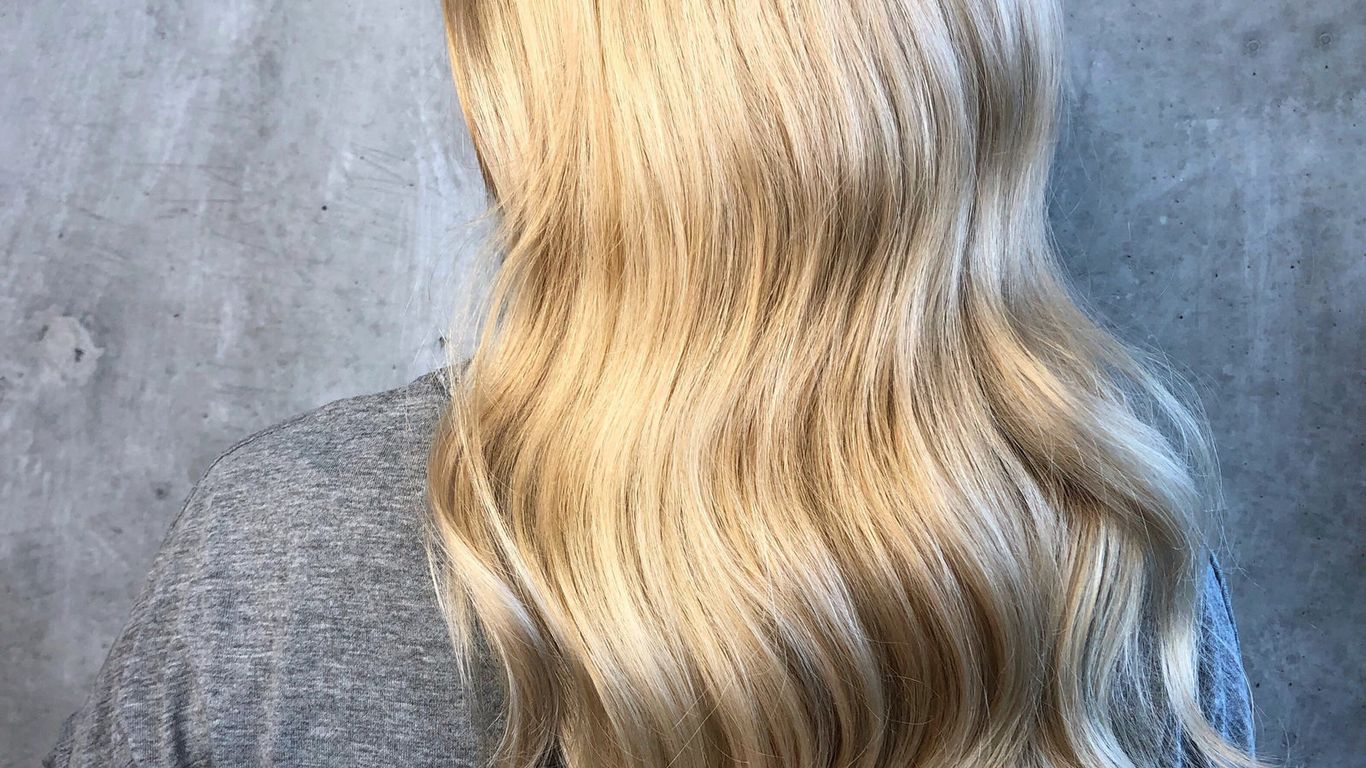
The Wedge hairstyle from the 70s was all about sharp lines and a geometric shape. Think of it as a more structured, less voluminous cousin to the shag or feathered cuts. It was often shorter in the back and angled down towards the front, creating a distinct wedge or A-line silhouette. This style was super popular because it was relatively low-maintenance but still looked really put-together.
It offered a sleek, modern look that was a departure from some of the more elaborate styles of the era.
What made the Wedge stand out?
- Sharp Angles: The cut featured distinct lines, often with the hair angled forward.
- Sleek Finish: Unlike shaggier styles, the Wedge was typically worn smooth and straight.
- Versatility: While often seen on shorter hair, variations could be adapted for different lengths.
This style really suited people who wanted something chic and easy to manage. It wasn't about big curls or layers; it was about clean, defined shape. You'd often see it with a side part, emphasizing the angled cut. It’s a look that’s surprisingly easy to bring back today, especially if you like a more minimalist vibe.
The Wedge was a statement of understated cool. It proved you didn't need a lot of fuss to look stylish and modern. It’s a cut that still feels fresh and can be adapted for a contemporary twist.
10. The Perm
Oh, the perm. It's one of those hairstyles that really defined an era, and honestly, it's been making a comeback in a big way. Back in the 70s, it wasn't just about getting a little wave; it was about volume, texture, and a whole lot of attitude. Think big, bouncy curls that added instant drama and a carefree vibe to any look.
The magic of the perm lies in its ability to transform straight hair into a cascade of curls or waves, offering a dramatic change that was hugely popular. It was a way for people to experiment with their look without committing to a drastic cut. Plus, it made styling so much easier for many – just wake up and go, sort of.
Here's a little breakdown of why it was so big:
- Volume Boost: Perms added serious body to hair that might have been flat or limp. It was all about that full, voluminous silhouette.
- Texture Play: Whether you wanted tight coils or loose, beachy waves, there was a perm solution. It opened up a world of styling possibilities.
- Low Maintenance (Relatively): Once you had the perm, daily styling often involved less heat and fuss. A good scrunch and some product could do the trick.
- Versatility: From the shag to the feathered cut, perms could be incorporated into many of the decade's popular styles, adding an extra layer of texture and movement.
It's interesting to see how the modern perm has evolved. Today's techniques are often gentler, and the results can be more natural-looking, but the core appeal – that effortless, textured volume – is definitely still there. It’s a testament to how a good hairstyle can truly stand the test of time.
The perm was more than just a chemical treatment; it was a statement. It represented a shift towards more expressive and less rigid beauty standards, allowing individuals to embrace a bolder, more textured version of themselves. It was about freedom and fun, bottled up and set loose in a cloud of curls.
Thinking about changing your look with a perm? This popular hair treatment can give you bouncy curls or waves that last. It's a great way to add volume and style to your hair. Want to learn more about perms and find the right products for your new style? Visit our website for expert tips and a full range of hair care solutions.
Ready to Rock Your Retro Look?
So, there you have it. The 70s were a wild time for hair, and it's pretty cool seeing these styles pop up again. Whether you're feeling the shag, the feathered look, or something else entirely, these trends prove that good style never really goes out of fashion. Don't be afraid to experiment a little and see which of these iconic looks works best for you. It’s all about having fun with your hair and maybe channeling a bit of that 70s spirit. Go ahead, give it a try!
Frequently Asked Questions
Are these 70s hairstyles still popular today?
Totally! Many of these classic 70s looks are back in style. Think of the shag and the feathered cut – they're everywhere now. It's cool how old trends can feel fresh again.
How can I get a 70s hairstyle like the Shag?
To get a shag, you'll want lots of layers and a bit of a messy, undone look. It's usually cut shorter around the face and gets longer towards the bottom. Ask your stylist for choppy layers!
Is the Afro still a common hairstyle?
Yes, the Afro is a beautiful and powerful style that has always been around. It's celebrated for its natural shape and volume. Many people rock it today as a statement of pride and style.
What's the best way to style the Farrah Fawcett look?
The Farrah Fawcett style is all about those soft, bouncy layers and flips. You'll need a good round brush and a hairdryer to create that volume and shape. A little hairspray helps keep it in place.
Can anyone wear a mullet today?
Absolutely! The mullet has made a major comeback and is super trendy. You can go for a classic version or a more modern take. It's a bold style that definitely turns heads.
Are perms difficult to maintain?
Perms can need a bit of extra care. You'll want to use products made for curly or permed hair and avoid brushing them too much when dry. A good routine will keep your curls looking great.




Laissez un commentaire