

Unlock Your Best Hair: Understanding What Curling Cream Does
So, you've got curls and you're wondering about curling cream. It's one of those products that seems to be everywhere in the curly hair world, but what exactly does curling cream do? It's not just another hair product; it's designed specifically to help your natural texture look its best. If you're tired of frizz or just want your curls to have more shape, this might be your new best friend. Let's break down what this stuff is all about and how it can help your hair.
Key Takeaways
- Curling cream helps define your natural curl pattern, making your waves and coils look more organized.
- It adds moisture to your hair, which is super important for curly types that can get dry easily.
- One of the main jobs of curling cream is to cut down on frizz, giving your hair a smoother look.
- This product can make your hair feel softer and look shinier, improving its overall appearance.
- Different curling creams have various ingredients, so picking one that suits your specific curl type and hair needs is a good idea.
Understanding What Curling Cream Does
Defining Curling Cream's Purpose
So, what exactly is curling cream supposed to do for your hair? Think of it as a leave-in conditioner with a specific mission: to help your curls look their best. It's not a styling gel that makes your hair stiff, nor is it a heavy butter that weighs everything down. Instead, curling cream aims to give your curls definition, make them feel softer, and cut down on that annoying frizz. It's designed to work with your natural curl pattern, not against it.
The Science Behind Curl Enhancement
Curling creams work by using a mix of moisturizing ingredients and polymers. The moisturizers, like shea butter or various oils, help to hydrate the hair shaft, making it more pliable and less prone to dryness. Polymers are the real magic makers here; they coat the hair strand, helping to clump curls together and hold their shape. This coating also smooths the hair cuticle, which is the outer layer of your hair. When the cuticle is smooth, light reflects off it better, giving your hair more shine. It also helps to keep moisture in and humidity out, which is a big win for frizz control.
Key Benefits for Curly Hair
Curly hair has a unique structure that can make it prone to dryness and frizz. Curling cream is formulated to address these specific needs. Here are some of the main things it does:
- Defines Curls: It helps your natural curl pattern form more defined, bouncy spirals instead of a frizzy mess.
- Moisturizes: It adds hydration, which is super important for keeping curls soft and preventing them from looking dull or feeling brittle.
- Controls Frizz: By smoothing the hair cuticle and providing moisture, it helps to keep flyaways and frizz at bay, even in humid weather.
- Adds Softness: Unlike some styling products that can leave hair feeling crunchy, curling cream aims to leave your hair touchably soft.
Curling cream is essentially a multi-tasker for curly hair. It hydrates, defines, and smooths, all while aiming for a natural, touchable feel. It's a go-to product for anyone looking to manage their curls without making them stiff or sticky.
How Curling Cream Transforms Your Hair
So, you've got curls, and you're wondering what this curling cream stuff actually does. It's not just another product to clutter your shower shelf; it's a game-changer for managing and styling your natural texture. Think of it as a multi-tasker that works to make your curls look and feel their best.
Achieving Definition and Shape
Curling cream is all about giving your curls structure. Without it, curls can sometimes look a bit fuzzy or lose their pattern, especially in humidity. This cream helps to clump your curl strands together, making them more defined and less prone to frizz. It's like giving each curl a little hug, keeping it in its natural spiral shape.
- Encourages curl clumping: Helps individual curls group together for a more cohesive look.
- Defines curl pattern: Works with your natural wave or curl type to make the pattern more visible.
- Provides light hold: Keeps your style in place without making your hair stiff or crunchy.
Boosting Moisture and Preventing Frizz
Curly hair tends to be drier than straight hair because the natural oils from your scalp have a harder time traveling down the spiral. Curling cream is usually packed with moisturizing ingredients that coat the hair shaft. This helps to seal in hydration, which is super important for keeping curls soft and preventing that annoying frizz that can pop up.
Frizz often happens when hair is looking for moisture. Curling cream acts like a barrier, keeping good moisture in and bad humidity out, which means smoother, happier curls.
Adding Shine and Softness
Beyond just controlling frizz and defining curls, curling cream also gives your hair a nice sheen. The ingredients in the cream can smooth down the hair cuticle, which is the outer layer of your hair. When the cuticle is smooth, light reflects off it better, making your hair look shiny. Plus, all that added moisture makes your curls feel incredibly soft to the touch, not dry or brittle.
Here's a quick look at what you can expect:
- Improved manageability: Easier to detangle and style.
- Noticeable shine: Hair looks healthier and more vibrant.
- Soft, touchable curls: No more straw-like texture.
Choosing the Right Curling Cream
Picking the right curling cream can feel like a puzzle, but it's totally doable once you know what to look for. It's not just about grabbing any bottle off the shelf; your hair's unique needs should really guide your choice. Think of it as finding the perfect partner for your curls.
Identifying Your Curl Type
First things first, figure out what kind of curls you're working with. This is super important because different curl patterns need different kinds of support. You've got everything from loose waves to tight coils, and each one behaves differently.
- Type 2 (Waves): These are looser, often with an 'S' shape. They can get weighed down easily, so lighter formulas are usually best. You might want something that gives definition without making them feel sticky or heavy.
- Type 3 (Curls): This is your classic curl, ranging from loose loops to tighter ringlets. These curls tend to be drier and can frizz up. You'll likely need a cream that offers good moisture and hold to keep those curls bouncy and defined.
- Type 4 (Coils): These are the tightest curls, often zig-zagging or coiling very closely. They are usually the driest and most prone to shrinkage and breakage. Richer, more moisturizing creams are a must here to help with definition, hydration, and manageability.
Ingredient Considerations for Healthy Hair
Once you know your curl type, check out the ingredient list. Some ingredients are like magic for curls, while others might not be the best fit. You want to look for things that add moisture and help your curls clump together nicely.
- Moisturizers: Think shea butter, coconut oil, argan oil, or glycerin. These are great for keeping dryness at bay.
- Proteins: Ingredients like hydrolyzed wheat protein or keratin can help strengthen your hair, which is especially good for Type 3 and 4 curls that can be more fragile.
- Avoidances: Some people prefer to skip silicones (especially non-water-soluble ones), sulfates, and drying alcohols, as these can sometimes strip moisture or build up on the hair over time.
It's really about finding a balance. You want ingredients that nourish and define without leaving your hair feeling greasy or stiff. Reading labels might seem like a chore, but it makes a big difference in how your hair looks and feels.
Formulations for Different Hair Needs
Beyond just curl type, consider your hair's overall condition. Is it fine and easily weighed down? Or is it thick and needs serious hydration? Maybe it's color-treated and needs extra protection.
- For Fine Hair: Look for lightweight creams that won't flatten your strands. Often, these will be water-based with lighter oils.
- For Thick or Coarse Hair: You can usually handle richer, more emollient creams that provide intense moisture and control.
- For Color-Treated or Damaged Hair: Seek out formulas with added proteins or bond-repairing ingredients to help rebuild and protect.
By paying attention to these details, you're way more likely to find a curling cream that makes your curls happy and healthy.
Applying Curling Cream Effectively
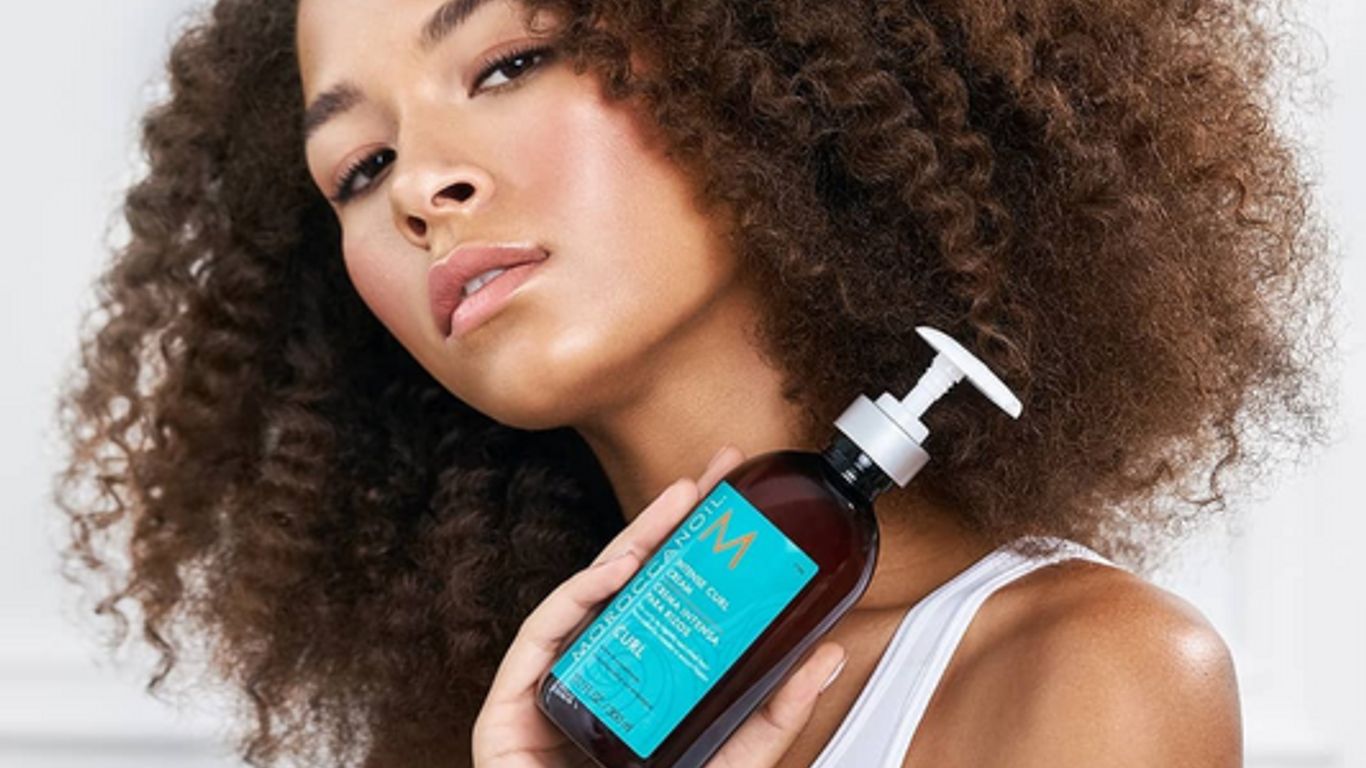
Okay, so you've got your curling cream, and you're ready to make those curls pop. But how you put it on really matters, you know? It's not just about slathering it everywhere. Getting it right means your curls will look defined, feel soft, and stay frizz-free way longer.
Best Practices for Application
First off, start with damp hair. Not soaking wet, but definitely not dry. Towel-dry it gently after washing, and then you're good to go. This helps the cream spread evenly and work its magic.
- Section your hair: This is a big one. Trying to apply cream to your whole head at once is a recipe for uneven distribution. Divide your hair into manageable sections, maybe four or six depending on how thick it is.
- Start with a small amount: You can always add more, but you can't take it away. Begin with a dime-sized amount for each section and add more if your hair needs it. Too much cream can weigh your curls down, making them look greasy or limp.
- Rake and smooth: Use your fingers to rake the cream through each section, making sure to coat every strand from root to tip. Then, smooth your hands down the hair shaft to help seal the cuticle and encourage curl formation.
- Consider your scalp: Try to avoid applying too much product directly to your scalp, especially if you have finer hair. Focus on the mid-lengths and ends where your curls need the most help.
Applying curling cream is a bit like frosting a cake. You want an even layer everywhere, but you don't want to overdo it in one spot or miss a section entirely. Patience and a methodical approach really pay off here.
Styling Techniques to Maximize Results
Once the cream is in, how you style it makes a difference. Different techniques can bring out different curl patterns.
- Scrunching: This is a classic for a reason. After applying the cream, gently cup sections of your hair in your hands and scrunch upwards towards your scalp. This encourages your natural curl pattern to form.
- Roping/Twisting: For more defined waves or curls, try taking small sections of hair and twisting them around themselves or rolling them between your palms like a rope. This helps to group the curls together.
- Finger Coiling: This is more time-consuming but gives amazing definition. Take a small piece of hair, apply a bit more cream if needed, and then wrap it around your finger, starting from the root and working your way down. Release the coil gently.
- Praying Hands: This technique involves smoothing the cream between your palms and then gliding your palms down sections of hair, from root to tip. It helps to clump curls together and reduce frizz.
Combining with Other Styling Products
Curling cream is great on its own, but sometimes it plays even better with friends. Think of it as the base layer for your curl style.
- Gel or Mousse: If you want extra hold that lasts all day, you can layer a gel or mousse over your curling cream. Apply the cream first, then scrunch in your gel or mousse. This combo is fantastic for fighting humidity and keeping your style intact.
- Leave-in Conditioner: If your hair is on the drier side, a leave-in conditioner applied before the curling cream can give you an extra boost of hydration. Just make sure your hair is still damp when you apply the curling cream afterward.
- Oils or Serums: For added shine and to seal the deal, a few drops of hair oil or serum can be applied to dry hair after it's fully styled and dried. This helps to break up any cast from gel and adds a nice sheen.
Beyond Basic Styling: Additional Benefits
Protecting Hair from Environmental Factors
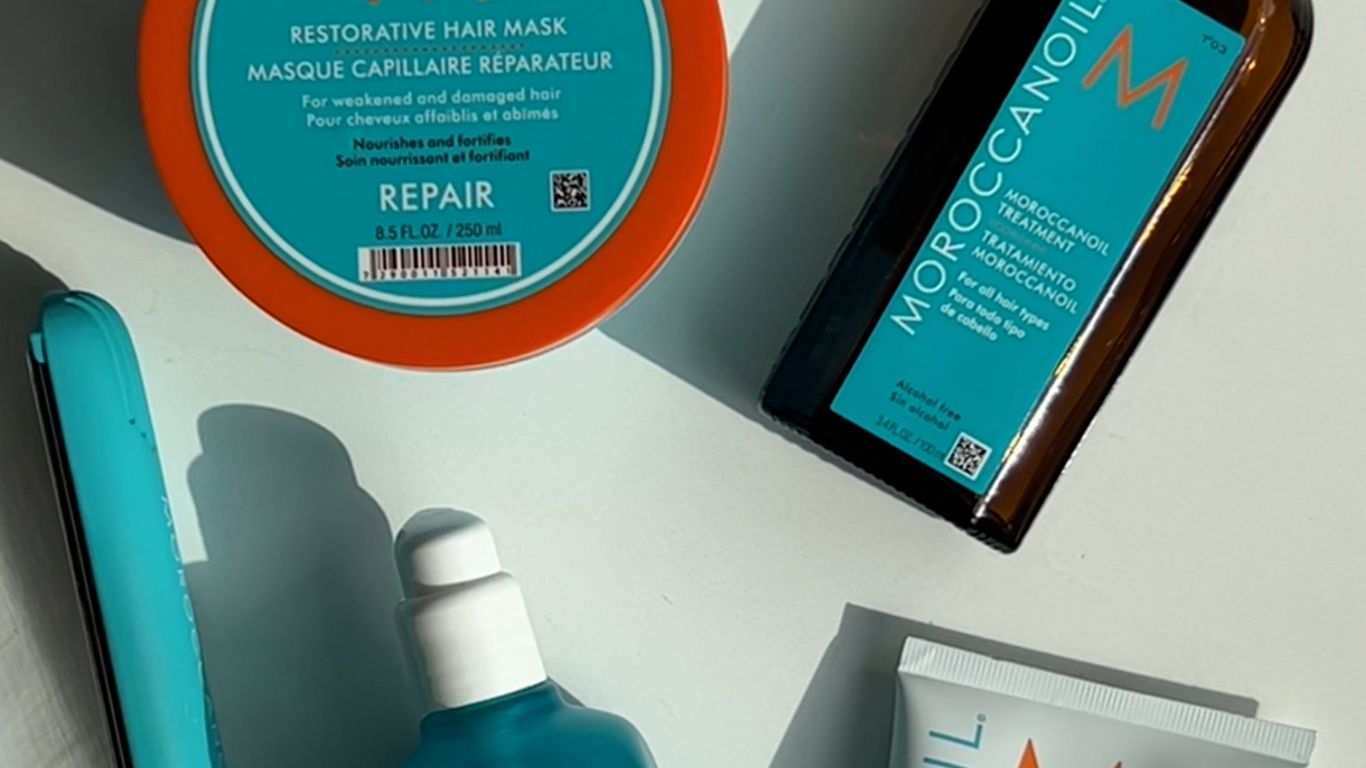
Curling cream isn't just about making your curls look good; it can actually help shield your hair from the everyday stuff that tries to mess it up. Think about things like the sun's UV rays, pollution in the air, or even just dry, windy weather. These things can make your hair feel brittle, look dull, and even lead to breakage. Many curling creams have ingredients that act like a little bodyguard for your strands. They can create a light barrier that helps keep the bad stuff out and the good stuff (like moisture) in. This protective layer is especially helpful if you spend a lot of time outdoors.
Enhancing Natural Texture
Sometimes, we spend so much time trying to create curls that we forget about what our hair is already trying to do. Curling cream can be a fantastic tool for really bringing out the natural pattern your hair already has, whatever that may be. It helps to group your strands together, making waves more defined and coils more springy. It's not about forcing a curl pattern that isn't there, but rather about giving your existing texture the support it needs to look its best. It can make a big difference in how your hair looks and feels, often with less effort than you might think.
Supporting Hair Health and Strength
Beyond the immediate styling benefits, many curling creams are packed with ingredients that are good for your hair's long-term health. We're talking about things like proteins, vitamins, and natural oils. These can help to strengthen the hair shaft, making it less prone to snapping. They also work to keep your scalp healthy, which is the foundation for good hair growth. Over time, using a curling cream that focuses on nourishment can lead to hair that feels softer, looks shinier, and is generally more resilient. It's like giving your hair a little boost of goodness with every use.
Here's a quick look at some common beneficial ingredients:
- Oils (like Argan, Coconut, Jojoba): These add moisture and shine, helping to smooth the hair cuticle.
- Proteins (like Keratin, Silk Amino Acids): These help to strengthen the hair structure, reducing breakage.
- Vitamins (like Biotin, Vitamin E): These support overall hair health and can contribute to a healthier scalp.
- Humectants (like Glycerin, Hyaluronic Acid): These draw moisture from the air into your hair, keeping it hydrated.
Using a curling cream regularly can be more than just a styling step; it can become part of a routine that actively improves your hair's condition. It's about working with your hair's natural tendencies while also giving it the care it needs to stay healthy and strong.
Our products do more than just make your hair look good. They also help keep it healthy and strong. Discover how our special formulas can give your hair the extra care it needs. Visit our website today to learn more and find the perfect products for you!
So, What's the Takeaway?
Alright, so we've talked about what curling cream actually does for your hair. It's not some magic potion, but it really does help define those curls and waves, making them look smoother and less frizzy. Think of it as a little helper for your hair's natural texture. Whether you have loose waves or tight coils, using a good curling cream can make a noticeable difference in how your hair looks and feels. It's worth trying out to see if it becomes a regular part of your hair routine. You might be surprised at how much easier styling becomes.
Frequently Asked Questions
What exactly is curling cream?
Curling cream is like a special helper for curly hair. It's a product that makes your curls look more defined, keeps them from getting frizzy, and makes them feel soft and shiny. Think of it as a moisturizer and shaper all in one for your curls.
How does curling cream make my curls look better?
It works by coating your hair strands. This helps to group your curls together, making them look more shaped and less like a messy tangle. It also adds moisture, which is super important for curly hair to stay smooth and not puff up with frizz.
Can anyone use curling cream?
Yes, curling cream is great for anyone with wavy, curly, or coily hair! Different types of curling creams are made for different curl patterns, from loose waves to tight coils. It's all about finding the right one for your hair's needs.
Will curling cream make my hair feel sticky or heavy?
Not usually! Good quality curling creams are designed to be lightweight. They add moisture and definition without making your hair feel stiff, sticky, or weighed down. You should still be able to move your hair and have it feel soft.
How often should I use curling cream?
You can use curling cream whenever you style your hair. Many people use it every time they wash their hair, or even on dry hair to refresh their curls between washes. It's a flexible product that fits into your regular hair routine.
Can I use curling cream with other hair products?
Absolutely! Curling cream works well with other styling products. You can layer it with gels for extra hold, or mousses for volume. It's often used as a base layer to add moisture and definition before applying another product.




Leave a comment