

How to choose Kérastase shampoo for frizzy hair
Key Takeaways
Frizz can have several causes, so a helpful shampoo choice starts with your scalp, hair texture, and the condition of your lengths. Small changes to washing and drying habits can matter just as much as the formula.
- Consider your scalp’s cleansing needs as well as your hair’s dryness.
- Choose a formula that suits your texture and does not leave hair feeling weighed down.
- Let shampoo cleanse the scalp; rinse it through the lengths rather than scrubbing them.
- Pair shampoo with conditioner and other care suited to your hair’s needs.
- Think of smoothing as manageability, not a promise of straight hair.
Why hair gets frizzy
Frizz is not one single hair concern with one single cause. Humidity, dryness, damage, and natural texture can all affect how smooth or defined hair looks from day to day. Understanding what is contributing to yours makes it easier to choose a shampoo and routine that feel appropriate, rather than reaching for the richest formula by default.
How humidity affects the hair cuticle
Hair can respond to moisture in the air, with the surface becoming less smooth and strands lifting or expanding. The effect may be more noticeable when hair is naturally wavy or curly, or when its surface is already roughened. A humid day can also change how a style sits even when your wash routine has not changed. That is why frizz sometimes seems seasonal or unpredictable.
The role of dryness and damage
When lengths are dry or damaged, they may feel rough, tangle more easily, and look less smooth. Heat styling, chemical processing, and everyday friction can all contribute to wear over time. Shampoo cannot reverse every cause of damage, but choosing a cleanser that does not leave lengths feeling parched can be a useful part of a gentler routine. Pay attention to how your hair feels after washing, not just how it looks while wet.
How texture and porosity influence frizz
Hair texture affects how strands sit together, while porosity describes how readily hair takes in and loses moisture. These traits help explain why the same shampoo can feel comfortable on one person and too rich or too drying on another. Rather than treating frizz as something to eliminate, consider whether you want more softness, less tangling, or better curl definition. Those practical goals give you a clearer basis for choosing care.
When frizz may signal a need to adjust your routine
A sudden change in how hair behaves can be a cue to review recent habits: perhaps you have increased heat styling, changed your wash frequency, or started spending more time in humid weather. If your lengths feel dry, consider whether your conditioner is giving them enough support; if your scalp feels coated, a lighter routine may suit you better. Start with one change at a time so you can tell what is helping. Persistent irritation or unusual shedding is a reason to seek professional advice rather than simply switching shampoos repeatedly.
What to look for in a Kérastase shampoo
Choosing a shampoo for frizz is less about finding a magic label and more about matching the cleanser to your scalp and lengths. Read the product description for the hair concerns and textures it names, then compare those details with what you notice after washing. If hard water or visible damage is part of your concern, a product page may describe care directed to that issue. The aim is a clean, comfortable scalp and lengths that feel manageable, not a one-size-fits-all result.
Cleansing strength and scalp needs
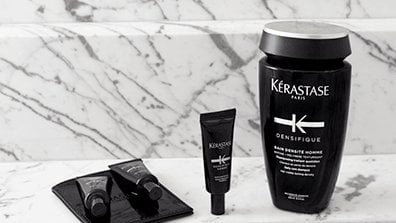
Start with your scalp: does it feel oily quickly, or is it easily irritated and uncomfortable? Your wash frequency and cleansing preference should respond to that, rather than to frizz alone. For example, the product description for Symbiose Bain Crème Apaisant says it gently cleanses while soothing sensitive, irritated scalps and is designed for all hair types and textures. The Symbiose routine is described for medium to thick hair prone to dandruff, with a focus on visible loose flakes and scalp comfort. These details are specific; they are not a reason to assume every scalp concern needs the same shampoo.
Moisture support for dry lengths
If your lengths feel dry, look for descriptions that speak directly to nourishment or hydration, and consider how much richness your hair can comfortably carry. The Nutritive hydrating routine is described for medium to thick, dry hair, while a separate Nutritive routine is described for fine to medium dry hair. The distinction between those descriptions is useful when you are comparing options. Choose based on your hair’s needs rather than assuming that more conditioning is always better.
Smoothing benefits without weighing hair down
A smoothing routine should leave hair feeling easier to manage without making it limp or coated. For fine hair, that may mean using a lighter conditioner or treatment on the ends; for thick or coarse lengths, richer care may feel more comfortable. Product descriptions can help you compare intended hair types, but your own experience matters too. If hair loses movement after washing, try changing how much conditioner you use before deciding the shampoo itself is unsuitable.
How to read product claims and descriptions
Descriptions are most useful when you treat them as a guide to intended use, not a promise that every result will be identical. A few examples can help clarify how narrowly to read a claim: Bain Décalcifiant Réparateur Shampoo is described as a gentle, sulfate-free shampoo that helps remove calcium buildup from hard water and care for keratin links. Chroma Absolu Bain Riche Chroma Respect is described as a sulfate-free shampoo that gently cleanses and nourishes color-treated hair. Those specific details can help you narrow a search, but they do not mean that either product is the right choice for every person with frizz. For more options, you can browse the collection and compare the listed hair concerns and textures.
How to choose based on your hair type
Your hair type can help you decide how much conditioning support to look for and where to apply it. Fine strands may be weighed down by too many rich layers, while thicker or curlier lengths may feel better with more moisture in the routine. Color-treated and chemically processed hair can have additional needs, so check product descriptions for those concerns specifically. Use the guide below as a starting point, then adjust according to how your scalp and lengths respond.
Fine hair that loses volume easily
Fine hair can feel soft yet fall flat when several rich products are layered together. A lighter shampoo and conditioner may be a more comfortable starting point, with extra care reserved for the ends if they feel dry. The Fondant Elixir Ultime Conditioner is described as a lightweight conditioner for fine to normal hair that hydrates, nourishes, and boosts shine without weighing hair down. That description can help inform a routine, though it does not replace checking how your own hair behaves.
Thick or coarse hair that needs more moisture
Thicker or coarse hair may benefit from a routine that gives dry lengths more conditioning support. Look for products whose descriptions specifically include the hair type and dryness you recognize, rather than choosing by the word “smoothing” alone. The Nutritive routine is described for medium to thick, very dry hair and includes cleansing, nourishment, and protection from heat and frizz. If lengths need added care after shampooing, the Discipline Oléo-Relax Mask is described as a deep-conditioning treatment for dry, unruly hair that smooths, softens, and improves manageability.
Curly and wavy hair prone to dryness
Waves and curls may become more visibly frizzy when lengths are dry or when the pattern is disturbed by rough handling. A shampoo should cleanse the scalp without making the lengths feel stripped; conditioner and careful drying help support the shape of the hair afterward. Think about whether you want softness, fewer tangles, or better definition, because each goal may call for a slightly different balance of products. A routine that preserves your natural texture is often more useful than trying to make every strand lie flat.
Color-treated or chemically processed hair
Color-treated and chemically processed hair can benefit from care that takes those treatments into account. Read the product description for the specific hair concern it names: Chroma Absolu Bain Riche Shampoo is described as designed for color-treated, medium to thick hair, while Soin Premium Therapiste is described for very damaged or chemically treated hair. For weakened strands, Bain Force Architecte Shampoo is described as helping reinforce hair fibers and reduce breakage and split ends. A separate Bain Force Architecte Shampoo listing describes similar care for damaged, weakened hair. These descriptions can guide your shortlist, but a stylist can help if you are unsure how your chemical service affects your hair’s needs.
A simple comparison can make it easier to choose what to try first. Match the strongest concern you notice with the kind of support you want, then keep the rest of your routine uncomplicated while you assess the change.
| Hair or scalp concern | What to prioritize | Routine starting point |
|---|---|---|
| Fine lengths that fall flat | A lighter-feeling combination | Use richer care sparingly on ends |
| Thick, dry lengths | More conditioning support | Pair cleansing with a suitable conditioner |
| Color-treated hair | Care described for color-treated hair | Check the product’s stated hair type |
| Sensitive or uncomfortable scalp | A cleanser described for scalp comfort | Follow the product directions |
This is a guide, not a rigid sorting system: hair can be fine and color-treated, or curly and chemically processed, at the same time. When needs overlap, choose based on the concern that affects your comfort or manageability most, and avoid adding several new products all at once.
How to use shampoo to help manage frizz
Good washing technique can support a smoother-feeling result without asking shampoo to do the work of conditioner or styling products. Focus the lather where cleansing is needed, be gentle with wet lengths, and rinse thoroughly. The right frequency varies from person to person, so use your scalp’s comfort and oiliness as a guide. Small adjustments often make a routine feel better without adding more steps.
Choose a wash frequency that suits your scalp
There is no universal schedule that works for every scalp. Some people prefer frequent washing, while others can comfortably leave more time between washes. If your scalp feels oily or uncomfortable, adjust the timing; if it feels tight or irritated, consider whether your current habits or products are too drying. Let comfort guide the schedule instead of trying to follow someone else’s routine.
Apply shampoo to the scalp and rinse through the lengths
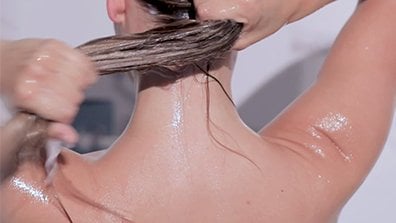
Shampoo is primarily for cleansing the scalp, where oil and product residue tend to collect. Work it in gently with your fingertips rather than scratching, then let the lather rinse through the lengths. For damaged hair concerns related to hard water, Bain Décalcifiant Réparateur Shampoo is described as helping remove calcium buildup and reduce dullness and breakage. Use any cleanser according to its directions, and avoid rough scrubbing along fragile ends.
Use water temperature that feels comfortable
Choose water that feels comfortable on your scalp rather than very hot water. A relaxed wash makes it easier to massage gently and rinse thoroughly, without adding unnecessary heat exposure. If hair feels rough after washing, consider the whole process—water, cleansing, and how you handle wet lengths—rather than assuming that temperature alone is responsible. The best routine is one you can follow comfortably and consistently.
Avoid rough towel-drying after washing
Wet hair can be more vulnerable to friction, and vigorous rubbing may leave it more tangled or disrupted. Instead, press or squeeze excess water out with a towel, then detangle gently with a tool suited to your hair. A leave-in product may fit into the routine if your lengths need more help with softness or heat styling. The Sérum Filler Fondamental is described as a lightweight leave-in treatment for damaged hair that helps seal cuticles and protect against humidity, frizz, and heat up to 230°C. Consider the specific intended use in its description before adding it to your routine.
Build a routine around your shampoo
Shampoo is one step, not the whole frizz routine. Conditioner, occasional masks, and heat protection can address needs that cleansing alone does not, but a long product lineup is not automatically better. Begin with the most relevant support for your hair and add other steps only when there is a clear reason. That makes it easier to notice what is helping and what may be leaving hair heavy.
Pair shampoo with a suitable conditioner
Conditioner helps you support the lengths after cleansing, so choose one that fits your texture and how dry your hair feels. Concentrating it on mid-lengths and ends can be a practical approach if your roots lose volume easily. The Fondant Extentioniste Conditioner is described as detangling and moisturizing while helping reduce breakage and split ends. Consider such product details alongside your own hair’s condition and follow the label directions.
Add a mask when lengths need extra care
A mask can be an occasional extra when lengths feel especially dry, rough, or unruly; it does not need to be used every wash. Spécifique Masque Réhydratant is described as a nourishing mask for dry, sensitive, or itchy scalps that helps soothe and hydrate the scalp and strengthen hair. For another kind of need, the Chronologiste Ultimate Luxury Care set is described as including a purifying shampoo, revitalizing masque, and leave-in serum. The appropriate choice depends on what you want to address, so avoid layering multiple intensive treatments without a reason.
Use a heat protectant before blow-drying
If you use hot tools or blow-dry regularly, consider a heat protectant that is intended for that use and follow its directions. Apply products evenly rather than concentrating them at the roots if that tends to reduce volume. The Résistance Sérum Thérapiste is described as helping repair and protect damaged, over-processed hair and as usable on damp or dry lengths and ends. Product descriptions can help clarify intended use, but they are not a substitute for using heat carefully.
Consider humidity and styling habits
Humidity, styling technique, and how often you use heat can all affect how your hair looks between washes. If frizz is most noticeable in damp weather, focus on keeping lengths conditioned and consider whether a leave-in product suits your hair. If the main issue is damage from styling, reduce unnecessary heat and handle wet hair gently. For a multi-step option, the Chronologiste Luxury Pré-shampoing Care Set is described as a four-step ritual for scalp and hair renewal, including a pre-shampoo scrub, shampoo, mask, and leave-in serum. You can also keep your routine simpler and choose only the steps that address your actual concerns.
What to expect when choosing a smoothing shampoo
A shampoo can be a useful part of managing frizz, but it cannot control every factor that affects how hair behaves. Texture, weather, damage, and styling habits still matter, and a formula that feels good to one person may not suit another. Give yourself time to notice how your scalp and lengths respond, while staying alert to discomfort or heaviness. A realistic goal is hair that feels clean and easier to manage, not a guaranteed change in texture.
Understand the difference between smoothing and straightening
Smoothing generally refers to hair feeling softer or easier to manage; it does not necessarily mean that curls or waves will become straight. A shampoo is a cleansing step, and the finished look also depends on conditioning and styling. Keep your expectations tied to the product’s stated purpose and your own hair pattern. That way, a more manageable result can count as progress even if your natural texture remains.
Give a new routine time before judging results
Try to keep other parts of your routine consistent while you assess a new shampoo. Notice how your scalp feels after washing, whether lengths tangle, and how hair behaves once it is fully dry. A single wash may not tell you everything, especially if weather or styling habits change from day to day. If the formula feels comfortable and the routine is manageable, a little observation is more useful than switching products immediately.
Watch for signs that a formula feels too heavy
If hair seems limp, coated, or harder to style after washing, the total routine may be too rich for your needs. Consider reducing the amount of conditioner or mask, or using intensive care less often before changing every product at once. The Bain Elixir Ultime is described as a nourishing shampoo for all hair types and textures that leaves hair soft and lightweight; descriptions like this can help with comparison, but your own results remain the practical test. A comfortable scalp and hair that keeps its movement are useful signs to track.
Know when persistent scalp concerns need professional advice
Ongoing itching, irritation, flaking, or discomfort may need more than a cosmetic routine change. If symptoms persist or worsen, consult a qualified healthcare professional or dermatologist rather than repeatedly trying new products. Product descriptions can identify intended uses, but they cannot diagnose a scalp condition. Be especially attentive to a sudden or persistent change from what is normal for you.
Conclusion
Choosing shampoo for frizz starts with noticing what your scalp and lengths actually need, then pairing a suitable cleanser with gentle washing and supportive conditioning. Read product descriptions carefully, adjust one part of your routine at a time, and give your hair room to respond; a manageable result should still feel like your hair.
Frequently Asked Questions
Why does my hair get frizzy in humid weather?
Hair can respond to moisture in the air, which may make strands expand or look less smooth. Dryness, damage, and natural texture can make the effect more noticeable.
Does frizzy hair always mean it is dry?
No. Dryness can contribute, but humidity, natural texture, damage, and styling habits can also affect frizz. Consider the pattern and feel of your hair before changing your routine.
How often should I shampoo frizzy hair?
Choose a frequency that keeps your scalp comfortable and clean. The right schedule differs from person to person, so adjust based on oiliness, dryness, and irritation.
Should shampoo be applied to the lengths?
Focus shampoo on the scalp and let it rinse through the lengths. Avoid rough scrubbing, especially if the ends feel fragile or tangle easily.
Can a smoothing shampoo straighten curly hair?
Smoothing and straightening are not the same. A smoothing routine may help hair feel softer or easier to manage without changing its natural curl pattern.
Why does my hair feel heavy after washing?
A rich conditioner, mask, or combination of products may be too much for your hair, particularly if it is fine. Try adjusting how much you use or where you apply it.
When should I ask a professional about scalp symptoms?
Seek advice if itching, irritation, flaking, or discomfort persists or worsens. A healthcare professional can assess concerns that a shampoo change may not address.




Leave a comment