

Kérastase treatments in-salon: What to expect and how to choose
Key Takeaways
A salon treatment is most useful when it begins with a clear conversation about your hair and what you want to change. A stylist can help you weigh the service, timing, and home care against your needs.
- Describe the change you want most, such as softer lengths or a more comfortable-feeling scalp.
- Share your color, chemical, and heat-styling history before the service is chosen.
- Ask what the treatment involves and how long the appointment is likely to take.
- Treat immediate results as a starting point, not a permanent change.
- Use home care to support your hair between salon visits.
How Kérastase in-salon treatments work
A kerastase treatments in-salon appointment generally starts with a conversation about what your hair feels like and what you hope to improve. The stylist can then consider the condition of your lengths, your scalp, and your recent hair history. The service itself may be a focused treatment or part of a larger salon visit. The specific options and steps depend on the salon.
Professional consultation and hair diagnosis
A useful consultation is less about choosing a treatment by name and more about explaining what you notice: dryness, rough ends, breakage, or a scalp that feels uncomfortable. Your stylist may look at the hair’s texture and condition, ask about recent color or chemical services, and discuss the way you style it at home. Bring up any sensitivities or concerns before products are applied. That gives the conversation a practical starting point.
Concentrated formulas and customized services
Some salon services are designed around a stylist’s assessment, while others follow a set sequence of products and steps. For example, Kérastase Fusio-Dose is presented as a customized in-salon treatment selected after a hair diagnosis. Ask the stylist what combination or service they have in mind, what it is intended to address, and whether it suits your current condition. A clear service plan makes it easier to understand what you are agreeing to.
How salon treatments differ from at-home products
A salon visit includes a professional assessment and application, while home products are part of the routine you maintain between appointments. The two can complement each other, but they are not interchangeable: a product used at home does not replace an in-person consultation, and a salon service does not remove the need for ongoing care. If you are unsure what to use between visits, ask for a simple routine rather than adding several new products at once.
Common treatment goals and service types
People book hair treatments for different reasons, and the same hair can have more than one concern at a time. A stylist may focus on the lengths, the scalp, or the overall finish, depending on what you describe and what they observe. The service menu varies by salon, so use these goals as a way to frame the conversation, not as a promise of a specific result. The table below offers a few common starting points.

Repair for damaged or weakened hair
If your lengths feel fragile or show signs of breakage, explain what has changed and when it began. A stylist can discuss whether a salon service is appropriate and whether trimming or adjusting your styling habits should also be part of the plan. At home, the Résistance Sérum Thérapiste is described as a leave-in serum that helps strengthen brittle strands, provides heat protection, and smooths lengths; the Masque Thérapiste is described for very damaged, over-processed hair, with smoothing and softening benefits. The Soin Premium Therapiste is another at-home treatment described for very damaged or chemically treated hair.
Hydration for dry or brittle lengths
Dryness can show up as roughness, a brittle feel, or ends that are difficult to manage. Ask whether the salon’s option is intended to condition the lengths, and how it fits with your texture and routine. At home, the Nutritive Intense Hydration Routine is a three-step set for fine to medium hair described as nourishing and hydrating, while the Nutri-Supplement Split-Ends Serum is a leave-in treatment for dry ends. For wavy or curly hair, the Masque Curl Idéal is described as a hydrating mask that softens strands and supports curl definition.
Scalp and hair vitality rituals
A scalp concern deserves its own description rather than being folded into a general request for softer hair. Mention whether the issue is dryness, sensitivity, buildup, dandruff, or thinning, and ask whether a salon service is appropriate. The home-care options vary: Cure Apaisante Intense is described as a soothing four-week scalp treatment, Chronologiste Pré-Cleanse Régénérant as a weekly pre-shampoo treatment for excess oil and product buildup, and Initialiste Scalp & Hair Serum as a leave-in treatment that purifies and balances the scalp. Other distinct options include the Cure Antipelliculaire for dandruff and the Cure Anti-Thinning Aminexil Scalp Treatment, a daily six-week leave-in treatment for thinning and breakage. The Chronologiste Ultimate Luxury Hair Care set combines a shampoo, masque, and leave-in serum for scalp and hair care.
Shine and softness for a polished finish
Sometimes the main wish is simply for hair to feel smoother or look more polished, rather than to address a major concern. Say what you want the finish to look and feel like, and be specific about whether frizz, dullness, or rough ends are part of it. A stylist can explain which service on the salon menu best fits that goal. A glossy finish may also depend on the cut, styling, and condition of the hair, so ask what the treatment alone is expected to change.
| Main concern | Useful detail to share | Conversation starter |
|---|---|---|
| Dry lengths | Where the hair feels rough or brittle | Is this service meant to condition the lengths? |
| Breakage | When it started and what styling is involved | What should I change between visits? |
| Scalp discomfort | The type and timing of the discomfort | Is this appropriate for my scalp concern? |
| Dull or rough finish | What you would like the hair to feel like | What kind of finish should I expect? |
This comparison can help you describe the issue without trying to diagnose it yourself. The stylist can then explain which options are available and whether the service matches your goal.
How to choose the right treatment
Choosing a treatment is easier when you start with one priority instead of trying to address every concern at once. Think about what bothers you most day to day, and whether it is mainly a scalp issue, a concern with the lengths, or a styling preference. Then share the context that could affect the recommendation. The right choice is the one that fits your hair and the salon’s actual menu.
Match the service to your main concern
Try to describe the change you want in concrete terms: less roughness at the ends, a softer feel, or help with a scalp concern. If several things are bothering you, ask the stylist to help prioritize rather than assuming one service will address them all. A focused request makes it easier to discuss what a treatment can and cannot do. It also gives you a clearer way to judge whether the recommendation feels relevant.
Consider your hair history and current condition
Mention recent color, chemical services, heat styling, and any changes in your routine. These details help the stylist understand what your hair has been through, rather than relying only on how it looks that day. If your scalp is sensitive or you have had a reaction to a product, say so before the appointment gets underway. Your current condition matters more than a treatment name you saw online.
Ask about options such as Fusio-Dose or Première
Kérastase Première is described in salon materials as a treatment ritual involving layers and products for repair and a smoother, shinier finish. Ask your stylist whether the service is offered at that location and what its steps are. If you are discussing Fusio-Dose, ask how the consultation informs the selection and what concern the service is intended to address. Names alone do not tell you whether an option is appropriate for your hair.
Check which services your salon offers
Salons may carry different services, and availability can affect what is possible during your visit. Before booking, check whether the treatment you are considering is on the menu and whether it needs to be booked separately from a cut or color appointment. If you are not sure what to request, describe your concern when you call. That gives the salon a chance to clarify the appointment type and timing.
What to expect during your appointment
An appointment can be straightforward, but the details vary by service and salon. Usually, the stylist will first ask about your goals and hair history, then explain the proposed service before applying products. You can ask questions at any point, including before the service begins. Knowing what to clarify ahead of time can make the visit feel more comfortable.
Consultation, application, and processing
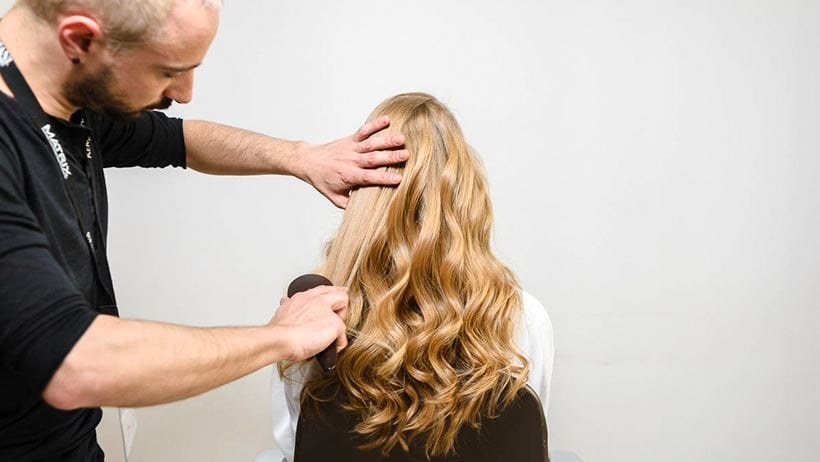
The stylist may assess your hair, talk through the treatment, and explain how it will be applied and processed. Some services may take place at the shampoo basin; others may involve different steps. Ask whether the service includes a rinse and styling, and whether there is anything you should avoid before arriving. The exact sequence depends on the treatment offered at your salon.
How long a treatment may take
There is no single appointment length that applies to every service. The treatment itself, consultation, processing time, and any cut or styling booked alongside it can all affect how long you are in the chair. When you schedule, ask for an estimate that includes the full visit rather than only the application. A little extra time between plans can make the appointment feel less rushed.
Questions to ask before your service
A few direct questions can help you understand the service before it starts. You do not need to know technical product names; it is enough to ask what the stylist recommends and why. Consider asking:
- What concern is this service intended to address?
- What steps will the treatment include?
- Is it compatible with my recent color or chemical services?
- What should I expect my hair to feel like afterward?
The answers should help you understand the plan and any limits. If something is unclear, it is reasonable to ask for a simpler explanation before proceeding.
Factors that can affect the salon’s recommendation
The stylist may take into account your hair’s current condition, texture, history, and the result you want. Your scalp comfort, recent chemical services, and the time available during the appointment can also matter. A recommendation may therefore differ from what you expected after reading about a treatment elsewhere. Use the consultation to share relevant details and discuss alternatives if the proposed service does not feel like a fit.
Results, maintenance, and aftercare
A salon treatment may change how hair feels or behaves immediately, but the experience varies by person and service. Ask the stylist what result is realistic for your hair, and which parts of your routine may help maintain it. Aftercare does not need to be complicated; a few suitable habits are often easier to keep up with than a complete routine overhaul. The goal is to understand what happens next, not to expect a one-time service to resolve every ongoing concern.
What changes you may notice right away
After the service, you might notice a difference in softness, smoothness, or manageability, depending on the treatment and your hair’s starting condition. The stylist can explain what the service is designed to do and what may be less noticeable. If the result feels different than expected, mention it before leaving so you can discuss styling or aftercare. One appointment is a snapshot, not a measure of long-term change.
How long results may last
How long a result lasts can vary with the treatment, your hair’s condition, and how you care for it afterward. Washing frequency and heat or chemical styling may affect how your hair feels between visits, but there is no universal timeline for every service. Ask the stylist whether the salon has a recommended interval for the specific treatment. Be wary of assuming that an advertised or reported duration applies to everyone.
Build a home-care routine around your salon service
Home care can support the results you want without needing to mirror every salon step. Ask your stylist to suggest a manageable routine based on your hair and treatment. Depending on your needs, that might mean a Thermique Régénérant leave-in heat protectant before styling, a Bain Extentioniste Shampoo for cleansing and strengthening lengths, or Bain Nutri Fortifiant and Fondant Renforçateur as shampoo and conditioner options for fragile hair. For color-treated strands, Bain Riche Chroma Respect is described as a sulfate-free shampoo that gently cleanses without stripping color. Other options include Serum Cicanuit, a leave-in serum for overnight use, and Genesis Masque Reconstituant, a deep-conditioning mask for damaged, weakened hair. Choose products for the concern you actually have, rather than adding everything at once.
When to book another treatment
A return visit makes sense when it fits your hair’s needs and your stylist’s guidance, not simply because a set number of weeks has passed. Ask whether the treatment is intended as a one-time service or something to repeat, and what signs might suggest it is worth revisiting. If your concern changes, bring that up rather than automatically repeating the same service. Your routine and hair condition may change over time.
Salon treatments versus at-home care
Salon services and home products serve different roles. A professional visit gives you a chance to discuss your hair in person and ask about a specific service, while home care gives you regular options between visits. Neither one guarantees a particular outcome, and the best balance depends on your concern, preferences, and budget. Think of the salon as a place to get guidance and the home routine as the part you can keep consistent.
What professional treatments can offer
A professional treatment comes with an in-person discussion and a stylist’s assessment of your hair at that appointment. The stylist can explain the service, its steps, and how it relates to your goal, then apply it in the salon. That context can be helpful when you are uncertain what to choose. It does not mean that every concern can be addressed in a single visit.
When at-home products may be enough
For a manageable concern, a suitable home routine may be a practical place to start. If you already understand what your hair needs and are comfortable caring for it yourself, you may not need a salon treatment every time you want a change in feel. If the concern is persistent, uncomfortable, or hard to describe, ask a professional for guidance rather than relying on guesswork. The choice can be revisited as your hair changes.
How to combine salon visits with home care
A useful approach is to ask the stylist for one or two clear home-care steps that complement the service. Use products according to their directions, and tell the stylist what you already use so the routine can stay manageable. If you are planning a color or chemical service, ask when to schedule the treatment around it. Consistency and a realistic routine are usually more practical than frequent changes.
Set realistic expectations for ongoing hair concerns
Some concerns are influenced by more than one factor, and a cosmetic service may not resolve the cause. A salon treatment can be part of caring for your hair, but it should not be treated as a guarantee or a substitute for professional advice when a scalp or hair concern is persistent. Discuss what improvement would look like and when it makes sense to reassess. A measured expectation makes it easier to decide whether the service is worthwhile for you.
Conclusion
The best salon treatment choice starts with a clear description of your concern, a conversation about your hair history, and a realistic understanding of the service. Ask what the treatment includes, what changes to expect, and how to care for your hair afterward. For products to use between appointments, you can shop hair care and build a routine around your needs.
Frequently Asked Questions
Should I wash my hair before a salon treatment?
Ask the salon when you book, since instructions can vary by service. If you are unsure, arrive with your usual routine and follow the stylist’s guidance.
Can I have a treatment on the same day as a color service?
It depends on the treatment, the color service, and the condition of your hair. Tell the stylist what you have booked and ask whether the services should be combined or scheduled separately.
How do I know whether my hair needs hydration or repair?
Hair can feel dry and also be weakened, so the concerns can overlap. Describe what you notice and let a stylist assess your hair rather than trying to diagnose it from a single symptom.
Will a salon treatment fix split ends?
A treatment may improve the feel or appearance of the lengths, but it cannot make split ends disappear permanently. Ask whether a trim or a change in care would also be useful.
How often should I book a salon treatment?
There is no schedule that fits everyone. Ask the stylist whether the service is intended to be repeated and base future appointments on your hair’s condition and needs.
Can I use my regular products after a treatment?
Often, the stylist can advise how your current routine fits with the service. Share the products you use and ask whether any temporary adjustments are recommended.
What should I do if my scalp feels uncomfortable?
Tell the stylist before products are applied and explain what you are experiencing. If discomfort is ongoing or concerning, seek appropriate professional advice rather than relying only on a cosmetic service.





Leave a comment