

Sesame seeds oil for hair: benefits, uses, and application tips
Key Takeaways
Sesame oil can be used as a conditioning step, but it is not a proven hair-growth treatment. Start small, choose an oil that suits your preferences, and pay attention to how your hair and scalp respond.
- Sesame oil may help soften dry-feeling hair, but results vary.
- Evidence that applying it to the scalp promotes hair growth is limited.
- Use a small amount first, especially on fine or easily weighed-down hair.
- A patch test can help identify irritation or an allergic reaction.
- Wash it out if it feels heavy, and stop using it if symptoms develop.
What sesame seed oil may do for hair
Sesame oil is a plant oil that some people use on their hair and scalp as a conditioning treatment. Its main practical appeal is that it can coat strands and make them feel softer or look smoother. That effect is different from changing how hair grows, and it may not suit every scalp or hair texture.
How its fatty acids and antioxidants support conditioning
Sesame oil contains fatty acids and naturally occurring antioxidant compounds. Used on the hair, oil can help smooth the feel of the outer surface of strands and reduce the dry, rough sensation some people notice. It is best thought of as a conditioning option, not a repair treatment that reverses damage inside the hair fiber.
How much softness or shine you notice depends on the amount used and how your hair responds. If your hair feels coated rather than smooth, a smaller amount or a thorough shampoo may work better than adding more oil.
What it may do for dry hair and scalp
On dry lengths, sesame oil may help hair feel less rough by leaving a light coating on the strands. Some people also apply it to the scalp for a moisturized feeling, but oil does not treat every cause of dryness, flaking, or itch. If a scalp concern is persistent, it is worth looking beyond a home oil treatment.
What to know about claims of hair growth
Claims that sesame oil grows hair or prevents hair loss should be treated cautiously. A nourishing feel or reduced friction may help hair look smoother, but that does not show that the oil changes the hair-growth cycle. Research on nutrients in the diet is not proof that applying sesame oil to the scalp stimulates growth.
If you are noticing ongoing shedding or thinning, consider discussing it with a health professional rather than relying on oil alone. The cause can vary, and the right next step depends on what is behind it.
Why results can vary by hair type and routine
A small amount may suit coarse, curly, or very dry lengths, while fine hair can feel weighed down quickly. Porosity, styling habits, how often you wash, and whether your scalp is sensitive can all affect the result. Try one change at a time so you can tell whether the oil is helping or simply adding residue.
Choosing a sesame oil for hair
The word “sesame” on a bottle does not tell you everything about its scent, texture, or intended use. Check the label and choose a product that is clearly identified as sesame oil and appropriate for topical use. A plain oil keeps the experiment simple; a blend may be preferable if you want a lighter texture or an added scent.

Refined versus unrefined oil
Refined and unrefined oils can differ in color, scent, and processing. Unrefined oil may have a more noticeable natural aroma, while refined oil is often milder. Neither label alone guarantees that a product will suit your hair, so consider how you feel about the scent and how easily you can wash the oil out.
Cold-pressed and toasted oils: what’s different
Cold-pressed oils are extracted mechanically, while toasted sesame oil is made from seeds that have been heated before pressing. Toasted oil usually has a more pronounced, food-like aroma, which may linger in hair. For a hair treatment, choose based on the product’s labeling and your tolerance for scent rather than assuming one type will produce better results.
A quick comparison can help make the choice more practical:
| Label or style | What to expect | Consider if |
|---|---|---|
| Refined | Often a milder aroma | You prefer a less noticeable scent |
| Unrefined | May have a more distinctive natural scent | You want a less processed option |
| Cold-pressed | Extracted mechanically | You are looking for this specific processing method |
| Toasted | Made with toasted seeds; aroma may be stronger | You do not mind a food-like scent |
These are general differences, not a ranking of quality. Read the product directions and test a small amount before using it across your hair.
How to check ingredients and packaging
Look for sesame oil as a clearly named ingredient and check whether the label says the product is intended for topical use. Avoid products with ingredients you know irritate you, and make sure the container is sealed and in good condition. A dark or opaque bottle can help limit light exposure, but storage directions on the label should guide you.
When a sesame oil blend may be a better fit
A blend may feel easier to spread or may have a scent you prefer, but the other ingredients matter. Check the full ingredient list, especially if you have sensitive skin or known allergies. If you want to keep track of what your hair responds to, a single-ingredient oil makes it easier to identify the cause of any reaction or buildup.
How to apply sesame oil to hair
Use sesame oil sparingly at first; adding more is easy, while washing out an excess can take time. You can try it on lengths before shampooing, or use a tiny amount on dry ends if your hair tolerates leave-on oils. Keep it away from the eyes, and avoid applying it to skin that is already irritated.
Use it as a pre-shampoo treatment
Before washing, spread a small amount over dry or slightly damp lengths, concentrating on areas that feel rough. Leave it on briefly, then shampoo and condition as usual. If one wash does not remove the coated feeling, shampoo again rather than scrubbing the hair harshly.
Smooth a small amount onto dry ends
For a leave-on trial, warm a drop or two between your palms and lightly smooth it over the ends. Start below the ears or at the most weathered sections rather than coating the full length. If the hair looks stringy or feels tacky, use less next time or keep the oil as a pre-shampoo step.
Massage it into the scalp carefully
If you choose to try scalp application, use a little oil and massage gently with your fingertips, not your nails. Avoid vigorous rubbing, which can irritate skin and tangle hair. Leave it on only as long as feels comfortable, then cleanse it out; do not use it to mask persistent itching or flaking.
Adjust the amount for your hair texture
Hair texture offers a useful starting point, not a strict rule. Fine or straight hair often needs less, while thick or tightly curled lengths may tolerate a somewhat more generous coating. A simple trial helps you find the amount without guessing:
- Begin with a few drops for the ends, or a small amount for a pre-shampoo treatment.
- Apply only to the areas that feel dry rather than saturating every strand.
- Check how the hair feels after washing and drying.
- Reduce the amount or frequency if it feels greasy or limp.
A product designed for a particular finish can be another option when plain oil feels too heavy. For example, OI Liquid Luster is described as a weightless rinse-off treatment for shine and softness, while Instant Bonding Glow is an extra-shine serum that is rinsed after application. These are different kinds of hair products, not sesame oil treatments.
A careful application should leave hair manageable, not coated. Treat the first use as a small test, then adjust the amount or skip scalp application if your skin does not respond well.
How to make a sesame oil hair mask
A simple mask can be made by adding a little sesame oil to a conditioner you already know your hair tolerates. This is less complicated than mixing several new ingredients at once, and it keeps the conditioner as the main treatment. Avoid preparing a large batch or storing a homemade mixture for later.
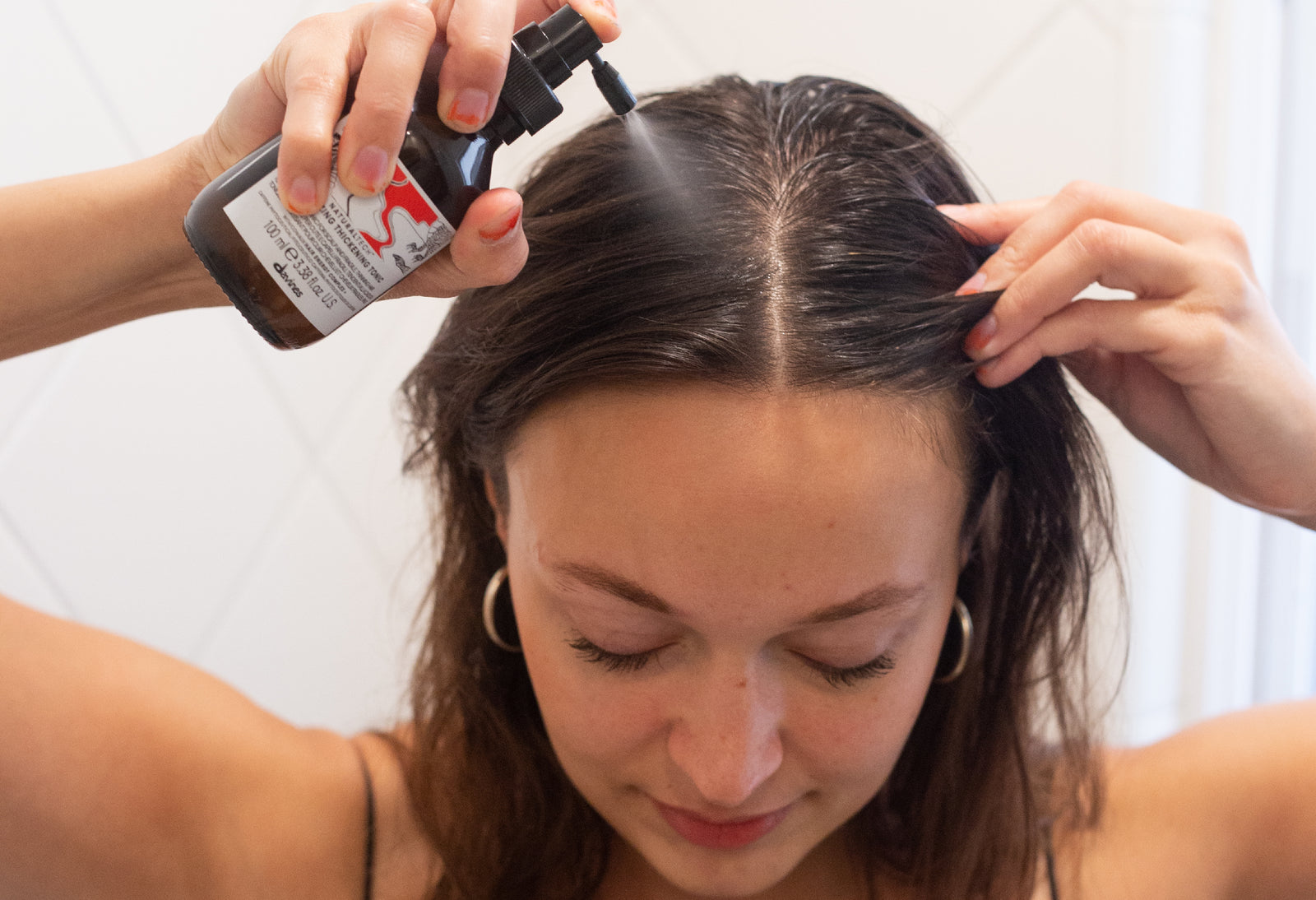
Pair the oil with a compatible conditioner
Mix a few drops of sesame oil into one portion of conditioner in your palm or a clean bowl, rather than pouring oil into the conditioner container. Apply the mixture to lengths and ends, following the conditioner’s directions. Davines products include options such as Nourishing Vegetarian Miracle Conditioner, Dede Conditioner, and OI Conditioner; their descriptions identify different conditioning benefits, so use product directions and your own hair needs to guide your choice.
Choose a mask approach for your hair’s needs
Keep the recipe simple: conditioner plus a small amount of oil is enough for a first try. Dry or brittle lengths may call for a richer conditioning product, while hair that gets flat easily may do better with a lighter conditioner and very little added oil. Other documented treatment options include Nourishing Vegetarian Miracle Mask, Let It Go Circle, and Replenishing Butter; their product descriptions emphasize conditioning, hydration, or softness, rather than a sesame-oil effect.
Apply and rinse without leaving heavy residue
Work the mixture through damp lengths and ends, avoiding the scalp if it is sensitive or tends to feel oily. Leave it on for the time stated on the conditioner label, then rinse thoroughly. If strands still feel coated once dry, use less oil next time or return to the conditioner on its own.
How often to use a mask
Start with an occasional treatment, such as once every week or two, and see how your hair behaves. There is no need to follow a rigid schedule if your hair already feels soft or if the mixture leaves residue. A ready-made treatment may be simpler when you would rather not mix products at home: Nourishing Moisturizing Balm is described as a multi-purpose balm, and OI Hair Butter as a nourishing anti-frizz treatment.
Safety and possible side effects
Sesame oil is not automatically suitable for every scalp just because it is a familiar kitchen ingredient. Topical use can cause irritation or an allergic reaction in some people, and heavy application can leave hair difficult to cleanse. Take a cautious approach, especially if you have sensitive skin or a known sesame allergy.
Do a patch test before first use
Before applying sesame oil to your scalp or a large area of hair, test a small amount on a small area of skin. Leave it alone and watch for a reaction over the next day or so. Do not proceed if the test area becomes uncomfortable, red, itchy, or swollen.
Watch for irritation or an allergic reaction
Signs of a reaction can include itching, redness, swelling, a rash, or a burning sensation. A product blend can also contain other ingredients that trigger sensitivity, so check the entire label. If symptoms are severe or involve trouble breathing or swelling of the face or throat, seek urgent medical care.
Avoid applying oil to a sensitive or inflamed scalp
Skip oil on broken, inflamed, or actively irritated skin. It can be difficult to tell whether the oil is helping or worsening the problem, and an oily coating may make it harder to assess the scalp. Wait until the skin is comfortable or ask a clinician what is appropriate for your situation.
Stop use if symptoms worsen
If discomfort starts after use, rinse the oil out gently and stop applying it. Do not keep repeating a treatment in the hope that the scalp will adjust. Persistent or worsening symptoms deserve attention rather than another home remedy.
How to fit sesame oil into your hair routine
Sesame oil works best as an optional add-on, not a replacement for cleansing or conditioning. Begin with one use and judge the result after you wash and dry your hair. When you are comparing routine steps, Nourishing Oil is described as a moisturizing oil for hair and skin, while OI All In One Milk is a leave-in spray with detangling, hydrating, smoothing, and heat-protection claims; they are distinct product formats with their own directions.
Combine it with cleansing and conditioning
A pre-shampoo oil treatment should be followed by cleansing, then conditioner if that is part of your routine. If you want to keep your routine familiar, change only one step at a time. OI Shampoo is described as a cleanser for all hair types, and the larger OI Shampoo 1L listing also describes a gentle daily cleanser; follow the directions on whichever product you use.
Avoid overuse and product buildup
Too much oil or frequent use can leave hair limp, greasy, or harder to rinse clean. If residue starts to build up, pause the oil treatment and return to your usual wash routine. A few simple habits can help keep the experiment controlled:
- Use a small amount and apply it only where needed.
- Avoid layering oil with several new leave-in products at once.
- Wash the hair thoroughly after a pre-shampoo treatment.
- Pause use if the hair feels coated or the scalp becomes uncomfortable.
After a few uses, decide whether the result is worth keeping in your routine. A product intended for a specific concern may offer a more predictable alternative: Naturaltech Nourishing Keratin Sealer is described as helping nourish and smooth hair, and Minu Hair Serum as a leave-in treatment for colored hair.
Store the oil to maintain freshness
Keep the bottle tightly closed and store it according to the label, away from excess heat and direct sunlight. Avoid dipping wet or dirty fingers into the oil, and do not use it if its smell, color, or texture changes noticeably. Following the product’s storage and use-by guidance is more reliable than assuming every oil has the same shelf life.
When to seek advice for ongoing scalp or hair concerns
If hair loss, breakage, scalp pain, itching, or flaking continues, a clinician or dermatologist can help identify possible causes. Sesame oil may soften hair, but it cannot explain why a scalp is irritated or why hair is thinning. For other styling or care choices, product descriptions can help you compare options: Texturizing Serum is described as adding body and shape while blow-drying, OI Liquid Luster 300 ml as a lightweight rinse-off shine treatment, and Oil Control Set as a hair-care set. The Easy Braided Curls Set is described as pairing moisturizing and shine-focused products for curls.
If you are looking for salon-size hair care, you can browse professional sizes and compare products that fit the rest of your routine.
Conclusion
Sesame oil may be a useful occasional conditioning step for hair that feels dry, but it is not a proven way to promote growth or treat scalp conditions. Choose a product with a clear label, start with a small amount, rinse it thoroughly, and stop if irritation occurs; if it does not suit your hair, a regular conditioner or a product made for your specific needs may be a better fit. Explore professional sizes when you are ready to choose hair care for your routine.
Frequently Asked Questions
Can sesame oil make hair grow faster?
There is not enough evidence to say that applying sesame oil to the scalp makes hair grow faster. It may condition hair, but that is not the same as changing its growth rate.
Is sesame oil good for dry hair?
It may help dry-feeling lengths feel softer or smoother by coating the strands. Use a small amount first, since too much can make hair greasy or difficult to rinse.
Can I leave sesame oil in my hair overnight?
Overnight use is not necessary, and a long application may feel uncomfortable or leave residue. Try a brief pre-shampoo treatment first and wash it out if your hair or scalp feels unpleasant.
Should I apply sesame oil to my scalp?
Some people do, but scalp application is optional and may not suit sensitive or irritated skin. If you try it, use a small amount and massage gently; avoid broken or inflamed areas.
How often should I use a sesame oil hair mask?
Start occasionally, perhaps once every week or two, and adjust based on how your hair feels after washing. Use it less often or stop if the hair feels coated or the scalp becomes irritated.
Does sesame oil need to be washed out?
A pre-shampoo treatment should be washed out with shampoo. If you apply a tiny amount to the ends as a leave-in, use very little and wash it out if it makes the hair look or feel heavy.
Can sesame oil cause an allergic reaction?
Yes. It can cause irritation or an allergic reaction in some people, particularly those with a sesame sensitivity. Patch-test before first use and stop if you develop itching, redness, swelling, or a rash.





Leave a comment