

Moroccan argan oil: benefits, uses, and how to choose the right formula
Key Takeaways
Moroccan argan oil can be a simple addition to a hair or skin routine, but the results are usually modest and depend on how you use it. A few practical checks help you choose a suitable product and keep it fresh.
- Cosmetic argan oil and culinary argan oil are made for different uses and may differ in processing and flavor.
- A small amount of oil can help hair feel softer and look smoother, especially at the ends.
- For skin, argan oil can add an emollient layer, but it is not a substitute for treatment of a skin condition.
- Check the ingredient list, packaging, and product directions rather than relying on grand claims.
- Store the bottle away from heat and light, and replace it if its scent or texture changes noticeably.
What Moroccan argan oil is
Moroccan argan oil is a plant oil made from the kernels of the argan tree, which grows in Morocco. It is used in food and in personal-care products, though the two versions are not always interchangeable. Knowing how the oil is produced and labeled makes it easier to choose a formula for your intended use.
How argan oil is produced in Morocco
Argan fruit is harvested, and its kernels are separated from the surrounding pulp and hard shell before the oil is extracted. The kernels may be pressed mechanically or processed using other methods, and the details can vary by producer. Because production methods and sourcing practices differ, a label that says “Moroccan” by itself does not tell you everything about the oil.
For cosmetic use, the main thing is to check that the product is clearly intended for skin or hair and that the ingredient list is transparent. If a company provides information about its processing or sourcing, that can add context—but avoid assuming those details from the origin claim alone.
Cosmetic-grade and culinary argan oil compared
Both versions come from argan kernels, but culinary oil is intended for eating while cosmetic oil is formulated and sold for topical use. Culinary oil is often made from kernels that are roasted before extraction, giving it a toasted flavor; cosmetic oil is generally unroasted and has a milder scent. Check the label before using either one, rather than treating “pure” as a signal that a product is suitable for every purpose.
A quick comparison can clarify what to look for when you are deciding which bottle fits your routine:
| Detail | Cosmetic argan oil | Culinary argan oil |
|---|---|---|
| Intended use | Hair or skin, as directed | Food and cooking, as directed |
| Kernel preparation | Typically unroasted | Often roasted for flavor |
| Scent and taste | Usually mild, not intended as food | Toasted, nutty flavor |
| Label to check | Cosmetic ingredient list and directions | Food label and culinary directions |
These are general distinctions, not a guarantee of how every product is made. Follow the product’s stated use, and do not apply a culinary oil to skin unless its manufacturer says it is suitable for that purpose.
What its fatty acids and antioxidants contribute
Argan oil contains fatty acids, including oleic and linoleic acids, along with naturally occurring antioxidant compounds such as vitamin E. In a topical product, the oil can help soften the feel of dry hair or skin by coating the surface and reducing a sense of roughness. That is a cosmetic effect; it does not mean the oil can repair structural damage or prevent every cause of dryness.
The exact composition can vary with the source and processing. So while a label may describe the oil as nourishing, it is sensible to judge it by the ingredient list, how your skin or hair responds, and whether the texture suits your routine.
Potential benefits for hair and skin
Argan oil is popular because it can add slip and softness without requiring a complicated routine. The way it feels depends on the amount used, the rest of the formula, and your hair or skin type. Think of it as an optional finishing or moisturizing step, not a cure-all.
How it can soften dry hair and reduce frizz
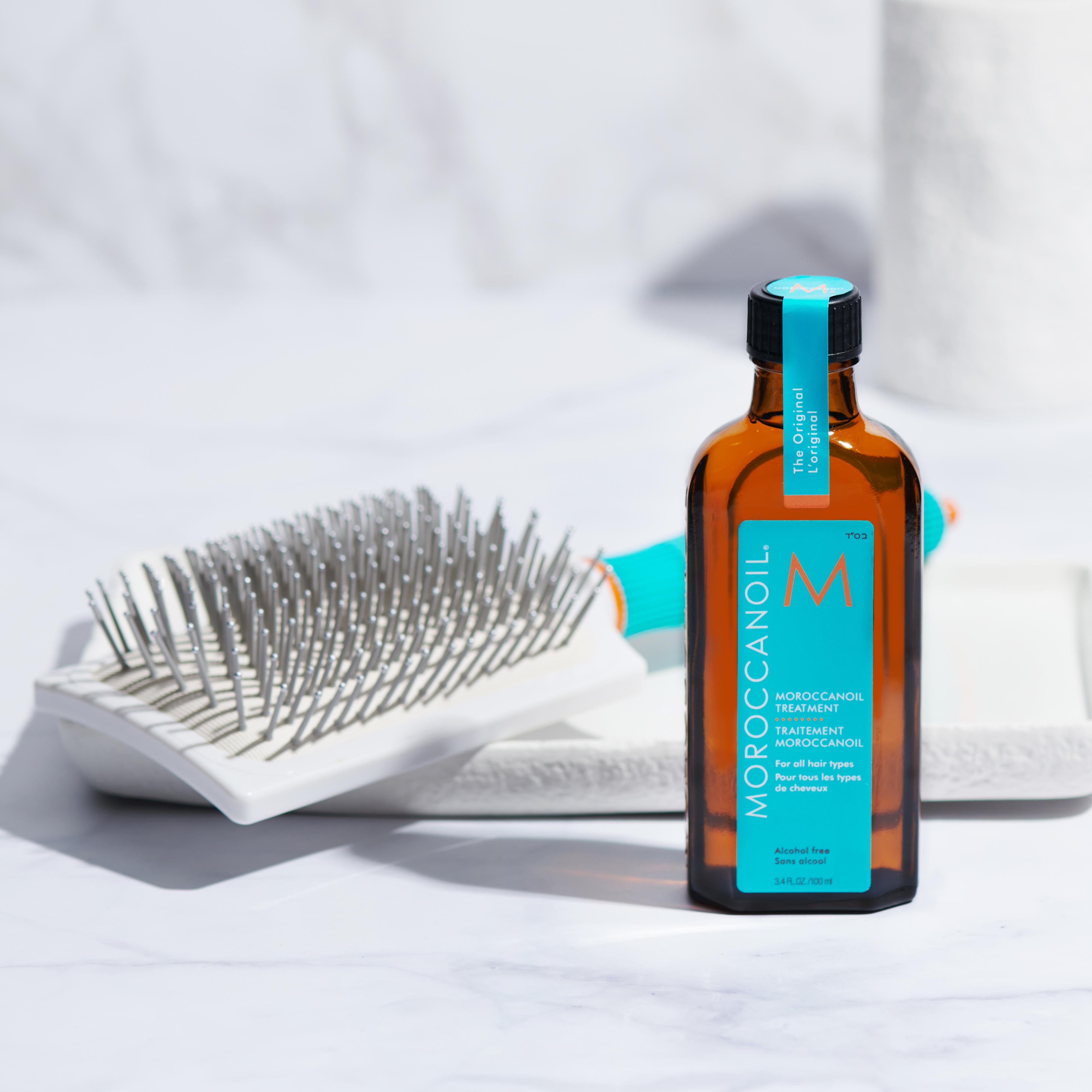
A little oil smoothed over dry lengths can make hair feel softer and look glossier, and it may help flyaways lie flatter. This is most noticeable when the hair is dry or rough to the touch; applying too much can leave fine hair looking heavy. The oil coats the outside of the strand, so the effect is cosmetic rather than a way to mend split ends.
For a routine that includes other products, consider the overall feel you want instead of layering oils automatically. For example, Moroccanoil Original Hair Treatment and Moroccanoil Smoothing Lotion are product names you may encounter while browsing haircare; check each product’s own ingredient list and directions before deciding whether it fits your needs.
What it may do for dry or rough skin
On skin, argan oil can act as an emollient, helping rough patches feel more supple by adding a layer that slows moisture loss. It may work well as a final step over a moisturizer, though some people prefer a cream alone or find facial oils too rich. Start with a small amount and avoid applying it to irritated or broken skin.
Body-care products are a different category from pure argan oil, so compare their labels rather than assuming they serve the same purpose. For example, Dahlia Rouge Body Lotion, Ambiance de Plage Body Lotion, and Moroccanoil Hand Cream are product names in body care; they are not evidence that argan oil will suit every skin type. A Body Discovery Set may also help someone explore different personal-care formats, subject to its own contents and directions.
What research can—and cannot—confirm
Small studies and cosmetic experience can suggest that plant oils help with surface softness, but they do not establish argan oil as a treatment for hair loss, eczema, acne, or skin aging. Results can also be difficult to compare when studies use different products, amounts, or application schedules. A claim about a particular outcome deserves more caution than a simple promise of temporary softness or shine.
When deciding whether to try it, look for a modest, observable goal—such as less rough-feeling ends—and give the product a fair, careful trial. If you have persistent scalp discomfort, unexplained hair shedding, or a skin condition, seek appropriate professional advice rather than relying on oil alone. A general dry scalp treatment selection is a separate category from argan oil, and should be chosen for the concern it is meant to address.
How to use argan oil in your routine
The easiest way to start is to use less than you think you need and add more only if necessary. Apply it where dryness is most noticeable, then pay attention to how your hair or skin feels after it settles. A product’s instructions should take precedence over broad routine advice.
Applying a small amount to hair lengths and ends
Warm a drop or two between your palms and smooth it over the mid-lengths and ends, keeping it away from the roots if your hair gets oily quickly. On damp hair, it can provide slip and a soft finish; on dry hair, a tiny amount may tame flyaways. The right quantity depends on length, density, and texture, so start small.
A simple sequence keeps the application controlled and makes it easier to judge the result:
- Begin with clean, damp or dry hair, depending on the product directions.
- Rub a small amount between your palms until it spreads in a thin film.
- Smooth it over the lengths and ends, avoiding the scalp at first.
- Add only a little more if the hair still feels dry, then wait and assess the finish.
If your hair already has a leave-in product, avoid adding several layers at once; otherwise, it can be hard to tell which step is helping or weighing the hair down. Product names such as Moroccanoil Moisture Repair Shampoo and Moroccanoil Hydrating Shampoo refer to cleansing products, so follow their own directions rather than treating them as leave-in oils.
Layering it with moisturizer for skin
For dry skin, apply moisturizer first, then press a small amount of oil over areas that still feel tight. Some people prefer mixing a drop into a portion of moisturizer in their palm, though it is better not to alter a full container. If your skin feels greasy, stings, or becomes more irritated, wash the oil off and stop using it.
Hand washes and lotions are separate routine steps, not substitutes for an oil. Names such as Dahlia Rouge Hand Wash and Ambiance de Plage Hand Wash can help you distinguish cleansing products from leave-on products when browsing. You can also compare the Moroccanoil Hand Cream Fragrance Originale as a hand-care format; follow its label for intended use.
Adjusting use for fine, oily, or textured hair
Fine hair often needs only a trace of oil on the ends, while thicker or textured hair may tolerate a little more distributed through dry areas. If your scalp is oily, keep the oil off the roots and see whether a lighter amount works. Texture is individual, so change one part of the routine at a time rather than copying someone else’s dose.
Different products may be designed for different styling preferences, and the names alone do not establish how they will perform for you. Examples to compare include Moroccanoil Intense Curl Cream, Moroccanoil Curl Control Mousse, Moroccanoil Volumizing Mist, and Moroccanoil Volume Thickening Lotion. For scalp-focused shopping, Moroccanoil Oily Scalp Treatment is another product name to review, but consult its label for directions and suitability.
How to choose a quality argan oil
A good choice is one whose intended use, ingredient list, and packaging are clear. Price and marketing language can be tempting shortcuts, but neither proves quality on its own. Read the details and consider whether you want a single-ingredient oil or a finished blend.
Checking the ingredient list for pure argan oil
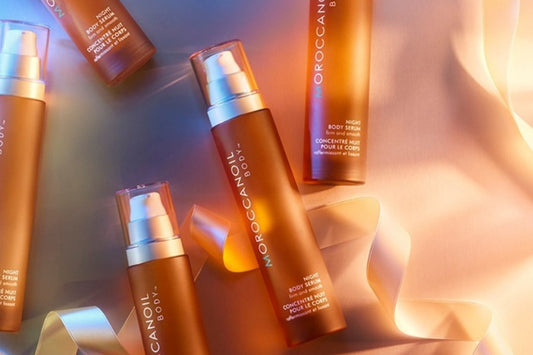
If you want a single-ingredient cosmetic oil, look for argan oil as the only listed ingredient; labels may use the ingredient name Argania Spinosa Kernel Oil. If the ingredient list includes fragrance, other oils, or conditioning agents, you are looking at a blend rather than pure argan oil. A blend may still suit you, but it should be clear what you are buying.
Product titles can also refer to different formats, so read beyond the front label. A Shine & Seal Duo, for instance, is a named set rather than a guarantee that either item is a pure, single-ingredient oil. Check the individual product details and packaging before choosing.
Choosing packaging that helps protect the oil
Oil quality can be affected by prolonged exposure to light, heat, and air. A tightly closing bottle and protective packaging can help limit exposure during ordinary use, although packaging alone cannot confirm freshness or purity. Choose a container that is easy to close securely and dispense without repeatedly leaving the contents open.
Consider how the bottle will fit into your routine, too. If it is awkward to dispense, you may use more than intended or leave residue around the opening. Clear use directions and a well-sealed cap are practical details worth noticing alongside the product’s claims.
Comparing scent, texture, processing, and price
A mild, nutty scent can be normal, but a strong rancid or sour smell is a reason to stop and inspect the product. Texture varies, and a thicker feel does not automatically mean an oil is more concentrated or effective. Details about extraction and sourcing are useful when provided, but should not be inferred from a high price or a particular bottle color.
When comparing products, use a few straightforward checks rather than looking for a single “best” signal: the intended use is stated, the ingredients are readable, the seal and packaging are intact, and the price seems plausible for the size and information offered. If you are browsing other haircare while comparing formats, Moroccanoil Smoothing Lotion is a product name to distinguish from a single-ingredient oil. A Volume Discovery Set is another named format, so check its contents before deciding whether it answers your particular need.
How to spot misleading claims and avoid irritation
Marketing can make an oil sound like it will solve several unrelated problems at once. Keep expectations tied to what a topical oil can reasonably do: make hair or skin feel softer and add surface shine. A transparent label and a cautious first use are more useful than a sweeping promise.
Distinguishing argan oil from argan-infused blends
A bottle described as “argan-infused” may contain argan oil alongside other ingredients, while a pure oil should list argan oil as its sole ingredient. Neither format is automatically better for everyone, but the difference matters if you are specifically seeking a single-ingredient product. Read the full ingredient list, not just the front label.
Also check whether the product is made for hair, skin, or both, and follow the manufacturer’s directions. A product page or set name does not establish its exact formula, so inspect the individual ingredients before applying it to a sensitive area.
Recognizing exaggerated growth or repair promises
Be wary of claims that argan oil can make hair grow faster, reverse hair loss, permanently repair split ends, or cure a skin condition. Oils may improve the look or feel of hair temporarily, but they cannot join a split strand back together. Results can vary, and a dramatic promise is not the same thing as reliable evidence.
A more grounded claim describes a cosmetic effect that you can observe, such as a smoother feel after application. If a concern is persistent or worsening, it is better to ask a qualified professional than to keep trying products based on ambitious advertising.
Patch testing and watching for sensitivity
Even a familiar plant oil can irritate some people or trigger an allergic reaction. Before using a new product widely, apply a small amount to a discreet area of skin and watch for a reaction over the next day or two. Do not test on broken skin, and stop using it if you notice itching, redness, swelling, or burning.
If you have a known sensitivity to an ingredient, review the full label and avoid the product when uncertain. Patch testing does not guarantee that a reaction will never occur, but it can be a sensible first step before regular use.
How to store argan oil and know when to replace it
Like other plant oils, argan oil can change over time, especially if it is exposed to heat, light, or air. Good storage will not make a product last indefinitely, but it can help preserve it during its stated use period. Keep the label, since the manufacturer’s guidance is the best reference for that specific bottle.
Keeping the bottle away from heat and sunlight
Store the bottle in a cool, dry place away from direct sunlight, radiators, and steamy surfaces. Close the cap promptly after use, and avoid leaving the bottle open on a bathroom counter. A dark cupboard or drawer is often more practical than a sunny shelf.
Try to keep the opening clean and dry as well. This limits residue around the cap and makes it easier to close the bottle properly each time. If the product has special storage directions, follow those instead of general advice.
Identifying changes in scent, color, or texture
A sharp, stale, or rancid odor can signal that an oil has deteriorated. Noticeable changes in color or texture may also be a reason to stop using it, particularly if they appear alongside an unpleasant smell. Compare with the product’s original appearance when possible, since natural oils can vary somewhat from batch to batch.
When in doubt, do not try to mask an unfamiliar odor by mixing the oil with another product. Discard it if it seems spoiled or causes irritation, and replace it with a fresh bottle rather than taking chances with your skin or hair.
Following the product’s opening and expiration guidance
Check for an expiration date or an open-jar symbol that indicates how long the product is intended to remain usable after opening. Write down the opening date if you are unlikely to remember it later. The recommended period varies by product, so do not assume every oil has the same shelf life.
Use the product only within its stated guidance and keep the packaging for reference. If you cannot find a date or the label is unclear, contact the maker or retailer for product-specific advice; the oil’s appearance alone cannot confirm that it is still suitable.
Conclusion
Moroccan argan oil can be a useful optional step for adding softness to dry hair or skin, as long as you choose a product for the right use, apply it sparingly, and watch for sensitivity or signs of spoilage. For readers who want to explore haircare options, browse the collection and check each product’s ingredients and directions before choosing.
Frequently Asked Questions
Is Moroccan argan oil good for all hair types?
It can suit many hair types, but the amount matters. Fine hair may need only a trace on the ends, while thicker or textured hair may tolerate more; stop or reduce use if it feels heavy.
Can argan oil make hair grow faster?
There is not good evidence that topical argan oil speeds hair growth. It may make hair feel smoother, but persistent shedding or thinning is better discussed with a healthcare professional.
Can I use argan oil on my face?
Some people use a small amount on facial skin, while others find oils too rich or irritating. Check the product’s intended use, patch test first, and stop if your skin reacts.
Should I apply argan oil to wet or dry hair?
Either may work, depending on your routine and the product directions. Use a small amount on damp hair for slip or on dry lengths to smooth the finish, then adjust based on how it looks and feels.
Is culinary argan oil suitable for hair or skin?
Culinary oil is labeled for food, and its processing and scent may differ from cosmetic oil. Choose a product intended for topical use unless the manufacturer clearly states otherwise.
How much argan oil should I use?
Start with a drop or two for hair or a few drops for a small area of skin. Add more only if needed; using too much can leave hair greasy or skin uncomfortable.
How can I tell if argan oil has gone bad?
A distinctly rancid or sour smell, an unusual change in texture, or irritation after use can be warning signs. Check the expiration or after-opening guidance and replace the product if you suspect it has deteriorated.




Leave a comment