

Moroccanoil for hair loss: Does it work for thinning hair?
Key Takeaways
Moroccanoil products may help hair look healthier, but thinning and hair loss need to be understood separately from everyday damage.
- Hair oil can improve softness, shine, and manageability, but it does not address every cause of hair loss.
- Scalp-focused products and careful application may support a healthier-looking scalp and fuller-looking hair.
- Breakage can make hair appear thinner, so gentle conditioning and heat protection still matter.
- Persistent, sudden, or worsening shedding deserves assessment by a qualified healthcare professional.
- A consistent routine works best when paired with gentle styling, observation, and realistic expectations.
How Moroccanoil may support thinning-looking hair
When people search for moroccanoil for hair loss, they may be looking for a way to make sparse areas seem fuller or to reduce the amount of hair they notice in the brush. The first step is to separate a change in the hair shaft from a change at the follicle. A cosmetic routine can improve the way existing hair looks and behaves, while the underlying reason for shedding may require a different kind of care.
The difference between hair loss and hair damage
Hair loss generally refers to hair leaving the scalp or to reduced density over time. Hair damage, by contrast, affects the strand itself: split ends, snapping, dryness, and rough texture can make the hair seem less dense even when the number of follicles has not changed. These problems can overlap, particularly when fragile lengths break close to the root.
A useful observation is whether you are seeing complete hairs with a bulb at one end, or shorter uneven pieces. That distinction is not a diagnosis, but it can help you describe the change more clearly when discussing it with a professional. It also explains why conditioning may improve apparent fullness without creating new growth.
What scalp care can and cannot achieve
Scalp care can help keep the skin comfortable, clean, and appropriately moisturized. It may also make hair easier to manage at the root, especially when buildup, visible flakes, or dryness affect styling. Those are worthwhile outcomes, but they should not be confused with treating a medical cause of shedding.
The scalp products listed in a scalp-care routine can be chosen according to symptoms such as oiliness, dryness, or buildup. Keep the claim modest: a calmer, better-maintained scalp may support a pleasant hair-care routine, but it does not establish that a product will reverse hereditary or illness-related loss.
How conditioning affects breakage and fullness
Conditioning reduces friction during detangling and can leave the lengths smoother and easier to handle. When fewer strands snap during brushing or styling, the ends may look denser and more polished. This is a cosmetic improvement, yet it can make a meaningful difference in how fine hair frames the face.
The key is to apply richer products where they are needed. Hair that is fine at the root may benefit from light conditioning through the lengths, while dry ends may need more attention. A nourishing conditioner can improve the feel of the strand without changing the growth cycle beneath the scalp.
Setting realistic expectations for regrowth
Hair grows slowly, and visible density changes are difficult to judge from day to day. A product that smooths, conditions, or supports scalp comfort may produce a quicker improvement in appearance than a true change in density. Realistic expectations protect good decisions and make it easier to notice when professional advice is needed.
Try comparing photographs taken in similar lighting rather than relying on memory. If shedding continues, the hairline changes quickly, or the scalp becomes painful or inflamed, cosmetic experimentation should not delay an evaluation.
Understanding Moroccanoil products for hair concerns
Different products answer different hair-care questions. A leave-in scalp spray is not interchangeable with an oil used on the lengths, and a formula intended for fine hair may feel different from one made for all hair types. Reading the directions and matching the product to the area of concern is more useful than treating every argan-oil product as a hair-loss treatment.
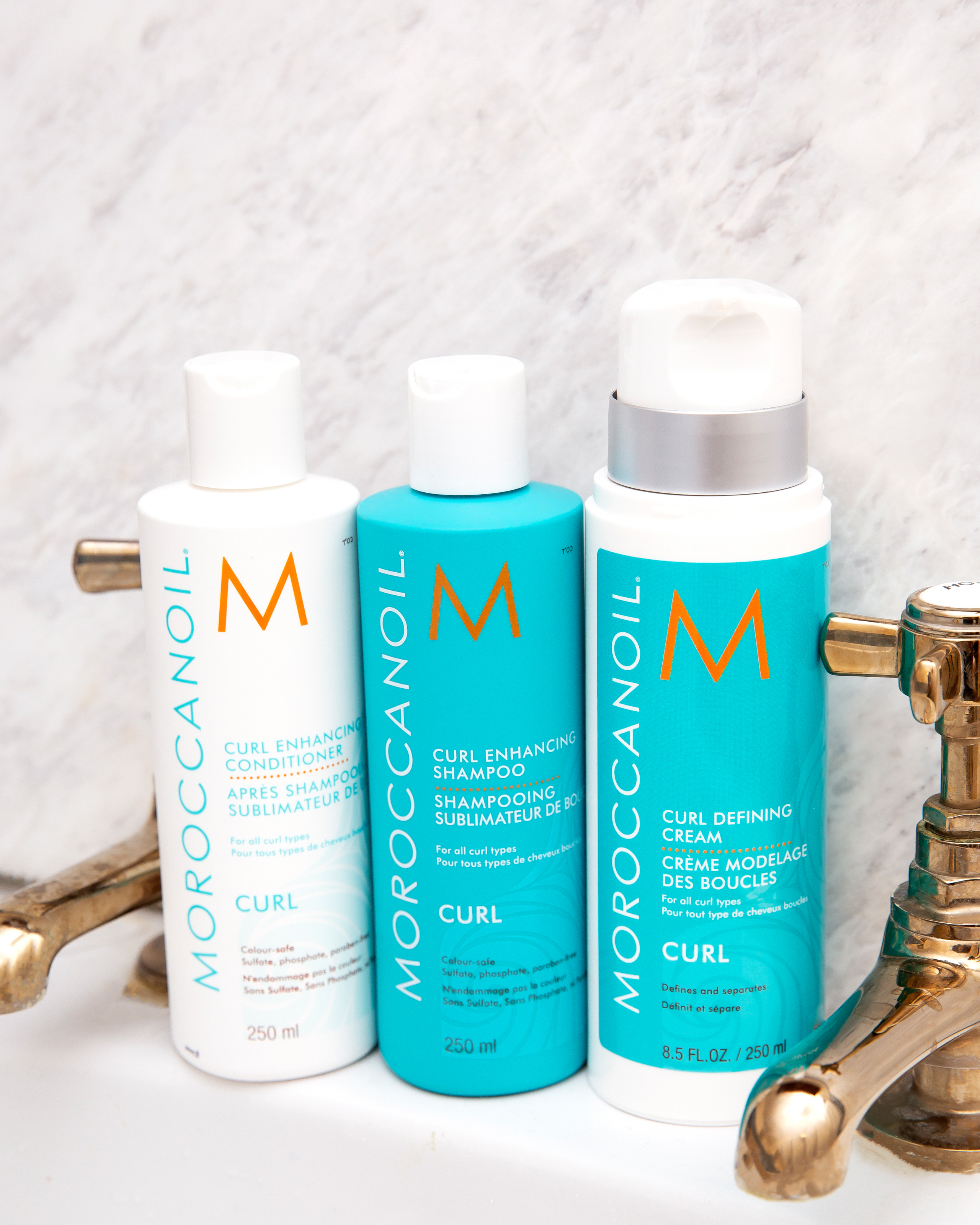
Moroccanoil Revitalizing Scalp Tonic for thinning hair
Moroccanoil Revitalizing Scalp Tonic is described in the available product information as a weightless leave-in scalp treatment spray for thinning hair. The directions say to section the hair, spray directly onto the scalp, gently massage, and style as usual; it can be used daily on freshly washed or dry, styled hair. The product information also describes a formula intended to revitalize hair and invigorate the scalp while nourishing it and providing a soothing sensation.
Its claims about reduced fallout, fuller-looking hair, and timing are based on specific independent lab and consumer testing, so they should be read as product-study claims rather than a promise for every user. If you are concerned about ongoing loss, use the product information as a guide to application, not as a substitute for finding the cause.
Moroccanoil Treatment Original and hair protection
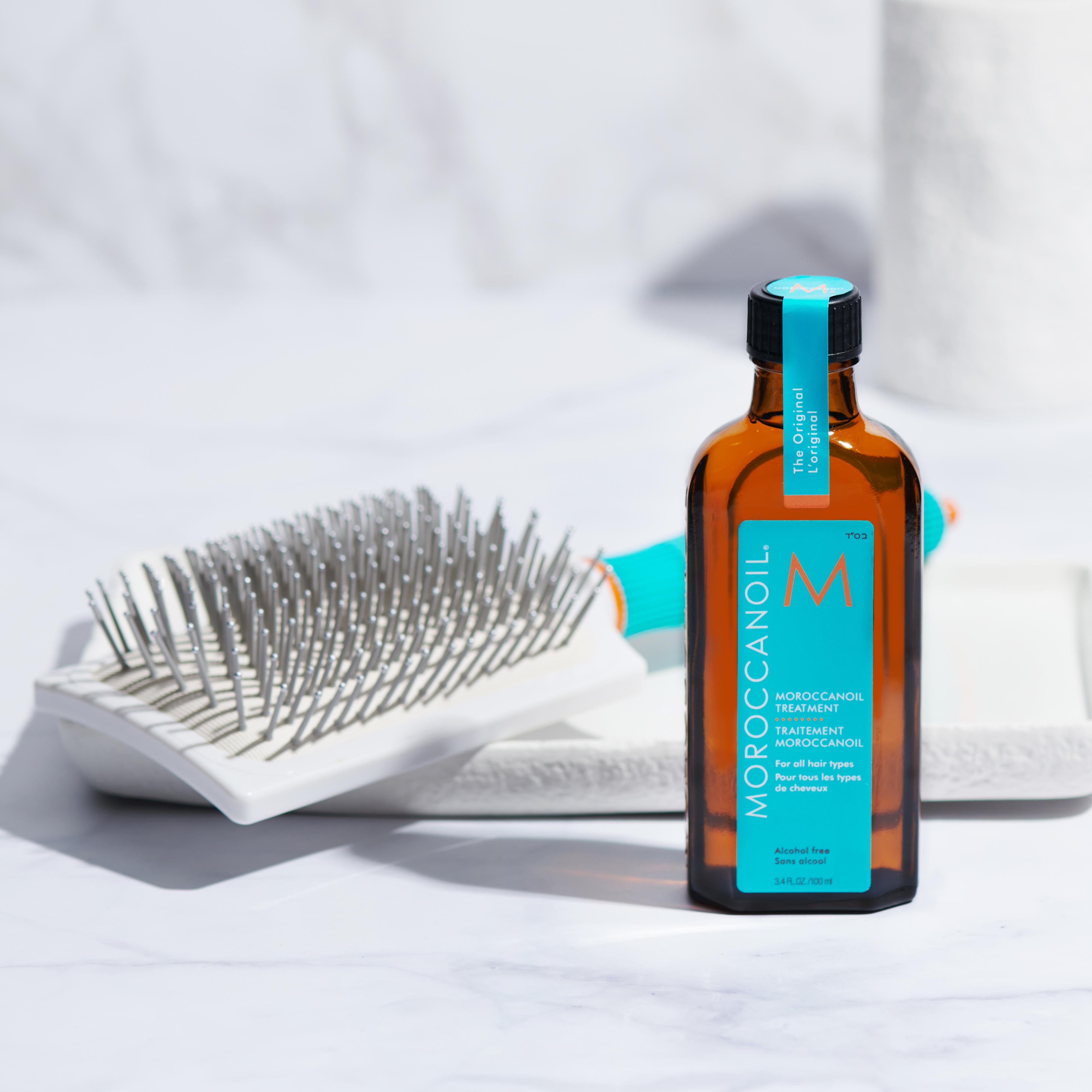
Moroccanoil Treatment Original is described as a multitasking, argan-oil-infused hair oil for all hair types. Its documented uses include smoothing frizz, detangling, conditioning, boosting shine, and serving as a conditioning, styling, and finishing tool. The directions specify a small amount on clean, towel-dried hair from mid-length to ends, with a further small application on dry hair for flyaways or split ends.
That placement matters when hair looks thin. Using an oil through the mids and ends can improve the appearance and feel of damaged lengths, while applying it heavily at the roots may make fine hair look flatter. The product can support presentation and manageability, but it is not described here as a treatment for every type of hair loss.
Moroccanoil Treatment Light for fine or delicate hair
Moroccanoil Treatment Light is specifically formulated for fine or light-colored hair. The available description calls it a lightweight version of the original hair oil and says it smooths frizz, detangles, conditions, and boosts shine without weighing hair down. Its directions recommend one to two pumps on clean, towel-dried hair from mid-length to ends.
Fine hair can show excess product quickly, so starting with less is sensible even when a formula is designed to feel light. The goal is a smooth, flexible finish rather than a coated root. As with any cosmetic oil, the benefit is mainly in the strand’s appearance and manageability.
Choosing products based on scalp and hair type
Start by deciding whether the immediate issue is scalp comfort, breakage, dryness, frizz, or styling. For example, a gentle scalp balancing shampoo is positioned for scalp discomfort, visible flakes, oiliness, redness, and hydration, while a scalp balancing conditioner is described as soothing and moisturizing for oily and dry scalps. A weekly pre-wash scalp scrub is described as helping reduce visible flakes, excess oil, and buildup.
The wider routine can stay simple. A dry scalp treatment may suit a dryness-focused routine, whereas a clarifying shampoo is intended to remove mineral, product, and environmental buildup. Choose based on what you can observe, and introduce one change at a time so you can tell what agrees with your hair and scalp.
How to use Moroccanoil for hair loss concerns
Application technique can make a good product feel either helpful or frustrating. Scalp treatments need to reach the skin, while oils and conditioners usually work best on the lengths. A routine should also be easy enough to repeat without excessive brushing, pulling, or product layering.
Applying scalp products to clean, dry hair
Follow the label for the particular scalp product rather than assuming all treatments work the same way. For a spray, sectioning the hair helps distribute it across the scalp instead of leaving most of the product on the surface hair. Gentle fingertip massage is preferable to vigorous rubbing, especially if the scalp feels tender.
Clean, dry hair may be the right starting point for some leave-in products, while others are designed for use before washing. Keep those instructions separate. More product is not automatically more effective, and a stinging sensation is not proof that a treatment is working.
Using hair oil on mids and ends instead of the scalp
Hair oil is generally easier to control when warmed between the palms and pressed lightly through the mids and ends. Begin with a very small amount, concentrating on rough or frayed areas. This approach can add slip and shine while avoiding an overly oily root area.
For fine or delicate hair, a lightweight hair oil can be considered when the main concern is frizz or styling smoothness. The product choice should still follow hair type and the label’s directions. Oil can make strands look more cohesive, but it cannot replace scalp assessment when density is changing.
Creating a consistent weekly routine
A routine does not need to be complicated to be useful. Keep the number of active changes low, use products as directed, and give yourself enough time to assess comfort and appearance. A simple schedule might look like this:
- Wash according to scalp oiliness, activity, and comfort rather than a rigid calendar.
- Use conditioner through the lengths, giving extra attention to dry or fragile ends.
- Apply a scalp treatment only as directed and record any reaction.
- Reserve exfoliating or clarifying steps for the frequency stated on the product label.
This structure makes it easier to identify which step helps and which one causes heaviness or irritation. It also leaves room to stop a product without dismantling the entire routine.
Avoiding excess product and weighed-down roots
Flat roots can make thinning-looking hair seem even less dense. Use less oil than you think you need, keep heavy formulas away from the scalp unless they are specifically intended for it, and allow styling products to dry before adding more. Fine hair often responds better to small adjustments than to a complete product overhaul.
If buildup is suspected, a product described as removing mineral, product, or environmental residue may be relevant, but over-cleansing can leave the lengths dry. Balance the scalp’s needs with the condition of the strands.
Potential benefits and limitations
The most realistic benefits of a cosmetic hair routine are often visible in texture and styling. Hair may feel softer, catch the light more evenly, or detangle with less effort. Those changes can improve confidence, but they should be measured against what the product is actually designed to do.
Improving softness, shine, and manageability
Conditioning and oil-based finishing products can make rough hair feel smoother and look glossier. Less friction during brushing may also make styling less stressful for fragile lengths. These are practical reasons to use a hair-care product even when the concern began with shedding.
For dry or damaged strands, Moisture Repair Shampoo is described as gently cleansing while hydrating and nourishing, with documented claims around breakage, elasticity, frizz, and manageability. A hydrating conditioner is described as nourishing and detangling all hair types for smoother, more manageable hair.
Reducing the appearance of breakage
Breakage often shows up as uneven ends, short flyaways, or a gradual loss of length. Smoothing and conditioning can reduce the rough appearance of those areas, although no topical finish can reunite a strand that has already split. Treating the lengths gently is therefore useful even while you investigate a scalp-related concern.
A small amount of Repair Mending Infusion is described as being applied to dry hair, focusing on the ends, to seal split ends and reduce dryness, frizz, and breakage. The distinction is worth keeping clear: improving damaged ends is not the same as stopping follicle-level shedding.
Why cosmetic products do not treat every cause of hair loss
Shedding can follow illness, stress, hormonal change, nutritional problems, medication, inflammatory scalp conditions, or hereditary pattern changes. A conditioner or oil cannot be assumed to correct all of those mechanisms. Even a product marketed around thinning-looking hair should be viewed within its stated scope and evidence.
A fuller appearance can still be valuable, especially while you are arranging an assessment. It simply should not become a reason to postpone care when the change is sudden, patchy, painful, or accompanied by other symptoms.
When visible results may be difficult to assess
Hair appearance varies with washing, lighting, humidity, styling, and the angle of a photograph. Shedding also fluctuates naturally, which can make a short trial seem more conclusive than it is. Record observations consistently and avoid comparing a freshly styled day with an unwashed one.
For additional styling support, Volumizing Mousse is described as a weightless formula for medium to fine hair that builds body without stickiness. That kind of lift may change the visual impression of density, but it should be interpreted as styling rather than proof of regrowth.
Safety considerations before using Moroccanoil
Any new scalp or hair product can cause an unwanted response in a sensitive person. Ingredients, fragrance, essential oils, and preservatives can all matter, particularly when the skin barrier is already irritated. Read the label, follow the directions, and introduce products thoughtfully.
Checking the ingredient list for known sensitivities
Compare the ingredient list with anything you already know causes itching, redness, burning, or a rash. Keep a note of products used when a reaction occurs, since several new additions can make the source difficult to identify. Do not assume that a product described as soothing will suit every scalp.
Products with exfoliating or aromatic ingredients may feel different from a basic cleanser or conditioner. If your scalp is already inflamed, ask a healthcare professional whether adding a new active product is sensible.
Performing a patch test before regular use
A small preliminary test can provide an early warning, although it cannot guarantee that a product will be tolerated on the scalp over time. Follow the product’s own safety guidance and use only a small amount on an appropriate area. Stop if the test area becomes uncomfortable or visibly irritated.
Avoid testing multiple new products at once. That makes the result harder to interpret and can increase exposure if your skin reacts.
Recognizing signs of irritation or worsening shedding
Pay attention to persistent itching, burning, redness, swelling, scaling, tenderness, or a new rash. Increased breakage or shedding after a product change also deserves attention, even if the timing may be coincidental. A reaction is a reason to pause, not to apply more frequently.
Symptoms that affect the eyes, face, or breathing need prompt medical attention. Otherwise, document what happened and keep the packaging or ingredient list available for a professional discussion.
When to stop using a product and seek medical advice
Stop using a product if it causes a clear or worsening reaction. Medical advice is also appropriate for sudden loss, round patches, scalp pain, marked inflammation, or shedding that persists without an obvious explanation. These patterns are more informative than a single day of extra hair in the shower.
Cosmetic care can continue as a supportive part of a routine when it is comfortable, but it should remain secondary to evaluation when symptoms are significant.
Common causes of hair thinning to consider
Thinning is a description, not a diagnosis. The cause may be temporary, inherited, related to the scalp, or connected with general health. Thinking through the timing and pattern can help you decide what information to bring to a clinical appointment.
Temporary shedding after stress or illness
Some people notice increased shedding after significant stress, fever, illness, surgery, major weight change, or another physical strain. The timing may be delayed, which makes the connection easy to miss. Hair cycles do not always respond immediately to an event.
If the shedding is diffuse and follows a clear trigger, tracking it over time may be useful. Persistent or severe changes still deserve professional input rather than an assumption that they will resolve on their own.
Pattern hair loss and hereditary factors
Gradual widening of a part, recession at the temples, or reduced density at the crown can suggest a patterned process. Family history may offer a clue, although it does not provide a diagnosis by itself. Early assessment can clarify what options are appropriate.
Cosmetic products may make the remaining hair easier to style or less prone to breakage. They should not be presented as a guaranteed way to change a hereditary pattern.
Nutritional, hormonal, and medical contributors
Changes in diet, iron status, thyroid function, hormones, medication, and certain medical conditions can affect shedding or density. Fatigue, menstrual changes, skin symptoms, or other new health concerns may be relevant context. Avoid starting supplements simply because hair loss is frustrating; unnecessary supplementation can also cause problems.
A healthcare professional can decide whether an examination, history, or testing is appropriate. Bring a list of medications and note when the shedding began.
Traction, heat, and chemical damage
Repeated tight ponytails, braids, extensions, high heat, bleaching, and frequent chemical processing can weaken hair or place tension on the roots. The result may look like thinning, particularly around the hairline and areas that receive the most tension. Gentle handling can reduce additional damage while you assess the pattern.
A smoothing conditioner is described as helping smooth unruly hair and restore amino acids, while All In One Leave-in Conditioner is described as moisturizing hair and protecting against thermal damage. These uses relate to strand care, not to diagnosing the reason for density changes.
Building a more complete hair-loss care plan
A useful plan combines observation, low-stress styling, appropriate cleansing, and timely professional advice. It does not require buying every product that mentions fullness. Start with the habits most likely to reduce avoidable breakage, then address scalp symptoms and persistent shedding separately.
Gentle washing and scalp-care habits
Use fingertips rather than nails, rinse thoroughly, and avoid aggressive scrubbing. Choose cleansing frequency according to oil, sweat, buildup, and comfort. If a product leaves the scalp tight or irritated, reassess it rather than forcing daily use.
For a routine focused on hydration and daily cleansing, Hydrating Shampoo is described as a sulfate-free, paraben-free formula for all hair types that supports manageability, smoothness, shine, and hydration. For fine, limp hair, Extra Volume Shampoo is described as cleansing, detangling, and hydrating while providing lift without weighing hair down.
Limiting tight hairstyles and excessive heat
Alternate the position of ponytails and buns, loosen styles that pull, and take breaks from extensions or tightly secured accessories. Use lower heat when possible and avoid repeated passes over the same section. Detangle from the ends upward with patience.
Styling products can help create a preferred finish, but they cannot make sustained traction harmless. A routine that looks good should also feel comfortable while it is being worn.
Tracking shedding and changes in density
Choose one monthly photo angle and similar lighting, then record notable changes in shedding, scalp symptoms, styling, illness, stress, and medication. This is more useful than counting every strand. A short written timeline can help a clinician see patterns that are difficult to recall.
Try not to change several products immediately before taking photos. Consistency makes cosmetic changes easier to separate from genuine changes in density.
When to consult a dermatologist or qualified healthcare professional
Arrange an assessment for sudden, patchy, painful, inflamed, or rapidly progressive loss, or whenever shedding continues and concerns you. A professional can examine the scalp, discuss possible triggers, and decide whether further investigation is needed. Seek prompt care for signs of infection or a severe allergic reaction.
Hair products can remain part of supportive strand care, but they should not carry the responsibility of diagnosing or treating unexplained loss. A balanced plan protects both the hair you have and your wider health.
Shop a considered routine
If you are ready to build a gentler hair-care routine, browse haircare and choose products according to your scalp and strand needs. Use them as directed, and keep professional advice in the plan when shedding persists.
Conclusion
Moroccanoil products may improve the feel, shine, manageability, and appearance of fragile or thinning-looking hair, but they are not a universal answer to hair loss. Distinguish breakage from shedding, apply products to the areas they are designed for, and seek qualified advice when changes are sudden, persistent, or concerning.
Frequently Asked Questions
Can hair products make thinning hair look fuller?
Yes, conditioning, careful styling, and lightweight volumizing products can improve body, shine, and the way existing strands sit together. That visual change does not necessarily mean new hair growth.
Is hair shedding the same as hair breakage?
No. Shedding involves hairs leaving the scalp, while breakage occurs when the shaft snaps along its length. They can happen together, but the clues and care approaches differ.
How long should I monitor increased shedding?
The right timeframe depends on how sudden or severe the change is and whether other symptoms are present. Sudden, patchy, painful, or rapidly worsening loss should be assessed promptly rather than monitored indefinitely.
Can stress cause temporary hair shedding?
Significant physical or emotional stress can precede a period of increased shedding in some people. Because the timing may be delayed, write down major events and discuss the pattern with a healthcare professional.
What habits can reduce hair breakage?
Limit tight hairstyles, excessive heat, harsh detangling, and frequent chemical processing. Use conditioner through the lengths and handle wet hair gently, especially when it is fragile.
Should I take supplements for thinning hair?
Not automatically. Nutritional deficiencies can contribute to hair changes, but supplements are most appropriate when a qualified professional identifies a need or recommends testing and treatment.
When should hair loss be medically evaluated?
Seek advice for persistent, sudden, patchy, painful, inflamed, or rapidly progressive loss, or when shedding occurs alongside other health changes. Early evaluation can help clarify the cause and suitable next steps.




Leave a comment