

Kérastase which shampoo: how to choose the right formula for your hair
Key Takeaways
Choosing the right shampoo starts with your scalp, texture, and the condition of your lengths—not just a product name.
- Identify whether your main need is moisture, strength, color care, scalp balance, or frizz control.
- Match cleansing strength and richness to your hair texture and washing schedule.
- Treat shampoo as one part of a routine, alongside conditioner, masks, and leave-in care.
- Color-treated, fragile, and oily hair often needs a more specific formula than “normal” hair.
- Buy from a trustworthy retailer and compare size, usage, samples, and shipping before ordering.
Start by identifying your hair’s main need
The best answer to “kerastase which shampoo” depends on what your hair and scalp are doing right now. Hair can be dry at the ends but oily at the roots, or strong at the crown but fragile around the face. Start with the most noticeable concern, then consider texture and how often you wash. That simple pause prevents a rich formula from weighing down fine hair or a light cleanser from leaving coarse hair feeling tight.
Match the shampoo to your hair texture
Fine hair usually needs cleansing that feels light and leaves movement, while thick or coarse hair may tolerate a richer, more conditioning wash. Curly and wavy textures can also lose softness when cleansed too aggressively, particularly if the lengths are already porous. Texture does not decide everything, but it helps determine how much nourishment your hair can comfortably hold.
Pay attention to the result after drying rather than only the lather in the shower. If your roots look flat soon after washing, the formula may be too rich or you may be applying it too far down the lengths. If the ends feel rough and catch on your fingers, a gentler cleanse and better conditioning step may be more useful.
Consider dryness, oiliness, and buildup
Dryness often shows up as roughness, dullness, tangling, or a lack of flexibility. Oiliness tends to appear at the scalp first, while buildup can make hair feel coated, sticky, or unusually difficult to style. These symptoms can overlap, so try to identify whether the problem is a lack of moisture or an excess of product and sebum.
A cleansing routine should leave the scalp comfortable and the lengths clean without that squeaky, stripped feeling. If you use oils, dry shampoo, sprays, or heavy styling creams, occasional thorough cleansing may help, but doing it every wash can make dry lengths less cooperative.
Separate scalp concerns from hair concerns
The scalp is skin, while the lengths are older fiber that cannot repair itself in the same way living skin does. A sensitive or oily scalp may need one approach, even when the lengths need moisture or strengthening. Apply shampoo mainly where there is oil and perspiration, then let the rinse move through the ends rather than scrubbing them repeatedly.
If discomfort, persistent flakes, sores, or sudden shedding continues, consider speaking with a dermatologist or another qualified professional. Cosmetic shampoo can support comfort and cleanliness, but it should not be treated as a diagnosis or a substitute for medical advice.
Decide whether you need daily care or targeted treatment
Some people wash frequently because of exercise, an oily scalp, or personal preference. Others can go several days between washes. A daily cleanser should feel mild enough for that pattern, while a targeted formula may be better used when a particular concern is active.
Use your hair’s response as feedback over several washes. A shampoo that leaves the scalp fresh but the lengths brittle is not the right fit, even if the first wash feels exceptionally clean. Your routine should feel sustainable, not like a correction you have to endure.
Choose the right Kérastase collection
Collections can make a large assortment easier to navigate, but the collection name is only a starting point. Read the individual shampoo description and check whether its intended use matches your texture, scalp, and styling habits. A dry-haired person may still need a light formula, and a damaged-haired person may still need occasional clarifying care.
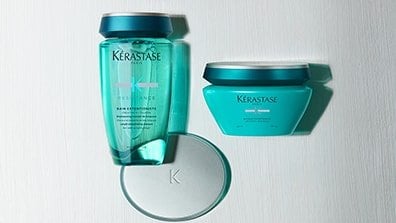
The following matches are useful shopping directions rather than rigid rules. They help narrow the shelf before you compare the specific cleanser, richness, and supporting products.
Nutritive for dry and dehydrated hair
Nutritive is the natural place to begin when the main complaint is dryness, roughness, or hair that feels undernourished. Compare lighter and richer options according to your texture and how easily your roots become flat. A nourishing shampoo should improve manageability without leaving a film that makes styling harder.
For a more shine-focused option, Bain Elixir Ultime is described as a hydrating shampoo for all hair types and textures that combats dryness and dullness while leaving hair soft, lightweight, and radiant. That kind of description is more useful than choosing by the word “nourishing” alone.
Résistance for damaged or weakened hair
Résistance is a sensible direction when breakage, split ends, chemical processing, or repeated heat styling has weakened the fiber. Look for a cleanser that is paired with a conditioner or treatment, because shampoo has limited contact time and cannot restore every form of damage by itself.
For example, Bain Force Architecte is described as a reconstructing shampoo for weakened or over-processed hair that rebuilds hair fibers and helps prevent breakage and split ends. If your hair is severely compromised, a treatment step may matter as much as the cleanser.
Discipline for frizz and unruly strands
Discipline is a useful collection direction when the main issue is frizz, swelling, or hair that becomes difficult to smooth. Frizz can come from dryness, humidity, porosity, or mechanical damage, so consider what happens in your own climate and styling routine before choosing the richest formula available.
A smoothing shampoo should support easier detangling and styling, but it will not replace careful drying, heat protection, or a conditioner that suits the hair’s density. Start with the least heavy option likely to address the problem, then adjust if the lengths still feel rough.
Spécifique for scalp and hair-loss concerns
Spécifique is the collection direction to investigate when the scalp is central to the concern, including oiliness, sensitivity, or a thinning-looking appearance. Be precise about what you are seeing: temporary shedding, breakage, and reduced density are not interchangeable. If hair loss is sudden or pronounced, professional assessment is the safer next step.
For dry, sensitive, or itchy scalp concerns, Spécifique Masque Réhydratant is described as a mask used after shampooing one to two times weekly. It is a treatment rather than a shampoo, which is a useful reminder that scalp care may need a separate product from everyday cleansing.
Chroma Absolu for color-treated hair
Chroma Absolu is the collection direction for hair whose color service has left it dry, porous, or more prone to fading. Choose between lighter and richer cleansing according to the thickness of your hair. Color care also involves washing frequency, water temperature, heat styling, and protection from environmental exposure.
For fine to medium hair, Bain Chroma Respect is described as a sulfate-free shampoo that gently cleanses, removes buildup without stripping color, and supports hydration and shine. For medium to thick, drier hair, Bain Riche Chroma Respect is described as a richer sulfate-free option that cleanses while nourishing and hydrating.
Find the best shampoo for dry or dehydrated hair
Dry hair does not always need the richest shampoo on the shelf. It may need less frequent washing, more careful detangling, or a conditioner that stays on the lengths longer. Begin with how the hair feels when wet and after drying, then choose the mildest formula that leaves it clean and flexible.
How to tell if your hair needs moisture
Hair that needs moisture often feels rough, dull, brittle, or unusually tangled. It may puff up in humidity or lose its shape quickly after styling. These signs can also indicate damage, so consider whether the change followed bleaching, coloring, chemical processing, sun exposure, or frequent hot tools.
If the scalp is comfortable but the lengths feel dry, keep shampoo concentrated near the roots and give the ends more attention with conditioner or a mask. For sun-exposed hair, Bain Après-Soleil is described as cleansing chlorine, salt, and other residues while nourishing and strengthening the hair.
Choosing between lightweight and rich cleansing formulas
Lightweight formulas generally suit fine hair, oily roots, or lengths that become limp quickly. Richer formulas can be more comfortable for thick, coarse, or highly porous hair, especially when it feels tight after washing. Neither category is automatically better; the useful question is whether the hair remains clean, soft, and easy to style until the next wash.
A practical comparison can make the choice less abstract:
| Hair response after washing | More suitable direction | What to watch for |
|---|---|---|
| Roots fall flat quickly | Lightweight cleansing | Limpness or a coated feel |
| Ends feel rough and tangled | More nourishing care | Loss of movement |
| Hair feels tight or squeaky | Gentler cleansing | Persistent dryness |
| Hair feels coated after styling | Occasional deeper cleanse | Over-cleansing afterward |
After a few washes, judge the formula by the balance it creates. A good match should make the next steps easier, not force you to compensate with layers of styling product.
When nourishing shampoo can cause limp or heavy hair
A nourishing shampoo can be too much when fine strands are easily weighed down or when products are applied from roots to ends without considering where they are needed. Hair may look shiny at first but lose volume, feel slippery in an unhelpful way, or become greasy sooner.
Try using less product, rinsing more thoroughly, or choosing a lighter formula before abandoning nourishment altogether. The goal is not the richest possible wash; it is enough conditioning support for the hair to remain soft without losing shape.
Select a shampoo for damage, breakage, or thinning
Damage changes how hair behaves, but “damaged” covers several situations. Bleaching can increase porosity, heat can make the fiber brittle, and mechanical tension can contribute to breakage. Thinning-looking hair may reflect breakage, reduced density, or temporary shedding, so the right response depends on what is actually happening.
Signs of chemical or heat damage
Common signs include split ends, roughness, reduced elasticity, short broken pieces, and hair that snaps during brushing. Bleached or chemically processed hair may also feel porous and absorb products quickly without becoming more manageable. Frequent flat-ironing or hot blow-drying can add to that stress.
Treat these signs as a reason to reduce friction and heat, not merely as a reason to buy a stronger shampoo. Use a wide-tooth comb when appropriate, detangle gently, and avoid pulling wet hair harder than necessary.
When strengthening care is more important than moisture
Moisture can make dry hair feel better, but fragile hair may also need strengthening support and fewer damaging habits. If the main problem is breakage rather than simple roughness, choose a routine that combines cleansing with conditioning and a targeted treatment.
Bain Nutri Fortifiant is described as a strengthening and nourishing shampoo for weakened, fragile hair, including concerns such as thinning and damage. Its description is a useful example of looking for a formula that addresses both nourishment and strength rather than assuming one benefit covers every concern.
How to support fragile or thinning-looking hair
Start by separating hair fall from hair breakage. Short pieces around the hairline or ends may point to breakage, while increased shedding from the root deserves closer attention. Avoid tight hairstyles and rough handling, and make sure the scalp is cleansed without aggressive scrubbing.
A simple supportive routine can include:
- Cleansing the scalp with controlled pressure rather than scratching.
- Conditioning the lengths so detangling requires less force.
- Limiting repeated high-heat styling and using appropriate protection.
- Tracking changes over time instead of judging one wash.
These habits reduce unnecessary stress, but they cannot diagnose the cause of thinning. If the change is sudden, patchy, or persistent, seek professional guidance.
Why shampoo alone cannot repair severely damaged hair
Shampoo rinses away, so it has less time to work than a conditioner, mask, or leave-in treatment. It can improve the feel of the surface and support a cleaner foundation, but it cannot make split ends permanently whole or reverse every chemical change.
For severely damaged, over-processed hair, Sérum Thérapiste is described as a leave-in serum for breakage, brittleness, and damage from heat styling and chemical treatments. A leave-in product may therefore have a more appropriate role than expecting a shampoo to perform every repair step.
Choose a Kérastase shampoo for color-treated hair
Color-treated hair needs cleansing that respects both the scalp and the work invested in the color service. Fading can be accelerated by frequent washing, hot water, sun, chlorine, mineral deposits, and rough handling. The right shampoo is helpful, but the entire wash routine affects how bright and even the result remains.
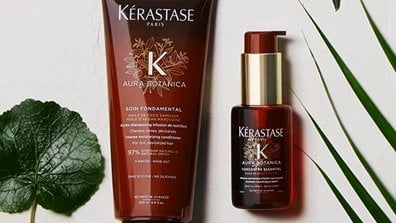
Protecting color from fading and dullness
Wash with comfortably warm water, rinse thoroughly, and avoid scrubbing the colored lengths as though they were the scalp. If the hair is dry or porous, it may lose shine before the color has visibly faded, so softness and surface smoothness matter too.
For a refill format, Bain Riche Chroma Respect Refill Pouch is described as a 500 ml pouch for a refillable aluminum bottle, with a formula intended for medium to thick color-treated hair. Choose a format for convenience only if the formula itself matches your hair.
Selecting care for blondes and highlighted hair
Blonde and highlighted hair can be especially porous after lightening. It may need gentle cleansing, hydration, and careful handling to avoid a dry, coarse feel. If brassiness is the main concern, look for a product explicitly intended for that purpose rather than assuming every color-care shampoo neutralizes tone.
Also consider the untreated hair around the highlights. A formula that suits the lightened pieces may feel too rich at the roots, so conditioner placement and the amount used can be just as important as the shampoo choice.
Balancing cleansing power with color protection
Color-safe does not mean the shampoo should leave buildup behind. Styling products, oils, hard-water minerals, and dry shampoo can all dull the surface. The answer is balance: use a color-conscious everyday cleanser and address heavier buildup deliberately rather than cleansing aggressively at every wash.
If the hair feels coated after several styling days, wash the scalp carefully and rinse for longer. The next wash can return to the gentler routine once the excess residue is gone.
How often to wash color-treated hair
There is no universal number of washes that suits every scalp. Wash when the scalp needs it, while reducing unnecessary washing of the lengths. A person with oily roots may need frequent cleansing; someone with a dry scalp may prefer a longer interval.
Between washes, protect hair from friction and excessive heat, and keep conditioner away from the scalp if it causes flatness or oiliness. Observe how your color, roots, and ends respond rather than following a fixed schedule that does not fit your life.
Match your shampoo to scalp and styling concerns
The scalp and lengths often need different things, particularly when styling is frequent. Oil at the roots can coexist with dry ends, and product buildup can look like dullness or excess oil. A good routine assigns the cleansing work to the scalp and the conditioning work to the lengths.
Managing oily roots and dry ends
Use shampoo mainly at the roots and massage with the pads of your fingers. Let the lather rinse through the lengths instead of piling all the hair on top of the head and rubbing it together. Conditioner can then be placed from mid-length to ends, where dryness is usually more noticeable.
Bain Divalent is described as a balancing shampoo for oily roots and dry ends that regulates excess oil on the scalp while hydrating the hair. This is the kind of specific match to look for when one all-over formula cannot satisfy both areas.
Removing product buildup without over-cleansing
Buildup can come from oils, waxes, sprays, dry shampoo, and repeated layering of leave-in products. Hair may feel sticky, dull, or resistant to water. Before changing every product in your routine, consider whether a more thorough occasional wash would solve the immediate issue.
Rinse longer than you think you need to, especially at the nape and behind the ears. If the scalp feels tight afterward, reduce the frequency of deeper cleansing and use less styling product at the next opportunity.
Calming sensitivity, flakes, or discomfort
A tight, itchy, or flaky scalp can have many causes, including dryness, irritation, product sensitivity, or a condition that needs medical attention. Keep the routine simple while you observe the pattern, and avoid scratching because it can worsen irritation and damage the skin.
Do not rely on a cosmetic shampoo to manage persistent symptoms indefinitely. A healthcare professional can help distinguish ordinary dryness from a condition requiring specific treatment.
Adjusting your routine after regular heat styling
Heat styling can leave hair feeling smooth at first and fragile later. If you use a dryer, iron, or hot brush often, prioritize gentle handling, sensible temperatures, and a leave-in product that suits your texture. Keep the shampoo focused on cleansing rather than expecting it to provide all heat protection.
For a leave-in option, Sérum Filler Fondamental is described as protecting hair from humidity and heat up to 230°C while helping with frizz and manageability. Follow the product directions and do not treat a heat-protection claim as permission to use unlimited heat.
Build a Kérastase shampoo routine that works
A good formula can still disappoint if it is used in the wrong amount or paired with products that do not suit the hair. Technique matters, especially when the scalp and lengths have different needs. Give a routine enough time to show a pattern, but do not push through clear irritation or worsening dryness.
How much shampoo to use and where to apply it
Begin with a small amount and add more only if the scalp is not covered. Wet the hair thoroughly first, spread the shampoo between your hands, and massage the scalp rather than scrubbing the lengths. Thick or very dense hair may need more product, but more shampoo is not automatically more effective.
Rinse until the water runs freely and the roots no longer feel slippery with cleanser. If the ends are dry, let the rinse do most of the cleaning there.
Whether to shampoo once or twice
A first wash may loosen oil, dry shampoo, and styling residue, while a second wash can clean the scalp more evenly. Two washes are not necessary every time, especially when the hair is already dry or the scalp is not particularly oily.
Consider two washes after heavy styling or a long gap between shampoos. Use one wash when the scalp is lightly soiled and the first lather spreads easily. The hair should feel clean, not squeaky.
Pairing shampoo with the right conditioner or mask
Conditioner should usually address the lengths, while a mask can provide more intensive care when hair is dry, porous, or damaged. Choose the companion product according to the shampoo’s effect: a rich cleanser may need a lighter conditioner, while a mild cleanser may work well with richer support on coarse ends.
For damaged lengths, Fondant Fluidité Réparateur Conditioner is described as a lightweight yet intensely nourishing treatment intended to revitalize damaged hair. It can be a useful example of pairing cleansing with a separate conditioning step rather than asking shampoo to do everything.
When to rotate formulas or change your routine
Rotate only when there is a reason, such as a seasonal change, a new color service, more frequent workouts, or a shift in how the hair behaves. Constantly changing products makes it difficult to tell what is helping. Keep one dependable cleanser and add targeted care when needed.
A short trial period can reveal whether the scalp stays comfortable, the roots remain fresh, and the ends retain softness. If any of those measures gets worse, adjust the formula or the amount before adding more products.
Shop for genuine Kérastase products with confidence
Once you know the concern and texture you are shopping for, compare the product description, size, and routine cost. Buying from an authorized retailer also reduces the risk of receiving counterfeit or expired cosmetics. A lower sticker price is not useful if the product is old, misrepresented, or unsuitable for your hair.
Why authorized retailers matter
An authorized retailer can provide greater confidence about authenticity and inventory. Boutique Deauville states that it sources directly from brands, carries genuine products, and receives regular shipments intended to provide fresh inventory. Those details matter when you are buying a formula that will be used repeatedly on your hair and scalp.
The retailer also lists Kérastase hair care as part of its shopping selection, giving you a straightforward place to compare shampoos, conditioners, masks, and treatments.
How to check freshness and packaging
Look for intact packaging, clear labeling, consistent printing, and a product that matches the description you ordered. If the texture, scent, color, or packaging seems unexpectedly different, pause before using it and contact the seller. Keep order details and photographs if you need to ask about an issue.
Freshness is especially worth considering for products you use infrequently. Buying more than you can reasonably finish may not be better value if the formula sits unused for a long time.
Comparing value by size and usage
A larger bottle is not automatically the better deal. Compare the price per ounce, how much you use per wash, how often you wash, and whether the formula requires a separate treatment to give the result you want. A smaller bottle may be a sensible first purchase when you are testing compatibility.
The retailer lists products in CAD and USD, so check the displayed currency before comparing totals. Shipping thresholds and promotions can also change the final value.
Making the most of samples, gifts, and shipping offers
Samples can be a low-risk way to explore a conditioner or treatment before committing to a full size. Boutique Deauville states that all orders come with free samples, and customers can choose a free gift when their order is over $75. It also lists free shipping over $99 across Canada and over $150 across the United States.
Use offers to support a purchase you already need rather than adding products that do not fit your routine. Check processing and delivery details as well, particularly during promotional periods when fulfillment may take longer.
Find Your Best Formula
Use the collection and product descriptions to narrow the choice, then shop the Kérastase hair care range with your texture, scalp, and washing habits in mind. A thoughtful match is more useful than chasing the richest, newest, or most highly praised bottle.
Conclusion
The right shampoo is the one that cleanses your scalp comfortably while leaving your lengths in a condition you can manage. Start with the main concern, account for texture and color history, and build the rest of the routine around what your hair actually shows you after several washes.
Frequently Asked Questions
How do I know which shampoo is right for my hair?
Start with the main concern: dryness, oiliness, damage, color fading, frizz, or scalp discomfort. Then adjust for texture and how often you wash.
Should shampoo be applied to the lengths?
Apply most shampoo to the scalp and roots, where oil and buildup collect. Let the rinse move through the lengths, and use conditioner there when they need softness.
Is a sulfate-free shampoo always better for dry hair?
Not necessarily. The best choice depends on the full formula, your scalp, styling habits, and how your hair responds after washing.
How often should color-treated hair be washed?
Wash according to scalp needs rather than a fixed schedule. Using comfortable water temperatures and avoiding unnecessary washing of the lengths may help preserve softness and shine.
Can shampoo repair split ends?
Shampoo can improve cleansing and the feel of the hair, but it cannot permanently join a split end. Conditioning, gentler handling, and trimming are more practical ways to manage split ends.
What is the difference between dry hair and a dry scalp?
Dry hair refers mainly to the lengths feeling rough or lacking flexibility, while a dry scalp involves the skin. They can occur together, but they may need different care.
When should I seek professional advice about hair loss?
Seek advice when shedding is sudden, patchy, persistent, or accompanied by scalp changes. A professional can help identify the cause and suggest suitable treatment.







Leave a comment