

Kérastase Genesis Serum Reviews: Results, Ingredients, and Who It’s For
Key Takeaways
The serum is best considered as one part of a hair-care routine, not a guaranteed fix for every cause of shedding. Reviews and personal results can offer clues, but the formula, routine, and reason for hair loss all matter.
- The Genesis serum is positioned around reducing hair fall associated with breakage, rather than serving as a medical hair-growth treatment.
- Reviews may describe improvements in strength or less breakage, but those experiences are individual and don’t establish a predictable result.
- Ingredient preferences, scent, scalp feel, and consistent use are worth considering before buying.
- Persistent or sudden hair loss deserves professional advice rather than reliance on a cosmetic serum alone.
- Compare the cost with your routine and goals, and follow the product’s own directions for use.
What the Kérastase Genesis serum is designed to do
The Genesis line is associated with weakened hair and breakage, and the serum is generally discussed in that context. That framing matters: breakage along the hair shaft and shedding from the root can look similar in a brush or shower, but they are not the same concern. The Kérastase Genesis serum is a cosmetic hair-care product, so it’s sensible to approach it as routine support rather than a promise of new growth.
The serum’s purpose in the Genesis hair-care line
The broader Genesis routine includes cleansing and conditioning products as well as a scalp serum; a retailer’s description of the Genesis Oily Roots Set lists a scalp serum among the included products. That set is described as being for fine, normal, or oily hair prone to breakage, with cleansing, strengthening, and moisturizing steps. Those details help explain the line’s general context, but they should not be mistaken for a guarantee about what one serum will do on its own. A routine can be useful to consider as a whole, especially if breakage-prone lengths and scalp care are both part of the concern.
Hair and scalp concerns it aims to address
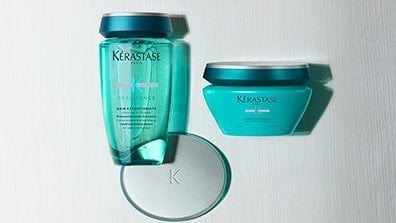
The product is most relevant to people thinking about fragile strands and breakage-related hair fall. The distinction between shedding and breakage is easy to miss: a broken strand may be shorter and lack a root bulb, while a shed hair is often full-length. A cleansing step may also matter for some routines; the Genesis Anti-Chute Shampoo is described as a fortifying shampoo for dry, weakened hair that helps reduce breakage-related hair loss. These are product-positioning statements, not a diagnosis of why someone’s hair is falling out.
How it differs from a hair-growth treatment
A cosmetic serum should not be treated as a medical treatment for hair loss or as proof that new growth will occur. A separate product page describes Initialiste Scalp & Hair Serum as helping support healthy-looking hair growth, but that wording still refers to appearance and care, not a clinical promise. If the concern is new or worsening thinning, a clinician can help identify possible causes. The difference is practical: a hair-care product may fit into a routine, while persistent hair loss may need an assessment beyond the bathroom shelf.
What reviewers say about their results
The phrase kerastase genesis serum reviews can lead to very different kinds of accounts: some people focus on how their hair feels, while others are looking for a visible change in fullness or shedding. Those experiences are useful for setting questions to ask, but they are personal reports rather than controlled evidence. There is no single outcome that can be assumed for every hair type or every cause of hair fall.
Commonly reported benefits
Reviewers and beauty coverage commonly discuss reduced breakage, stronger-feeling strands, or a scalp-care experience. Those impressions can be meaningful to the person using the product, but they don’t establish that the serum will stop shedding or create new growth. A helpful way to read a review is to separate the specific observation from the interpretation: “fewer short broken pieces” is different from “hair loss is cured.” Look for detail about what changed, how the person used the product, and what else was in their routine.
Differences in results across hair types and routines
A review is most useful when it gives enough context to compare the reviewer’s situation with yours. Texture, styling habits, bleaching or heat exposure, and whether the concern is breakage or shedding can all affect what someone notices. For example, someone mainly concerned with dry ends may be addressing a different issue with a leave-in such as Nutri-Supplement Split-Ends Serum, which is described as nourishing and sealing ends to help prevent split ends. That distinction keeps a positive review from becoming a blanket claim about every kind of hair loss.
How long reviewers use it before judging results
Short-term impressions tend to be about feel, manageability, or how a product fits into a routine; longer-term judgments about breakage need consistent observation over time. Rather than relying on memory, it can help to track a few concrete details for several weeks: how often you wash, how much heat styling you do, and whether you see broken pieces or full-length shed hairs. Keep the comparison simple and avoid changing several products at once. That makes it easier to tell whether a routine change seems to coincide with a difference, without treating that timing as proof of cause.
Ingredients and formula details to consider
Ingredient lists can help you decide whether a product suits your preferences, but an ingredient name by itself does not tell you how a finished formula will behave. Coverage of the serum identifies Aminexil, ginger root, and edelweiss native cells among its ingredients. The product’s texture and scent can also matter, particularly for a leave-in used on the scalp. If you have a known sensitivity, review the current package list rather than relying on a summary or an older review.
Key ingredients and their intended roles
The ingredients most often highlighted in available descriptions are Aminexil, ginger root, and edelweiss native cells. Retail descriptions associate the formula with fortifying care and reducing breakage, while an editorial account describes it as intended to improve fibre resistance and support the scalp’s natural barrier. These descriptions explain the product’s positioning; they do not show that any single ingredient guarantees a particular result. The table separates the named ingredients from the broader claims attached to the formula.
| Ingredient named in descriptions | How it is presented | What to keep in mind |
|---|---|---|
| Aminexil | Part of the fortifying formula | Ingredient presence alone does not predict an individual result |
| Ginger root | Highlighted as a formula ingredient | The overall formula matters, not just one component |
| Edelweiss native cells | Highlighted as a formula ingredient | A marketing description is not clinical evidence of hair growth |
These are points to help interpret product descriptions, not a ranking of ingredients or a substitute for checking the full current list. If ingredient avoidance is important to you, read the packaging before use and consider asking a professional about a known allergy or scalp condition.
Texture, scent, and scalp feel
Texture and scent are subjective, so a reviewer’s preference may not translate to yours. Some coverage describes the serum as having a scent that reviewers notice, while retailer language for related hair products highlights a lightweight or non-greasy feel; those descriptions should not be assumed to apply identically to every person. If you’re sensitive to fragrance or dislike leave-in residue, that may weigh more in your decision than a favorable before-and-after impression. Check the product details and directions for the exact version you’re considering.
Potential sensitivities and ingredient preferences
A scalp product can be a poor fit even when its intended purpose sounds right. Review the ingredient list for anything you already know you react to, and stop using a product if irritation develops. Preference matters too: a leave-in formula may not suit someone who wants a rinse-out treatment or avoids scented products. Those are reasonable reasons to choose differently; they do not mean the product is defective or that another person’s positive review is inaccurate.
How to use the serum in a hair-care routine
Application details should come from the specific product label, since formulas and directions can differ across products with similar names. In general, make sure you know whether a treatment is intended for the scalp or the lengths, whether it belongs on damp or dry hair, and whether it should stay in. Avoid adding several new products at once; a steady, uncomplicated routine makes it easier to notice irritation or changes in breakage.
Where and how to apply it
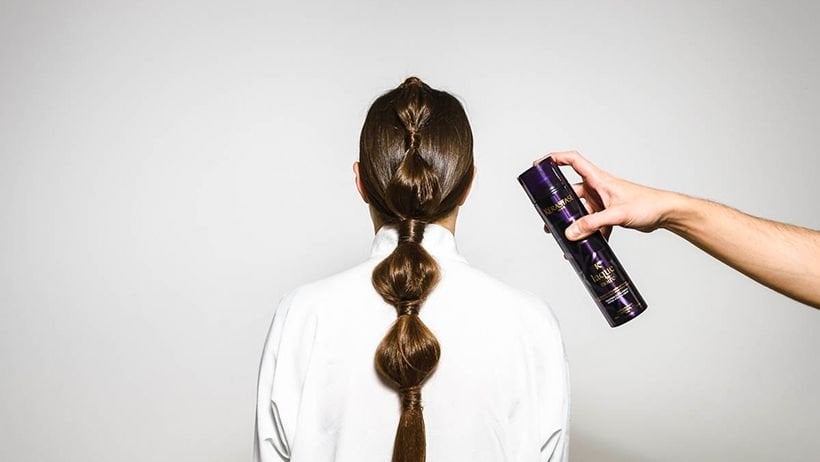
The serum is discussed as a scalp-care product, so the label’s application instructions are the right guide for placement and amount. Avoid assuming that a scalp serum should be spread through the ends like a smoothing treatment. For comparison, Serum Extentioniste is described as a strengthening serum for long hair prone to breakage and is applied to clean, towel-dried hair without rinsing. The difference in placement is a reminder to follow the directions for the exact product rather than borrowing instructions from another serum.
How often to use it and whether to rinse
Use the frequency and rinse instructions on the package; don’t infer them from a reviewer’s routine or from another product in the same line. Some treatments are designed to remain in the hair, while others have different instructions. For instance, the Genesis Homme Serum is described as a daily leave-in treatment, but that is a separate product and not a substitute for checking this serum’s directions. If the package is unavailable or unclear, ask the retailer or a hair professional before making up a schedule.
How it fits with other scalp and styling products
A routine does not need to be elaborate to be consistent. Think about what each product is meant to do, and avoid layering several leave-ins on the scalp without checking compatibility or directions. For lengths and ends, Sérum Thérapiste is described as a treatment for damaged, over-processed hair applied to damp or dry lengths and ends; Masque Thérapiste is a strengthening mask; and Genesis Masque Reconstituant is a deep-conditioning mask for weakened hair. These products have different stated roles, so they are not automatic substitutes for a scalp serum.
A simple routine review can prevent unnecessary overlap. Consider these questions before adding another step:
- Is the concern mainly at the scalp, along the lengths, or at the ends?
- Does each product’s label allow it to be layered with the others?
- Are you changing one product at a time so you can notice a reaction?
- Are heat styling and brushing contributing to breakage?
Keep the routine that answers your actual concern, rather than collecting products just because they appear in the same range. If you use a styling product, apply it according to its own instructions; for example, the Genesis Homme Wax is described as a styling wax for hold and defined styles, not as a scalp treatment.
Possible limitations and realistic expectations
A serum cannot explain every kind of hair loss, and reviews are not a substitute for identifying its cause. Hair can appear thinner because of breakage, shedding, styling choices, or other factors, and these possibilities may call for different responses. The most realistic expectation is modest: a cosmetic product may be one part of a care routine, but it cannot promise a particular result for everyone.
Hair shedding versus breakage
Breakage happens when strands snap along their length; shedding involves hairs released from the scalp. The difference can be hard to judge from a handful of hair, but noticing strand length and whether there is a bulb at one end may offer clues. A product described as helping reduce breakage is not automatically a treatment for shedding from the root. If the pattern is unclear, resist trying to diagnose it from reviews alone.
Why results may vary from person to person
People vary in hair texture, styling practices, scalp sensitivity, and the underlying reason for noticing hair fall. Reviewers may also use different amounts, combine the serum with other products, or describe results at different points in their routine. A set such as the Genesis Oily Roots Set is described for particular hair and scalp concerns, while Bain Divalent is described as a balancing shampoo for oily roots and dry ends. Neither description means that one routine fits everyone; product choices depend on the concern being addressed.
When persistent hair loss calls for professional advice
Talk with a qualified healthcare professional if hair loss is persistent, sudden, worsening, or accompanied by scalp discomfort or other changes. A professional can help investigate causes that a cosmetic product cannot assess. This is especially useful when you are unsure whether you are seeing breakage or shedding. Continuing to buy products without understanding the pattern can delay more appropriate advice.
Is the Kérastase Genesis serum worth the price?
Value depends on what you hope the serum will do, how consistently you will use it, and whether it fits comfortably into your budget. The bottle price is only one part of the calculation: usage instructions, how quickly you finish it, and whether the product addresses your actual concern also matter. Without reliable, comparable testing or a price stated for the specific bottle, a universal verdict would be misleading.
What to weigh beyond the bottle price
Before buying, consider the concern you want to address and whether a scalp serum is the right product type. Other products have different stated uses: Chronologiste Pré-Cleanse is a weekly pre-shampoo treatment for excess oil and buildup, while Chronologiste Universal Hair Serum is described as a leave-in for dry or damaged hair, frizz, shine, and heat-styling protection. For overnight care, Serum Cicanuit is described as a treatment for damaged, brittle hair. Those distinctions can help you avoid paying for a product whose purpose does not match your need.
Who may find the serum a good fit
It may be worth considering if you want to add a scalp-focused cosmetic step to a routine and your main concern is weakened hair or breakage. It is also a better fit for someone willing to follow the product directions and judge results gradually rather than expecting an immediate change. For additional cleansing options within the broader range, Bain Hydra-Fortifiant Refill is described for fine, normal, or oily hair and Bain Nutri Fortifiant Shampoo for fragile, weakened hair. A routine can be assembled around those needs, but a serum is not essential for everyone.
When another type of product may suit your needs better
If your concern is split ends, product buildup, damaged lengths, or heat styling, a treatment made for that purpose may be more relevant than a scalp serum. For example, Genesis Défense Thermique is described as a heat-protection spray for weakened, breakage-prone hair, and Genesis Homme Thickening Spray is described as a leave-in spray for thinning hair and fuller-looking volume. The Genesis Homme Thickening Shampoo and Daily Strengthening Shampoo are described as cleansers for thinning or breakage-prone hair. A separate Texturizing Wax is for styling, not hair loss; choose by the job you actually need done, and seek professional advice for ongoing shedding.
If you want to compare available hair-care options, browse the collection and choose a product category that matches your routine rather than relying on a review alone.
Conclusion
The serum may make sense as a cosmetic step for someone focused on breakage-related concerns, but reviews cannot guarantee results or determine the cause of persistent hair loss. Check the ingredient list and directions, give any routine change time, and seek professional guidance if shedding continues or worsens; if you decide it fits your needs, browse the hair-care collection and compare the product details before purchasing.
Frequently Asked Questions
Can a hair serum stop all hair shedding?
No cosmetic serum can be assumed to address every cause of shedding. The reason for hair loss matters, and persistent or sudden changes are best discussed with a qualified professional.
How can I tell breakage from shedding?
Broken hairs are often shorter pieces without a root bulb, while shed hairs may be full length. This is only a general clue, not a diagnosis.
How long should I use a hair product before judging it?
There is no universal timeline, because the concern and product directions differ. Track a few consistent observations over time and avoid changing several routine steps at once.
Should a scalp serum be applied to hair ends?
Not unless its directions say to do so. Scalp products and length or end treatments can have different intended uses.
Can I combine several leave-in hair products?
Possibly, but check each product’s instructions and introduce changes gradually. Layering multiple products can make it harder to identify irritation or tell which step is useful.
What should I do if a hair product irritates my scalp?
Stop using it and review the ingredient list. If irritation persists or is severe, seek advice from a healthcare professional.
When should I ask a professional about hair loss?
Ask for professional advice if hair loss is persistent, sudden, worsening, or accompanied by scalp symptoms or other changes. A clinician can help investigate causes that hair-care products cannot determine.





Leave a comment