

Discover the Secrets of Morocco Beauty: Ancient Traditions and Modern Trends
Morocco beauty is more than just products; it's a lifestyle rooted in nature and tradition. Here are the main things to remember:
Key Takeaways
- Morocco beauty heavily relies on natural ingredients like argan oil, rose water, and rhassoul clay.
- Traditional practices such as the hammam and henna rituals are central to Moroccan beauty.
- Modern Morocco beauty blends old techniques with new products, focusing on organic and sustainable options.
- Key ingredients like argan oil and Moroccan essential oils offer numerous benefits for skin and hair.
- You can bring Morocco beauty into your home with DIY recipes and by finding authentic products online.
Morocco Beauty: A Legacy Of Natural Ingredients
Moroccan beauty isn't just about looking good; it's deeply tied to nature and traditions passed down through generations. Think of it as a treasure chest filled with potent natural ingredients that have been used for centuries to care for skin and hair. This rich heritage forms the bedrock of Moroccan beauty practices, blending ancient wisdom with a deep respect for the earth's bounty.
The Power Of Argan Oil In Morocco Beauty
Argan oil, often called 'liquid gold,' is probably the most famous Moroccan beauty secret. It comes from the nuts of the argan tree, which only grows in a specific region of Morocco. This oil is packed with vitamin E and fatty acids, making it super moisturizing. People use it for everything – softening dry skin, making hair shiny, and even for nail care. It's not just a cosmetic; it's a staple in daily life.
Rose Water And Orange Blossom: Timeless Moroccan Essences
Beyond argan oil, the delicate scents of rose water and orange blossom water are everywhere in Moroccan beauty. These floral waters are made by distilling rose petals and orange blossoms. They're used as toners to refresh the skin, to add a lovely scent to lotions, and even in cooking. Their gentle properties are great for soothing and balancing the skin, and that light, floral aroma is just so calming.
Henna's Ancient Role In Morocco Beauty Rituals
Henna has a long history in Morocco, used for more than just temporary tattoos. It's a natural dye derived from the henna plant. Traditionally, it's used to color hair, giving it a rich, reddish-brown hue. But it's also used in rituals for celebrations and special occasions, adorning hands and feet with intricate patterns. Henna is also believed to have conditioning properties for hair and can be good for the scalp.
Traditional Moroccan Beauty Practices
Morocco's approach to beauty is deeply rooted in time-honored rituals that have been passed down through generations. These practices aren't just about looking good; they're about a holistic sense of well-being and connection to nature.
The Hammam Experience: Purification And Rejuvenation
The hammam, or traditional Moroccan bathhouse, is more than just a place to get clean. It's a social and spiritual experience focused on deep cleansing and relaxation. The process typically involves several stages. First, you'll spend time in a warm, steamy room to open up your pores. Then, a black soap, made from olive oil and olives, is applied to soften the skin. After rinsing, a vigorous scrub with a kessa glove removes dead skin cells, leaving your skin incredibly smooth. The final step often involves a rinse with cool water and sometimes a moisturizing application. It's a full-body reset that leaves you feeling completely renewed.
Rhassoul Clay Masks For Radiant Skin
Rhassoul (or ghassoul) clay is a mineral-rich clay found in the Atlas Mountains of Morocco. It's been used for centuries as a natural cleanser and conditioner for both skin and hair. When mixed with water or rose water, it forms a smooth paste that draws out impurities from the skin, absorbs excess oil, and helps to refine pores. It's also packed with minerals like magnesium and potassium, which can help improve skin elasticity and clarity. Many people find it leaves their skin feeling soft and looking brighter.
Amlou: The Nutty Elixir For Hair And Skin
Amlou is a delicious and nutritious spread made from roasted almonds, argan oil, and honey. While it's often enjoyed as a breakfast treat, its ingredients make it a powerhouse for beauty too. The argan oil provides deep moisture, the almonds offer vitamins and minerals, and the honey has natural antibacterial properties. It can be used as a rich moisturizer for dry skin, a conditioning treatment for hair, or even as a gentle exfoliant when mixed with sugar. It's a simple yet effective way to nourish your body from the outside in.
Modern Morocco Beauty Trends
Fusion Of Ancient Techniques With Contemporary Products
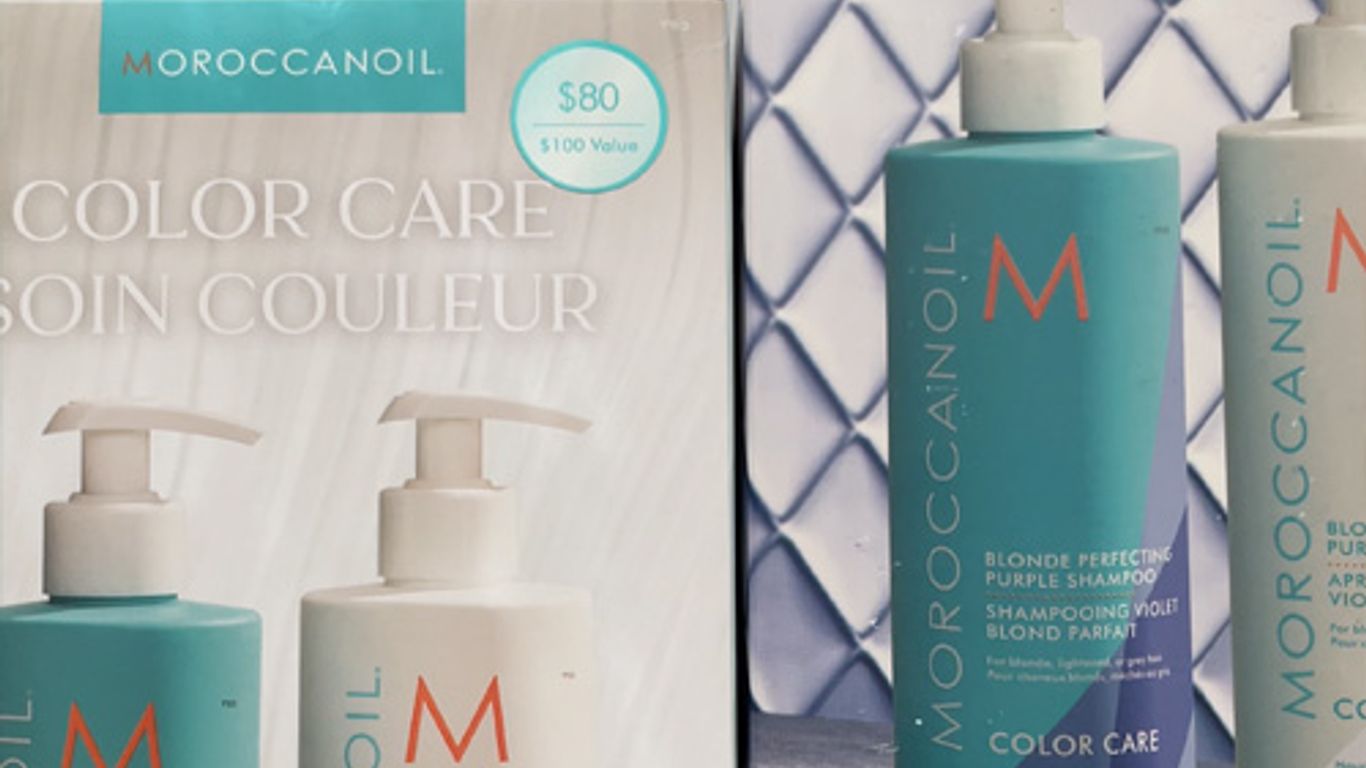
It's really interesting how Moroccan beauty is blending old ways with new stuff. Think about it: you've got these ancient practices, like using argan oil or rose water, which have been around for ages. Now, people are mixing them into modern skincare lines. You'll find serums that have argan oil but also include things like hyaluronic acid or vitamin C. It’s like getting the best of both worlds – the natural goodness from Morocco and the science-backed ingredients we know work well today. This fusion means you can get that traditional Moroccan glow with products that are easy to use and fit into our busy lives. The goal is to keep the soul of Moroccan beauty while making it work for the 21st century.
The Rise Of Organic And Sustainable Morocco Beauty
There's a big push these days for products that are good for us and good for the planet. This is totally happening in Moroccan beauty too. More brands are focusing on sourcing ingredients ethically and using sustainable methods. This means looking at how the argan nuts are harvested or how the rose petals are collected. It’s not just about what’s in the bottle; it’s about the whole process. People are really starting to care about where their beauty products come from and how they're made. This trend is making Moroccan beauty even more appealing because it aligns with a more conscious way of living.
Morocco Beauty Influencers Shaping Global Trends
Social media has really opened things up, hasn't it? Moroccan beauty influencers are now sharing their traditions and favorite products with the whole world. They show us how to use rhassoul clay, explain the benefits of different oils, and demonstrate traditional beauty rituals. Because they're sharing these authentic experiences, they're inspiring people everywhere to try Moroccan beauty. It's pretty cool to see how these traditions are gaining popularity globally, thanks to these digital voices. They're not just showing off products; they're sharing a piece of their culture.
The modern Moroccan beauty scene is a vibrant mix of heritage and innovation. It respects the time-tested methods passed down through generations while embracing new scientific advancements and a global consciousness for sustainability. This dynamic approach ensures that the allure of Moroccan beauty continues to captivate and evolve.
Key Ingredients In Morocco Beauty
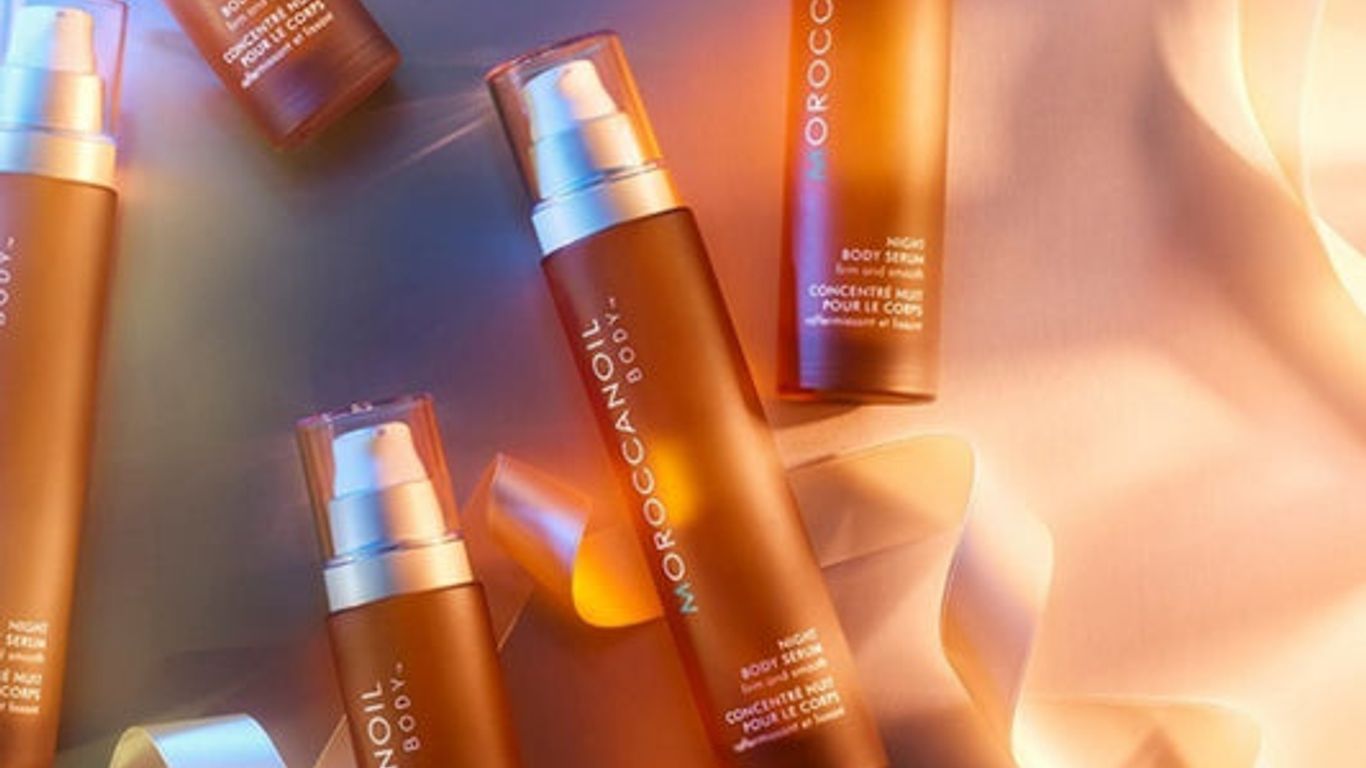
Moroccan beauty is all about harnessing the power of nature. For centuries, people in Morocco have used natural ingredients found right in their own backyards to create amazing beauty treatments. It’s not just about looking good; it’s about feeling good and taking care of yourself with what the earth provides.
Exploring The Benefits Of Argan Oil
Argan oil is probably the most famous Moroccan beauty ingredient, and for good reason. It comes from the nuts of the argan tree, which only grows in a specific part of Morocco. This oil is packed with good stuff like vitamin E and fatty acids. It's great for moisturizing skin, making it soft and supple. It also works wonders for hair, helping to tame frizz and add shine. Many people use it as a daily moisturizer for both their face and body.
The Aromatic World Of Moroccan Essential Oils
Beyond argan oil, Morocco is a treasure trove of aromatic essential oils. Think of rose water and orange blossom water. These aren't just pretty scents; they have real benefits. Rose water is known for its calming and anti-inflammatory properties, making it perfect for sensitive skin. Orange blossom water, on the other hand, is refreshing and can help balance oily skin. These oils are often used in traditional beauty rituals and are now showing up in modern skincare products.
Herbal Remedies In Morocco Beauty Routines
Moroccan beauty routines often include a variety of herbs and plants. Rhassoul clay, for example, is a mineral-rich clay mined from the Atlas Mountains. It's fantastic for cleansing the skin and hair, drawing out impurities without stripping natural oils. Henna, while often associated with temporary tattoos, has also been used for centuries as a natural hair conditioner and colorant. These herbal remedies are simple, effective, and have stood the test of time.
Achieving Morocco Beauty At Home
Bringing a touch of Moroccan beauty into your own space is totally doable, even without a plane ticket. It’s all about using those amazing natural ingredients and simple practices that have been around for ages. You don't need fancy equipment or a whole spa setup to get that glow.
DIY Morocco Beauty Recipes
Making your own beauty treatments at home is a fantastic way to connect with Moroccan traditions. It’s surprisingly easy to whip up effective masks and treatments using ingredients you might already have or can find easily.
- Argan Oil Hair Mask: Mix 2 tablespoons of pure argan oil with 1 tablespoon of honey and a few drops of lavender essential oil. Apply to damp hair, focusing on the ends. Leave on for 30 minutes, then shampoo and rinse. Your hair will feel so soft!
- Rose Water & Rhassoul Clay Face Mask: Combine 1 tablespoon of rhassoul clay with enough rose water to make a smooth paste. Add a drop of argan oil if your skin is dry. Apply to your face, avoiding the eye area. Let it dry for about 10-15 minutes, then rinse with warm water. It really helps clear out pores.
- Orange Blossom & Honey Body Scrub: Mix 1/2 cup of sugar with 1/4 cup of olive oil (or argan oil), 1 tablespoon of honey, and 1 teaspoon of orange blossom water. Use this in the shower to gently exfoliate your skin. It leaves you feeling super smooth and smelling amazing.
Incorporating Moroccan Scents Into Your Routine
Scents play a huge role in Moroccan culture, and bringing them into your daily life can be really uplifting. Think about using essential oils or scented waters in simple ways.
- Aromatherapy: Add a few drops of rose, orange blossom, or argan oil to a diffuser. It can make your whole home feel more serene and spa-like.
- Room Sprays: Mix water with a few drops of your favorite Moroccan essential oil in a spray bottle. A quick spritz can instantly change the mood of a room.
- Bath Time: Add a few drops of essential oil to your bathwater for a relaxing soak. It’s a simple luxury that makes a big difference.
Finding Authentic Morocco Beauty Products Online
When you're looking to buy Moroccan beauty products, especially things like pure argan oil or rhassoul clay, it’s super important to get the real deal. The internet is full of options, but not all of them are genuine.
Always look for sellers who are authorized retailers or who source directly from Morocco. This helps you avoid fake products that might not work or could even be bad for your skin. Check reviews and see if they offer guarantees on authenticity. It’s worth the extra effort to get products that are pure and effective.
Some online stores offer free samples with orders, which is a nice bonus. Others might give you a free gift if you spend over a certain amount, like $75. Shipping details are also good to check – look for free shipping thresholds (often around $99-$150) and how long delivery usually takes. Make sure they ship to your location and process orders quickly, usually within a couple of business days.
Want to get that gorgeous Moroccan glow right in your own home? It's easier than you think! You can achieve beautiful, healthy hair with simple steps and the right products. Discover the secrets to radiant locks and transform your hair care routine today. Visit our website to explore the amazing collection and start your journey to stunning hair!
Conclusion
Morocco beauty is a rich tapestry woven from ancient wisdom and modern innovation. From the nourishing power of argan oil to the purifying ritual of the hammam, these traditions offer a unique approach to self-care. Embracing these practices, whether through authentic products or DIY recipes, allows us to connect with a heritage that celebrates natural radiance and timeless elegance. The world of Morocco beauty is vast and inviting, promising a journey of discovery for anyone seeking a more natural and holistic way to care for their skin and hair.
Frequently Asked Questions
What is argan oil and why is it used in Morocco beauty?
Argan oil comes from the nuts of the argan tree, found mostly in Morocco. It's packed with good stuff like vitamins and healthy fats, which makes skin soft and hair shiny. People have used it for ages to moisturize and protect their skin and hair.
What is a hammam?
A hammam is like a traditional Moroccan bathhouse. It's a place where people go to get clean and relax. You usually get scrubbed and steamed, which is supposed to make your skin feel super smooth and refreshed. It's a big part of Moroccan culture.
Is henna just for hair?
Nope! While henna is famous for coloring hair, it's also used in Morocco for beautiful temporary tattoos on the skin, especially for celebrations. It’s made from a plant and has been used for body art for a very, very long time.
What is rhassoul clay?
Rhassoul clay, also called ghassoul, is a special type of clay from the Atlas Mountains in Morocco. It’s really good at cleaning skin and hair because it can soak up extra oil and dirt. When you use it as a mask, it helps make your skin look brighter and clearer.
How can I find real Morocco beauty products?
It’s best to buy from places that are official sellers for the brands. This way, you know you're getting the real deal and not something fake or old. Look for stores that say they get their products straight from the brands, like Boutique Deauville mentioned in the article.
Can I use Morocco beauty ideas at home?
Absolutely! You can make your own masks using ingredients like argan oil or rhassoul clay. You can also add scents like rose water or orange blossom to your bath or lotions. It's a great way to enjoy the benefits of Morocco beauty without needing to travel.



Leave a comment