

Unlock Timeless Radiance: Discover the Secrets of Moroccan Beauty
Ever wondered about that special glow some people have? It might just be the secrets of Moroccan beauty. For centuries, people in Morocco have used simple, natural things to care for their skin and hair. It's not just about looking good, but feeling good too. Let's explore some of these timeless practices and ingredients that make Moroccan beauty so unique.
Key Takeaways
- Moroccan beauty traditions rely on natural ingredients like argan oil and rose water.
- These practices often involve a holistic approach, connecting inner well-being with outer appearance.
- Key ingredients such as argan oil and rhassoul clay have specific benefits for skin and hair.
- Creating a Moroccan beauty routine involves traditional cleansing, nourishing, and exfoliating steps.
- Authentic Moroccan beauty products are best sourced from authorized retailers to guarantee freshness and genuine ingredients.
The Essence Of Moroccan Beauty Rituals
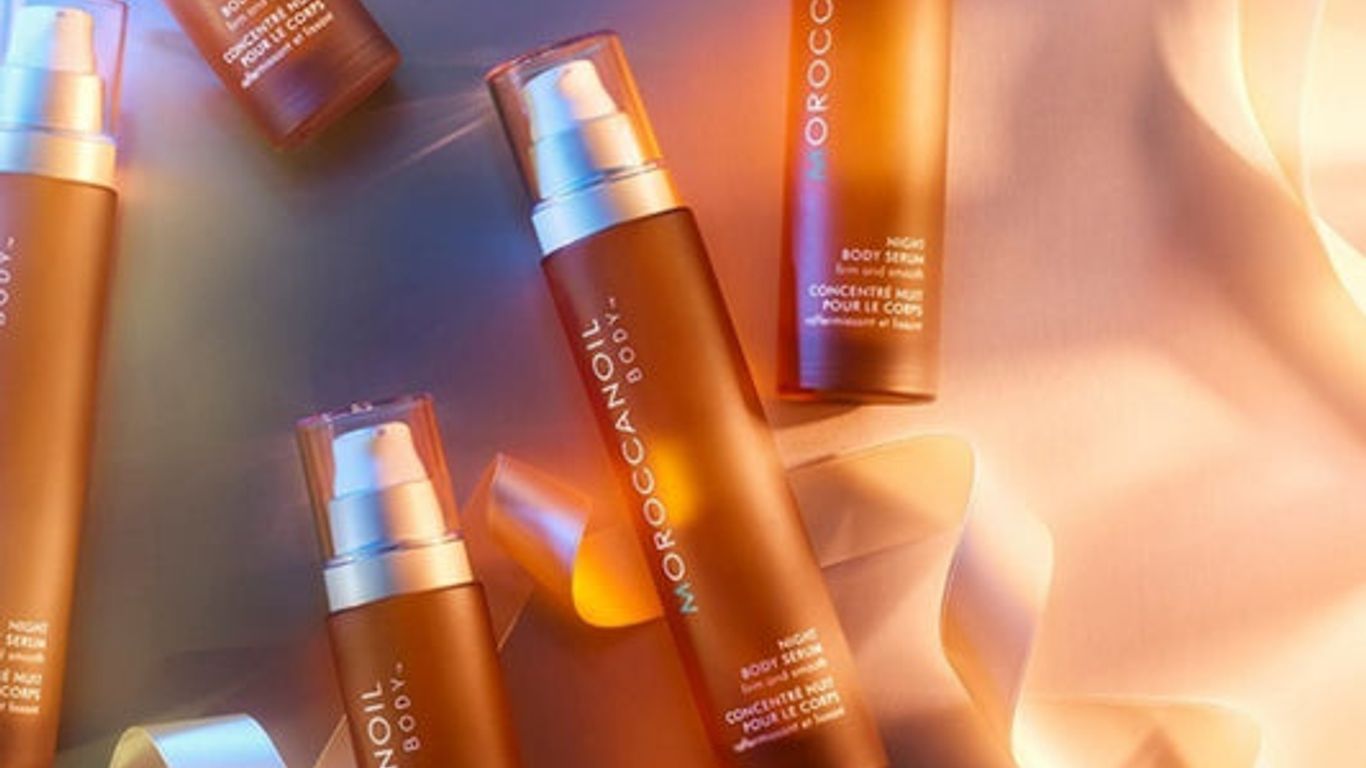
Moroccan beauty isn't just about what you put on your skin; it's a whole way of life, a tradition passed down through generations. It’s about taking time for yourself, connecting with natural elements, and understanding that true radiance comes from within and without. Think of it as a mindful practice, not just a quick routine.
Ancient Skincare Secrets
For centuries, Moroccan women have relied on time-tested methods to keep their skin looking its best. These aren't complicated, high-tech treatments. Instead, they're simple, effective practices using ingredients readily available in the region. The focus is on gentle cleansing, deep nourishment, and natural exfoliation. It’s about working with your skin, not against it.
The Power of Natural Ingredients
What really sets Moroccan beauty apart is its deep connection to nature. Forget synthetic chemicals; the magic here comes from the earth. Ingredients like argan oil, rose water, and rhassoul clay are staples, each offering unique benefits. These natural wonders have been used for so long because they genuinely work, providing nourishment and rejuvenation without harsh side effects.
Holistic Approach to Well-being
Moroccan beauty rituals go beyond just the face. They encompass the entire body and mind. It's about creating a sense of balance and well-being. This often involves practices that relax the body and calm the spirit, like the traditional hammam steam bath. The idea is that when you feel good inside, it shows on the outside. It’s a complete approach to self-care that promotes lasting health and a natural glow.
Here's a look at some core principles:
- Gentle Cleansing: Using mild, natural soaps or oils to clean the skin without stripping its natural moisture.
- Deep Hydration: Applying nourishing oils and butters to keep skin soft and supple.
- Regular Exfoliation: Removing dead skin cells to reveal brighter, smoother skin.
- Mindful Practice: Taking time to enjoy the process, turning a routine into a moment of peace.
Key Ingredients In Moroccan Beauty
Moroccan beauty secrets are deeply tied to the land, drawing on potent natural elements that have been used for centuries. These aren't just random plants and minerals; they're carefully chosen for their specific benefits, creating a synergy that works wonders for skin and hair. Let's look at a few stars of the show.
Argan Oil's Golden Touch
This liquid gold, pressed from the kernels of the argan tree native to Morocco, is probably the most famous ingredient. It's packed with vitamin E, antioxidants, and fatty acids. It's not greasy like some other oils, which is a big plus. You can use it on your face, body, and hair. It helps moisturize, soften, and protect. It's like a multi-tasking miracle worker for your skin.
Rhassoul Clay's Purifying Properties
Also known as ghassoul, this unique clay comes from the Atlas Mountains. It's rich in minerals like magnesium, potassium, and zinc. What's cool about rhassoul clay is how it cleans without stripping your skin of its natural oils. It pulls out impurities and excess oil, leaving your skin feeling super clean and smooth. It's often used in masks and body treatments.
Rose Water's Soothing Embrace
Distilled from rose petals, rose water has been a beauty staple for ages. It's known for its gentle, calming properties. It can help balance the skin's pH, reduce redness, and give a little boost of hydration. Plus, it smells amazing, which is always a nice bonus. It's great as a facial toner or a refreshing mist throughout the day.
Crafting Your Moroccan Beauty Routine
Building a Moroccan-inspired beauty routine is all about embracing natural rhythms and using simple, effective ingredients. It’s not complicated, really. Think of it as a gentle way to care for your skin and body, drawing from traditions that have been around for ages. The goal is to feel good and look healthy, not to achieve some impossible standard.
Cleansing With Tradition
Forget harsh soaps. Moroccan cleansing is usually a two-step process, starting with something gentle to lift away the day's grime. Often, this involves a natural oil or a soft cleansing milk. The second step is where the real purification happens, typically with rhassoul clay or a gentle soap like black soap (savon noir).
- First Cleanse: Use a small amount of argan oil or a similar plant-based oil. Massage it onto dry skin, letting it dissolve makeup and impurities. Rinse with warm water.
- Second Cleanse: Mix rhassoul clay with water to form a paste and apply it to your face, or use a small amount of traditional Moroccan black soap. Lather and rinse thoroughly.
Nourishing With Natural Oils
Once your skin is clean, it needs moisture. This is where the magic of Moroccan oils comes in. Argan oil is the star, of course, but others like almond oil are also used. These oils are packed with good stuff that your skin drinks right up.
Applying these oils is a ritual in itself; a few drops are usually enough. Gently pat the oil onto your face and neck. It’s best done when your skin is still a little damp from cleansing, as this helps lock in moisture.
Exfoliation For Radiant Skin
Regular exfoliation is key to that glowing Moroccan complexion. It sloughs off dead skin cells, revealing the fresh, new skin underneath. The most traditional way to do this is after cleansing, often in the steamy environment of a hammam.
- Kessa Glove: This is a special exfoliating mitt. After cleansing, while your skin is still wet, rub the kessa glove over your body in firm, circular motions. You'll be surprised at how much dead skin comes off!
- Rhassoul Clay Mask: As mentioned, rhassoul clay is great for a deep clean and gentle exfoliation. You can use it as a mask on your face or body.
- Sugar or Salt Scrubs: Sometimes, simple scrubs made with sugar or salt mixed with oil are used for a more intense exfoliation.
The beauty of these routines is their adaptability. You don't need a whole spa setup at home. Start with one or two steps and see how your skin responds. It’s about consistency and listening to what your body needs.
Beyond Skincare: Moroccan Hair And Body Care
Moroccan beauty isn't just about what you put on your face. It's a full-body experience, a way of treating your hair and skin with the same respect and natural goodness. Think of it as a whole system designed to make you feel good from head to toe.
Revitalizing Hair Treatments
Moroccan women have long known the secret to strong, shiny hair. It often involves natural oils and masks that deeply condition and protect.
- Argan Oil Hair Masks: A classic for a reason. Mix argan oil with honey and a bit of yogurt for a mask that moisturizes and adds shine. Leave it on for about 30 minutes before washing.
- Rhassoul Clay Hair Wash: Instead of shampoo, some use rhassoul clay mixed with water. It cleanses the scalp and hair without stripping natural oils, leaving hair feeling soft and clean.
- Rose Water Rinses: A final rinse with rose water can add a lovely scent and help to balance the scalp's pH.
The goal is to nourish the hair from root to tip, making it resilient and vibrant.
Luxurious Body Indulgences
When it comes to body care, the focus is on gentle cleansing and deep hydration.
- Olive Oil Soaps: Traditional Moroccan soaps, often made with olive oil, are known for their mild cleansing properties. They clean the skin without drying it out.
- Body Oils: After bathing, applying a light body oil, like argan or almond oil, locks in moisture and leaves the skin feeling soft and smooth.
- Natural Exfoliation: Using a kessa glove with black soap (savon noir) is a popular way to slough off dead skin cells, revealing brighter, smoother skin underneath.
The Art of Hammam
The hammam, or traditional Moroccan bathhouse, is more than just a place to get clean. It's a social ritual and a deeply relaxing experience.
The hammam is a communal space where people go not just for cleansing but also for relaxation and connection. It's a time to slow down, let go of stress, and engage in self-care in a serene environment. The process itself, involving steam, exfoliation, and cleansing, is designed to purify both the body and the mind.
Here's a typical hammam experience:
- Steam Room: You start by relaxing in a warm, steamy room to open up your pores.
- Black Soap & Kessa Glove: Next, you'll apply traditional black soap and then use a kessa glove to scrub away dead skin. It's quite invigorating!
- Rhassoul Clay Wrap: Often, a rhassoul clay mask is applied to the body to draw out impurities and soften the skin.
- Rinsing & Moisturizing: Finally, you're rinsed thoroughly, and a body oil is often applied to hydrate the skin.
It's a full-body reset that leaves you feeling incredibly clean, soft, and refreshed.
Authentic Moroccan Beauty Products
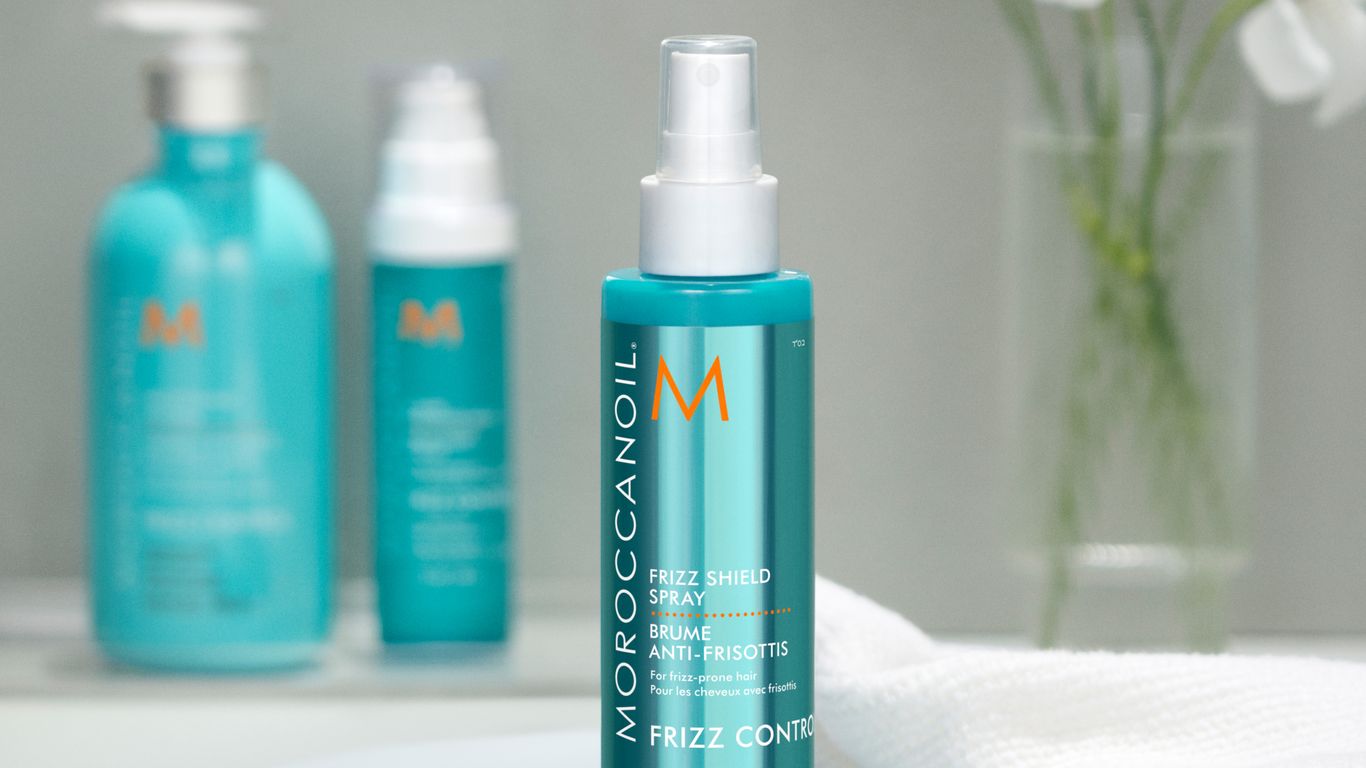
Moroccan beauty products have become a bit of a sensation, but finding the real deal isn’t always straightforward. With so many options online, you might wonder if you’re paying for genuine ingredients or just wasting money. Choosing authentic Moroccan beauty products is the first step to getting the skin and hair results you hope for.
Sourcing Genuine Ingredients
Not all Moroccan oil or clay you see online is the real thing. For true results, aim to buy from places that:
- Clearly list ingredient origins and avoid vague labels
- Work with Moroccan suppliers or certified importers
- Offer batch or harvest dates on organic oils and clays
| Ingredient | What To Look For | Warning Signs |
|---|---|---|
| Argan Oil | Cold-pressed, pure, golden, nutty scent | Odd smell or super cheap price |
| Rhassoul Clay | Fine, odorless, from Atlas Mountains | Gritty, off-color, no origin |
| Rose Water | Distilled, 100% pure, floral aroma | Added alcohol, artificial scent |
Trustworthy Retailer Practices
Dealing with trusted shops and salons helps you avoid knock-offs. You’ll know you’re in good hands if the retailer:
- Is listed as an authorized seller by the brand
- Offers satisfaction guarantees and easy returns
- Keeps pricing within common ranges (suspiciously low prices are often a red flag)
It sounds like a hassle, but taking a few minutes to check these details beats getting stuck with fake oils or expired creams.
Ensuring Product Freshness
Moroccan beauty staples work best when they’re fresh. Oils lose their kick over time, and rose water can go bad. How do you make sure you’re not buying something from three years ago?
- Look for batch numbers and expiration dates on the packaging
- Buy from shops that restock regularly and mention their shipment schedules
- Avoid products in clear or open containers, as light and air can ruin them faster
Freshness isn’t just about smell—when your argan oil is new, you’ll see (and feel) the difference on your skin and hair.
Taking the time to pick authentic Moroccan beauty products means you get to enjoy those age-old routines the way they’re meant to be experienced—not just as an expensive experiment.
Discover the secrets to radiant skin and luscious hair with our collection of Authentic Moroccan Beauty Products. We bring you the finest natural ingredients, just like the ones used for generations. Experience the difference that pure, traditional beauty can make. Visit our website today to explore the full range and find your new favorite beauty essentials!
Your Moroccan Beauty Journey Awaits
So, that's a peek into the beauty secrets Morocco has shared with the world. It's not just about the products, you know? It's about the whole vibe – taking your time, using good stuff, and treating yourself right. Whether you're trying out argan oil for your hair or just making a point to relax a bit more, these traditions have a lot to offer. It’s pretty cool how ancient practices can still feel so fresh and work so well today. Give some of these ideas a go, and see if you don't feel a little more radiant yourself. It’s worth a shot, right?
Frequently Asked Questions
What makes Moroccan beauty practices special?
Moroccan beauty is all about using natural stuff that has been used for ages. Think of things like argan oil and special clays that come straight from nature. It's not just about looking good on the outside, but feeling good all over, like a whole package deal for your body and mind.
Why is argan oil so popular in Moroccan beauty?
Argan oil is like liquid gold from Morocco! It's packed with good stuff that makes your skin super soft and helps it stay hydrated. It's also great for your hair, making it shiny and strong. People have used it for a very long time to keep their skin and hair healthy.
What is Rhassoul clay, and what does it do?
Rhassoul clay, also called Ghassoul, is a special kind of clay found in the Atlas Mountains of Morocco. It's amazing at cleaning your skin and hair. It pulls out dirt and extra oil without drying you out, leaving your skin feeling really clean and smooth, and your hair refreshed.
How can I create a simple Moroccan beauty routine at home?
You can start by gently washing your face with a mild cleanser. Then, pat on some rose water to calm your skin. Finish off by massaging a few drops of argan oil onto your face and body to keep everything moisturized and glowing. It’s a simple way to bring Moroccan goodness into your day.
What is a Hammam, and is it just for washing?
A Hammam is like a traditional Moroccan bathhouse. It's a place to relax and get really clean. You usually start with steam, then use soap and a special glove to scrub away dead skin. It’s a full-body experience that leaves you feeling totally renewed, not just clean.
How do I know if Moroccan beauty products are real?
To make sure you're getting the good stuff, buy from places that are official sellers for the brands. This means they get their products straight from the company. This way, you know you're getting real, fresh items that haven't been messed with or are too old to work well.




Laissez un commentaire