

The complete guide to Moroccan body care: Traditional rituals and essential products
Key Takeaways
Transitioning to a traditional cleansing style offers unique benefits for skin texture and overall health. Follow these points to integrate these time-honored practices safely.
- The hammam ritual is based on the sequence of steam, exfoliation, and hydration.
- Essential ingredients include argan oil, rhassoul clay, and olive-based soap.
- Consistent application allows for steady improvement in skin smoothness and tone.
- Use a kessa glove correctly to ensure effective debris removal without skin abrasion.
- Quality sourcing is necessary to avoid adulterated or low-quality botanical oils.
Understanding the principles of traditional Moroccan body care
Traditional Moroccan body care centers on the idea that the skin is a reflection of overall well-being rather than just an external organ. By focusing on deep purification and intense nourishment, these rituals provide a comprehensive approach to maintenance that honors natural biology. Practitioners view the skin as an entry point for both physiological health and mental clarity, making the act of cleansing a meditative experience rather than a hurried chore.
The role of natural botanicals in skin health
Native plants have long defined the Moroccan approach to nourishment, providing fatty acids and antioxidants through simple application. These botanicals are often harvested in ways that maintain their integrity, ensuring the skin receives high concentrations of regenerative compounds. When treated as consistent daily staples, these natural elements help maintain a balanced barrier against environmental factors.
Historical significance of the ancient hammam ritual
For centuries, the public bathhouse served as both a hygienic necessity and a center for social gathering in the community. The structure of these spaces allowed for varying levels of heat, which slowly loosened muscle tension while stimulating blood circulation through the skin. This communal tradition reinforced the value placed on cleanliness, viewing the removal of impurities as a essential practice for spiritual and physical harmony.
Holistic approaches to modern self-care routines
Bringing communal wisdom into a private home requires mindfulness, where the bathroom environment is transformed into a sanctuary dedicated to restoration. By prioritizing natural ingredients and slow, intentional movements, practitioners achieve a deeper level of relaxation compared to typical shower routines. This holistic mindset treats body care as an act of respect toward one’s physical self.
Emphasizing deep cleansing and cellular rejuvenation
Deep purification is a core expectation in this culture, effectively resetting the skin surface by sloughing off dead cells that accumulate over time. Through regular exposure to steam, the underlying tissue is loosened, allowing for better oxygenation and a fresher complexion. This focus on renewal is what drives the lasting vitality of skin treated with these foundational methods.
The essential ingredients for an authentic routine
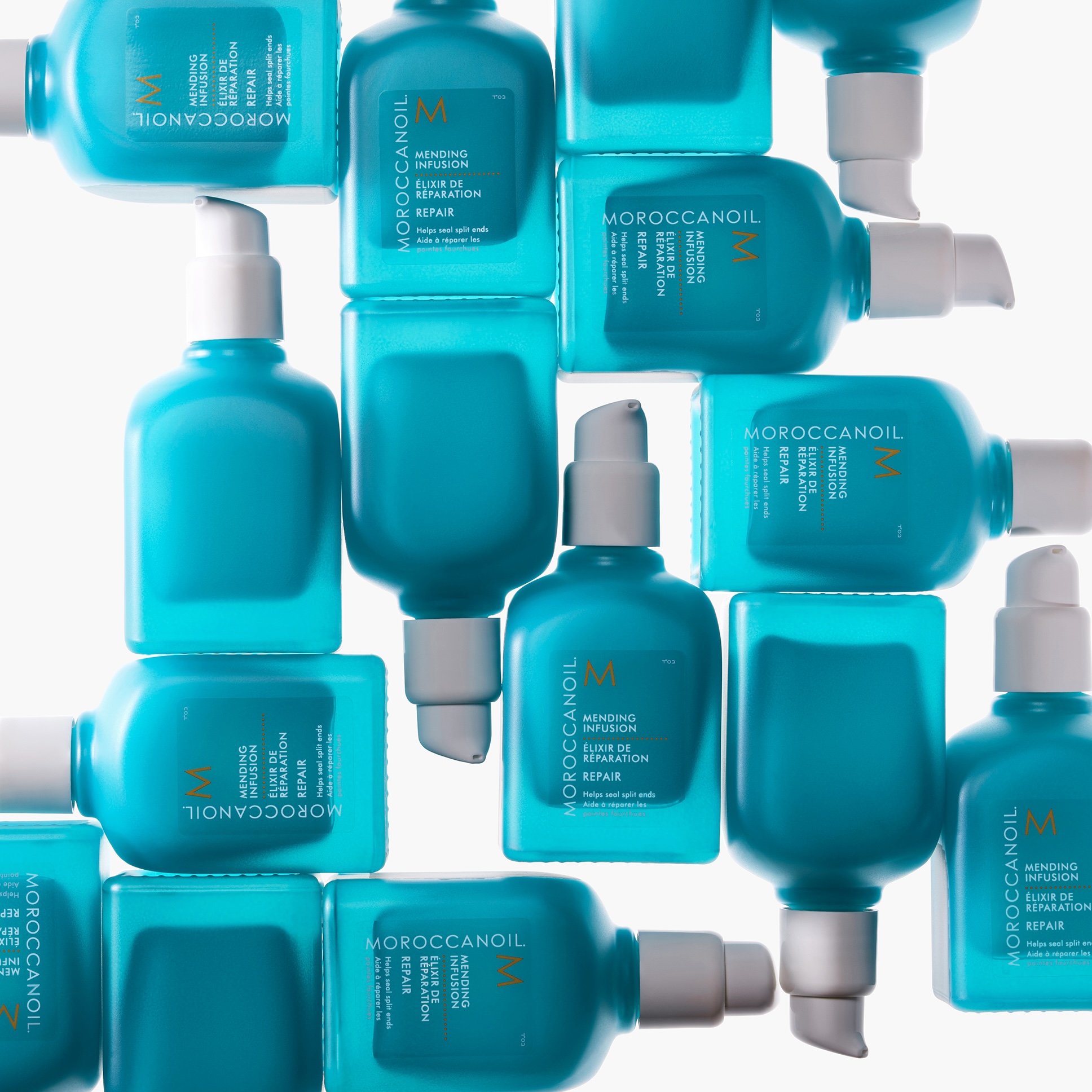
An authentic routine relies on a specific set of raw materials that work in tandem to soften, clarify, and moisturize the skin deeply. These ingredients are prized for their purity and their ability to address specific needs, from deep detoxification to long-lasting elasticity. Incorporating these staples into one's cabinet ensures that the process of Moroccan body care remains both effective and grounded in historical tradition.
Benefits of pure argan oil for skin elasticity
Pure argan oil, often called liquid gold, is rich in vitamin E and essential fatty acids that penetrate the skin barrier effectively. It acts as a powerful emollient, locking in moisture and encouraging a supple surface that resists damage. When used regularly, it contributes to the timeless path to radiance by promoting a youthful texture that remains vibrant even in harsh climates.
Detoxifying properties of traditional rhassoul clay
Rhassoul clay contains high mineral levels, including magnesium and potassium, which help absorb impurities and clear clogged pores. Unlike harsh chemical cleansers, this natural earth is gentle enough to use on both the face and body, providing a deep clean that leaves skin feeling soft rather than stripped. It is a cornerstone for those seeking to refine their skin tone while boosting mineral nourishment.
Exfoliation techniques using black soap
Black soap, known locally as savon beldi, is the primary vehicle for preparation during the scrubbing phase of any treatment. Its high olive oil content provides a soothing base that softens the outermost layer of the skin, making it receptive to physical removal of debris. Proper use involves letting the lather sit on the skin to fully loosen dead cells before beginning the exfoliation process.
Hydration and toning with floral waters
Floral waters like rose or orange blossom serve as light, aromatic toners that tighten pores and prepare the skin for moisturizing oils. These distillates add a layer of hydration that feels refreshing and cooling, especially after the heat of a soak. Their delicate scent profile also aids in the meditative quality of the ritual, helping the user unwind effortlessly.
Mastering the Moroccan hammam process at home
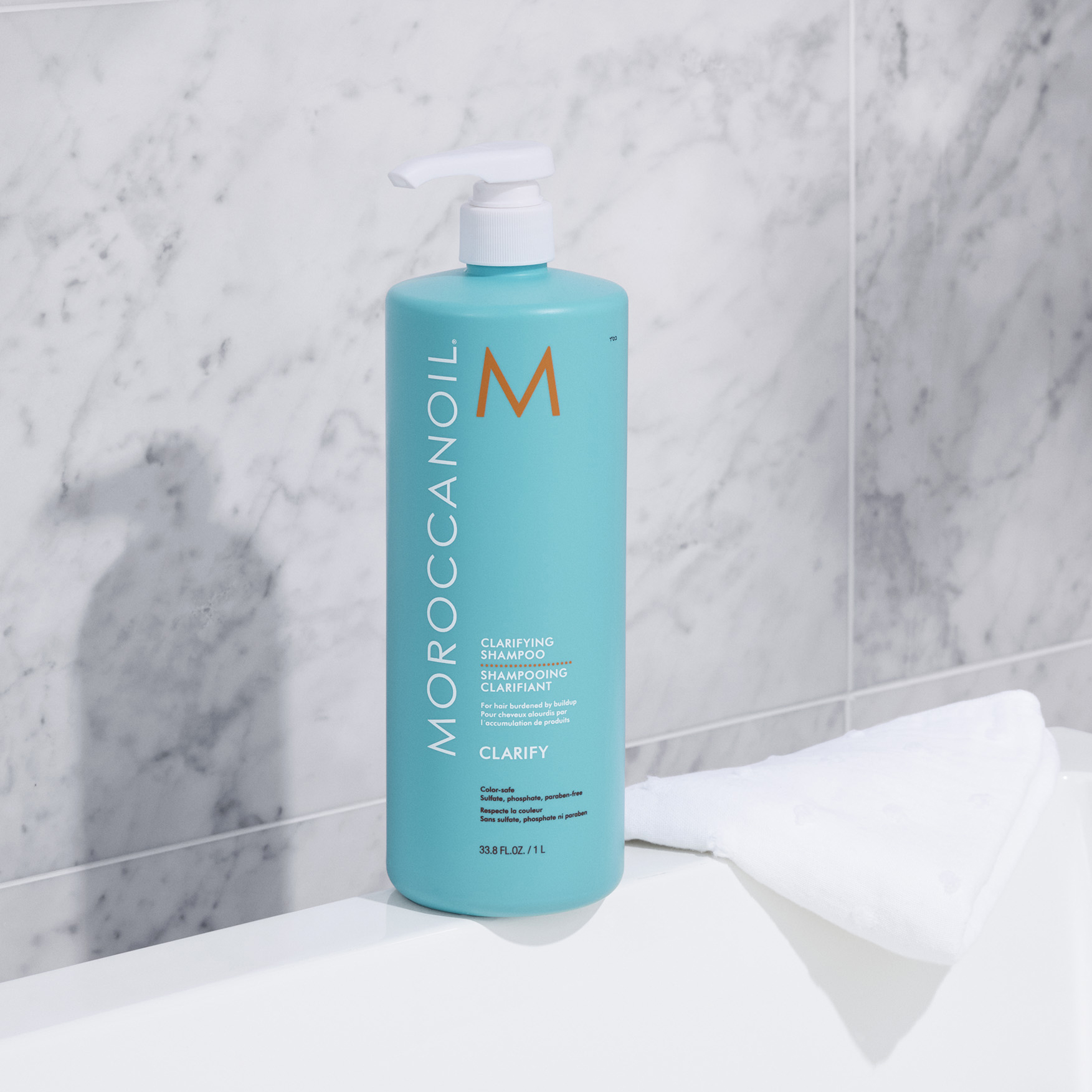
Recreating a full steam ritual requires attention to detail, particularly in how heat is utilized to open the pores before physical scrubbing occurs. By transforming a bathroom into a steam-filled space, you create the necessary environment for the skin to soften and yield to cleansing. This deliberate preparation is essential for anyone wanting to achieve professional results at home.
Creating a steam-rich bathroom environment
Achieving effective steam levels in a shower-only home is possible by ensuring the room is sealed as efficiently as possible for several minutes. Filling the space with dense humidity allows for the expansion of pores, creating the perfect canvas for the subsequent steps. This environmental buildup is key, as dry, cool air will drastically reduce the effectiveness of any soaps or scrubs applied.
Proper technique for using a kessa exfoliating glove
Using a kessa glove requires a combination of firm pressure and steady, deliberate strokes to lift away layer upon layer of debris. Avoid intense scratching; instead, move your hand in long, consistent motions across the skin to encourage the shedding of dead cells. Be aware that the effectiveness of the glove depends on proper skin preparation, which should follow these steps listed below:
- Ensure the skin is damp from at least ten minutes of heat exposure.
- Apply the black soap evenly as a base for easy gliding.
- Rinse thoroughly to remove the soap and reveal the texture.
- Use the glove to scrub in firm, long vertical strokes.
These steps facilitate the most efficient removal of debris, which is why users find the process far more satisfying than modern synthetic alternatives.
Application guidelines for authentic savon beldi
Applying soap properly involves massaging it into warm skin and allowing it to dwell for some time before the rinse.
| Stage | Duration | Purpose |
|---|---|---|
| Application | 5 Minutes | Softening epidermis |
| Dwelling | 10 Minutes | Loosening impurities |
| Rinsing | 2 Minutes | Removing soap residue |
By following this timeline, the skin becomes perfectly prepped for the manual scrub that follows. This methodical approach ensures that the soap acts as a softening agent rather than just a wash.
Post-scrub moisturizing layering techniques
Once the skin is exfoliated, it acts like a sponge, ready to drink in moisture without any barriers. Layering products should start with water-based hydration or floral waters, followed by more occlusive oils like Moroccanoil. This prevents transepidermal water loss and ensures that the skin remains soft for as long as possible.
Integrating Moroccan beauty secrets into your daily routine
Maintaining these rituals can be daunting when time is limited, but the process can be adapted to fit a faster lifestyle while still retaining efficacy. By identifying which aspects of the Moroccan tradition support your specific needs, you can build a scaled-down version that works during the work week. Small, regular acts of care often yield better long-term results than infrequent, intensive sessions.
Simplifying a comprehensive ritual for busy schedules
For most people, a quick steam session followed by a gentle scrub with a kessa glove once or twice a week is enough to maintain smooth skin. You do not need to perform every step daily to see the cumulative impact of these ancient ingredients. Focus on using high-quality oils after every shower to reinforce the skin barrier and keep elasticity high.
Sourcing authentic products from trusted retailers
Finding genuine raw materials is critical, as the industry often sees diluted or lower-quality items labeled as traditional. Always prioritize retailers that verify their supply chains, as this ensures that you are applying pure ingredients to your skin. Being discerning about the origins of your black soap and argan oil directly influences your potential skincare results.
Customizing treatments for sensitive or dry skin
Those with sensitive skin may find that the traditional scrubbing process is too aggressive when performed frequently. In such cases, it is safer to perform deep exfoliation less often while increasing the frequency of oil applications. You can even mix a small amount of oil into your soap or clay masks to help buffer the physical intensity.
Balancing traditional soaps with modern moisturizers
It is entirely possible to use traditional cleansing soaps alongside modern lotions or serums if you prefer that mix. The goal is simply to maintain the baseline health of your skin while using products you enjoy. As long as you are using hydrating elements consistently, the combination of old and new methods can lead to a healthy, balanced complexion.
Addressing common challenges with Moroccan body care
Learning to use natural methods often comes with a steep learning curve, especially regarding how products react with various skin types and environmental stressors. Patience is a critical component of this process, as natural ingredients often function differently than synthetic counterparts. Understanding common pitfalls helps newcomers avoid common mistakes and stay committed to their new maintenance plan.
Identifying authentic versus low-quality argan oil
Authentic oil should have a subtle, nutty scent that dissipates quickly upon application. It should be light and absorb without leaving a persistent, greasy residue on the skin surface. Be cautious of oils that feel overly heavy or have a chemical or rancid odor, as these may be poor quality or diluted with lesser-grade carriers.
Managing environmental impacts on traditional formulations
Because traditional products often lack preservatives, they can be sensitive to fluctuations in temperature or humidity. Store your supplies in a cool, dark place away from direct sunlight to maintain their efficacy for as long as possible. If a product appears to change texture, it is often a sign of high-quality ingredients responding to external factors, though significant changes can indicate spoilage.
Establishing consistency for gradual skin improvement
Skin generally takes about a month to show clear changes in response to a new routine, so stick with the basics for several weeks. Rushing by using too many different products at once can actually cause irritation and obscure which methods are truly working. Keep the routine simple and focus on daily habits that support the integrity of your moisture barrier.
Minimizing irritation while adopting deeper exfoliation
If you experience redness or tenderness, scale back the frequency of your deep scrubs immediately. Irritation is a sign that the upper layer of the skin is being stripped faster than it can naturally regenerate. Allow the skin ample recovery time, and keep it hydrated with soothing botanical oils until the barrier is fully restored.
Conclusion
Adopting these time-honored practices reveals a path to beauty that emphasizes simplicity and lasting wellness, allowing you to reclaim a peaceful, effective rhythm in your own home.
Frequently Asked Questions
How often should I perform a full hammam session?
Most beginners find that performing a deep hammam ritual once a week is sufficient for effective exfoliation without causing sensitivity.
Can I use Moroccan black soap on my face?
Yes, this soap is generally gentle enough for facial use, but you should patch test a small area first to ensure it does not cause any reaction.
What is the primary difference between a bath and a hammam?
While a bath is primarily for soaking, the traditional hammam is a structured, sequenced ritual of steam, deep exfoliation, and targeted nourishing treatments.
Do these traditional methods work for all skin types?
They are highly adaptable to most skin types, though you may need to adjust the frequency of exfoliation if you have particularly dry or sensitive skin.
Does argan oil replace the need for moisturizer?
For many people, pure argan oil is a sufficient hydrator, providing both fatty acids and occlusive benefits, but some prefer to layer it with other creams.
How long does a typical home hammam take?
Depending on your comfort level, a home hammam can take anywhere from thirty to sixty minutes once you get the hang of the sequencing.
Are there any dietary habits that support Moroccan body care?
Maintaining internal hydration and consuming a diet rich in healthy fats can complement the topical benefits of these natural skincare traditions.






Laissez un commentaire