

Moroccanoil Intense Hydrating Mask: How to use it for softer, healthier-looking hair
Key Takeaways
A richer hair mask can make dry, rough lengths feel softer when it is applied thoughtfully and rinsed well.
- Apply the mask to freshly washed, towel-dried hair.
- Concentrate product from the mid-lengths through the ends.
- Leave it on for the time stated on the product directions.
- Adjust the amount and frequency to your hair’s texture and density.
- Choose lighter care when rich formulas leave fine hair flat.
What the Moroccanoil Intense Hydrating Mask does
The Moroccanoil Intense Hydrating Mask is a deep conditioning treatment for medium to thick dry hair. Its documented purpose is to help restore moisture, elasticity, and shine, while improving the feel and manageability of dry strands. Used as part of a sensible routine, it can bring a more comfortable, cared-for finish to hair that feels rough or dull.
How deep hydration supports dry, rough hair
Dry hair often feels coarse because the lengths have lost moisture and the surface no longer feels smooth. A conditioning mask gives those lengths more concentrated care than a quick rinse-out product, helping hair feel softer and easier to handle. The formula is described as rich and creamy, with antioxidant-rich argan oil and nourishing ingredients.
That does not mean a mask changes the permanent structure of a strand. Think of it as supportive care: hair may feel more supple, look shinier, and behave better after washing. Softer hair starts with consistency, not with applying an increasingly large amount in one session.
Signs your hair may benefit from a richer mask
A richer treatment may suit hair that feels dry shortly after washing, catches on a comb, or looks lackluster through the lengths. Medium-to-thick hair can often tolerate more conditioning than very fine hair, especially when it has a coarse texture or regularly encounters heat. Split-looking ends and persistent tangling can also suggest that the routine needs more moisture and slip, although a mask cannot repair a physically split strand.
Before adding more product, consider whether the issue is actually scalp buildup, excess oil, or irritation. A weekly scalp scrub belongs in a scalp-focused routine rather than being used as a substitute for conditioning the lengths.
How it differs from a daily conditioner
A daily conditioner is usually designed to fit easily into every wash, giving the hair slip and making detangling simpler. A mask is more concentrated and is generally used less often, with a little more time allowed for the treatment to sit. For everyday softness, a normal Hydrating Conditioner may be the more practical choice; the mask can step in when the lengths need extra conditioning.
The two products do not need to compete. Many routines use regular conditioner on ordinary wash days and reserve a mask for a planned treatment day, adjusting according to how the hair feels afterward.
How to use the mask correctly
Good application matters as much as the product itself. Start with clean hair, remove excess water, and distribute the treatment evenly rather than placing a heavy mound in one area. The goal is conditioned lengths without a coated scalp or residue left behind.
Preparing freshly washed hair
Wash first, then gently squeeze or towel-dry the hair so it is damp rather than dripping. Excess water can dilute the treatment and make it slide away before it coats the strands. Keep the mask mainly on the lengths and ends unless the product directions specifically say otherwise.
A hydrating shampoo can make this step feel more cohesive. For example, Hydrating Shampoo is described as a sulfate-free, paraben-free cleanser for all hair types that supports manageability, smoothness, and shine.
Applying the right amount from mid-lengths to ends
Begin around the mid-lengths and work toward the ends, where dryness and friction are usually most noticeable. Use enough to coat the hair lightly and evenly, then comb through with your fingers or a wide-tooth comb. Thick or very long hair may need more product, while fine hair often needs much less.
Work in sections if the hair is dense. This makes it easier to find dry patches and prevents the instinct to keep adding product simply because the first application was uneven.
How long to leave it on before rinsing
The product directions describe leaving the treatment on for 5–7 minutes before rinsing thoroughly, with no heat required. Use a timer the first few times so the process becomes repeatable. Rinse until the hair feels conditioned but not slippery with a visible film.
After rinsing, avoid rough towel rubbing. Press out water gently and see how the hair feels before adding more products; the finish will tell you more than the amount used.
Choosing the right routine for your hair type
Hair texture, density, and condition all affect how a rich treatment behaves. A routine that leaves thick curls comfortable may leave fine straight hair limp, so application should be personalized rather than copied. Start conservatively, observe the result, and adjust one variable at a time.
Using it on thick, coarse, or curly hair
Thick and coarse hair often benefits from sectioning, because a surface application may not reach the inner layers. Curly hair can also need careful distribution to avoid creating dry patches or uneven clumps. Apply through the lengths, smooth the product over the hair, and rinse thoroughly while preserving the curl pattern.
For a leave-in step afterward, Intense Curl Cream is described as a product that moisturizes and defines natural curls and waves while fighting frizz without stickiness. Use a separate leave-in sparingly so the mask remains the main conditioning step rather than one layer among too many.
Adjusting application for fine or easily weighed-down hair
Fine hair may still be dry, but it usually needs a lighter hand. Apply a small amount from the mid-lengths downward, avoid the roots, and rinse especially well. If the hair looks flat or loses movement, reduce the quantity or use the treatment less often rather than assuming more moisture is needed.
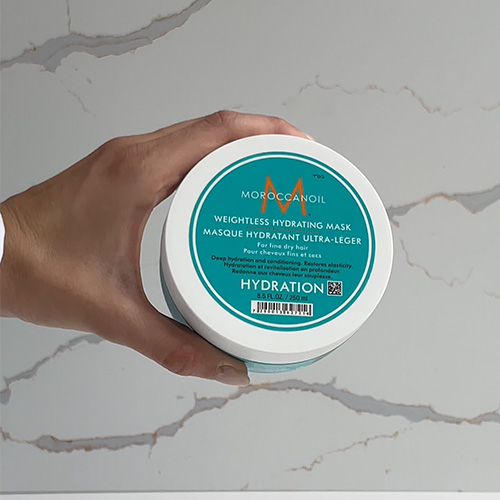
The Weightless Hydrating Mask is positioned for finer hair and a lighter feel, making it a useful point of comparison when a rich mask does not suit the finish you want. Texture alone is not the only factor; dense fine hair and sparse fine hair can respond differently.
Caring for color-treated, heat-styled, or damaged hair
Color-treated and heat-styled hair can feel dry through the lengths, so gentle washing and careful detangling are worthwhile companions to masking. Keep water comfortably warm rather than very hot, and avoid pulling while the hair is saturated. If preserving color is a priority, consider a color-care cleanser such as Color Continue Shampoo, described as a sulfate-free formula using ColorLink technology to support hair integrity and long-lasting color.
A treatment can improve the feel and appearance of damaged hair, but it cannot replace professional advice for severe breakage or scalp concerns. If damage continues, look at styling habits, chemical services, and mechanical friction as well as the conditioning product.
How often to use the Moroccanoil Intense Hydrating Mask
The product directions recommend using the treatment 1–2 times weekly. That is a useful starting point, not a command to mask on a fixed schedule forever. Hair that is very dry may appreciate the upper end of that range, while hair that is fine, oily at the roots, or easily coated may need less.
Finding the right frequency for dry hair
Begin with once weekly and assess the result after a couple of washes. If the ends still feel rough and the hair remains responsive rather than heavy, a second weekly use may be reasonable within the stated directions. Give the routine enough time to reveal a pattern instead of changing it after one styling day.
A simple frequency guide can make the adjustment less random:
- Very dry, medium-to-thick lengths: begin with one or two weekly uses.
- Moderately dry hair: start once weekly and reassess.
- Fine hair that loses volume: use less product or choose a lighter mask.
- Hair that feels coated: pause, cleanse normally, and reduce future use.
The list is only a starting framework. Humidity, washing frequency, chemical processing, and styling habits can all change what your hair needs.
Avoiding overuse and unwanted buildup
More frequent masking is not automatically better. Hair that feels waxy, limp, or difficult to rinse may be carrying too much conditioning product, especially when several oils, creams, and styling products are layered together. Reduce the amount first, then reduce frequency if the finish still feels heavy.
Buildup can also come from styling products rather than the mask itself. Focus cleansing on the scalp and rinse the lengths thoroughly; avoid aggressive scrubbing, which can make already-dry hair feel rougher.
Balancing the mask with regular conditioning
A mask can replace conditioner on treatment days if the hair already feels sufficiently conditioned. On other washes, a daily conditioner keeps the routine simple and helps with slip. The Moisture Repair Shampoo is described as a color-safe cleanser for dry strands that supports hydration, elasticity, and reduced frizz, but shampoo and mask still serve different parts of the routine.
Watch the hair’s behavior between washes. If it feels soft but lacks movement, scale back the richest step; if it tangles and feels dry, revisit application and rinsing before adding another product.
Intense Hydrating Mask versus Weightless Hydrating Mask
Both treatments are presented as hydration masks, but their intended hair types and finish differ. The Intense version is described for medium to thick dry hair and has a rich, creamy texture. The Weightless version is described for fine dry hair and is intended to feel lighter on the hair.
Comparing rich moisture with a lighter finish
Rich moisture can be comforting for coarse, dense, or very dry lengths, particularly when the hair feels stiff or rough. A lighter finish may be preferable when the hair needs softness but must retain lift and movement. Neither finish is universally better; the useful question is whether the hair looks and feels balanced after rinsing.
Choosing based on hair texture and density
Use density as well as strand thickness when deciding. Thick hair may need more coverage even when individual strands are fine, while sparse coarse hair may become heavy quickly. Compare the way the hair dries, detangles, and holds its shape rather than judging only the texture inside the jar.
| Hair characteristic | More suitable starting point | What to watch after rinsing |
|---|---|---|
| Medium to thick, dry lengths | Richer hydration mask | Softness without residue |
| Fine, dry lengths | Lighter hydration mask | Movement and volume |
| Dense curls or waves | Sectioned, even application | Definition and manageable slip |
| Hair that becomes limp easily | Smaller amount or less frequent use | Body and clean-feeling roots |
This comparison is about routine fit, not a permanent label. Hair can respond differently as the weather, length, and styling habits change.
When to switch or alternate between the two
Switch when the finish consistently misses the mark: persistent heaviness suggests trying less product or a lighter formula, while continued roughness may call for richer conditioning. Some people may alternate seasonally or use a richer treatment on the ends while keeping the rest of the routine light.
Make one change at a time and give it several washes. That makes it easier to understand whether the formula, amount, frequency, or another styling product is affecting the result.
Getting better results from your hair-care routine
A mask works within a routine, not in isolation. Washing, drying, combing, leave-in products, and heat exposure can either preserve the softer feel or quickly undo it. Small handling changes are often more useful than adding a long chain of products.
Detangling gently after rinsing
After rinsing, use your fingers or a wide-tooth comb and begin at the ends. Work upward gradually, supporting the hair rather than pulling from the roots through a knot. Pat or squeeze with a soft towel, then allow the hair to dry in the way that best suits its texture.
If tangles are frequent, check whether the mask is being distributed evenly and whether the ends need trimming. A product can improve slip, but careful technique reduces unnecessary breakage too.
Combining the mask with leave-in and styling products
Keep the post-wash layer light at first. Once the mask has been rinsed, a small amount of Hydrating Styling Cream can suit a routine that needs leave-in conditioning, flyaway control, shine, and a soft hold. Apply styling products mainly where they are needed, and avoid treating every sign of frizz as a reason to add another layer.
For a polished finish, the Shine & Seal Duo combines the Moroccanoil Treatment with Mending Infusion, according to its product description. Use any finishing product sparingly on dry ends so the hair remains touchable rather than oily.
Protecting hydrated hair from heat and environmental dryness
Heat styling and dry air can make conditioned lengths feel parched again. Use the lowest effective heat, keep tools moving, and let hair dry fully before judging the final texture. In dry weather, reducing friction from rough fabrics and brushing less often can also help retain a smoother feel.
A Smoothing Lotion is described as a lightweight blow-dry lotion that helps tame frizz and resist humidity. It may fit a heat-styling routine, but follow the product directions and do not assume a styling aid replaces sensible heat control.
What to check before purchasing
A purchase is easier to evaluate when the product, seller, and order terms are clear. Check the size listed, compare the packaging with the current product page, and read the directions before choosing a treatment. This is especially useful when several sizes or related masks appear together.
Verifying the product size and packaging
Look for the exact product name, stated size, and intended hair type. The Intense Hydrating Mask is listed in full, half-liter, and travel sizes in the product information available for comparison. Packaging can change, so rely on the current listing details rather than an old photograph alone.
Buying genuine, fresh beauty products
Counterfeit or expired cosmetics can be difficult to assess from a screen. An authorized retailer states that it sources directly from brands, offers genuine products, and maintains fresh inventory through regular shipments. That assurance is more meaningful than an unusually low price from an unfamiliar seller.
If you are comparing related treatments, Color Depositing Masks are a separate category intended to refresh color and add conditioning, so confirm that the item in your cart is the mask you actually want.
Reviewing shipping, samples, and order policies
Read the delivery and order information before checkout, including processing times, shipping thresholds, and what happens if an address needs correction. The retailer information says orders are generally processed within 1–2 business days, offers free samples with orders, and provides free shipping above stated thresholds across Canada and the U.S. Orders over $75 may also qualify for a free gift while supplies last.
For another routine option, Scalp Balancing Shampoo and Scalp Balancing Conditioner address scalp-focused concerns, while Purple Oil Treatment is positioned for neutralizing brassy and orange tones. These are useful comparisons only when your concern is scalp balance or color tone rather than deep conditioning for dry lengths. If you are ready to browse, shop haircare now and check the current stock and policies before ordering.
Conclusion
The best results from the Moroccanoil Intense Hydrating Mask come from matching its rich conditioning approach to your hair, applying it to damp lengths, leaving it on for 5–7 minutes, and rinsing thoroughly. Start once weekly, adjust by feel, and keep the rest of the routine uncomplicated so softer, healthier-looking hair does not come with unwanted weight.
Frequently Asked Questions
Can a hair mask replace conditioner?
It can replace conditioner on some treatment days, but regular conditioner is often more practical for frequent washing. Choose based on how soft, manageable, and light the hair feels afterward.
Should a mask be applied to wet or damp hair?
Apply most rinse-out masks to clean, towel-dried hair unless the product directions say otherwise. Removing excess water helps the formula coat the lengths instead of sliding away.
Can fine hair use a deep conditioning mask?
Yes, but use a smaller amount, keep it away from the roots, and rinse well. A lighter formula or less frequent treatment may preserve volume more effectively.
How can you tell if hair has too much conditioner?
Hair may feel coated, limp, greasy, or difficult to style even after rinsing. Reduce the amount and frequency, and simplify other leave-in or oil-based products temporarily.
Is heat required when using a hair mask?
Not always. Follow the specific product directions; many treatments work with a short leave-on period and thorough rinsing without added heat.
How should curly hair be detangled after a mask?
Use fingers or a wide-tooth comb while the hair is conditioned, start at the ends, and move upward slowly. Avoid rough towel drying afterward to limit friction.
What should you do if dry hair stays rough?
Review the whole routine, including shampoo, water temperature, drying, brushing, and heat styling. Persistent breakage, scalp discomfort, or severe dryness may warrant advice from a qualified professional.






Laissez un commentaire