

Moroccanoil brosse: how to choose the right brush for your hair
Key Takeaways
Choosing the right brush is less about the label and more about your hair, routine, and finish. Start with the job you want the brush to do, then compare its shape, bristles, and handling.
- Match the brush shape to your main styling task.
- Use gentle tension, especially on wet, fine, curly, or extension-wearing hair.
- Choose a larger brush for coverage and a smaller one for precision.
- Pair heat tools with manageable sections and controlled airflow.
- Clean the brush regularly and replace it when the bristles or body deteriorate.
Understand the Moroccanoil brosse range
A brush can detangle, smooth, lift, shape, or help distribute heat, but no single design is ideal for every task. The useful distinction is between the brush’s shape, its bristle pattern, and whether it is intended for use with a dryer. Thinking in those terms makes the range easier to compare.
Paddle brushes for smoothing and detangling
A paddle brush has a broad, flat surface that covers more hair with each stroke. It is generally useful for working through longer lengths, smoothing the surface, and preparing hair before a more deliberate blowout. Begin at the ends and move upward rather than dragging a knot from the roots down.
The Moroccanoil Ceramic Paddle Brush is described as having ceramic and ionic properties for even heat distribution, along with an ergonomic design and a sectioning tip. Those details make it a practical option when smoothing and organizing sections are part of the same routine.
Round brushes for volume and styling
Round brushes are chosen by diameter as much as by brand. A larger barrel tends to create broader bends and a softer finish, while a smaller barrel gives more control around shorter layers, bangs, or the hairline. They also require a little coordination: the dryer, brush, section, and direction of tension all work together.
For a natural-looking result, lift the section at the root, keep the brush moving, and roll only as much as needed. More passes do not necessarily mean more polish; they can simply add heat and friction.
Blow-dryer brushes for drying and shaping
A blow-dryer brush combines brushing with airflow, so it can appeal to anyone who wants fewer separate tools on the counter. It is still best used on damp hair rather than soaking-wet hair, since excessive moisture makes the process longer and encourages repeated passes.
Treat the tool as a styling aid, not a reason to pull harder. Work with modest sections and allow the airflow to follow the direction in which you want the hair to lie.
Ceramic and pneumatic designs explained
Ceramic surfaces are relevant when a brush is used alongside heat because the material is intended to distribute warmth more evenly. A pneumatic brush, by contrast, usually refers to a cushioned base that flexes slightly as it meets the scalp. These features solve different problems, so one should not be treated as a substitute for the other.
The better choice depends on your routine. If you mostly detangle and smooth, comfort and flexibility may matter most; if you regularly blow-dry, heat behavior and barrel or paddle shape deserve closer attention.
Match the brush to your hair type
Hair type is only one part of the decision, but it is a helpful starting point. Density, length, porosity, and whether the hair is wet or dry can change how a brush feels in practice. The goal is to remove tangles or create shape without making the hair or scalp work unnecessarily hard.
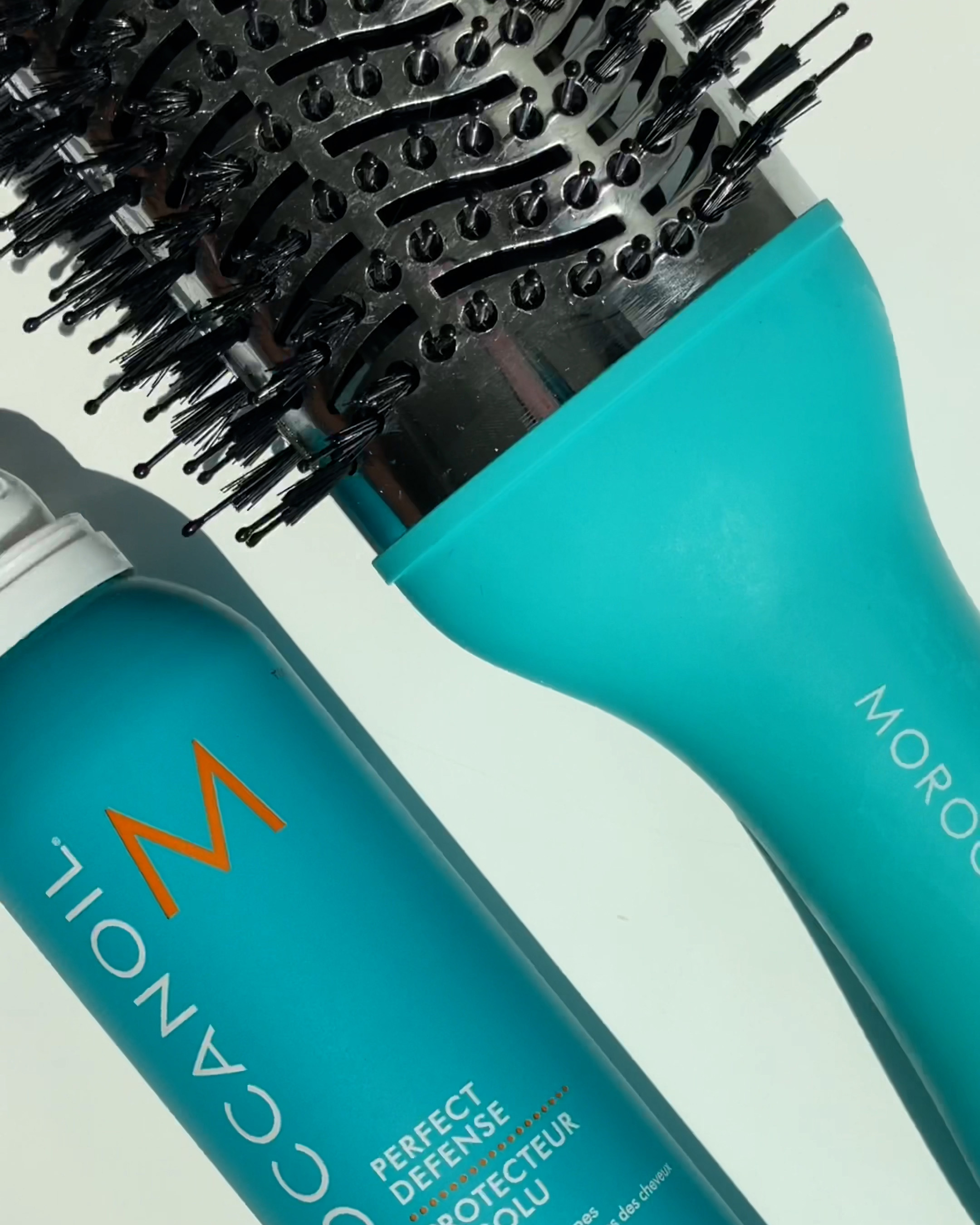
Fine hair that needs lift without tugging
Fine hair can look flat when a brush is too heavy or when the bristles grip aggressively. Choose a design that moves easily through small sections, and use light pressure near the roots. For added body, a styling product can be more useful than repeatedly brushing the same area.
A weightless volumizing product such as Moroccanoil Volumizing Mousse is described as creating body for medium to fine hair without stickiness. Used sparingly, that kind of preparation can reduce the temptation to compensate with force or excessive heat.
Thick or coarse hair that needs control
Thick hair often benefits from a broad brush that can handle a substantial section without losing contact. Even so, taking very large sections can leave the inner layers damp or unfinished. Divide the hair into manageable pieces and let the brush smooth one layer at a time.
If the hair is dry or frizzy, preparation matters. Moroccanoil Smoothing Conditioner is described as using argan oil to smooth unruly hair, while a Moroccanoil Smoothing Lotion is described as an all-in-one blow-dry lotion that helps tame frizz and resist humidity.
Curly and textured hair that needs gentle handling
Curly and textured hair usually needs a different relationship with brushing. Detangling is often easiest when the hair has slip from conditioner or a leave-in product, and working from the ends upward helps limit unnecessary pulling. When preserving a curl pattern matters, brush only when the style and moisture level call for it.
A leave-in step can make the process more comfortable. Moroccanoil All In One Leave-in Conditioner is described as moisturizing, protecting against thermal damage, and working for pre-styling or refreshing second-day hair. Apply enough for glide, not so much that the hair becomes difficult to shape.
Long, short, and extension-wearing hair
Long hair usually rewards a brush with enough surface area to cover the lengths, while short hair may need a smaller shape for direction and detail. Extensions require particular care around attachment points, where direct pulling can be uncomfortable or damaging. Keep the brush moving through the free lengths and use a gentle hand near the roots.
For any length, test the brush on a small section first. That quick check reveals whether the handle, bristles, and size suit your reach before you commit to a full styling session.
Choose a brush for your styling goals
The same hair can need several brushes over the course of a week. A paddle brush may be convenient for everyday smoothing, while a round brush is more useful for a shaped blowout. Start with the finish you actually wear most often rather than buying for an occasional technique.
Creating sleek, polished finishes
For a sleek finish, use a brush that keeps the hair aligned and lets you maintain steady, moderate tension. Direct the dryer down the hair shaft and finish each section before moving on. A small amount of a smoothing or finishing product can help, but brushing alone cannot replace appropriate preparation.
If the hair needs more moisture before styling, Moroccanoil Hydrating Conditioner is described as leaving hair smoother, more manageable, and easier to style. That foundation can make a polished finish feel less like a battle.
Adding volume and movement
Volume comes from direction, not just from teasing or heat. Lift sections away from the scalp, change the angle slightly as you dry, and allow the hair to cool before releasing a newly shaped section. A round brush diameter should reflect the movement you want: broader curves call for more room, while tighter bends need more precision.
Texture can also support movement between washes. Moroccanoil Dry Texture Spray is described as providing hold and textured volume, and as suitable for prep or finishing. Use a light amount so the brush can still pass through the hair.
Detangling wet or dry hair
Wet hair is more vulnerable to stretching, so start with the ends and keep the strokes short. If a knot resists, pause and loosen it rather than forcing the brush through. Dry detangling can be quicker, but the same principle applies: separate the hair and work upward gradually.
These four habits make detangling calmer and more predictable:
- Support the section near the roots.
- Start at the ends and move upward.
- Use conditioner or leave-in product when extra slip is needed.
- Stop and separate stubborn knots by hand.
After the list, the practical takeaway is simple: the brush should glide because the section is manageable, not because you are applying more pressure. If the scalp feels sore or the hair snaps, reduce the section size and reassess the tool.
Speeding up blowouts at home
A home blowout is usually faster when the hair is towel-dried first and divided before the dryer starts. Choose a brush that fits the section instead of trying to control all the hair at once. Keep the nozzle or airflow directed along the section, and finish with a cooler setting if that is available on your dryer.
For hair that needs cleansing between washes, Moroccanoil Dry Shampoo for Dark Tones is described as absorbing oil and removing buildup and odor without a dull residue. For lighter-toned hair, Moroccanoil Dry Shampoo for Light Tones is described as using rice starch to remove buildup and odor while helping combat brassiness. These products address refreshment, while the brush handles shaping.
Use a Moroccanoil brosse correctly
Technique often matters more than the price of the brush. A suitable tool can still tug if the hair is too wet, the sections are too large, or the dryer is held too close. Build a repeatable routine with a calm pace and stop when the hair is dry and shaped rather than continuing for the sake of perfection.
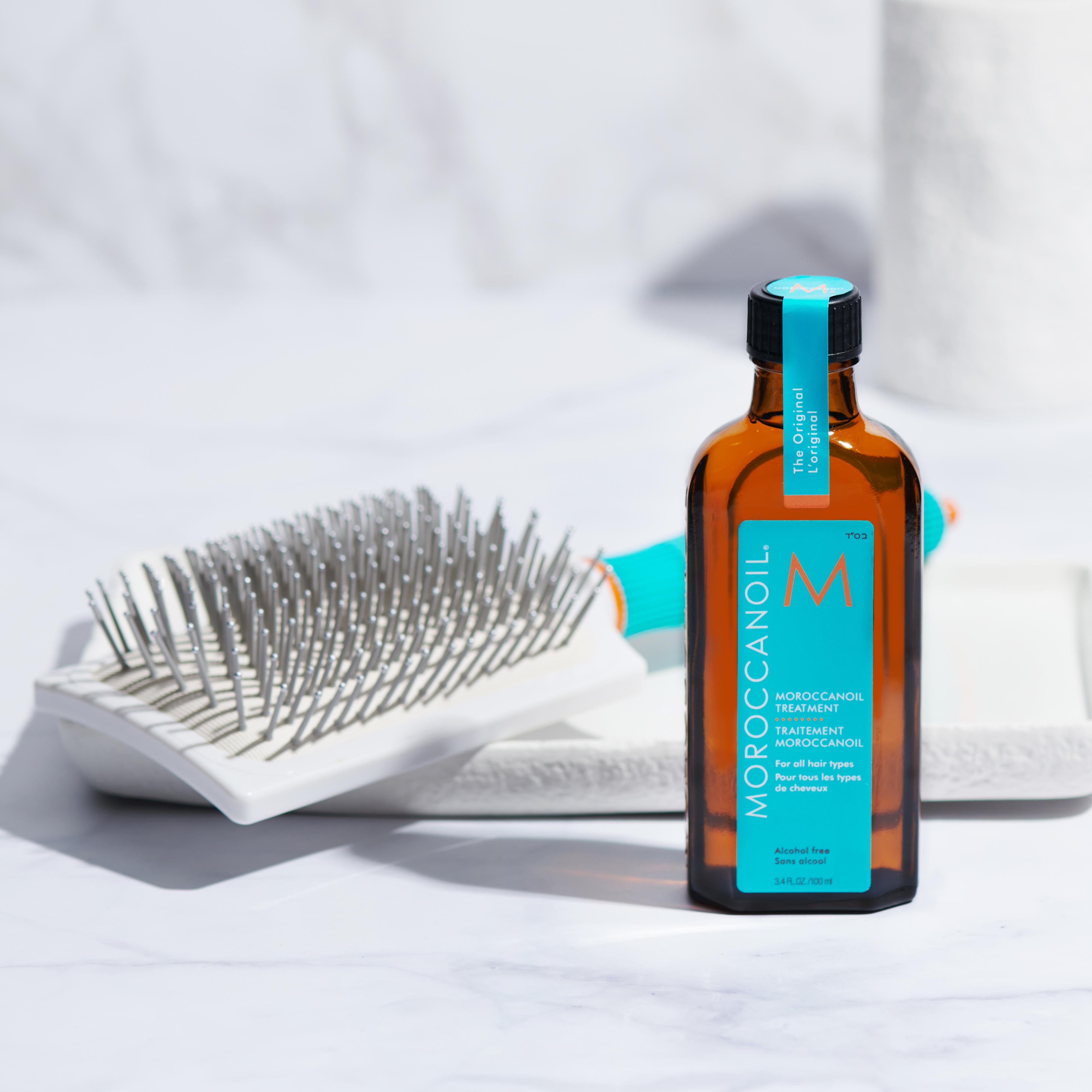
Prepare hair before brushing
Begin by removing excess water with a towel or soft cloth, then apply any conditioning or styling product suited to the intended finish. Detangle gently before introducing a dryer or attempting a polished shape. Preparation gives the brush a cleaner path and helps prevent repeated passes over the same strand.
If the hair feels dry or damaged, Moroccanoil Moisture Repair Shampoo is described as gently cleansing while hydrating and nourishing dry strands. A clean, conditioned starting point is easier to style than hair carrying heavy buildup.
Work in sections for better control
Sectioning is not just a salon habit; it reduces the amount of hair the brush must control at once. Start underneath, clip away the upper layers, and release only as much hair as you can dry or shape evenly. The section should be narrow enough that the brush reaches through it without repeated tugging.
A sectioning tip can be especially useful when creating clean divisions. Keep the partings simple, and change them only when the previous area is sufficiently dry or settled.
Pair the brush with a blow-dryer
Hold the dryer so airflow follows the brush rather than fighting it. Keep both tools moving, especially around the ends, and use a lower setting when the hair is already mostly dry. The goal is controlled shaping, not maximum heat.
Watch the feel of the hair as you work. If it becomes hot, rough, or overly dry, pause and let the section cool before deciding whether another pass is necessary.
Avoid excess heat and unnecessary tension
Heat protection, reasonable distance, and steady movement are basic safeguards. Do not hold the dryer in one place to force a bend, and do not stretch a section farther than it naturally wants to go. Gentle tension is usually enough to guide the hair into shape.
The result should feel comfortable while you style and flexible afterward. If you are repeatedly chasing one strand, leave it until the rest of the hair cools; small imperfections are preferable to overworking the whole section.
Compare key features before buying
Once you know the job and your hair type, compare the details that affect everyday handling. Product photographs can show shape, but they rarely tell you how large the brush feels in your hand or how much hair it can cover. A short checklist makes the buying decision less impulsive.
Brush shape, size, and hair coverage
A wide paddle covers more surface area, while a smaller brush gives greater control around short layers and edges. Barrel size affects the curve and volume a round brush can create. Consider the length and density of your hair, but also where you style it: a large brush may be efficient yet awkward in a small mirror or bathroom.
The best size is the one that lets you finish a section without losing control. Bigger is not automatically faster if the hair slips around the brush.
Bristle types and scalp comfort
Bristles should hold the hair firmly enough to guide it without scratching or pulling. A cushioned base may feel more forgiving for everyday brushing, while a firmer arrangement can provide more control during styling. If your scalp is sensitive, prioritize a design that feels comfortable from the first few strokes.
Pay attention to snagging. A brush that catches repeatedly is likely to make you compensate with more force, even if its shape looks ideal on paper.
Ceramic materials and heat distribution
Ceramic features matter most when the brush is part of a heated styling routine. The Moroccanoil Ceramic Paddle Brush is described as offering ceramic and ionic properties for even heat distribution and reduced drying time, with an ergonomic design and sectioning tip. Those documented features are relevant to shoppers who want a paddle format for heat-assisted smoothing.
For a brush used mostly on dry hair, ceramic construction may be less decisive than bristle comfort and cleaning access. Match the feature to how often you actually use heat.
Handle design, grip, and maneuverability
A comfortable handle makes a noticeable difference when styling takes several minutes. Look for a grip that stays secure without requiring a tight squeeze, and consider whether the brush is easy to rotate or change direction. Weight matters too, especially for long or dense hair.
Before buying, imagine the full movement: lifting a section, turning the brush, following it with a dryer, and setting it down. Small ergonomic inconveniences become obvious when repeated across an entire head.
Care for your Moroccanoil brosse
Brush care affects both comfort and performance. Shed hair, oils, dry shampoo, and styling residue can collect at the base of the bristles, making the brush drag rather than glide. A few minutes of maintenance each week is usually easier than trying to restore a neglected tool later.
Remove shed hair and product buildup
Pull loose hair from the brush regularly, working from the edges toward the center. A tail comb or the pointed end of a clean comb can help lift strands caught beneath the bristles. Do not wait until the base is tightly packed, since buildup can make cleaning more difficult.
Inspect the brush in good light. If residue is visible around the cushion or between bristles, it is time for a deeper clean rather than another quick pass.
Clean the brush without damaging it
Use a small amount of mild cleanser diluted in water, and avoid soaking a brush if its construction includes a cushion, glued components, or openings that may retain moisture. Clean around the bristles with a soft cloth or small brush, then remove residue with a lightly damp cloth.
Let the brush dry completely with the bristles facing downward or sideways, depending on its construction. Heat from a hair dryer can warp materials or loosen components, so air-drying is the safer default.
Store it safely between uses
Keep the brush somewhere dry and clean, away from direct bathroom splash and excessive heat. Store it with the bristles protected from crushing, especially if other tools share the same drawer. A simple pouch or separate compartment can reduce contact with dust and product residue.
Good storage also makes the brush easier to reach, which encourages regular cleaning and less rushed styling. Convenience is part of a routine that lasts.
Know when it is time to replace the brush
Replace a brush when bristles are bent, missing, sharp, or repeatedly snagging the hair. Cracks, loose cushions, and a handle that no longer feels stable are also practical warning signs. A tool does not need to look completely worn out before it becomes uncomfortable or less effective.
If cleaning no longer removes buildup or the brush has changed how it feels against the scalp, compare the cost of continued frustration with the cost of a replacement. Your hair and hands should not have to adapt to a damaged tool.
Shop the right routine
Once you have identified the brush shape and technique that suit you, build the rest of the routine around that choice. Browse Moroccanoil haircare for complementary products, and select only the preparation or finishing steps that address your actual hair needs.
Conclusion
The right brush is the one that fits your hair, your preferred finish, and the way you actually style at home. Compare shape, bristles, heat behavior, and comfort, then use manageable sections and gentle tension. With regular cleaning and sensible heat habits, a well-chosen brush can make everyday styling simpler without turning it into a struggle.
Frequently Asked Questions
Is a paddle brush or round brush better for everyday use?
A paddle brush is often convenient for broad smoothing and detangling, while a round brush is better for creating volume, bends, or directed movement. Choose based on the finish you wear most often.
Should I brush my hair when it is wet?
Wet hair can stretch more easily, so detangle gently with suitable slip and start at the ends. Avoid forcing a brush through tight knots or pulling from the roots.
What brush size is best for long hair?
A larger brush can cover more length efficiently, but it should still feel easy to control. If the brush is too large for your grip or sections, a medium size may work better.
How can I reduce pulling while detangling?
Use smaller sections, support the hair near the roots, and work from the ends upward. Conditioner or leave-in product can add the slip needed for smoother strokes.
Can one brush create both volume and smoothness?
Some brushes can do both, but the result depends on shape, size, section direction, and technique. A round brush is generally more suited to shaped volume, while a paddle brush favors broad smoothing.
How often should a hairbrush be cleaned?
Remove shed hair regularly and clean more thoroughly whenever product or oil buildup becomes visible. The exact schedule depends on how often you style and how much product you use.
When should a hairbrush be replaced?
Replace it when bristles become bent, sharp, loose, or missing, or when the body cracks and begins to snag hair. Persistent discomfort is a good reason to stop using it even if it still looks usable.





Leave a comment