

Kérastase scalp serum: how to choose, apply, and maximize results
Key Takeaways
A scalp serum works best when it matches the scalp concern, fits your routine, and is applied consistently rather than excessively.
- Identify whether your main concern is dryness, oiliness, sensitivity, buildup, breakage, or thinning.
- Apply serum directly to the scalp in clean sections instead of coating the hair lengths.
- Introduce exfoliating products and styling products gradually to avoid unnecessary irritation.
- Track comfort, oiliness, shedding, and hair feel before changing the routine.
- Buy from an authorized retailer and check packaging, freshness, shipping, and return details.
Understand what a Kérastase scalp serum can do
A scalp serum is a focused leave-in step, not a replacement for cleansing or medical care. The right formula may help the scalp feel more comfortable, hydrated, balanced, or refreshed, depending on its intended use. Start with the concern you can actually observe, then choose a product and routine that you can maintain.
Scalp hydration versus hair-fall concerns
Dryness often feels tight, rough, or uncomfortable, while oiliness and buildup can make the roots feel heavy or coated. Hair fall and breakage are different concerns: shedding happens at the root, whereas breakage occurs along the hair fiber. A serum may support the feel and condition of the scalp or help address a documented hair-care concern, but sudden or persistent hair loss deserves advice from a qualified medical professional.
For a dry scalp, a moisturizing option such as Nutri-Supplement Scalp Serum is positioned as a non-greasy, fast-absorbing formula enriched with niacinamide. If thinning or breakage is the central concern, read the product directions carefully rather than assuming every scalp serum has the same purpose.
How scalp serums support a healthier-feeling scalp
The practical benefit of a serum is often a more comfortable, cared-for scalp and a routine that feels easier to repeat. Some formulas are designed to moisturize; others are designed to purify, soothe, or support weakened hair. Apply the product where it is intended to work, and judge it by the changes relevant to that goal rather than by shine alone.
A helpful distinction is comfort before perfection. Less tightness, reduced visible flaking, or roots that feel fresher can be meaningful progress even when the hair does not look dramatically different overnight.
What results are realistic over time
Scalp comfort may change sooner than density or length because the latter depend on the hair-growth cycle. Give a new routine enough time to show whether it is tolerable and useful, while keeping other product changes limited. Photos taken in similar lighting and brief notes about washing, styling, and scalp feel are more reliable than memory.
A serum should not be treated as a promise of regrowth or a guaranteed reduction in shedding. Results vary with the cause of the concern, consistency, the formula, and the condition of the hair and scalp.
When a serum is not the right solution
Pain, swelling, persistent sores, marked redness, sudden patchy loss, or intense itching calls for professional guidance rather than more cosmetic products. Stop using a product that causes a concerning reaction, and seek medical advice when symptoms continue. A serum also may not solve a problem caused mainly by infrequent cleansing, heavy styling residue, an unsuitable shampoo, or a broader health issue.
For recurring dandruff or irritation, a targeted option such as Cure Antipelliculaire is described as an intensive four-week scalp treatment. That is a different use case from everyday hydration, so do not combine treatments automatically.
Choose the right serum for your scalp needs
Choosing a scalp serum becomes simpler when you describe the problem before browsing formulas. Consider how the scalp feels between washes, what the roots look like, and whether your hair is fine, thick, curly, colored, or frequently styled. Product names can sound similar, but their intended concerns and directions may differ.
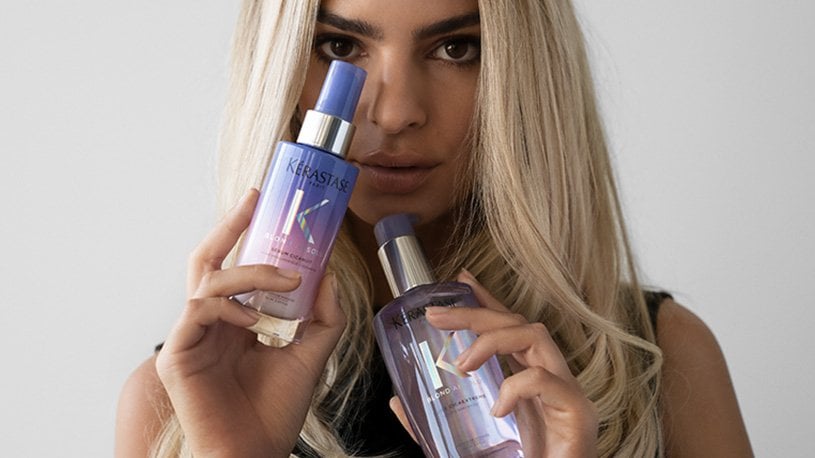
Identifying dryness, oiliness, sensitivity, and buildup
Dryness may show up as tightness or rough-looking flakes, while oiliness often appears as greasy roots soon after washing. Buildup can feel waxy or make the hair difficult to refresh, particularly when dry shampoo, oils, gels, or leave-ins are used often. Sensitivity is less about appearance and more about discomfort, stinging, redness, or a scalp that reacts easily.
Write down the dominant concern rather than trying to solve every possible issue at once. A dry scalp may need moisture, while an oily or product-heavy scalp may respond better to a cleansing or exfoliating step used with restraint.
Matching ingredients to your primary concern
Read the product description and directions for the ingredients and purpose actually documented for that formula. For example, the Scalp Purifying Micro-Peeling Scrub is described with salicylic acid, vitamin B6, and cooling menthol for removing impurities and dead skin cells. It is intended for a purifying step, not as a substitute for a moisturizing serum.
Use this simple comparison when narrowing the shelf:
| Primary concern | Look for a documented purpose | Routine question |
|---|---|---|
| Dry, tight feeling | Hydration or nourishment | Does the scalp feel comfortable after use? |
| Oiliness or buildup | Purifying or exfoliating care | Can it fit without over-cleansing? |
| Sensitivity | Soothing or comfort-focused care | Does it sting or leave redness? |
| Thinning or breakage | A treatment specifically labeled for that concern | Are expectations realistic and instructions clear? |
The table is a starting point, not a diagnosis. Match the formula to the main issue, introduce it gradually, and avoid stacking several strong treatments on the same day.
Considering your hair type and styling routine
A serum that feels comfortable on thick, dry hair may feel too rich on fine hair or an oily scalp. Think about your wash frequency, protective styles, heat tools, color services, and how much product already sits near the roots. If your routine is busy, a lightweight leave-in that spreads quickly may be easier to use consistently than an intensive treatment requiring several steps.
Keep scalp products separate from products meant for the lengths unless the instructions say otherwise. For damaged lengths, Résistance Sérum Thérapiste is described as a serum for breakage, brittleness, and damage from heat styling and chemical treatments; that is a fiber-care purpose rather than a reason to apply every serum to the scalp.
Comparing daily and intensive treatment formats
Daily formats are useful when the directions call for regular application and the texture fits your lifestyle. Intensive courses are usually more structured, with a set duration or frequency, so they should not be stretched indefinitely without checking the label. A set such as the Nutritive Super Serum Trio combines separate products for the scalp, ends, and overnight care, which illustrates why “serum” alone does not tell you where a formula belongs.
Choose one primary treatment to test first. Adding several at once makes it difficult to tell which product helped, which caused oiliness, or whether the improvement came from simply washing and handling the hair more gently.
Build an effective application routine
Good application is mostly about placement and consistency. The scalp should receive the product, while the lengths should receive only what their own routine requires. Work slowly enough to cover the intended areas, but do not turn massage into vigorous scrubbing.
How to section the hair for even coverage
Part the hair from the front hairline toward the crown, then create additional narrow sections toward the nape. Move across the scalp in a repeatable pattern so you do not apply too much to the first area and miss the back. A pointed nozzle or dropper can make placement easier, but fingers work when the product is spread carefully.
Start with a few sections and observe how far the product travels. The goal is even contact with the scalp, not a visibly wet head of hair.
How much product to use and where to apply it
Follow the product label rather than treating more serum as faster care. Place small amounts along the scalp sections, concentrating on the areas named in the directions. Keep excess off the forehead and hairline when possible, since residue there can feel unpleasant or contribute to congestion for some people.
Use the product sparingly at first if you are unsure how your hair responds. You can adjust upward only if the directions allow it and the scalp remains comfortable and fresh.
Whether to apply it to clean, damp, or dry hair
The correct condition depends on the formula. Some leave-in treatments are intended for towel-dried hair, while others are designed for dry scalp application between washes. Check whether the product is meant to be used before styling, after cleansing, or as part of a timed treatment.
Avoid changing the application surface and amount at the same time. If you begin on clean, dry hair and then switch to damp hair while doubling the amount, you will not know what caused a change in feel.
A short demonstration can help with sectioning, but the product label remains the authority for frequency and placement. Use a video to understand the motion, not to replace the instructions for your specific formula.
How to massage the scalp without causing irritation
Use the pads of your fingertips and light, small movements. Do not rake with your nails or scrub until the scalp feels hot. A gentle massage should distribute the serum; it should not leave tenderness, redness, or a lingering burning sensation.
If the scalp is already irritated, apply less pressure and consider pausing massage altogether. Comfort is a better guide than the assumption that stronger friction means deeper absorption.
Combine scalp serum with the rest of your hair-care routine
A scalp serum sits within a larger pattern of cleansing, conditioning, styling, and occasional treatment. The best routine is not necessarily the longest one. It is the one that keeps the scalp clean enough, the lengths conditioned enough, and the number of potentially irritating steps under control.
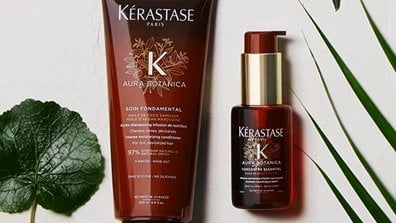
Choosing a compatible shampoo and conditioner
Choose a shampoo that cleanses effectively without leaving the scalp persistently tight, then keep conditioner focused on the lengths unless the directions say otherwise. If the roots become oily quickly, a lighter conditioner placement may help. If the lengths are dry, do not compensate by applying a rich mask directly to the scalp.
For a routine aimed at dry, weakened hair, Genesis Anti-Chute Shampoo is described as cleansing, detoxifying, and nourishing while preparing the scalp and hair for subsequent treatments. Product compatibility still depends on your own wash frequency and response.
Using exfoliating scalp products without overdoing it
Exfoliation can be useful when residue or flakes are the concern, but frequent scrubbing can leave a sensitive scalp feeling worse. Treat it as a scheduled cleansing step rather than something to add whenever the roots feel imperfect. Leave enough time between exfoliation and other active or concentrated scalp products to notice how your skin responds.
The Spécifique Masque Réhydratant is described as a moisturizing mask for dry, sensitive, and itchy scalps, with use recommended one to two times weekly after shampooing. That kind of instruction reinforces the value of treating frequency as part of the formula, not an afterthought.
Managing heat styling, dry shampoo, and product buildup
Heat tools do not automatically rule out scalp serum, but styling residue and frequent dry shampoo can make the scalp harder to assess. Apply scalp serum to a clean surface when the directions permit, and avoid layering dry shampoo immediately over a wet or freshly applied treatment. Keep heat-protective products on the hair areas they are intended to protect.
If your roots feel coated, pause extra styling products before deciding that the serum is the problem. A reset wash and a simpler week can reveal whether buildup, rather than the serum itself, is driving the change.
Creating a simple weekly schedule
A basic schedule helps prevent accidental overuse. Begin by assigning the serum to a consistent time of day, then place shampoo, conditioner, and any exfoliating treatment around it. A practical starting structure might look like this:
- Use the serum on the label’s recommended schedule.
- Wash often enough to remove your normal styling residue.
- Reserve exfoliation for its stated frequency rather than adding it impulsively.
- Keep masks and rich conditioners mainly on the lengths unless directed otherwise.
After a week or two, review how the scalp feels and how manageable the routine is. A schedule that is slightly simpler but repeatable will usually tell you more than an ambitious routine you abandon.
Track progress and avoid common mistakes
Scalp care is easy to judge too quickly because hair appearance changes with weather, washing, humidity, and styling. Track a few specific signs instead of chasing a perfect day. This also makes it easier to identify whether the product is helping, neutral, or unsuitable.
Signs the serum is working
Positive signs may include a more comfortable scalp, less visible dryness, a cleaner-feeling root area, or improved manageability. For a breakage-focused routine, look at the condition of the lengths and the amount of short snapped hairs rather than interpreting every shed hair as a treatment failure. Use similar lighting and the same parting when taking comparison photos.
Do not expect every useful result to be dramatic. A formula that feels comfortable and supports a stable routine may be doing its job even when the change is subtle.
How long to test a routine before changing it
Allow enough time to assess tolerance and consistency, unless irritation appears sooner. Keep a short record of application days, wash days, scalp symptoms, and any major changes in styling. If you change shampoo, serum, exfoliant, and styling products together, the experiment becomes difficult to interpret.
Hair-growth concerns generally require more patience than a change in surface comfort. If shedding is persistent, worsening, or distressing, seek professional advice instead of extending a cosmetic trial indefinitely.
Common application and consistency errors
The most common mistakes are applying too much, putting serum on the wrong area, skipping days unpredictably, and rubbing the scalp aggressively. Another is judging the formula after one use, when the immediate sensation may reflect wetness or fragrance rather than long-term suitability.
A quick checklist can keep the routine grounded: section first, apply modestly, distribute gently, follow the stated frequency, and record what changes. Resist adding another product just because the first one has not produced an instant visible result.
What to do if irritation or excess oil develops
Pause the serum if you notice persistent itching, burning, redness, or a new rash. If the scalp simply feels oily, try reducing the amount and checking whether styling residue or an overly rich conditioner is contributing. Do not push through a reaction in the hope that it will improve with continued use.
For discomfort that does not settle, consult a dermatologist or other qualified healthcare professional. A cosmetic routine should support comfort, not compete with appropriate care.
Shop for Kérastase scalp serum with confidence
Shopping carefully is part of choosing the right routine. Product names can be similar, packaging can change, and a scalp treatment may be confused with a serum intended for ends or overnight use. Before checkout, compare the exact product name, size, directions, and stated concern.
Checking the product name, size, and packaging
Read the full label and confirm whether the treatment is for the scalp, the hair fiber, or both. Check the bottle size, closure, dispenser, and ingredient information against the retailer’s listing. If a listing makes a promise that is not supported by the product directions, treat that as a reason to pause and verify.
The Spécifique Cure Apaisante Intense is described as a concentrated scalp treatment for discomfort, itchiness, irritation, and inflammation. That specificity is useful: it gives you a clearer basis for comparing the product with a daily moisturizing serum.
Why buying from an authorized retailer matters
An authorized retailer can provide a clearer chain of supply and more dependable product information. Boutique Deauville states that it sources directly from brands and offers genuine products, fresh inventory, and products with optimal shelf life. Those details matter particularly for leave-in products used directly on the scalp.
You can also browse shop-ready hair care with the same checks: exact product, intended use, size, and current directions. A polished product page is helpful, but it should not replace careful reading.
Understanding freshness, authenticity, and storage
Store scalp serum according to the package directions, away from excessive heat, direct sun, and repeated moisture exposure. Close the container promptly and avoid touching the applicator to the scalp or other surfaces. Changes in smell, color, texture, or separation can be reasons to stop and ask the retailer about the product.
Authorized sourcing reduces the risk of counterfeit or expired cosmetics, but good storage still matters after delivery. Keep the order confirmation and note when you opened the product if you expect to use it over several months.
Reviewing shipping, samples, and gift-with-purchase offers
Check shipping timelines, currency, order thresholds, and any promotional conditions before placing the order. Boutique Deauville states that orders are processed within one to two business days, that shipping can take up to seven business days depending on location, and that free shipping thresholds differ between Canada and the United States. It also states that orders include free samples and that customers can choose a free gift when the order is over $75.
Promotions can make trying a routine more appealing, but they should remain secondary to the product’s fit. Choose the serum for the scalp concern and directions first, then assess whether the offer, delivery terms, and storage plan work for you.
Shop the routine thoughtfully
Use the product collection to compare scalp treatments, cleansing steps, and complementary hair care in one place. Start with the concern you identified, read the directions closely, and choose a routine you can follow without making the scalp feel overloaded.
Conclusion
Choosing a scalp serum is less about finding the most elaborate routine and more about matching a clearly defined concern with a suitable formula, careful application, and steady observation. Give the process time, stay alert to irritation, and treat persistent scalp or hair-loss symptoms as reasons to seek professional guidance.
Frequently Asked Questions
Can a scalp serum moisturize dry hair?
A scalp serum may support scalp moisture, but it is not automatically a treatment for dry lengths and ends. Use a conditioner, mask, or fiber-focused leave-in where the product directions recommend it.
Should scalp serum be applied before or after shampooing?
That depends on the formula. Some products are applied to clean, towel-dried hair, while others are designed for dry scalp use between washes, so follow the label.
How often should scalp serum be used?
Use it at the frequency stated by the manufacturer. Daily products and intensive courses are not interchangeable, and increasing the amount or frequency can create oiliness or irritation.
Can scalp serum stop hair loss?
A cosmetic serum cannot be assumed to stop hair loss, especially when the cause is unknown. Sudden, persistent, or patchy loss should be discussed with a qualified healthcare professional.
Is scalp massage necessary when applying serum?
Massage is not always necessary, but gentle fingertip movements can help distribute a product. Avoid nails, vigorous rubbing, and pressure that leaves the scalp sore or red.
Can scalp serum be used with dry shampoo?
It may be possible, but layering products can make the roots feel coated and can obscure the scalp’s condition. Apply serum according to its directions and cleanse away buildup regularly.
What should I do if a serum makes my scalp itchy?
Stop using it if itching is persistent or accompanied by burning, redness, or a rash. If symptoms do not settle, seek advice from a dermatologist or another qualified healthcare professional.







Leave a comment