

Kérastase fortifying serum: how to choose and use it for stronger-looking hair
Key Takeaways
A fortifying serum can be useful, but the best choice depends on where your hair feels weak and what else your routine already provides.
- Match the serum to your main concern, such as breakage, dryness, scalp discomfort, or heat exposure.
- Read the directions carefully and begin with a small amount.
- Apply scalp-focused formulas to the scalp and length-focused formulas to the mid-lengths and ends.
- Pair serum with gentle cleansing, conditioning, occasional masks, and sensible heat protection.
- Give the routine time, and seek professional advice when breakage is sudden, severe, or accompanied by scalp changes.
Understand what a Kérastase fortifying serum does
A serum is usually a concentrated leave-in step designed to address a particular hair concern. Depending on its formula, it may condition the fiber, smooth the cuticle, hydrate the scalp, or help protect hair during styling. The phrase kerastase fortifying serum covers several different product types, so the name alone is not enough to tell you where or how to use one.
How fortifying serums support fragile hair
Fragile hair often breaks because it has become less flexible, more porous, or roughened by coloring, heat, friction, or repeated handling. A fortifying serum can coat or condition the hair so it feels smoother and is easier to detangle, while some formulas are intended for the scalp rather than the lengths. The practical goal is stronger-looking, more manageable hair—not a promise that damaged fiber can be permanently restored to its original state.
The difference between strengthening, repairing, and moisturizing
These terms overlap in everyday hair-care language, but they describe different priorities. Strengthening usually refers to improving the feel and resilience of weakened hair; repairing generally means caring for visible damage such as roughness, split ends, or breakage; moisturizing focuses on softness, suppleness, and reduced dryness. A formula can support more than one of these concerns, yet it is still worth choosing according to the result you most want.
Hair concerns a serum may help address
Look at the condition of both your scalp and your lengths before shopping. A dry scalp, thinning appearance, brittle ends, frizz, and heat-related roughness may call for different application areas and textures. For example, Kérastase Genesis Homme Sérum Anti-Chute Fortifiant is described as a scalp-applied serum for men addressing thinning and breakage, while Kérastase Serum Extentioniste is described as a strengthening serum for long hair prone to damage.
What results to expect over time
Early changes are often sensory: hair may feel softer, detangle more readily, or look smoother after styling. Reduced snapping and fewer rough-looking ends take longer to judge because they depend on washing, brushing, heat, and the amount of new damage being created. Take a simple photo or note how your hair behaves over several weeks rather than deciding after one application.
Choose the right serum for your hair needs
Choosing well starts with a clear diagnosis of the problem you are trying to manage. Ask whether the product will touch the scalp, the lengths, or both, and whether you prefer a light daily layer or a richer occasional treatment. The most luxurious texture is not necessarily the most useful one for your hair.
Selecting a formula for breakage and weakness
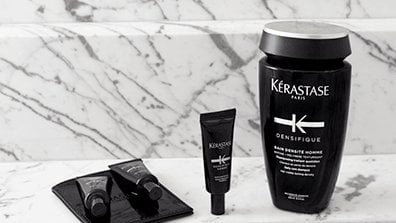
Breakage can show up as short pieces around the face, tapered ends, or hair that snaps during detangling. A product page should tell you whether the formula is meant to reinforce the fiber, protect the lengths, or support the scalp. Kérastase Genesis Anti-Chute Shampoo belongs in a broader routine for dry, weakened hair and is described alongside a fortifying serum, conditioner, and heat-protective leave-in treatment.
Options for dry, damaged, or chemically treated hair
Dryness and damage often need both conditioning and gentler handling. For severely damaged or over-processed hair, Kérastase Résistance Sérum Thérapiste is described as a dual-action serum for breakage, brittleness, and damage from heat styling and chemical treatments. For a weekly treatment rather than a daily serum, Kérastase Soin Premium Therapiste is described as a treatment for very damaged and over-processed hair, with use recommended one to two times weekly.
Considerations for fine, thick, curly, and textured hair
Hair density changes how much product feels comfortable, while curl pattern changes how evenly it spreads. Fine hair usually benefits from a smaller starting amount and careful placement away from the roots; thick or very dry hair may tolerate more product through the ends. Curly and textured hair often benefits from applying serum in sections, using the hands to smooth it over damp hair without disturbing the pattern.
How scalp-focused and length-focused formulas differ
A scalp serum is generally applied in partings and massaged in, whereas a length serum is worked through the mid-lengths and ends. Do not automatically move one type to the other area, especially if the texture is oily, fragranced, or designed to absorb differently. Kérastase Nutri-Supplement Scalp Serum is described as a fast-absorbing, milky formula for dry scalp nourishment, while Kérastase Sérum Filler Fondamental is described as a lightweight leave-in treatment for damaged hair applied to towel-dried hair.
Check the formula and product details
Packaging language can help you narrow the options, but it should not replace reading the directions. Check the intended hair type, application area, rinse instructions, size, and any heat-protection statement. If the product is sold as part of a set, make sure you understand which item is the serum and which are shampoo, conditioner, mask, or leave-in care.
Ingredients commonly used in fortifying hair care
Fortifying formulas may contain conditioning agents, proteins or protein derivatives, amino acids, vitamins, humectants, or botanical ingredients. These ingredients can support different aims, from softness and hydration to a smoother-feeling fiber. For example, Kérastase Cicaplasme is described as a lightweight leave-in serum with hyaluronic acid, edelweiss flower, and pro-vitamin B5 for hair prone to breakage, split ends, and styling or environmental damage.
How to assess texture, weight, and fragrance
Think about what your hair feels like on wash day and on the day after. A watery or milky formula may suit hair that becomes weighed down easily, while a richer serum may be more comfortable on coarse, dry ends. Fragrance also matters: test a small amount first if you are sensitive to scented products, and stop using it if it causes irritation.
Why authentic and fresh products matter
Hair-care products are used close to the skin, so the source and condition of the item deserve attention. An authorized seller can reduce the risk of counterfeit or expired cosmetics and may receive regular shipments with fresher inventory. Boutique Deauville states that it is an authorized retailer for the brands it carries and sources products directly from brands.
How to identify authorized Kérastase retailers
Look for a retailer that clearly explains its authorization, sourcing, customer service, and product policies. Compare the package, seal, batch information, and texture with the manufacturer’s published details when possible. Kérastase Bain Nutri Fortifiant Shampoo and Kérastase Fondant Renforcateur are both presented as products available through an authorized retailer with authentic, fresh inventory.
Apply Kérastase fortifying serum correctly
Application errors can make a good formula seem ineffective. Start with clean hands, follow the product directions, and treat the first few uses as a test of amount and placement. Hair that feels coated usually needs less product or less frequent use, not necessarily a different serum.
How much product to use
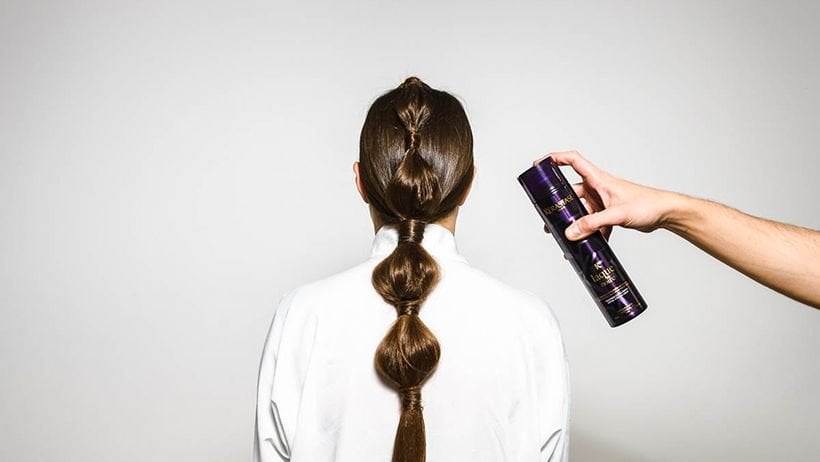
Begin with the smallest amount that can cover the intended area, then add only if needed. A few drops may be enough for a scalp application, while a pump or small pea-sized amount may suit the lengths, depending on the product directions and your hair density. Warm the serum between your palms before spreading it so you do not leave one concentrated patch on the hair.
Where to apply serum on the hair
Part the hair gently when using a scalp formula, and place the product directly on the areas named in the instructions. For a length-focused product, start below the ears or wherever your hair begins to feel dry, then work toward the ends. Kérastase Symbiose Sérum Nuit Intensif is described for application to mid-lengths and ends before bed, with washing in the morning.
When to use it in your routine
Some serums are leave-in products for towel-dried hair, some are intended for dry hair, and some are overnight treatments. Do not assume that a serum should be used after every wash or left on until the next wash; the label determines that schedule. A simple routine is easier to maintain when the application is attached to a habit you already have, such as towel-drying or preparing for bed.
How to combine it with shampoo, conditioner, and treatments
Layer products from cleansing to conditioning, then apply leave-in care according to its directions. Rinse-out conditioner and masks generally come before a leave-in serum, while a scalp serum may have a separate placement and timing. Kérastase Bain Force Architecte Shampoo is described as a reconstructing shampoo for weakened or over-processed hair, and Kérastase Ciment Anti-Usure is described as a restorative conditioner for dryness and damage.
Build a routine for stronger-looking hair
A serum works within a routine, not in isolation. Washing, detangling, drying, coloring, and styling all affect how much stress the hair experiences between applications. Keep the routine uncomplicated enough to repeat, then adjust one variable at a time.
Pairing serum with gentle cleansing
Use water that is comfortably warm, massage the scalp with your fingertips rather than your nails, and avoid rough scrubbing through the lengths. A cleansing product should leave the scalp clean without making the hair feel stripped or unusually tangled. Kérastase Bain Hydra Fortifiant Shampoo is described as a gentle shampoo for brittle, fragile hair addressing breakage and split ends.
Adding masks and leave-in care without buildup
A mask can add richer conditioning when the hair feels dry, but using several heavy leave-in layers at once may leave fine hair limp. Choose one main leave-in product and reserve richer care for the areas that need it most. Kérastase Nutritive Super Serum Trio is described as a routine for dry and very dry hair that includes separate products for the scalp, ends, and overnight care.
Adjusting frequency for oily or dry hair
Oily roots may respond better to a scalp product used sparingly and a lighter approach through the lengths. Dry hair may need more consistent leave-in care, especially at the ends, but more is not always better. Use the first two weeks to watch for softness, residue, itchiness, or a faster return of oil, then adjust the frequency rather than changing everything at once.
Protecting hair from heat and daily styling stress
Heat, tight hairstyles, rough towels, and repeated brushing can undermine efforts to reduce breakage. Use a product only when its directions support heat protection, and keep the tool temperature and contact time as low as practical. Kérastase Golden Blonde Hair Set is described as a collection for bleached and weakened blonde hair that includes a leave-in cream for heat styling and environmental protection.
Evaluate results and avoid common mistakes
The best assessment combines appearance, feel, and routine consistency. Notice whether the hair is easier to comb, whether ends look less ragged, and whether the scalp feels comfortable. Also consider what has changed around the serum, since a gentler brush or lower heat setting may be contributing to the improvement.
Signs the serum is working for your hair
Useful signs include less friction while detangling, a smoother finish, better softness without limpness, and fewer new snapped pieces over time. These are observations rather than guarantees, and they can vary with hair history and styling habits. Kérastase Fondant Extentioniste Conditioner is described as a conditioner that reinforces fibers, restores moisture, improves elasticity, and helps prevent breakage and split ends.
When to change the amount or application frequency
Change one thing at a time so you can tell what helped. If the hair feels dry, a compatible conditioning step may be more useful than simply adding serum; if it feels coated, reduce the amount or space out applications. A small routine journal can make patterns easier to see, especially when wash frequency changes with the season.
Mistakes that can make hair feel heavy or greasy
Common problems include applying a length serum directly at oily roots, using several silicone-rich or oily layers, and failing to distribute the product evenly. Another mistake is treating every short hair as breakage when some pieces may be normal new growth. A focused application and a clarifying wash when appropriate can often restore a lighter feel.
When breakage may require professional advice
Sudden shedding, visible thinning, persistent scalp irritation, sores, or breakage that continues despite gentler care deserves professional attention. A dermatologist or qualified hair professional can help distinguish fiber damage from scalp or health-related concerns. For oily roots and weak lengths, Kérastase Genesis Oily Roots & Weak Lengths Care Set is described as a routine containing cleansing, masque, heat-protective, and fortifying anti-chute products, but a product routine should not replace medical evaluation when symptoms are concerning.
Conclusion
The right fortifying serum should fit your hair’s actual needs, application area, and tolerance for weight or fragrance. Start with a modest amount, combine it with gentle habits, and judge progress over several weeks rather than expecting an overnight transformation.
Frequently Asked Questions
Can a fortifying serum repair split ends permanently?
No leave-in product can permanently fuse a split end back together. A serum may temporarily smooth the appearance and improve manageability, while trimming and reducing further damage address the underlying issue.
Should serum be applied to wet or dry hair?
Follow the product directions. Many leave-in formulas are designed for towel-dried hair, while others can be used on dry hair or overnight; applying a product differently can change how evenly it spreads and how heavy it feels.
How often should a hair serum be used?
Frequency depends on the formula, the application area, and your hair’s response. Start with the label’s guidance, then reduce the amount or frequency if you notice residue, limpness, or excess oil.
Is hair serum suitable for curly or textured hair?
It can be, especially when applied in sections and distributed gently through damp lengths. Choose a texture that supports definition rather than forcing the hair pattern to separate or become coated.
Can serum stop hair shedding?
A cosmetic serum may support the feel and appearance of hair, but shedding has many possible causes. Persistent or sudden shedding should be discussed with a dermatologist or other qualified healthcare professional.
Can I use a serum with a hair mask?
Usually, yes, if the products are compatible and used in the correct order. Apply a rinse-out mask during washing, rinse it thoroughly, and then use the leave-in product according to its directions.
How can I tell whether a serum is too heavy?
Hair that looks greasy, loses volume quickly, or feels coated even after brushing may be receiving too much product. Try using less, applying it farther from the roots, or reducing how often you use it.






Leave a comment