

The essential guide to the health benefits of eating argan oil
Key Takeaways
Eating culinary argan oil offers a concentrated source of healthy fats and micronutrients that support various physiological functions. This guide provides insight into distinguishing food-grade oils from cosmetic variants and highlights the nutritional significance of this unique substance.
- Culinary argan oil is distinct from cosmetic versions due to the roasting process it undergoes to remove bitterness.
- The oil is rich in oleic and linoleic acids, which contribute to total daily fat intake quality.
- High levels of vitamin E and phenolic compounds offer potent antioxidant support for the body.
- Consistent dietary use may aid in cholesterol management and support overall metabolic function.
- When sourcing, prioritize opaque, sealed bottles to ensure the oil remains fresh and free from oxidation.
Understanding culinary argan oil versus cosmetic argan oil
Selecting the right argan oil requires an understanding of how the kernels are processed for different purposes. The distinction between those used for skin and those used for food is quite profound, involving heat application that dictates the end product's utility and safety for consumption.
The difference in extraction and roasting processes
Culinary argan oil is derived from kernels that have been lightly roasted, a key step that removes the raw, bitter taste and makes the flavor profile pleasant for eating. In contrast, cosmetic oil is obtained through cold-pressing raw kernels, which preserves specific compounds beneficial for topical application but produces a flavor and texture entirely unsuitable for cooking or dressing ingredients. This heat treatment during processing is what defines its classification as food-grade.
Identifying authentic edible-grade packaging
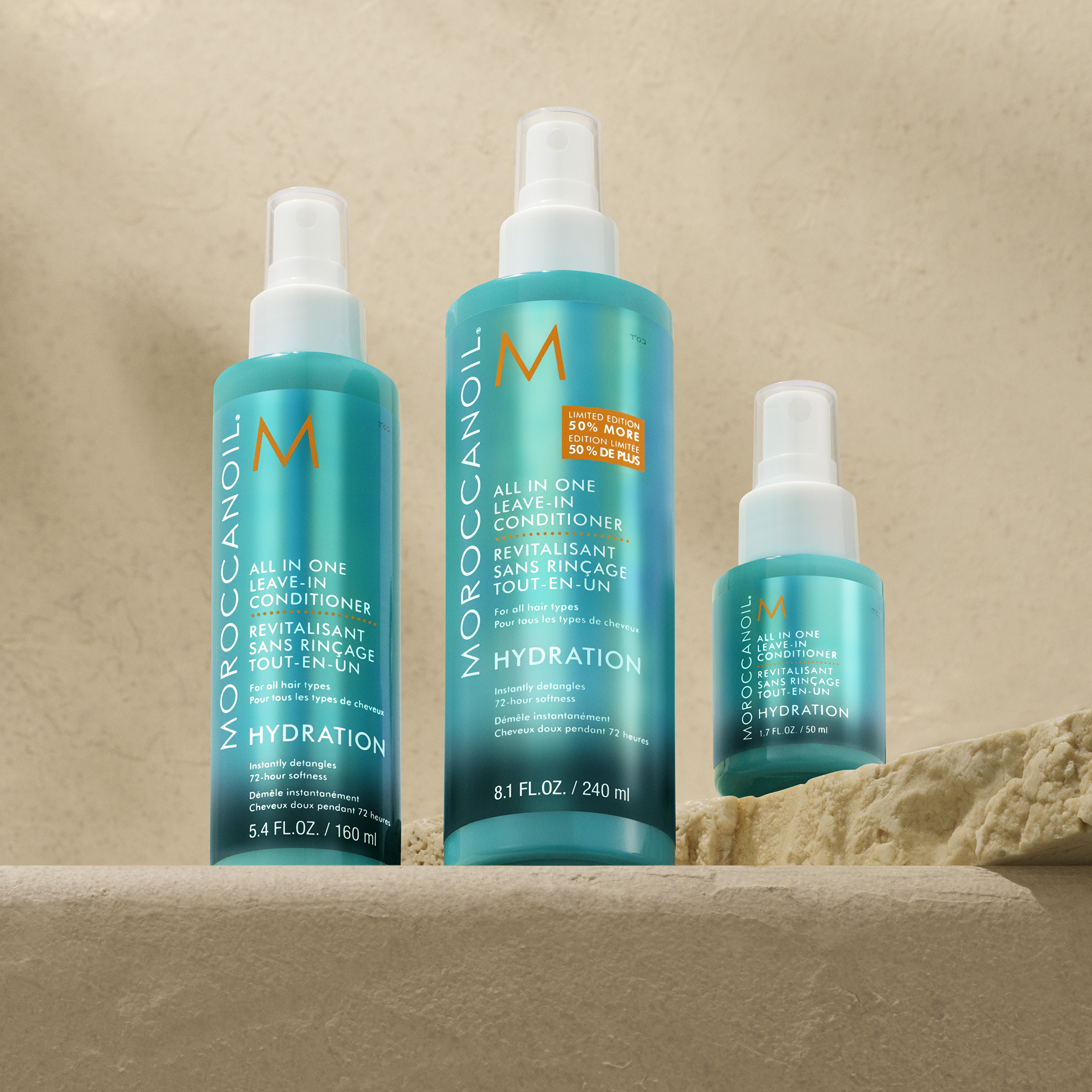
When looking for edible oil, the packaging often provides the most reliable indication of its purpose and quality. Authentic products are typically offered in light-shielding, food-safe containers to prevent light-induced degradation of the fragile nutrients inside. Authentic labels will often clearly state that the oil is meant for consumption, which differentiates it from the shampoo and conditioner lines produced by brands like Moroccanoil, which are strictly for external use.
Why you should never ingest cosmetic formulations
Cosmetic-grade oils are manufactured with different hygiene standards than food-grade oils, as they are not intended for digestive entry. Ingredients and processing environments for beauty-focused products may not comply with the stringent safety regulations required for human diet applications. You should always ensure that any argan oil you plan to eat is clearly labeled as food-safe to avoid potential contaminants or additives that are commonly found in cosmetic products.
Nutritional profile of edible argan oil
Scientific analysis of argan oil reveals a composition that is highly valued for its dense concentration of healthy lipids. Because it is increasingly recognized for its heart-healthy dietary fat profile, it serves as an excellent addition to a balanced lifestyle, providing nutrients that are sometimes lacking in standard Western diets.
Concentration of heart-healthy monounsaturated fats
Monounsaturated fats constitute a significant portion of this oil, specifically oleic acid, which is closely associated with positive cardiovascular health outcomes. Consuming these fats as part of a varied diet often supports the maintenance of healthy internal markers. It is the quality and stability of these lipids that make the oil a preferred choice for individuals looking to enhance the nutritional composition of their daily meals.
Essential fatty acid content for daily nutrition
Beyond oleic fat, the oil contains a meaningful supply of linoleic acid, which is an essential omega-6 fatty acid the body requires but cannot synthesize on its own. While other culinary oils exist, the balance found here provides a unique source of these building blocks for cell health. Including such diverse lipid sources helps ensure that one's body receives a wide range of fatty acids, supporting sustained bodily functions.
Presence of vitamin E and potent antioxidants
Argan oil is remarkably dense in vitamin E, a fat-soluble nutrient that functions as a sophisticated antioxidant within the body. These compounds help neutralize free radicals, which are unstable molecules that can cause cellular stress. By integrating this oil into your routine, you are introducing a natural source of these protective agents, which are essential for long-term health and wellness.
Potential cardiovascular health benefits
Systemic health is often a reflection of consistent, long-term dietary habits, and the inclusion of beneficial oils is a known strategy for heart maintenance. The fatty acid structure of argan oil interacts with various biological pathways, potentially supporting the way the body handles lipids.
Impact of regular consumption on cholesterol levels
Evidence from small studies suggests that the fatty acids in argan oil may assist in regulating cholesterol ratios by supporting the modulation of low-density lipoproteins. By replacing saturated fats with these plant-derived lipids, people often find it easier to manage markers associated with long-term cardiovascular health. This is a common focus for individuals interested in natural ways to support their circulatory system.
Supporting healthy blood pressure through dietary fats
Good dietary fats contribute to flexible and healthy blood vessels, which are crucial for maintaining consistent blood pressure levels. When incorporated into a Mediterranean-style diet, the specific phenolic compounds in this oil may play an auxiliary role in maintaining vascular tone. This natural compatibility with a health-oriented eating plan makes it a frequent selection for those prioritizing longevity.
Reduction of systemic inflammation markers
Chronic inflammation is a silent contributor to many health challenges, and anti-inflammatory nutrients are essential for a balanced internal response. The unique combination of antioxidants found in argan oil helps quiet the inflammatory signals that the body may produce in response to everyday stressors. Using this oil in place of more processed alternatives is one way to keep these biological signals within a healthy range.
Supporting metabolic function and blood sugar

代谢 (metabolic) health depends on how effectively the body process energy from intake. Because fats regulate the speed and release of nutrients into the bloodstream, using high-quality oils is crucial for stabilizing internal dynamics.
Managing glucose levels through healthy fat intake
Fats slow down the digestive process, which can help prevent rapid spikes in blood glucose after meals. Unlike refined carbohydrates, the healthy fats found in this oil encourage a steadier release of energy throughout the day. Consider these methods to integrate it safely into your meals:
- Whisk a small amount into a balsamic vinaigrette for a lunch salad.
- Drizzle sparsely over freshly cooked quinoa or whole-grain couscous.
- Mix into a bowl of warm lentil soup just before serving.
- Lightly coat roasted seasonal roots to add a rich, nutty finish.
Consistency is key here, as the cumulative effect of these small additions can contribute to more stable energy levels over time.
Potential role in improving insulin sensitivity
Improving how the body utilizes insulin is a central goal for many diets, and certain fats can assist in this biological sensitivity. Research into the specific compounds in traditional nut oils indicates they may influence the pathways that facilitate glucose uptake in muscle tissues. While it is not a cure-all, it is a piece of the complex puzzle of dietary management.
Benefits for satiety and long-term weight management
Feeling full after a meal is essential for preventing overeating, and high-quality fats are excellent for signaling satisfaction to the brain. Because argan oil provides depth of flavor and nutritional density, even a small portion can satisfy the palate, potentially reducing the desire for heavier sides or additives. It helps sustain contentment, making it easier to stick to long-term health goals.
Culinary applications and how to consume it safely
Applying this oil correctly ensures that you take advantage of its delicate flavor and nutritional profile without damaging its components. Because it is highly valued for its unique taste, it works best when utilized as a finishing touch rather than a primary cooking base.
Recommended daily dosage and intake frequency
Moderation is always best when introducing any concentrated oil into your dietary pattern. Professionals typically suggest using it in small quantities, such as one to two teaspoons per day, to enjoy the health benefits without adding excessive calories. This approach allows the flavor to shine and ensures that you consume a sufficient amount of its beneficial antioxidants over time.
Incorporating into Mediterranean-style salads and dressings
| Usage Type | Technique | Best Pairing |
|---|---|---|
| Finishing | Drizzle lightly | Leafy greens |
| Emulsifying | Whisk with citrus | Roasted carrots |
| Flavoring | Stir into soup | Chickpea stews |
The oil's nutty profile complements ingredients like citrus, garlic, and fresh herbs exceptionally well. By using it in dressings or finishers, you preserve the heat-sensitive compounds that might otherwise degrade under high temperatures, which helps maintain the oil's full nutritional integrity.
Ideal temperature ranges to preserve nutrient density
Heat exposure should be kept to a minimum if you wish to retain the delicate profile of the oil. It is highly recommended to avoid high-heat frying or intense grilling, as these temperatures can damage the fatty acids and antioxidants. Keeping it at room temperature and applying it to warm or cold dishes is the most effective way to enjoy the substance safely.
Precautions and considerations for dietary use
While largely recognized as safe, it is important to exercise caution and maintain awareness, especially if you have existing dietary sensitivities. Ensuring that you source your products from respected suppliers is the most effective way to guarantee safety and quality.
Managing potential allergic reactions for those with nut sensitivities
Although it is technically a seed oil, individuals who suffer from severe nut allergies should consult with their healthcare provider before consumption. Cross-reactivity or manufacturing facilities that process both nuts and argan kernels present a theoretical risk for those with extreme sensitivities. Prioritizing safety is essential when exploring new foods that could impact your immune response.
Quality control and sourcing from reputable producers
Quality variation can be substantial in the global market, making it important to research where your oil comes from. Reputable brands often provide transparency regarding their harvest and pressing methods. Just as you might verify the authenticity of a luxury beauty treatment from a trusted authorized retailer to ensure that you are buying genuine formulations, research your food supplier carefully to confirm that you are getting untainted, culinary-grade argan.
Understanding shelf life and flavor degradation over time
All natural oils are subject to oxidation, which means they can eventually go rancid if stored improperly or kept for too long. Store your bottle in a cool, dark place, away from sunlight and direct heat sources, to extend its active lifespan. Paying attention to the purchase date and ensuring the seal remains tight will help you enjoy the peak flavor and health benefits for as long as possible.
Conclusion
Incorporating culinary argan oil into your diet is a flavorful way to explore a traditional ingredient that offers both unique taste and potential health advantages. By choosing authentic, food-grade options and using them primarily as a finishing element, you can maximize the nutrient density of your daily meals while enjoying its distinctive, nutty character.
Frequently Asked Questions
How does argan oil taste compared to other oils?
It has a distinctively nutty and slightly earthy flavor, often compared to toasted sesame or walnuts, making it excellent for finishing sweet or savory dishes.
Can I use all argan oils for cooking?
No, you should only ever use oil specifically labeled as culinary or food-grade; cosmetic oils are not processed for hygiene or taste and may contain additives.
Does argan oil provide essential nutrients?
Yes, it is a good source of vitamin E and essential linoleic acid, which are important for maintaining cell health and supporting daily nutritional requirements.
How should I store culinary argan oil?
Keep it in a cool, dark place, such as a pantry shelf away from the stove, and ensure the bottle is tightly sealed after every use to prevent oxidation.
Can argan oil help with skin health from the inside?
While many people use it topically, the antioxidants and healthy fats ingested through consumption may also support systemic skin health by reducing internal inflammation.
Is it safe to cook with argan oil over high heat?
It is better to avoid high-heat cooking like frying, as high temperatures can damage the oil's fragile fatty acids and neutralize many of its beneficial antioxidants.
How much argan oil should one consume daily?
Most guidelines suggest a modest intake, such as a teaspoon or two, to enjoy the nutritional benefits without over-focusing on the fat content in your daily caloric intake.





Leave a comment