

Is Moroccanoil shampoo good? An honest guide to formulas, benefits, and hair types
Key Takeaways
The answer to “is moroccanoil shampoo good” depends less on the label and more on your hair’s condition, scalp needs, and washing habits.
- The range includes formulas for hydration, repair, volume, clarification, and blonde or gray hair.
- Argan oil appears across several formulas, but the cleansing strength and supporting ingredients differ by product.
- Richer shampoos can feel excellent on dry hair and less comfortable on fine, oily hair.
- Shampoo can improve softness, shine, and manageability without repairing every kind of structural damage.
- Buying from an authorized retailer helps reduce the risk of counterfeit or old inventory.
What makes Moroccanoil shampoo different
Moroccanoil shampoos are positioned around targeted hair concerns rather than one universal cleansing experience. The range includes moisturizing, repairing, volumizing, clarifying, scalp-focused, and tone-maintaining options. That variety is useful, although it also means that a positive experience with one bottle does not automatically predict how another will feel.
The role of argan oil in the formulas
Argan oil is a recurring ingredient in the range, usually alongside other conditioning, moisturizing, or protective ingredients. In the Hydrating Shampoo, it appears with vitamins and red algae in a sulfate-free formula intended to gently cleanse while supporting manageability, smoothness, and shine. The ingredient can contribute to a softer cosmetic finish, but it should not be treated as a cure for every form of damage.
The better question is what the complete formula is trying to do. A shampoo for dry hair may prioritize moisture, while a clarifying cleanser may be chosen for mineral, product, or environmental buildup. The full formula matters more than the presence of one fashionable ingredient.
How cleansing strength varies by product
Cleansing strength is not identical across a product family. A moisturizing cleanser is generally chosen when hair feels dehydrated or rough, while a clarifying formula is better suited to occasional removal of residue. For someone with oily roots and dry ends, using the strongest cleanser at every wash may leave the lengths feeling unnecessarily dry.
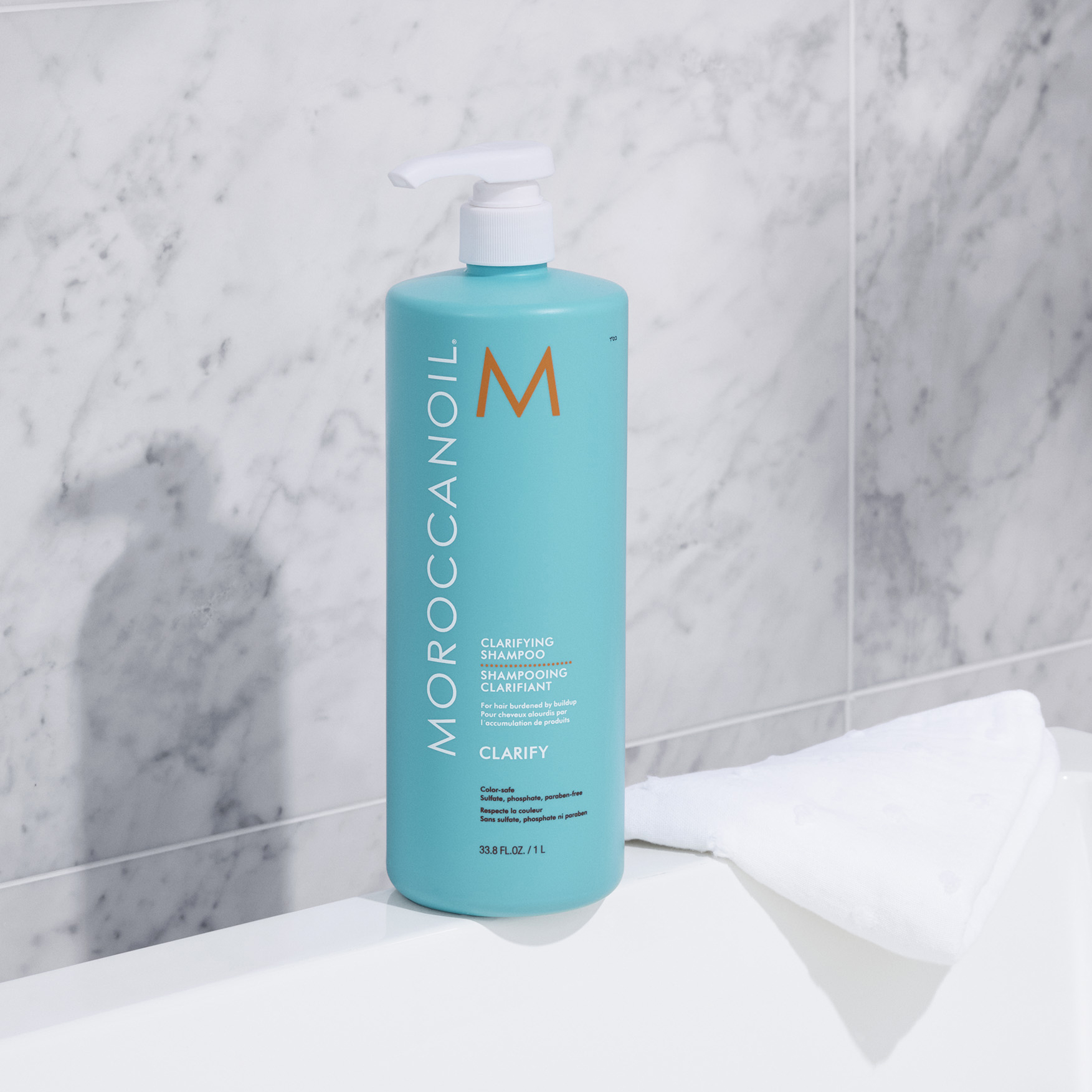
The Clarifying Shampoo is described as color-safe and intended to remove mineral, product, and environmental buildup. That makes it a practical occasional option when hair feels coated or unusually flat, rather than an automatic daily choice for everyone.
Fragrance, texture, and salon-style experience
Texture and fragrance can shape whether a shampoo feels luxurious, even when the hair result is fairly ordinary. Some people enjoy a rich lather and a noticeable scent; others prefer a low-fragrance, minimal routine, especially when their scalp is reactive. These are personal comfort factors, not reliable proof that a formula is more effective.
A useful trial is to notice how the scalp and lengths feel several hours after washing, not just while the product is being rinsed. If the roots feel tight, the ends feel rough, or the fragrance lingers unpleasantly, the formula may not suit your routine regardless of its reputation.
How the brand positions its shampoos
The range is presented as a collection of solutions for different hair types and concerns. That positioning is reflected in products such as the Extra Volume Shampoo, which is described as gently cleansing, detangling, and hydrating while providing lift, texture, shine, and movement without weighing hair down.
This kind of segmentation is helpful because “good shampoo” is not a single standard. A volumizing cleanser can be a good choice for fine hair and a poor choice for coarse, very dry hair. Product names are a starting point, but the hair and scalp underneath them should make the final decision.
Moroccanoil shampoo benefits for different hair needs
The strongest potential benefit of a well-matched shampoo is a better balance between cleansing and feel. Hair may appear smoother, softer, shinier, or easier to detangle after washing, while the scalp feels clean without excessive tightness. Those changes are cosmetic and practical, but they can make a daily routine noticeably easier.
A shampoo cannot replace every treatment or solve damage created by bleach, heat, friction, or chemical processing. It can, however, support a routine that leaves hair more comfortable and manageable. The following benefits are most plausible when the product matches the specific need.
Hydration for dry or coarse hair
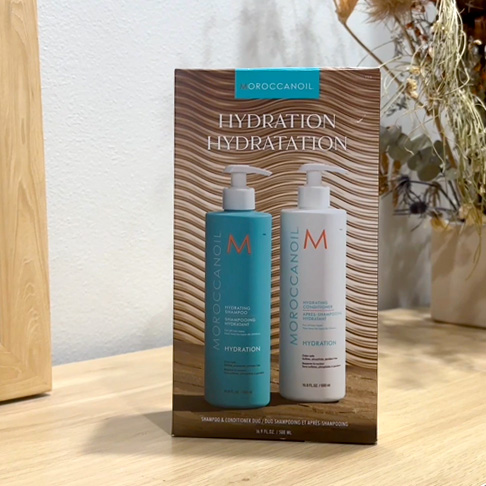
Dry or coarse hair often benefits from a cleanser that does not leave the lengths squeaky or stripped. The Hydrating Shampoo is described as moisture-balancing, with argan oil, vitamins A and E, and moisturizing red algae. It is also described as suitable for normal and color-treated hair and gentle enough for daily use.
That does not mean every dry head of hair should be washed daily. It means the formula is positioned as a gentle moisturizing option when frequent cleansing is part of someone’s routine. Pairing the shampoo with a suitable conditioner can make the result more noticeable, particularly through the mid-lengths and ends.
Smoothing frizz and improving manageability
Frizz is influenced by dryness, humidity, texture, friction, and styling technique, so shampoo alone rarely controls it completely. A moisturizing cleanser may make the hair surface feel smoother and easier to comb, which can reduce some of the roughness that makes frizz look more pronounced.
For additional styling support, Smoothing Lotion is described as a lightweight blow-dry lotion that helps tame frizz and resist humidity. It belongs after cleansing, not instead of choosing the right shampoo, but it shows why manageability often depends on the whole routine.
Supporting color-treated hair
Color-treated hair often needs cleansing that feels effective without making the lengths feel dry. The Hydrating Shampoo is described as color-safe, while the Color Continue Shampoo is described as a sulfate-free cleanser designed to support long-lasting color retention by restoring hair integrity through ColorLink technology.
“Color-safe” does not mean color can never fade. Water temperature, wash frequency, sun exposure, heat, and the type of color service all matter. A color-focused shampoo may support the routine, but it cannot freeze the original shade in place.
Adding softness and shine without heavy styling
Softness and shine are often the first results people notice after a successful wash. They can come from better hydration, less residue, smoother cuticles, or simply a formula that leaves less friction during brushing. The result is usually most attractive when the hair still has movement rather than a coated feel.
A leave-in can help when shampoo and conditioner are not enough. The All In One Leave-in Conditioner is described as an argan oil-rich formula that moisturizes, protects against thermal damage, and can be used before styling or to refresh second-day hair. It is a separate step, so using it lightly is sensible if the hair is fine.
Which Moroccanoil shampoo is right for your hair
Choosing by hair concern is more reliable than choosing by popularity. Start with the scalp: is it oily, dry, flaky, or comfortable? Then consider the lengths: are they normal, dehydrated, damaged, fine, color-treated, or prone to buildup?
The table below is a simple way to narrow the range without assuming that one formula works for every head of hair.
| Hair or scalp concern | Formula to consider | What it is positioned to do |
|---|---|---|
| Normal to dry hair | Hydrating Shampoo | Gently cleanse and support moisture, smoothness, and shine |
| Damaged or weakened strands | Moisture Repair Shampoo | Hydrate, nourish, and improve the appearance and feel of damaged hair |
| Fine or limp hair | Extra Volume Shampoo | Cleanse while providing lift, texture, shine, and movement |
| Mineral or product buildup | Clarifying Shampoo | Remove mineral, product, and environmental buildup |
| Blonde or gray hair | Blonde Perfecting Purple Shampoo | Cleanse while helping maintain cooler tones |
Use the table as a starting point, then adjust based on how the hair behaves after two or three washes. A formula can be well designed and still be wrong for your scalp, water, or styling habits.
Hydrating Shampoo for normal to dry hair
Hydrating Shampoo is the most straightforward choice when the main complaint is dryness without severe structural damage. The product description says it is for all hair types and uses a sulfate-free, moisture-balancing formula with argan oil, vitamins, and red algae. It is also described as color-safe.
It may suit someone who wants a gentle everyday cleanser and a softer finish. If roots become oily quickly or the hair goes flat after washing, use less product and keep conditioner away from the scalp before deciding that the shampoo itself is the problem.
Moisture Repair Shampoo for damaged or weakened strands
Moisture Repair Shampoo is aimed at hair that feels dry, weakened, or damaged. The Moisture Repair Shampoo is described as color-safe and formulated with argan oil, keratin, and vitamins to hydrate dry strands, reduce frizz, restore elasticity, and improve the appearance of breakage.
The word “repair” needs a little context. Shampoo can improve the feel and appearance of the fiber, but split ends and severe chemical damage cannot be permanently returned to an untouched state. For those concerns, trimming and reducing additional stress still matter.
Extra Volume Shampoo for fine or limp hair
Fine hair often needs cleansing that removes excess oil without leaving a heavy film. Extra Volume Shampoo is described as sulfate-, phosphate-, and paraben-free, with a focus on lift, texture, shine, movement, and a fuller appearance without weighing hair down.
Volume is also affected by haircut, drying direction, humidity, and how much conditioner is used. Even a lightweight formula can feel heavy if several leave-in products are layered at the roots, so keep the rest of the routine proportionate.
Clarifying Shampoo for buildup and oily roots
Clarifying shampoo makes sense when the hair feels coated, the roots become oily unusually quickly, or styling products no longer seem to rinse away. The Clarifying Shampoo is described as color-safe and intended to remove mineral, product, and environmental buildup while restoring a weightless, shiny finish.
It is usually better treated as a periodic reset than an automatic daily cleanser. If scalp discomfort includes visible flakes, oiliness, or redness, a targeted Scalp Balancing Shampoo is described as a sulfate-free formula with salicylic acid and niacinamide for those concerns. Persistent scalp symptoms may need professional advice rather than repeated product experimentation.
Blonde Perfecting Purple Shampoo for blonde and gray hair
Purple shampoo is designed for a particular color concern: unwanted warm or brassy tones in blonde or gray hair. The Blonde Perfecting Purple Shampoo is described as sulfate-free, phosphate-free, and paraben-free, with a purpose of maintaining cool tones and adding dimension.
The timing matters. Leaving a toning cleanser on too long or using it too frequently can make the result look dull or uneven, especially on porous hair. Follow the product directions and alternate with a more general cleanser when the hair needs ordinary cleansing rather than toning.
Potential drawbacks to consider before buying
A good shampoo still has trade-offs. A richer feel can be welcome on dry hair but excessive on fine hair, while a clarifying cleanser can feel refreshing on oily roots and too drying on fragile ends. Fragrance, price, water quality, and wash frequency also shape the experience.
The most honest evaluation is not whether the range is universally good. It is whether the chosen formula cleanses well, leaves the scalp comfortable, and gives the lengths a finish you can maintain without adding unnecessary steps.
When rich formulas may weigh down fine hair
Fine hair has less room for residue before it looks flat. A moisturizing shampoo may leave it soft but lacking lift, particularly when paired with a rich conditioner or leave-in. That does not make the formula poor; it means the hair may need lighter application, less frequent conditioning, or a different product category.
Watch the roots rather than judging only the ends. If the scalp looks oily sooner than usual and the lengths feel coated instead of silky, reduce the amount used and rinse longer. If the pattern continues, a volume or occasional clarifying option may be more suitable.
Why fragrance can be a concern for sensitive scalps
Fragrance is part of the sensory experience, but it can be a drawback for people who are sensitive to scented products. A scalp that feels itchy, hot, tight, or persistently uncomfortable after washing is giving useful information, even if the hair itself looks shiny.
Do not assume that a pleasant salon-like scent is evidence of better hair care. Patch-testing a small area and stopping use when irritation appears is more sensible than trying to tolerate a reaction for the sake of the finish.
How shampoo performance depends on water hardness and buildup
Hard water can leave mineral residue that makes hair feel dull, rough, or difficult to wet. Product buildup can create a similar sensation, so a person may blame the shampoo when the larger issue is what remains on the hair between washes.
A periodic clarifying wash may help when buildup is the cause, but repeated strong cleansing can create a cycle of dryness and more product use. The Purifying Pre-Wash Scalp Scrub is described as a weekly exfoliating treatment for visible flakes, excess oil, and buildup, used before shampooing. That is a targeted pre-wash step, not a reason to scrub the scalp aggressively every day.
The difference between cosmetic softness and actual hair repair
Hair can feel dramatically softer after one wash because the surface has been conditioned or coated. That is a useful result, but it is not the same as reversing chemical changes inside a damaged strand. The difference matters when deciding whether a routine is meeting a short-term appearance goal or a longer-term hair-health goal.
For visibly worn ends, Repair Mending Infusion is described as a styling product that helps seal split ends, reduce dryness, fight frizz, and prevent breakage. Even then, “seal” describes an appearance and styling effect; damaged ends may still eventually need trimming.
How to use Moroccanoil shampoo for the best results
Technique can change the result as much as the bottle. Most shampoo is needed at the scalp, where oil and residue collect, while the lengths are usually cleaned by the suds moving through them during rinsing. Using too much product can make rinsing harder and increase the chance of a coated finish.
Start with a small amount, add water, and rinse thoroughly. Then judge the result over several washes rather than changing products after one unusually good or bad hair day.
Choosing the right washing frequency
Washing frequency should follow scalp oil, activity, styling products, and comfort rather than a fixed rule. Someone with an oily scalp may need more frequent cleansing, while dry or textured lengths may benefit from more time between washes. Sweat and heavy styling products can also change the schedule.
If hair feels clean but the ends are dry, focus on changing the conditioner or application pattern before automatically washing less. If the scalp feels coated or uncomfortable, waiting longer may not be helpful.
Applying shampoo to the scalp instead of the lengths
Wet the hair thoroughly, distribute shampoo across the scalp, and massage gently with the fingertips. Avoid using fingernails or scrubbing the lengths aggressively. When the product is rinsed, the passing lather usually provides enough cleansing for the mid-lengths and ends.
For a concentrated cleanser, adding water can improve spread and lather. The directions for Hydrating Shampoo specifically describe massaging it through wet hair and scalp, adding water to activate the lather, rinsing thoroughly, and repeating if needed.
That approach also makes it easier to control how much cleanser reaches the driest parts of the hair. If the lengths still feel dirty after rinsing, a second light wash is generally more useful than applying a large amount at once.
When to follow with conditioner or a mask
Conditioner is useful when the lengths need slip, softness, or easier detangling after cleansing. Apply it mainly from the mid-lengths to the ends, allowing the roots to remain lighter unless they are unusually dry. A mask can be used when the hair needs a more concentrated conditioning step, but it is not necessary at every wash.
The Hydrating Conditioner is described as a gentle daily formula for all hair types that supports smoother, more manageable hair and easier styling. A routine can remain simple: cleanse the scalp, condition the lengths, and add a mask only when the hair’s feel calls for it.
Adjusting your routine for oily roots and dry ends
This combination is common and often requires a split approach. Use enough cleansing at the scalp, keep richer conditioning away from the roots, and give the ends extra protection from friction and heat. A single product does not have to perform every job equally across the head.
A dry scalp is a different concern from dry ends. The Dry Scalp Treatment is described as a restorative formula intended to combat dryness and moisturize the scalp and hair, so it belongs in a targeted routine rather than being used as a substitute for ordinary shampoo.
Recognizing signs that a formula is not working
Give a new formula enough time to reveal a pattern, but do not ignore consistent problems. Useful signs to track include the following:
- Roots becoming oily much sooner than usual.
- Ends feeling rough, tangled, or unusually squeaky after rinsing.
- A coated finish that remains after thorough washing.
- Itching, redness, tightness, or discomfort on the scalp.
These signals point in different directions. Oiliness may suggest too much richness or insufficient cleansing, while roughness may suggest over-cleansing or inadequate conditioning. Scalp irritation deserves particular caution, and persistent symptoms are better discussed with a healthcare professional.
Is Moroccanoil shampoo worth the price?
Whether the price feels justified depends on the result you need and how consistently the formula works for you. A specialized shampoo can be worthwhile when it addresses a clear concern, but a premium bottle is not automatically better for every person or every wash day.
Consider the complete cost of the routine, including conditioner, masks, treatments, and how much shampoo you use per wash. A smaller amount of a concentrated formula may last longer than expected, while an unsuitable bottle is expensive even when it was initially discounted.
Comparing salon shampoo with drugstore alternatives
A fair comparison should focus on function rather than packaging. Ask whether both products cleanse comfortably, leave the hair manageable, and fit the scalp’s needs. If a less expensive cleanser gives the same result without irritation or buildup, there may be little reason to pay more.
The argument for a salon-positioned formula is stronger when you need a specific combination, such as gentle cleansing with color support, targeted toning, or a formula designed for fine hair. Even then, personal compatibility is more meaningful than a general reputation.
Evaluating ingredients, bottle size, and cost per wash
Compare bottle size and the amount needed per wash, not just the shelf price. A formula used twice because the first wash did not remove oil may cost more in practice than one that cleanses effectively with a smaller amount.
It can help to record three things for a month: how often you wash, how much product you use, and how the hair feels afterward. This turns a vague impression of value into a more useful cost-per-wash decision.
When investing in a specialized formula makes sense
A specialized formula may make sense when your concern is clear and recurring. Blonde or gray hair that needs tone maintenance, fine hair that loses lift easily, or lengths affected by dryness may benefit from a product chosen for that purpose rather than a generic all-purpose routine.
The same logic applies to supporting products. Intense Curl Cream is described as a leave-in conditioner for moisturizing and defining natural curls and waves, while Smoothing Conditioner is described as a conditioning formula intended to smooth unruly hair and support keratin with AminoRenew technology. Those products are relevant only when the hair concern matches their documented role.
Buying from an authorized retailer for product authenticity and freshness
Source matters for cosmetics, particularly when a product is sold through many online listings. An authorized retailer can reduce the risk of counterfeit or expired inventory and may receive regular shipments that support fresher stock.
Boutique Deauville states that it is an authorized retailer for the brands it carries, sources products directly from brands, and focuses on genuine products and fresh inventory. If you decide to buy, you can shop shampoo online while checking the seller, packaging, and return information carefully.
Shop the collection
If a formula matches your scalp and hair needs, explore the brand’s shampoo, conditioner, and treatment categories together so the routine remains balanced rather than relying on one cleanser to do everything.
Conclusion
Moroccanoil shampoo can be a good choice when you select the formula for your actual hair concern, use it mainly at the scalp, and keep your expectations realistic about what shampoo can repair. Its range covers useful categories, but the best result still comes from matching cleansing strength, conditioning, and wash frequency to your own hair.
Frequently Asked Questions
Is shampoo suitable for every hair type?
No single shampoo is ideal for every hair type. Fine, oily, dry, coarse, curly, and color-treated hair can need different levels of cleansing and conditioning.
How often should hair be washed?
Wash as often as needed to keep the scalp comfortable and clean. Oil production, exercise, styling products, hair texture, and dryness all influence the right schedule.
Can shampoo repair split ends?
Shampoo can improve softness and reduce the look of roughness, but it cannot permanently fuse a split end back together. Trimming and reducing further damage remain important.
Why does hair feel dry after washing?
Dryness can come from strong cleansing, hot water, hard-water minerals, chemical processing, heat styling, or insufficient conditioning. The cause is often a combination of factors.
Is purple shampoo safe for regular use?
Purple shampoo can be useful for maintaining cooler tones, but frequency should follow the product directions and the hair’s response. Overuse may make porous hair look dull or uneven.
What should be done about an itchy scalp?
Stop using a product that clearly triggers discomfort and avoid scratching. Persistent itching, redness, or flaking should be assessed by a healthcare professional.
Does expensive shampoo always work better?
No. Price does not guarantee a better result. The most valuable shampoo is the one that cleanses comfortably, suits the hair, and works well enough to justify its cost per wash.







Leave a comment