

Groovy Vibes: Iconic Hairstyle 70s Trends and How to Rock Them Today
The 1970s were a wild time for hair, weren't they? From super layered cuts to big, bold styles, the hairstyle 70s trends really made a statement. If you've ever looked at old photos and thought, 'Wow, I wish I could pull that off,' you're in luck. Many of these iconic looks are totally wearable today. Let's take a trip back and see how we can bring some of that groovy 70s flair into our modern routines.
Key Takeaways
- The shag haircut, with its choppy layers, is a classic hairstyle 70s look that's still popular.
- Feathered hair gives volume and a relaxed vibe, easy to update for today.
- Farrah Fawcett's flip is a glamorous style that can be adapted for a modern feel.
- The Afro is a powerful natural hairstyle that celebrates texture and volume.
- Simple bobs and bowl cuts from the 70s offer chic, easy-to-manage options with modern twists.
The Iconic Shag: A Hairstyle 70s Staple
Understanding The Shag's Layers
The shag haircut is all about texture and movement. It's not just a bunch of choppy layers; there's a real art to how they're cut. Think of it as a layered haircut that's been intentionally roughed up a bit. The key is that the layers are shorter on top and gradually get longer towards the bottom, but not in a super smooth, blended way. Instead, they're often disconnected or razored to create a piecey, lived-in look. This gives the hair volume at the crown and a lot of movement throughout, making it look effortlessly cool. The goal is a look that appears like you just rolled out of bed, but in the best way possible. It's a style that works with your hair's natural texture, not against it.
How To Achieve The Shag Today
Getting a modern shag isn't as complicated as it might seem. You'll want to ask your stylist for lots of layers, especially around the face and crown. It's important to communicate that you want a textured, somewhat undone look. Mentioning that you want it to look good with minimal styling effort can help. A good stylist will know how to use scissors or a razor to create those piecey ends. It’s not about perfect symmetry; it’s about creating a shape that has life.
Here are some things to discuss with your stylist:
- Layering: Ask for shorter layers on top and around the crown to create volume.
- Texture: Specify that you want a textured, piecey look, not smooth, blended layers.
- Face Framing: Discuss how you want the layers to fall around your face.
- Length: Decide on the overall length, as shags can be short, medium, or long.
Styling Tips For A Modern Shag
Styling a shag today is all about embracing that relaxed vibe. You don't need a ton of products or complicated tools. The beauty of the shag is its versatility and how it can adapt to different hair types.
- Air Dry: For a truly effortless look, try air-drying your hair. Scrunch in a little sea salt spray or a texturizing cream to define your natural waves or texture.
- Blow Dry with Diffuser: If you have curly or wavy hair, a diffuser can help enhance your natural pattern without creating frizz. Use a heat protectant spray first.
- Add Texture: A texturizing spray or a light pomade can be your best friend. Work a small amount through the mid-lengths and ends to give it that piecey, lived-in feel.
- Embrace Imperfection: Don't aim for perfect. A few flyaways or slightly messy pieces are part of the shag's charm. It’s meant to look a little wild.
The shag haircut is a testament to the idea that sometimes, less polished is more. It’s a style that feels both retro and completely current, proving that good design never really goes out of style. It’s about embracing a bit of controlled chaos.
Feathered Hair: Effortless Volume and Movement
The Art Of Feathered Layers
The feathered haircut, a true icon of the 70s, was all about creating a soft, airy look with lots of movement. Think Farrah Fawcett, but with a bit more subtle texture. It’s not just about chopping hair; it’s about strategically cutting layers so they fall away from the face, giving this illusion of lightness and volume. The key was often in the angle of the cut and how the stylist used a razor or specific scissor techniques to create those wispy, feather-like ends. It was a departure from the heavier, more structured styles that came before, aiming for a carefree, almost wind-swept appearance.
Recreating The Feathered Look
Getting that feathered vibe today is totally doable, and honestly, it’s pretty forgiving. You don't need a super precise cut for this one. The goal is layers that blend well and have a bit of a sweep. When you're talking to your stylist, ask for "long layers" or "face-framing layers" that are cut with a bit of a graduation, meaning they get shorter towards the ends. Some stylists might still use a razor for that super soft, wispy effect, but modern shears can achieve a similar result. It works best on medium to long hair, giving the layers enough length to really move and fall naturally.
Here’s a quick rundown of what to ask for:
- Layering Technique: Ask for layers that start around the cheekbones or jawline and get progressively longer.
- End Texture: Mention you want soft, blended ends, not blunt ones. A bit of texturizing at the very tips can help.
- Face Framing: Emphasize the importance of layers that sweep away from the face.
Styling Tips For A Modern Shag
Styling feathered hair is where the fun really begins. It’s all about embracing that natural texture and adding a bit of polish.
- Blow Drying: Use a round brush to lift the roots and gently flick the ends outwards as you dry. Don't aim for perfectly smooth; a little bit of natural wave or bend is good.
- Product Choice: A light mousse or texturizing spray is your best friend here. You want something that adds hold without making your hair stiff or heavy.
- Finishing Touches: Once dry, you can use a bit of pomade or wax on your fingertips to gently separate the layers and add definition. A light mist of hairspray will keep everything in place without looking crunchy.
Feathered hair is all about that effortless, lived-in look. It’s the kind of style that looks like you just rolled out of bed, but in the best possible way. It’s relaxed, it’s chic, and it’s surprisingly versatile for everyday wear.
Farrah Fawcett's Famous Flip: Timeless Glamour
The Signature Farrah Flip
Okay, let's talk about Farrah Fawcett. When you think 70s hair, her name probably pops right up, and for good reason. That flip, man, it was everywhere. It wasn't just a hairstyle; it was a whole vibe. Think volume, movement, and that effortless, sun-kissed look that just screamed California cool. It was the ultimate symbol of 70s glamour and freedom. It had these soft, sweeping layers that framed the face perfectly, giving it this dynamic, almost playful quality. It was the kind of hair that looked good whether you were on a beach or at a fancy party.
Achieving The Flip At Home
Getting that iconic Farrah flip at home isn't as complicated as it might seem. It's all about the right cut and the right technique. You'll want layers, of course, but not too many, and they need to be cut with a bit of a sweep. Here’s a basic rundown:
- Start with Damp Hair: Towel-dry your hair so it's damp, not soaking wet.
- Blow-Dry with a Round Brush: This is key. Use a medium-sized round brush to lift the roots and direct the hair outwards and then under at the ends. Work in sections.
- Focus on the Ends: As you blow-dry each section, use the brush to curl the ends away from your face. A little tension here helps create that signature flip.
- Set the Style: For extra hold, you can use velcro rollers on the ends once the hair is dry, letting them cool completely before removing.
- Finish with Hairspray: A light mist of hairspray will keep everything in place without making it stiff.
Modern Interpretations Of The Flip
Today, the Farrah flip is still totally doable, but we've updated it a bit. It's less about the super-teased, helmet-like versions of the past and more about a softer, more natural feel. Think of it as a more relaxed, lived-in version. You might see it with a bit more texture, maybe some subtle waves mixed in, or even a slightly deeper side part. It’s about capturing that spirit of movement and volume without looking like you’re wearing a costume. It’s a great way to add some fun and flair to your everyday look, proving that some styles really are timeless.
The beauty of the Farrah flip is its versatility. It works on various hair lengths and textures, offering a touch of retro charm that feels fresh and modern when styled with today's techniques and products.
The Afro: A Powerful Statement Hairstyle
Celebrating The Natural Afro
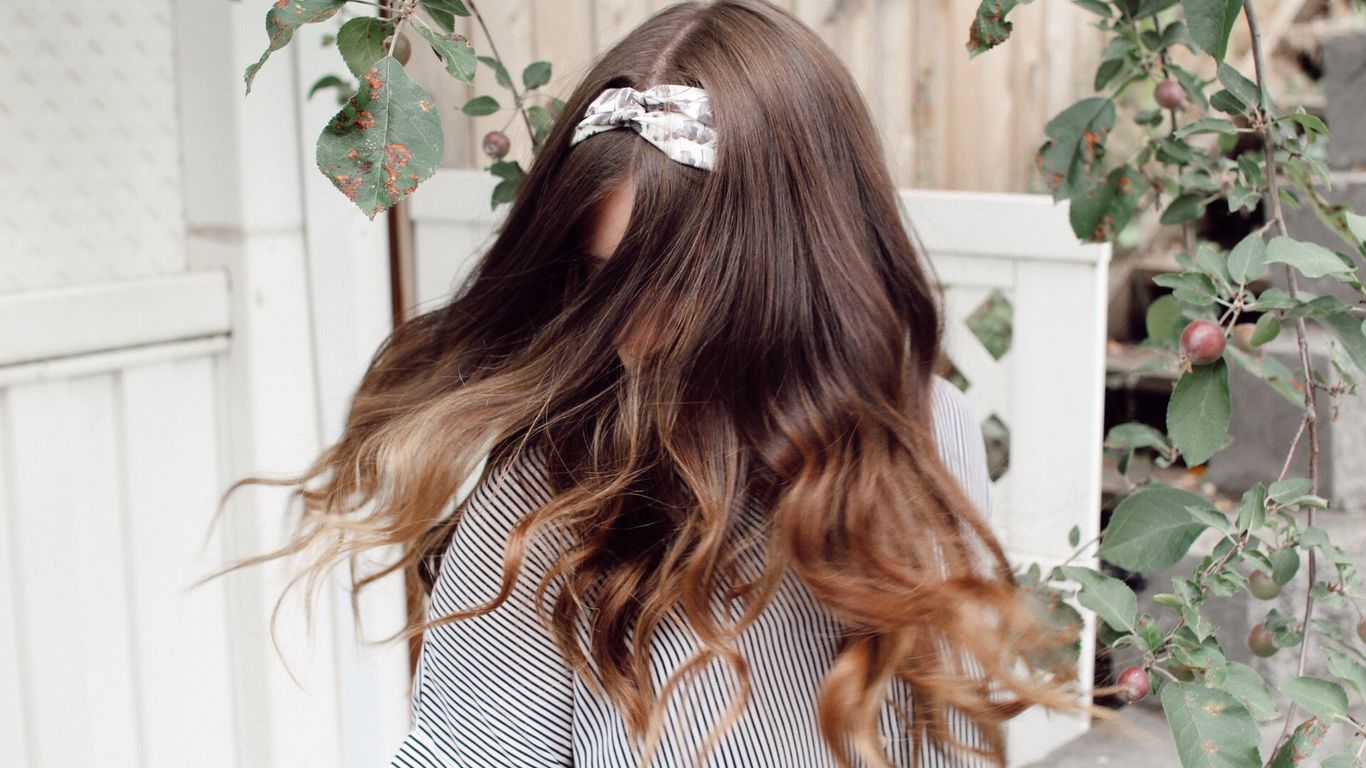
The Afro hairstyle isn't just a look; it's a symbol of pride, identity, and cultural significance. In the 70s, it became a powerful statement, a way to embrace natural texture and stand out. It's all about celebrating the beauty of your natural hair in its fullest form. Think big, bold, and unapologetically you. This style is a celebration of self-acceptance and a connection to heritage.
Caring For Your Afro
Taking care of an Afro requires a bit of know-how, but it's totally doable. The key is moisture, moisture, moisture! Natural hair tends to be drier, so keeping it hydrated is super important. You'll want to use good quality conditioners and leave-in treatments.
Here's a quick rundown on keeping your Afro healthy:
- Moisturize Regularly: Use water-based leave-in conditioners and seal the moisture with natural oils like jojoba or coconut oil.
- Gentle Detangling: Always detangle when your hair is wet and coated with conditioner. Use a wide-tooth comb or your fingers, starting from the ends and working your way up.
- Protective Styling: Consider styles like braids or twists occasionally to protect your ends and reduce manipulation.
- Deep Conditioning: Treat your hair to a deep conditioning mask once a week or every other week.
Keeping your Afro moisturized is the most important thing. Dry hair can lead to breakage, and nobody wants that. Think of it like watering a plant – it needs consistent hydration to thrive and look its best.
Styling The Afro With Confidence
Styling an Afro is where you can really have fun. Whether you're going for a classic, rounded shape or something more sculpted, the possibilities are pretty endless.
Some ideas to get you started:
- The Classic Round: This is the iconic shape everyone thinks of. It's achieved by gently shaping the hair with your hands or a pick.
- The Tapered Look: This involves shaping the sides and back to be shorter than the top, creating a more defined silhouette.
- Accessorize: Don't be afraid to add headbands, scarves, or even flowers to switch up your look. A colorful scarf tied around the base can add a pop of personality.
- Volume Control: If you want more volume, use a hair pick to lift the roots. For a sleeker look, a bit of pomade can help smooth down flyaways.
Bowl Cuts And Bobs: Chic Simplicity
The Enduring Appeal Of The Bob
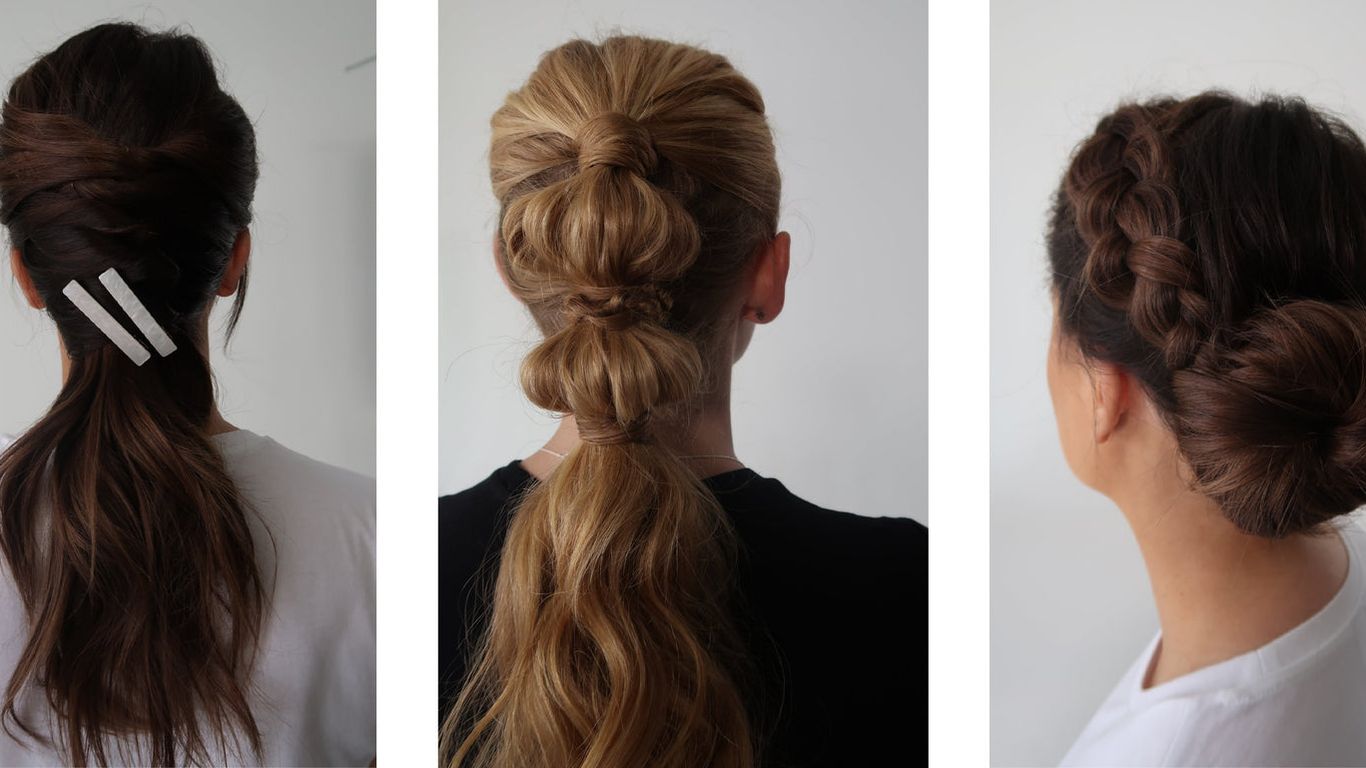
The bob haircut has been around forever, it seems, and the 70s really gave it a moment. It’s a style that’s both simple and sophisticated, you know? It works for so many people because it’s just so adaptable. Whether it’s blunt and sharp or a bit softer, the bob just has this clean, put-together vibe that never really goes out of style. It frames the face nicely and can be styled in a bunch of ways, which is probably why it’s stuck around.
Modernizing The Bowl Cut
Okay, so the bowl cut. It sounds a little… well, like a bowl was literally put on your head and cut around. And sometimes, that’s exactly what it looked like back in the day! But today, we’re seeing it in a much cooler way. Think less literal bowl, more geometric shape. It’s about clean lines and a strong silhouette. It can be super short and edgy, or a bit longer and more relaxed. The key is making it feel intentional and stylish, not like you just came out of a kindergarten haircutting session.
Variations On 70s Bob Styles
The 70s weren't just about one kind of bob, though. There were a few different takes that are still totally wearable now.
- The Classic Blunt Bob: This is your straight-across-the-chin, no-layers kind of bob. Super chic and works best on straighter hair.
- The A-Line Bob: This one is shorter in the back and angles down towards the front, creating a subtle V-shape. It adds a bit of movement and interest.
- The Layered Bob: Think of this as a softer bob. Layers are added to give it shape and make it easier to style, especially if your hair is a bit thicker.
When you're thinking about these cuts today, it's all about the finish. A good stylist can take the basic shape and make it work for your hair texture and face shape. It’s not just about chopping it off; it’s about creating a look that feels fresh and modern, even if it’s inspired by something old.
Long And Luscious: Embracing Length
Back in the 70s, long hair was a big deal. It was all about that natural, flowing look, whether it was super straight or had a bit of a wave. Think of all those rock stars and movie stars with hair that just seemed to go on forever. It was a statement, for sure. This era really celebrated hair that felt free and unstyled, even if it took some effort to get there.
The Power Of Long, Straight Hair
Long, straight hair in the 70s was all about simplicity and letting your natural texture shine. It wasn't about complicated cuts, but more about healthy, well-maintained length. The idea was that the hair itself was the accessory. It was often center-parted, giving a really balanced and almost ethereal look. Think of it as the ultimate "wash and go" style, though keeping it looking that good probably involved a lot of brushing and maybe some good old-fashioned hair oil.
Adding Texture To Long Locks
While straight was popular, not everyone wanted that sleek look. Some people added gentle waves or a bit of body to their long hair. This wasn't the tight curls of the 60s, though. It was softer, more natural-looking. Think of a slight bend at the ends, or a bit of movement through the mid-lengths. This could be achieved with rollers, or sometimes just by letting your hair air dry in a certain way. It gave the hair a bit more life and wasn't so one-dimensional.
Maintaining Healthy, Long Hair
Keeping long hair looking good, especially back then without all the fancy products we have now, was a mission. It meant regular trims to avoid split ends, gentle washing, and avoiding too much heat styling. A good brush was probably your best friend. People focused on keeping the hair strong from the inside out, which meant good nutrition and maybe some natural remedies. It was a commitment, but the payoff was that gorgeous, flowing mane.
Keeping your hair healthy is the first step to making any long style look good. If it's dry or damaged, it's just going to look limp and sad, no matter how long it is. So, focus on conditioning and being gentle with it.
Here are some basic steps to keep your long hair in top shape:
- Gentle Washing: Don't overdo it. Washing too often strips natural oils. Use a mild shampoo and focus on the scalp.
- Conditioning is Key: Always follow up with conditioner, especially on the ends. Leave-in conditioners can also help a lot.
- Regular Trims: Even if you're growing it out, get small trims every few months to snip off split ends before they travel up the hair shaft.
- Minimize Heat: Try to air dry your hair whenever possible. If you must use heat, use a protectant spray.
Want to grow your hair out and make it look amazing? Achieving long, healthy locks is totally doable. We have the best products to help your hair reach its full potential. Visit our website to discover how you can get the long, beautiful hair you've always dreamed of!
Keep the Vibe Alive
So there you have it – a trip back to the 70s and how to bring some of that iconic style into your look today. Whether you're feeling the shag, the feathered look, or something else entirely, these trends are surprisingly easy to pull off. Don't be afraid to experiment a little. Sometimes the best looks come from just trying something new. Grab some product, maybe a good round brush, and have some fun with it. You might just find your new favorite hairstyle hiding in the past.
Frequently Asked Questions
What makes the shag haircut so cool?
The shag is awesome because it has tons of layers that make your hair look super full and messy in a good way. It's like a rockstar hairstyle that was super popular back then and still looks amazing today.
How can I get that feathered hair look from the 70s?
To get that feathered look, you need layers that are cut so they flip out, kind of like bird feathers. You can ask your stylist for these layers, and then use a round brush when blow-drying to get that bouncy, outward flip.
Is the Farrah Fawcett flip hard to do myself?
The Farrah Fawcett flip has big, bouncy curls that flip outwards. You can totally try it at home! Use a large round brush and a hairdryer, or even hot rollers, to get those iconic waves. It takes a little practice, but it's worth it for that glamorous vibe.
What's the best way to style a natural afro?
Taking care of an afro is all about keeping it moisturized. Use good conditioners and leave-in products. For styling, you can rock it big and proud, or use combs and picks to shape it how you like. It's a powerful and beautiful style!
Are bowl cuts and bobs still in style?
Absolutely! Bobs are timeless, and even bowl cuts can look really chic and modern. You can play with different lengths and add layers or bangs to make them your own. They're simple but make a big statement.
What if I have really long hair? Can I still rock 70s trends?
Long hair is always in! For a 70s feel, you can wear it super straight and sleek, or add some loose waves for a more relaxed look. Think natural and flowing. Keeping your long hair healthy is key to making any style look great.



Leave a comment