

Mastering Brush Drying Techniques for Flawless Hair
So, you want to get that smooth, salon-worthy look at home? Brush drying your hair might seem simple, but there's a bit of a knack to it. It’s not just about blasting your hair with hot air and hoping for the best. Getting it right means picking the right tools, knowing how to handle your dryer, and using a few tricks to get that perfect finish. Let's get into how to make brush drying work for you.
Key Takeaways
- Picking the right brush and dryer settings makes a big difference for brush drying.
- Sectioning your hair and using gentle tension are important for effective brush drying.
- Learn how to get volume or a sleek look with brush drying.
- Watch out for frizz and damage when brush drying, especially with finer hair.
- Finishing products and proper hair care help your brush dried style last longer.
Choosing The Right Tools For Brush Drying
Okay, so you want that salon-smooth finish at home, right? It all starts with having the right gear. Think of it like painting – you wouldn't use a house brush for a tiny detail, would you? Same idea here. Getting your brush drying game on point means picking the right brush, knowing your dryer's settings, and having a couple of styling products ready to go.
Selecting The Ideal Brush For Your Hair Type
This is probably the most important step. Using the wrong brush can make things way harder than they need to be, and honestly, it can even mess up your hair. You've got a few main types to think about:
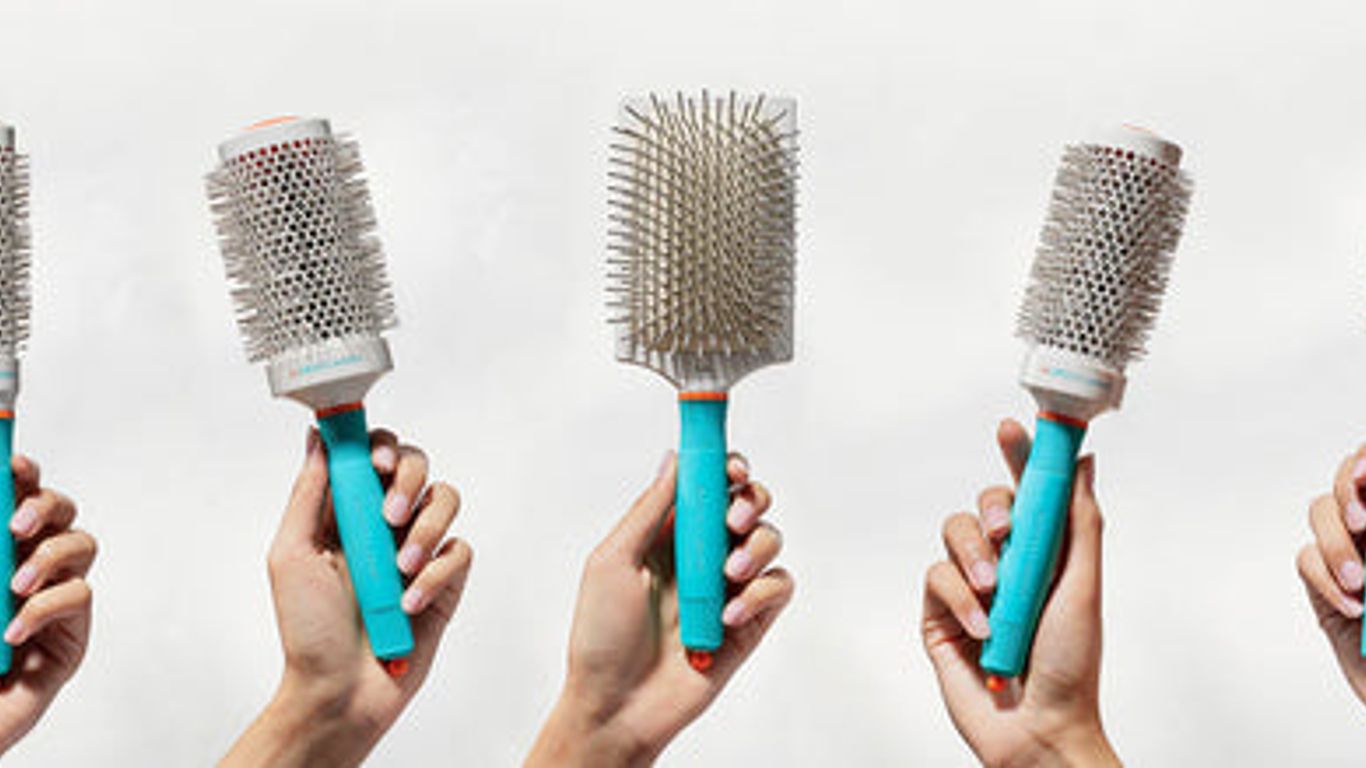
- Ceramic Round Brushes: These are great all-rounders. The ceramic barrel heats up evenly, which helps speed up drying time and gives your hair a nice shine. They're good for most hair types, especially if you're aiming for a smooth, bouncy blowout.
- Boar Bristle Brushes: If your hair is on the finer side or easily damaged, a boar bristle brush is your friend. The natural bristles are gentle and help distribute your hair's natural oils, making it look smoother and shinier without adding a ton of heat. They're not the best for creating a lot of tension, though.
- Vent Brushes: These have holes in them, which lets air flow through more freely. They're super fast for drying, but they don't give you as much control for styling. Good for a quick rough dry before you switch to a round brush.
- Metal Barrels: These heat up really fast and get super hot. They can speed up drying, but you have to be careful. They're better for thicker, coarser hair that can handle the heat. If your hair is fine or easily damaged, steer clear.
The size of the barrel matters too. A smaller barrel is good for creating tighter curls or working with shorter hair, while a larger barrel is perfect for getting that smooth, straight look or adding waves to longer hair.
Understanding Different Dryer Settings For Brush Drying
Your hairdryer isn't just an on/off switch. Most have a few settings that can make a big difference. You'll usually find:
- Heat Settings: Low, Medium, High. Start with medium heat. High heat can dry your hair faster, but it also increases the risk of damage. Low heat is gentler but takes longer. Always use the lowest heat setting that effectively dries and styles your hair.
- Speed Settings: Low, High. A lower speed gives you more control, which is great when you're actively using the brush to shape your hair. A higher speed is good for getting the bulk of the water out quickly before you start styling.
- Cool Shot Button: This is your secret weapon! Once you've styled a section, blast it with cool air for a few seconds. It helps set the style and makes it last longer, plus it adds shine.
It's easy to just blast your hair with the hottest, fastest setting, but that's a recipe for frizz and damage. Think of your dryer settings like a dimmer switch for heat and airflow. You want just enough to get the job done without scorching your strands.
Essential Styling Products To Enhance Brush Drying
Products are like the supporting cast in your hair drama. They don't do all the work, but they make everything else go smoother.
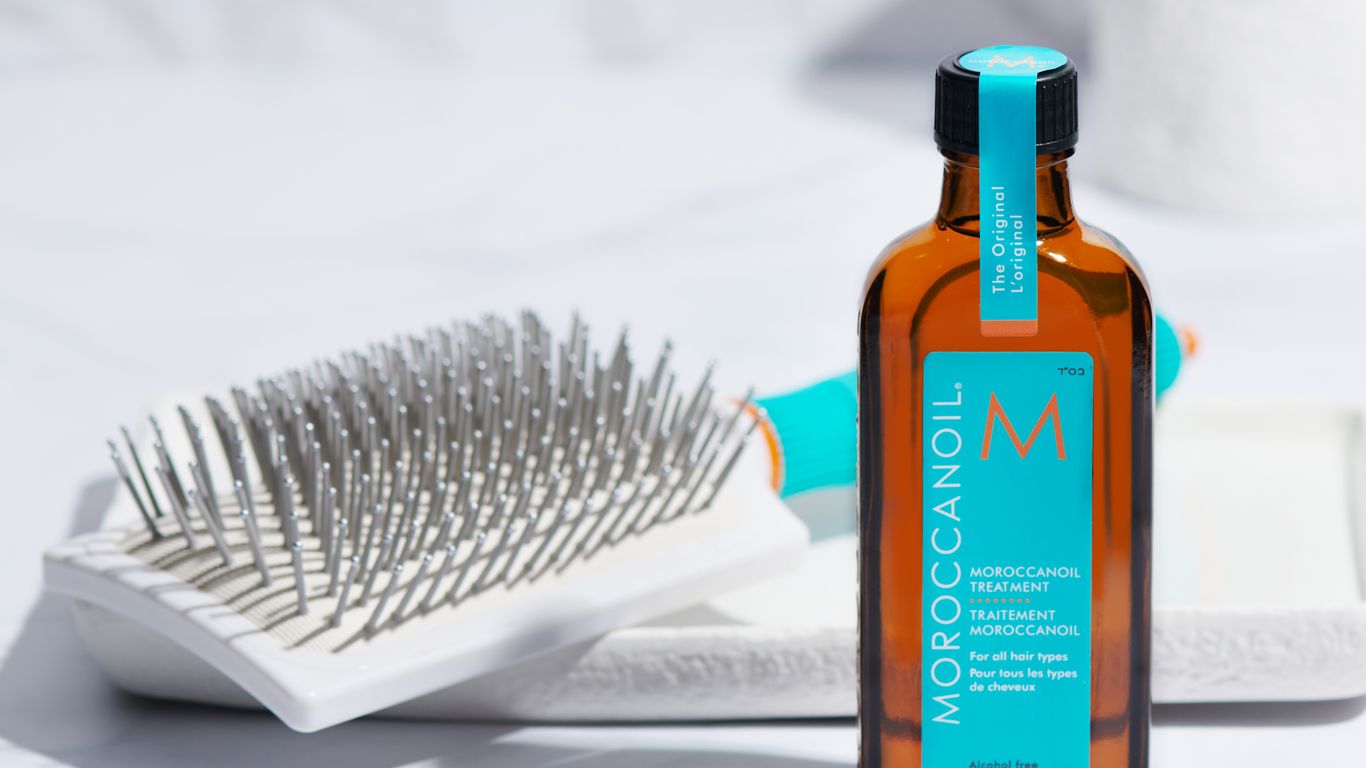
- Heat Protectant: This is non-negotiable. Spray it on damp hair before you even turn on the dryer. It creates a barrier between your hair and the heat, preventing dryness and breakage.
- Smoothing Cream or Serum: If frizz is your arch-nemesis, a little bit of smoothing cream or serum applied to damp hair can work wonders. It helps tame flyaways and gives your hair a sleeker finish.
- Mousse or Volumizing Spray: Want that extra lift at the roots? Apply a volumizing mousse or spray to your roots before you start drying. It gives your hair something to hold onto as you lift and shape it with the brush.
Using these tools and products correctly is the first step to getting that amazing brush-dried look. Don't skip this part!
Mastering The Brush Drying Technique
Okay, so you've got your tools ready, and your hair is damp – now what? This is where the magic really happens. Getting the technique right is what separates a good hair day from a great one. It’s not just about blasting hot air and hoping for the best; it’s a bit more deliberate than that.
Proper Sectioning For Efficient Brush Drying
First things first, you gotta section your hair. Trying to dry your whole head at once is a recipe for uneven results and a lot of frustration. Think of it like painting – you wouldn't try to cover a whole canvas with one giant brushstroke, right? You work in smaller, manageable areas.
- Start at the nape of your neck: This is usually the thickest part, so getting it dry first makes sense. Grab a section about an inch or two wide.
- Work your way up and around: Create clean, distinct sections using clips. Aim for sections that are about the width of your brush and not too thick, so the air can actually get through.
- Keep sections separate: Don't let them get all tangled up. The cleaner your sections, the faster and more evenly you'll dry.
The Art Of Tension And Glide During Brush Drying
This is probably the most important part. You need to find that sweet spot between pulling your hair too tight and not pulling it enough. Too much tension can lead to breakage, while too little means you won't get that smooth finish.
- Gentle but firm: Wrap a section of hair around your brush. You want enough tension to smooth the cuticle, but not so much that it feels like you're yanking your hair out.
- Follow the brush: Keep the dryer nozzle pointed down the hair shaft, following the brush as you move it. This helps to seal the cuticle and direct the airflow where you want it.
- Smooth, consistent movement: Avoid jerky motions. A steady, gliding movement from root to tip is key for that polished look.
Achieving Volume And Smoothness With Brush Drying
So, you're sectioning and gliding, but how do you get that salon-worthy volume and smoothness? It's all about how you manipulate the hair with the brush and the dryer.
- For volume at the roots: Lift the section of hair up and away from your scalp as you dry the roots. You can even direct the airflow underneath the section for extra lift.
- For smoothness: As you pull the brush through the lengths of your hair, keep the tension consistent and the dryer nozzle pointed downwards. This helps to flatten the cuticle, making your hair look shiny and sleek.
- Finishing cool shot: Once a section is dry, hit it with a blast of cool air from the dryer. This helps to set the style and adds extra shine by sealing the cuticle.
Remember, practice makes perfect. Don't get discouraged if your first few attempts aren't exactly what you envisioned. Pay attention to how your hair responds to the tension and the heat, and adjust your technique as you go. It’s a learning process, and soon you’ll be a pro at this.
Advanced Brush Drying Strategies
Tackling Frizz and Flyaways During Brush Drying
Okay, so you've got the basics down, but sometimes your hair just won't cooperate, right? Frizz and those annoying little flyaways can really mess up a smooth finish. The trick here is all about control and the right products. First off, make sure your hair is about 80% dry before you even pick up the brush and dryer. Towel-drying gently is key – no rough rubbing! When you start blow-drying, use the nozzle attachment on your dryer. This directs the airflow straight down the hair shaft, which helps to seal the cuticle. Think of it like smoothing a piece of wood; you want to go with the grain, not against it.
Here are a few things that really help:
- Use a heat protectant spray: This is non-negotiable. It creates a barrier between your hair and the heat.
- Apply a smoothing serum or cream: Work a small amount through damp hair, focusing on the mid-lengths and ends where frizz usually starts.
- Invest in a good quality brush: Ceramic or boar bristle brushes tend to distribute heat more evenly and reduce static.
Sometimes, the battle against frizz feels like a losing one. But remember, it's often a combination of technique, product, and the right tools. Don't get discouraged if it's not perfect the first time. Keep experimenting to see what works best for your hair's unique texture and needs.
Creating Specific Styles With Brush Drying Techniques
Brush drying isn't just for smooth, straight hair. You can actually create a lot of different looks with just your brush and dryer. For bouncy waves, try twisting sections of hair as you dry them, or use a round brush to create tension and then roll the hair around the brush as you dry. For a more lived-in, textured look, try drying your hair upside down for the first few minutes to get some root lift, then flip it over and finish with the brush. You can also use the cool shot button on your dryer to set the shape of your style once it's dry.
The Role Of Heat In Brush Drying For Longevity
Heat is your friend when it comes to making your brush-dried style last. The goal is to get the hair cuticle to lie flat and then seal it. Using a medium heat setting is usually best – too hot can damage, and too cool might not set the style properly. Always finish with a blast of cool air. This is super important because it shocks the hair cuticle, making it close up tight and lock in the style. It also adds shine. If you're really struggling to make your style last, consider using a lightweight hairspray or finishing spray once your hair is completely cool. This adds a bit of hold without making your hair stiff.
Troubleshooting Common Brush Drying Issues
So, you're in the middle of brush drying your hair, and things aren't going quite as planned. Maybe it's frizz city, or perhaps your hair feels like a tangled mess. Don't sweat it, these things happen! Let's figure out how to fix those common brush drying hiccups.
Preventing Heat Damage While Brush Drying
Heat is a tool, but too much of it can really mess with your hair. The goal is to dry your hair without frying it. Always use a heat protectant spray before you even turn on the dryer. It's like sunscreen for your hair, seriously.
- Don't blast it on the highest heat setting all the time. Start lower and only crank it up if you absolutely need to for stubborn sections.
- Keep the dryer moving. Don't let it sit in one spot for too long, especially on the same section of hair.
- Use the nozzle attachment. This helps direct the airflow where you want it, making drying more efficient and less spread out.
It's easy to get caught up in trying to get your hair dry quickly, but taking a few extra moments to be mindful of the heat can save you a lot of damage down the road. Think of it as a small investment for healthier hair.
Addressing Uneven Drying And Snags
Ever feel like one side is bone dry and the other is still damp? Or maybe your brush keeps catching on your hair? This usually comes down to technique and sectioning.
- Proper Sectioning is Key: Make sure you're working with manageable sections. If a section is too big, the air and heat won't reach the inner layers properly, leading to uneven drying.
- Tension, Tension, Tension: When you pull the brush through your hair, maintain consistent, gentle tension. Too little tension and the hair won't smooth out; too much and you risk snags and breakage.
- Brush Direction Matters: Always brush downwards, following the direction of your hair's cuticle. This helps to smooth the hair shaft and prevent the brush from catching.
Tips For Fine Hair During Brush Drying
Fine hair can be a bit delicate, so you need to be extra gentle. The wrong approach can leave it looking flat or even damaged.
- Use a lower heat setting. Fine hair doesn't need as much heat as thicker hair types.
- Opt for a brush with softer bristles. Stiffer bristles can pull and break fine strands.
- Focus on lifting at the roots. This is where you'll get the most volume. You can do this by directing the airflow upwards at the roots while brushing.
- Avoid over-drying. Stop when your hair is just dry. Over-drying can make fine hair look brittle and lifeless.
Maintaining Your Brush Drying Results
So, you've spent time perfecting that brush-dried look, and it looks great. Now, how do you keep it that way? It's not just about the drying itself; a few simple steps afterward can make a big difference in how long your style lasts and how good your hair feels.
Finishing Touches After Brush Drying
Once your hair is dry and styled, a few final touches can lock everything in. Think of it as sealing the deal on your hard work. A light mist of a flexible-hold hairspray can keep things in place without making your hair stiff. If you're going for extra shine, a tiny bit of serum or a shine spray, applied mainly to the ends, can add that polished look. Just be careful not to overdo it, especially if you have finer hair, as too much product can weigh it down.
Extending the Life of Your Brush Dried Style
Want your brush-dried hair to look good for more than a day? It's totally doable. The biggest enemy of a style is friction and moisture. Sleeping on a silk or satin pillowcase is a game-changer; it reduces snagging and frizz compared to cotton. If you're heading out into humid weather, a light scarf or hat can offer protection. For touch-ups, instead of re-washing, try using a dry shampoo at the roots to absorb any oil and add a bit of lift. A quick blast with the cool setting on your dryer can also help refresh the shape.
Caring for Your Hair Post Brush Drying
Brush drying, while generally gentler than some other heat styling, still involves heat. So, after you're done styling and throughout the week, give your hair some TLC. Using a good conditioner is a must, and maybe incorporate a deep conditioning treatment or hair mask once a week. This helps replenish moisture and keeps your hair looking and feeling healthy. Also, try to give your hair a break from heat styling every so often. Letting it air dry sometimes can really help it recover.
Keeping your brush-dried style looking fresh isn't complicated. It's mostly about being mindful of how you sleep, protecting your hair from the elements, and giving it some extra love with conditioning treatments. Small habits can lead to big results in maintaining that salon-worthy finish.
Here are some product types that can help keep your style looking its best:
- Hairsprays: Look for flexible or medium hold options. Avoid anything too stiff if you want a natural feel.
- Serums/Shine Sprays: Use sparingly, focusing on mid-lengths and ends for a glossy finish.
- Dry Shampoos: Great for absorbing oil and adding volume on non-wash days.
- Leave-in Conditioners: Help keep hair hydrated and manageable between washes.
To keep your hair looking great after drying, make sure to follow the right steps. Proper care helps your style last longer and keeps your hair healthy. For more tips on maintaining your beautiful blowouts, visit our website today!
Wrapping It Up
So there you have it. Getting your hair just right with a brush and dryer isn't some big mystery. It really just takes a little practice and paying attention to what your hair needs. Don't get discouraged if it's not perfect the first few times. Keep trying out different techniques, maybe play with the heat settings or the brush types. You'll find what works best for your hair, and soon enough, you'll be rocking that smooth, shiny look without even thinking about it. Happy drying!
Frequently Asked Questions
What's the best brush to use for drying my hair?
It really depends on your hair type! For fine hair, a ceramic round brush can add volume without getting too hot. If you have thick or curly hair, a boar bristle brush or a mixed bristle brush works well to smooth and control frizz. Always make sure the brush is the right size for the section of hair you're working with – smaller brushes for shorter hair or more defined curls, and larger brushes for longer hair and smoother styles.
How hot should my hair dryer be for brush drying?
You don't always need the highest heat setting! Start with medium heat. This is usually enough to shape your hair while drying. High heat can sometimes cause damage or make your hair frizzy. If your hair is taking a long time to dry, you can try a slightly higher heat for a short burst, but always finish with a cool shot to set the style and add shine.
What are some products that help with brush drying?
Using a heat protectant spray is super important to shield your hair from the dryer's heat. A smoothing serum or cream can help tame frizz and add shine as you dry. If you want extra volume, try a volumizing mousse or spray at the roots before you start. For hold, a light hairspray can keep your style in place once you're done.
How do I keep my hair from getting frizzy when brush drying?
Frizz happens! Make sure your hair is towel-dried until it's just damp, not soaking wet. Apply your heat protectant and smoothing products evenly. When you're drying, always point the nozzle of your dryer downwards along the hair shaft – this helps to seal the cuticle. Avoid over-brushing or drying sections too many times.
My hair feels dry and damaged after brush drying. What did I do wrong?
It sounds like your hair might be getting too much heat. Always use a heat protectant spray before you start. Try using a lower heat setting on your dryer and don't hold it too close to your hair. Also, make sure you're not drying the same section over and over again. Sometimes, letting your hair air dry a bit first can help reduce the time under the dryer.
How can I get more volume when brush drying?
To get that bouncy volume, start by applying a volumizing product to damp hair, especially at the roots. When you're brush drying, lift the hair up and away from your scalp with your brush. You can also try flipping your head upside down while drying the roots. Finishing with a cool shot of air helps to lock in the lift.





Leave a comment